
Ruhpolding
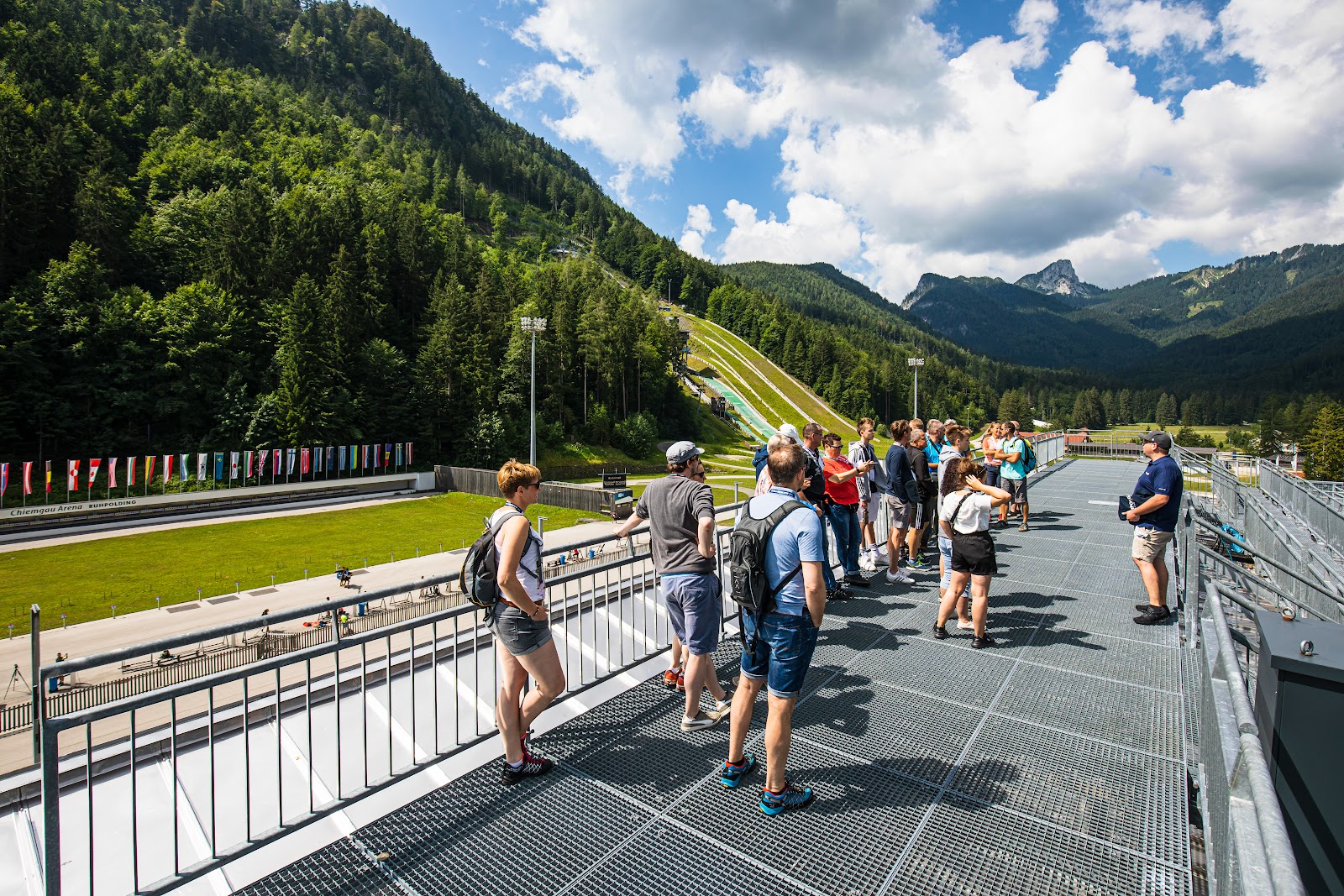
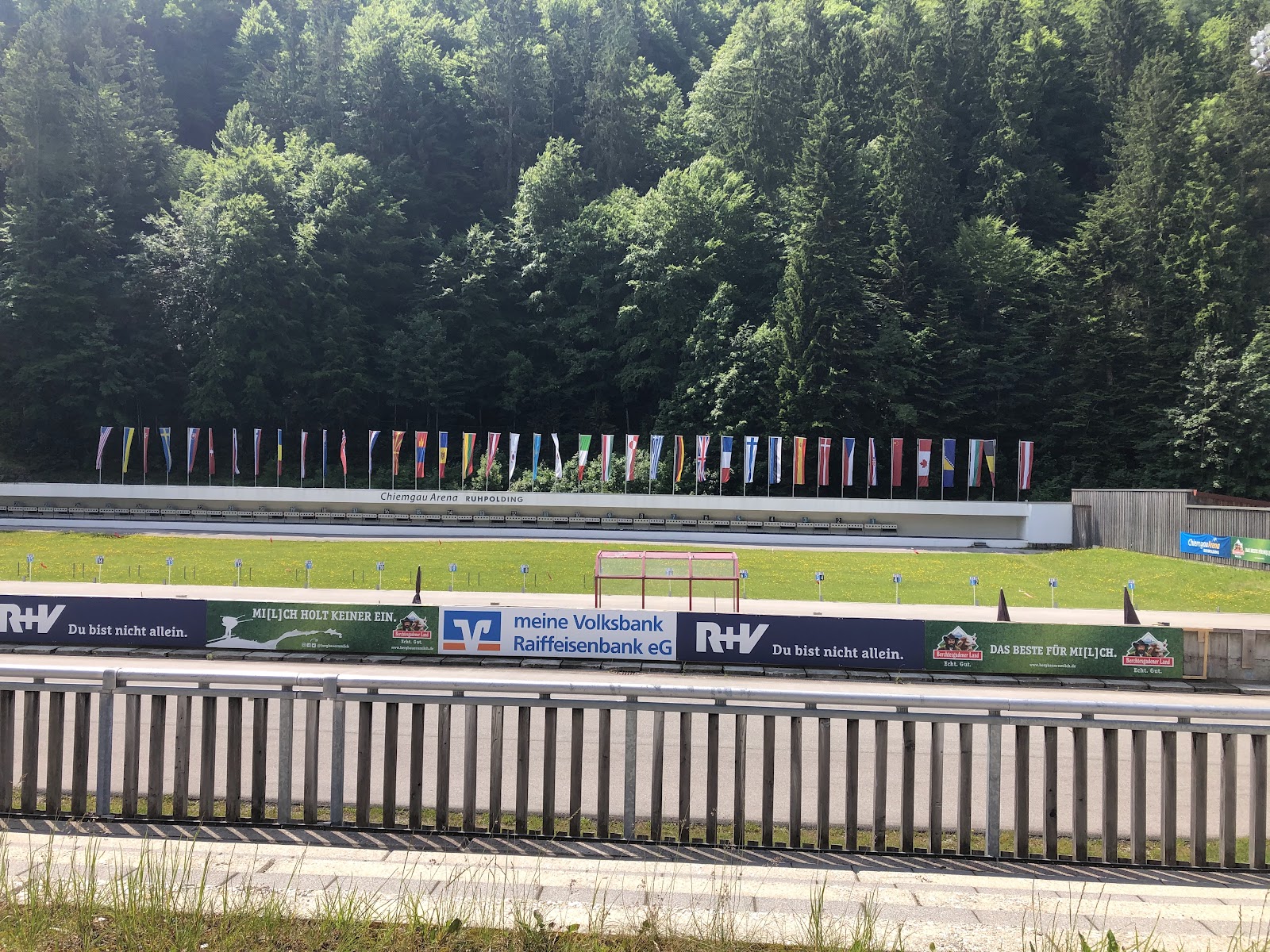
Ruhpolding is a small Bavarian town that punches well above its size in one particular discipline: biathlon. The Chiemgau Arena, sitting at 710 metres on the Zirmberg, has been staging international competition since 1978, and every January tens of thousands of spectators line the course while athletes ski and shoot under floodlights. The town grew up around older trades — lead and zinc mining, marble quarrying, salt-wood logging — but it is the rifle and the kick-wax that define it now.
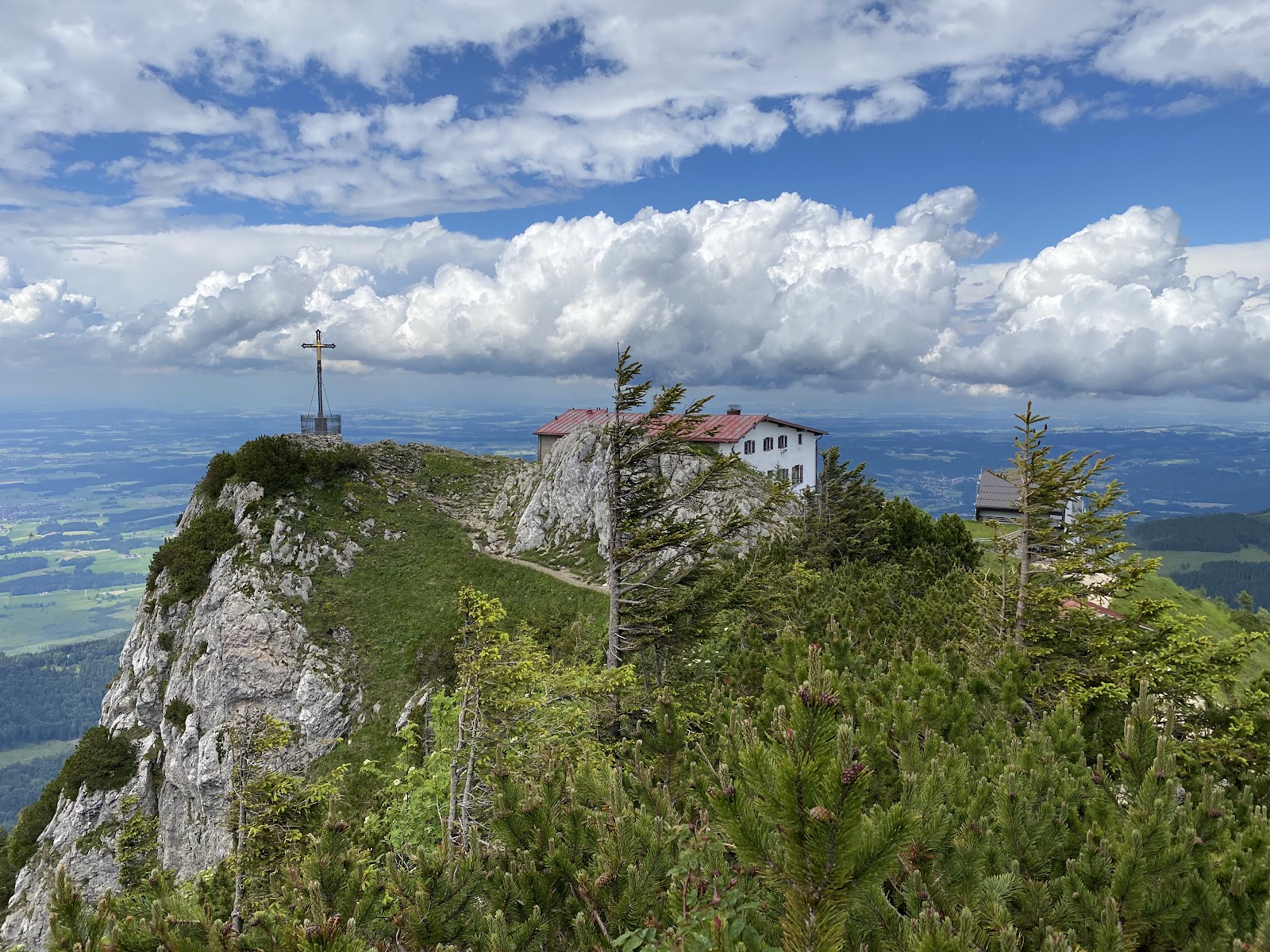
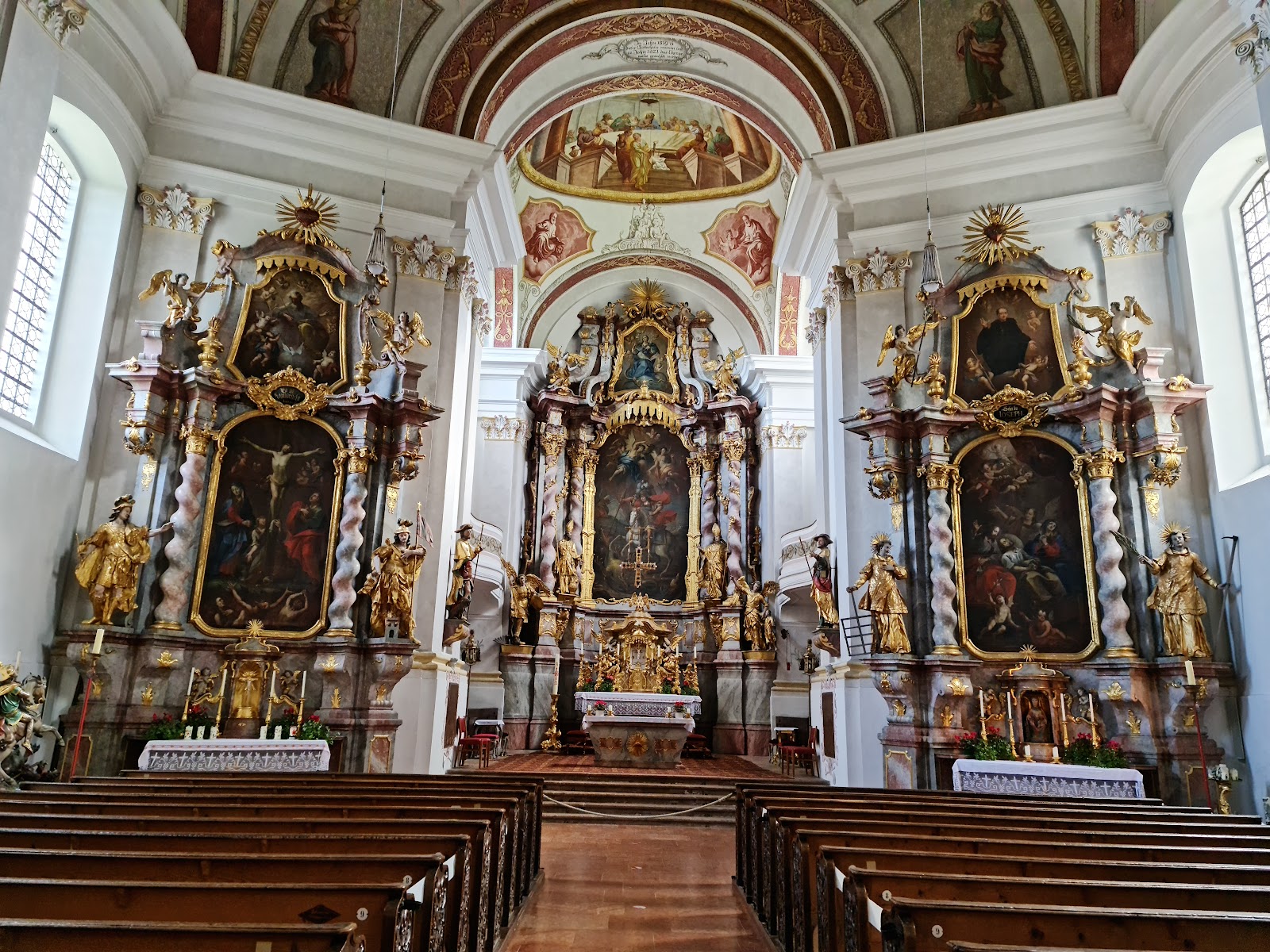
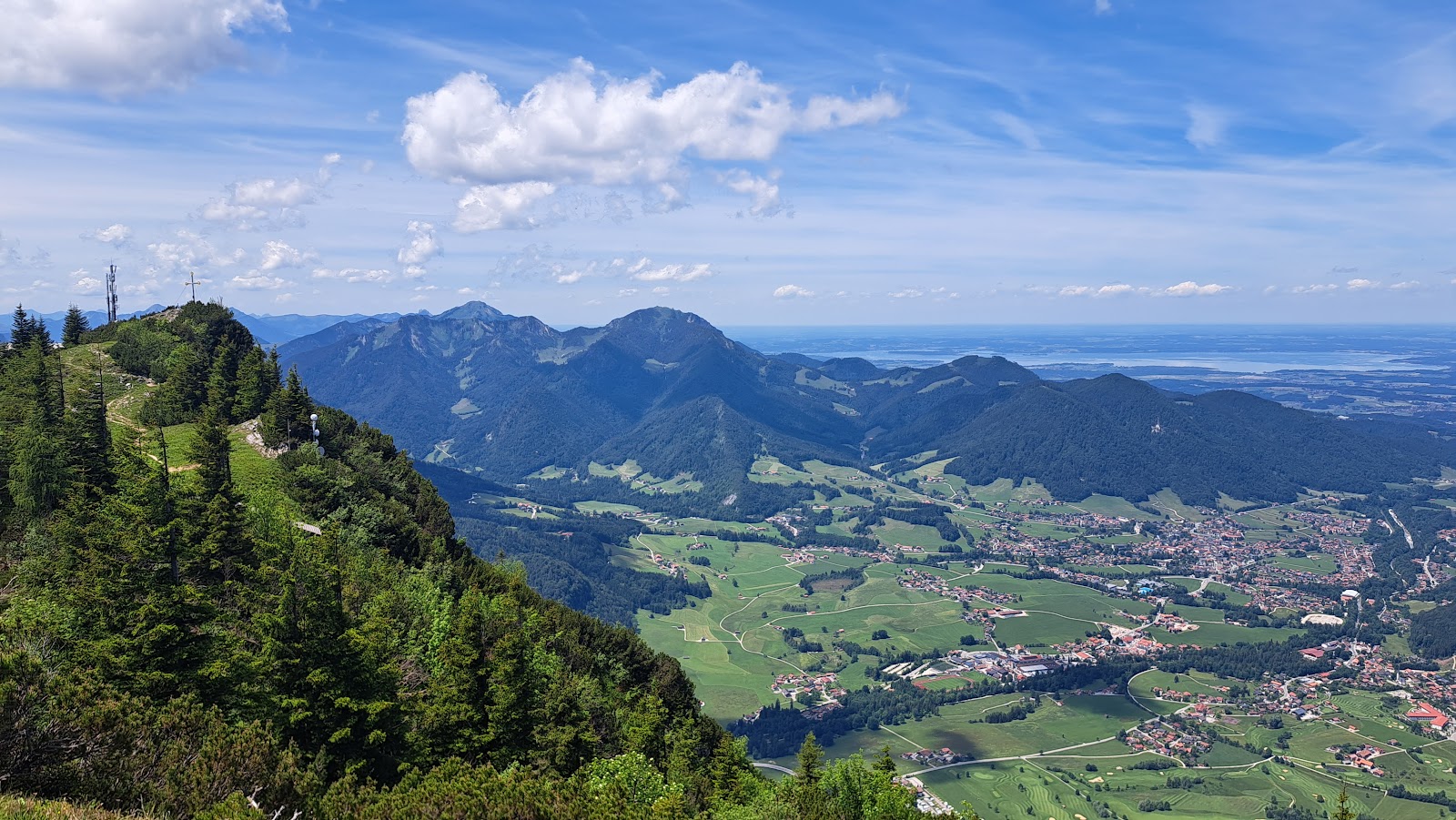
Beyond the stadium, Ruhpolding moves at a gentler pace. The Rococo church of St. Georg watches over the valley from its hilltop. The Unternberg chairlift creaks upward to a panorama that stretches from the Central Alps to Lake Chiemsee. A bell forge founded by a local blacksmith in 1984 preserves a craft that most of Europe has forgotten.
💛 What travellers fall for
People who come back tend to time it around the January World Cup, book accommodation at least six months out, and arrive a day early to walk the empty course before the crowds arrive. They also mention the Holzknechtmuseum — the forestry museum with its authentic historic buildings — as the place that most surprises first-timers.
Deals in Ruhpolding
Book directly at the provider

How Ruhpolding came to be
The name Ruhpoldingen appears in records as early as 1193, though people had been settling the valley since the 9th and 10th centuries, when the area fell under the authority of the prince-bishops of Salzburg. The mountains gave up lead and zinc ore, and in the 15th century local marble found its way into the church at Frauenchiemsee. By the 17th century the surrounding forest was being felled to fuel the salt works at Traunstein — a quieter extraction than mining, but one that shaped the landscape just as permanently.
The railway arrived in 1895 and changed the valley's relationship with the outside world. By the 1930s, holiday trains were bringing mass tourism, and the ski industry followed: the Plenk factory developed the first scaled cross-country skis here. The biathlon training centre on the Zirmberg was built in 1977–78, and in 1979 the town hosted the first Biathlon World Championships — 283 competitors, 26 nations, and 4,000 spectators. It has hosted the World Championships four times since.
Who and what shaped it
People who shaped it
Landmark buildings
See Ruhpolding in motion
Plan your visit
On the map
When to go
Summers run from comfortable to warm (up to around 22°C) with regular rain, making June through September the most straightforward time for hiking and outdoor activity. Winters are genuinely cold and snowy — temperatures regularly sit below freezing from December through February — which is precisely what the biathlon calendar requires.
Right now
↡ Attractions
Background & history adapted from Wikipedia (CC BY-SA) · specs from Wikidata (CC0) · weather from Open-Meteo · map data © OpenStreetMap contributors · photos from Wikimedia Commons / Unsplash with per-image credit. No third-party reviews or social posts reproduced.