
Ragusa Ibla (Ibla)
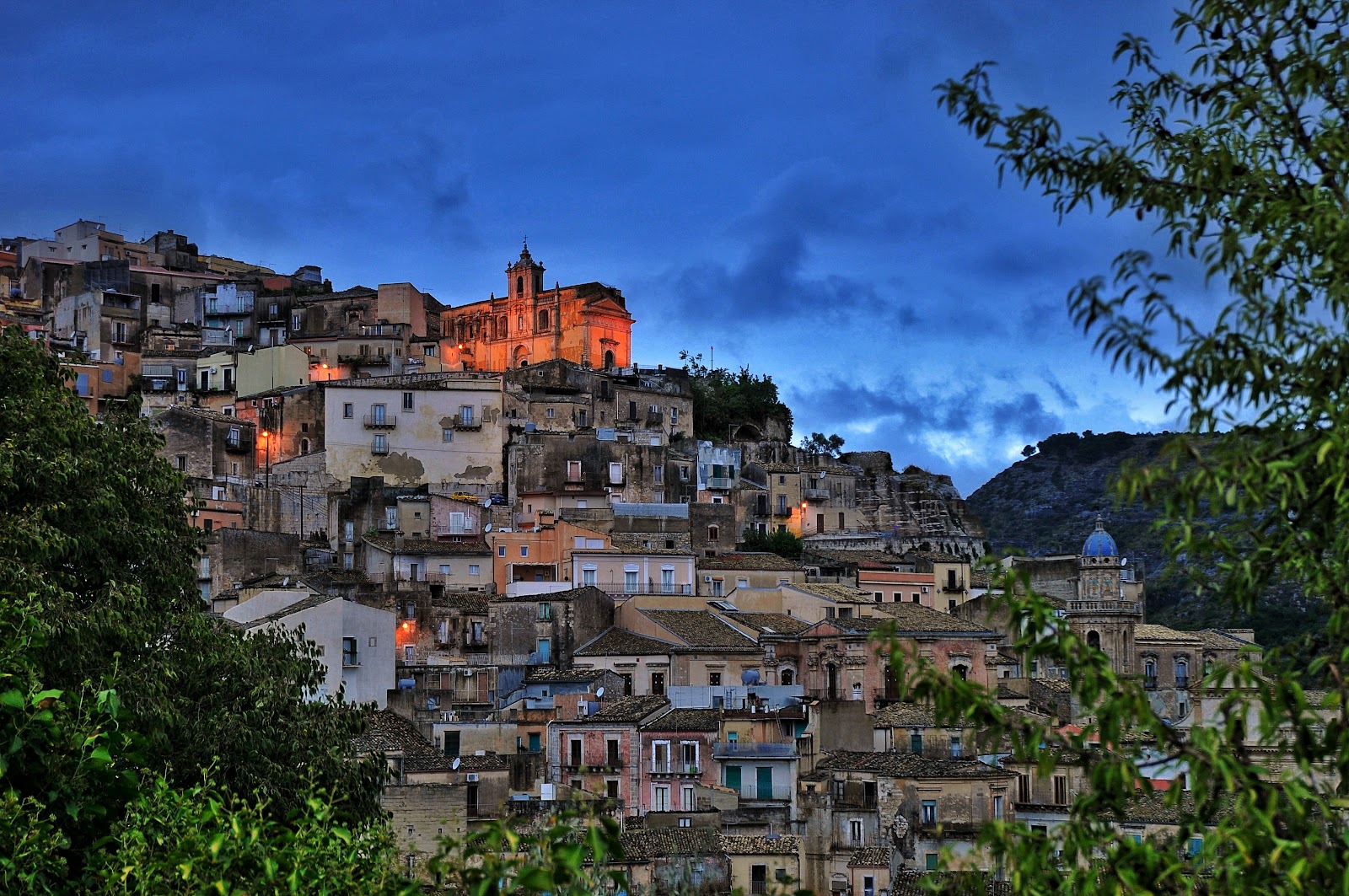
Ragusa Ibla sits on a limestone ridge above a gorge, a city that rebuilt itself from rubble after the 1693 earthquake and emerged more ornate than before. The streets fold and rise unpredictably, delivering you to baroque facades, small piazzas, and occasional views over the Irminio valley that stop you mid-step.
This is the older of Ragusa's two halves — the part that refused to move to higher ground after the earthquake, while a new upper town took shape on the plateau above. Thirteen of its baroque monuments are now part of a UNESCO World Heritage inscription, alongside the other towns rebuilt across the Val di Noto.
💛 What travellers fall for
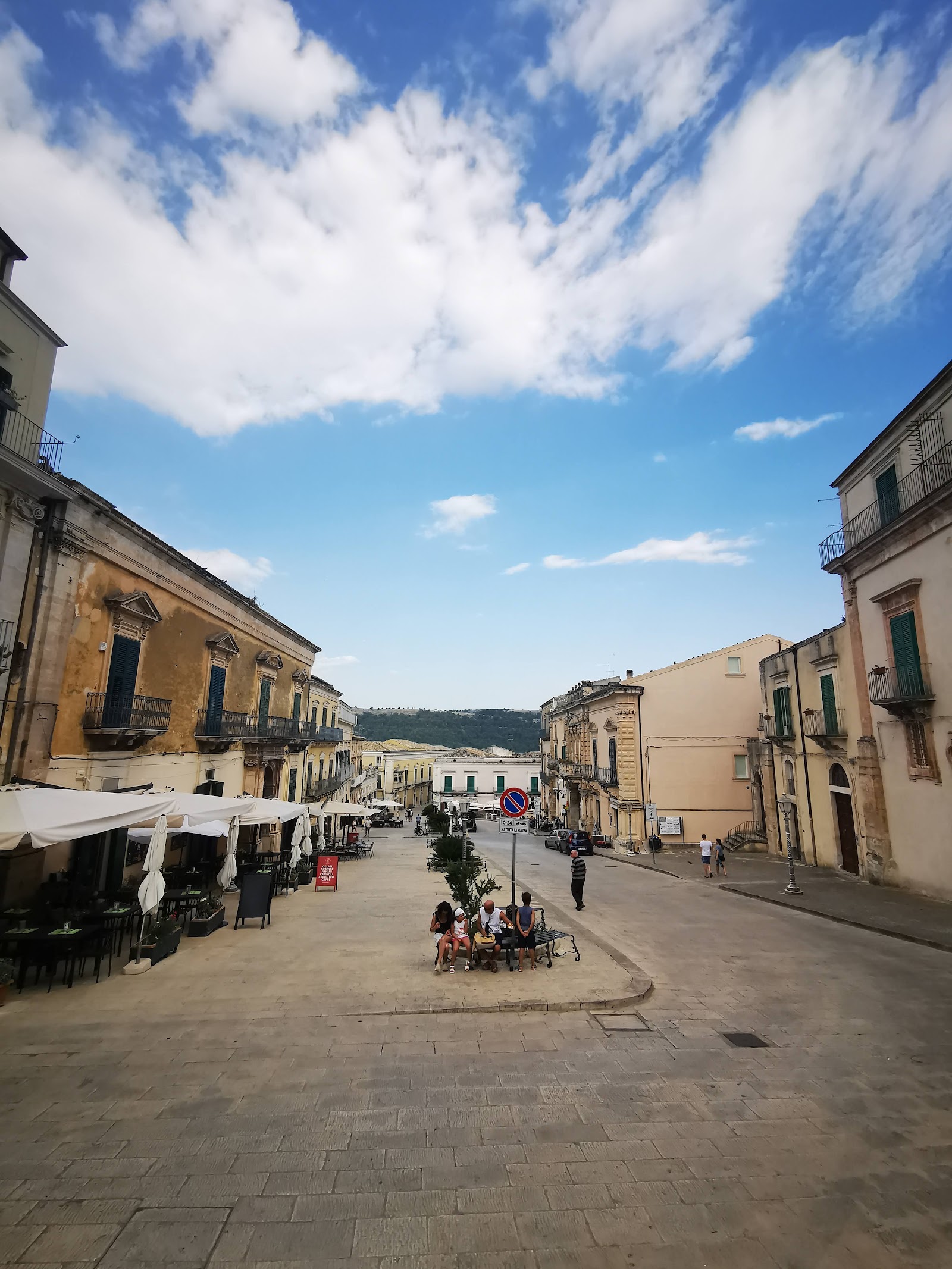
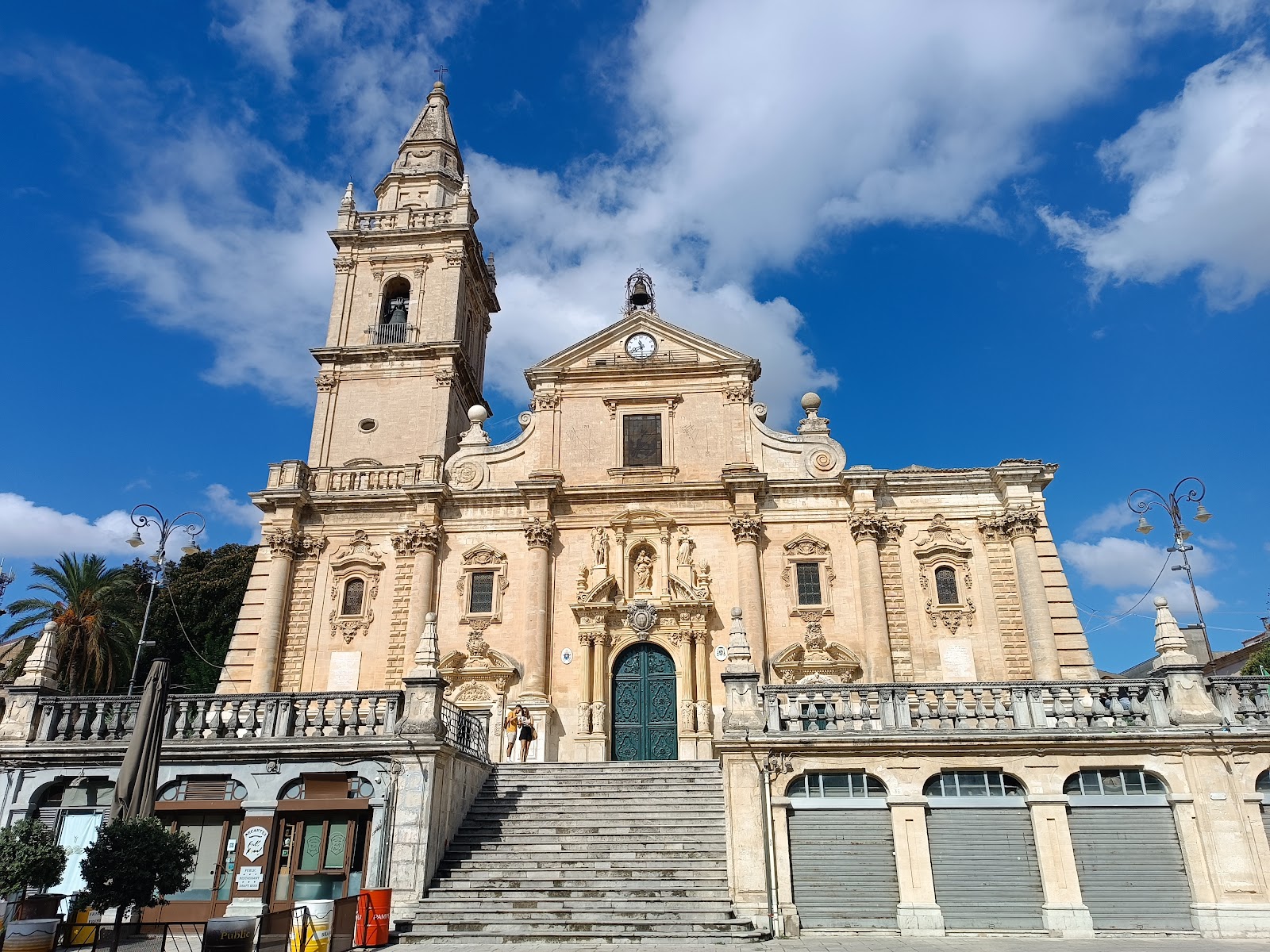
Regulars tend to time their arrival for mid-morning, when the Duomo di San Giorgio's facade catches direct sun and the piazza in front fills slowly rather than all at once. The mini carriage tour from the central square (€5) is worth it once, if only for the driver's commentary on Palazzo Cosentini's grotesque balcony carvings. The bell tower entry at €2 is the better spend over the nave terrace visit.
The story behind Ragusa Ibla (Ibla)
The ridge has been occupied since the second millennium BC, when Sicel people established a settlement here — later identified as Hybla Heraea. Arabs held it from 848 AD until the Normans arrived in the 11th century; in 1091, Count Roger founded the County of Ragusa for his son Godfrey.
The earthquake of 1693 destroyed much of the existing city. Where some residents relocated to build Ragusa Superiore on higher ground, others stayed and rebuilt Ibla on the same ridge. What rose from that reconstruction — largely in the first half of the 18th century — was shaped significantly by architect Rosario Gagliardi, whose influence is visible across the Val di Noto. The two cities remained administratively separate until 1926.
Good to know
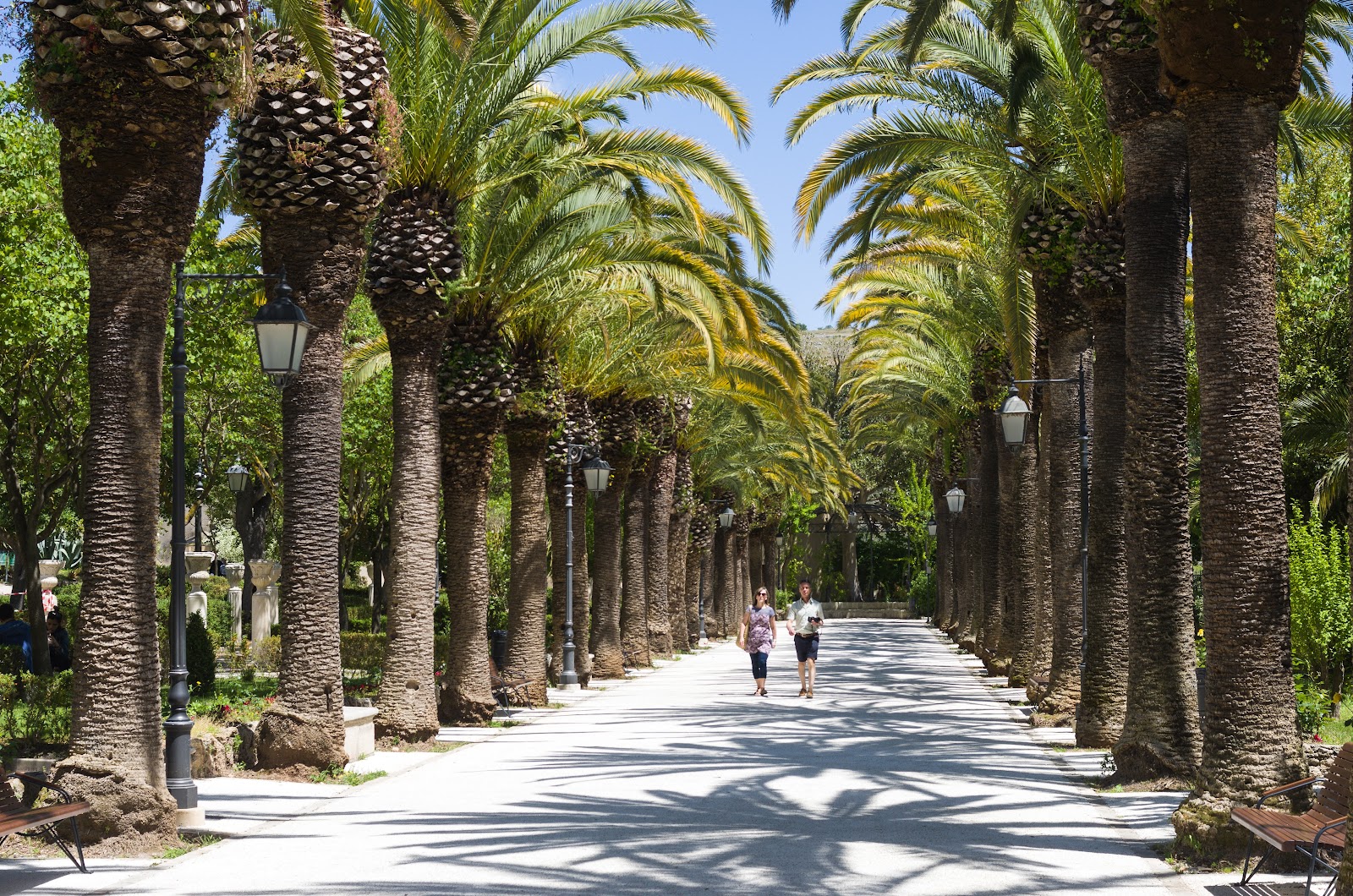
Bus lines 11 and 33 run Monday–Saturday from Ragusa Superiore; line 1 operates Sundays, with stops near Giardino Ibleo. A half day covers the main churches and squares comfortably; a full day lets you linger. The paid terrace overlooking the nave interior (€3) is widely considered not worth it.
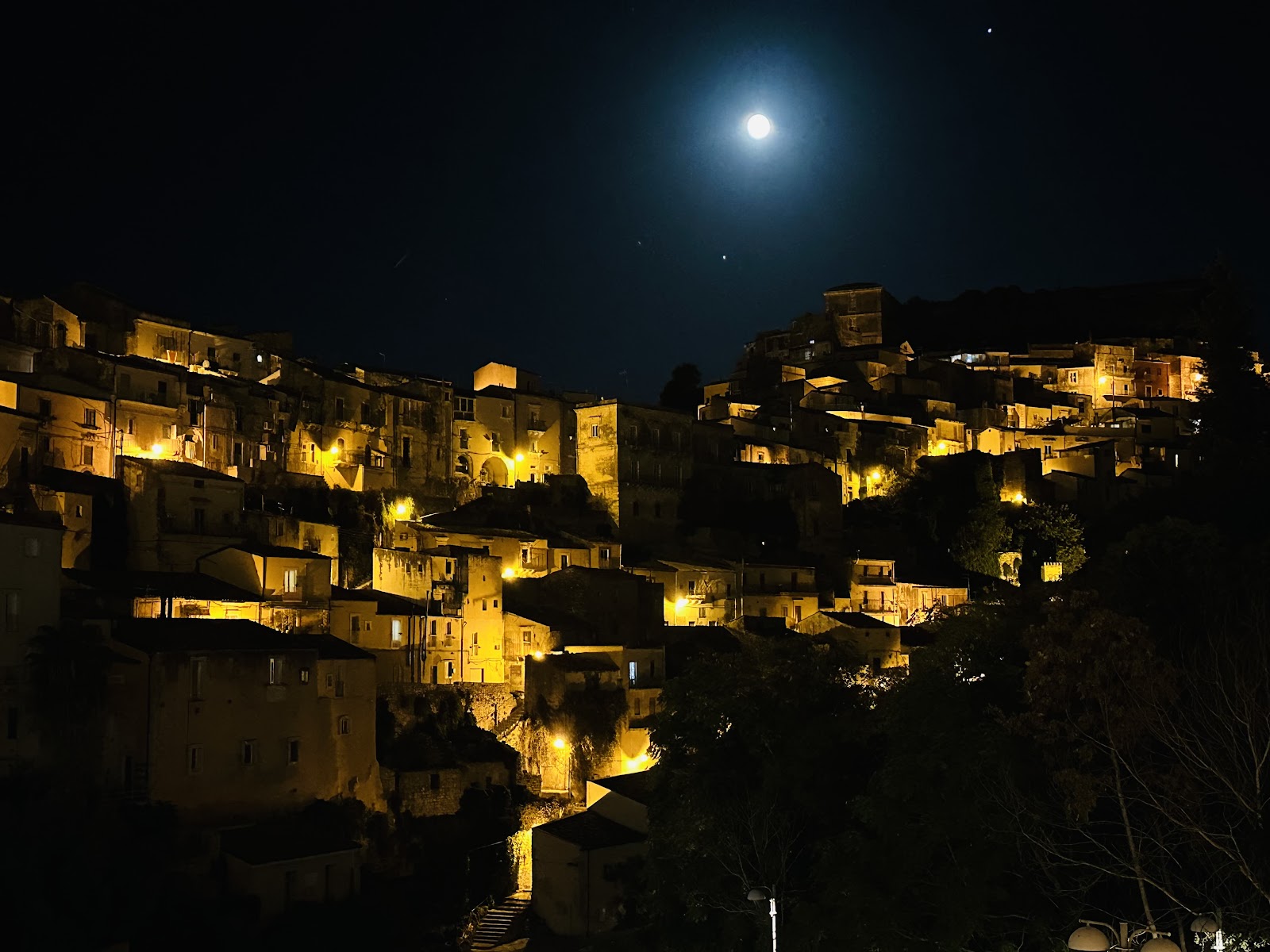
Summers run hot, with August highs around 31°C and warm nights that make evening walks through the streets genuinely pleasant. Spring and autumn are the most comfortable for walking the hills; February is mild by day but can dip to 8°C after dark, so a layer matters.
Where is Ragusa Ibla (Ibla)?
Location
- In Ragusa
- 36.9255, 14.7441
- Open in Google Maps
More tickets & tours for Ragusa Ibla (Ibla)
Book directly at the provider
More of Ragusa
Discover where to stay, what to do and the best deals for your trip.
Explore Ragusa →More attractions in Ragusa
All of Ragusa →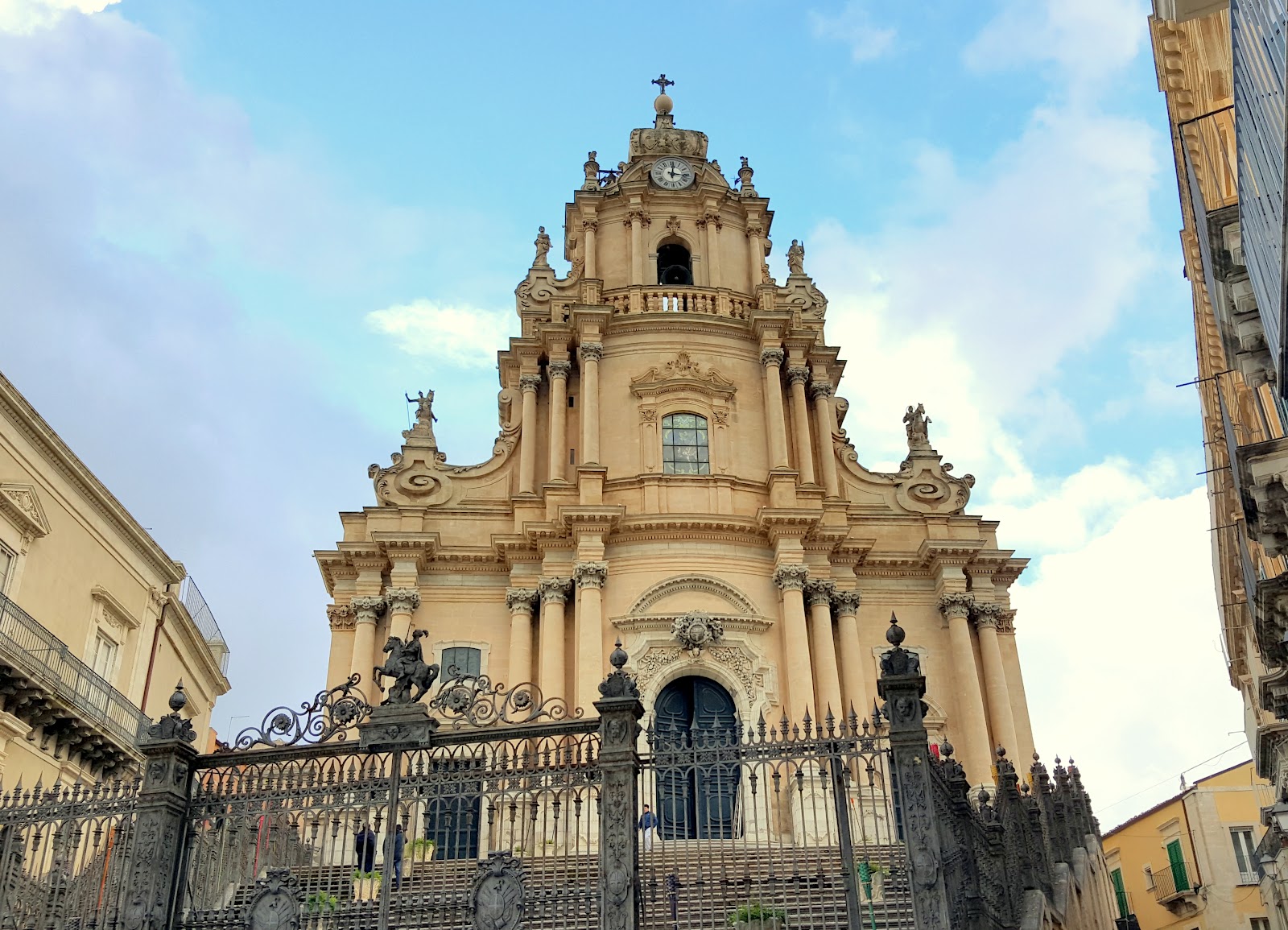
Background adapted from Wikipedia (CC BY-SA) · map data © OpenStreetMap contributors · ratings & place photos via Google · other photos with per-image credit. Ticket links may earn us a commission at no extra cost to you.