
Palazzo Zacco
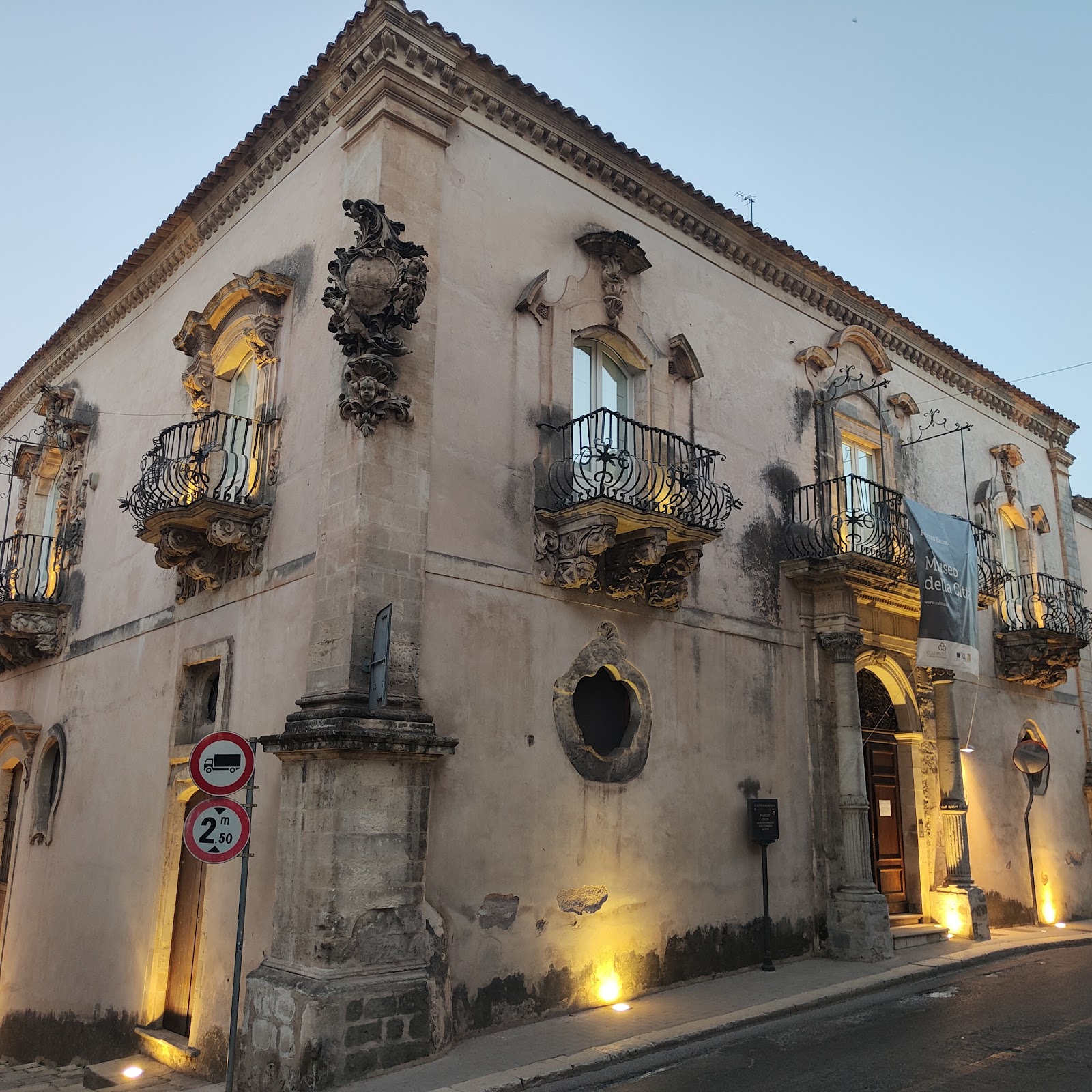
Stand at the corner of Via San Vito and Corso Vittorio Veneto and look up. On the main balcony of Palazzo Zacco, a carved figure plays maracas while a grotesque face below pulls a burlesque grimace at anyone passing by — a joke in stone that has been running since roughly 1750.
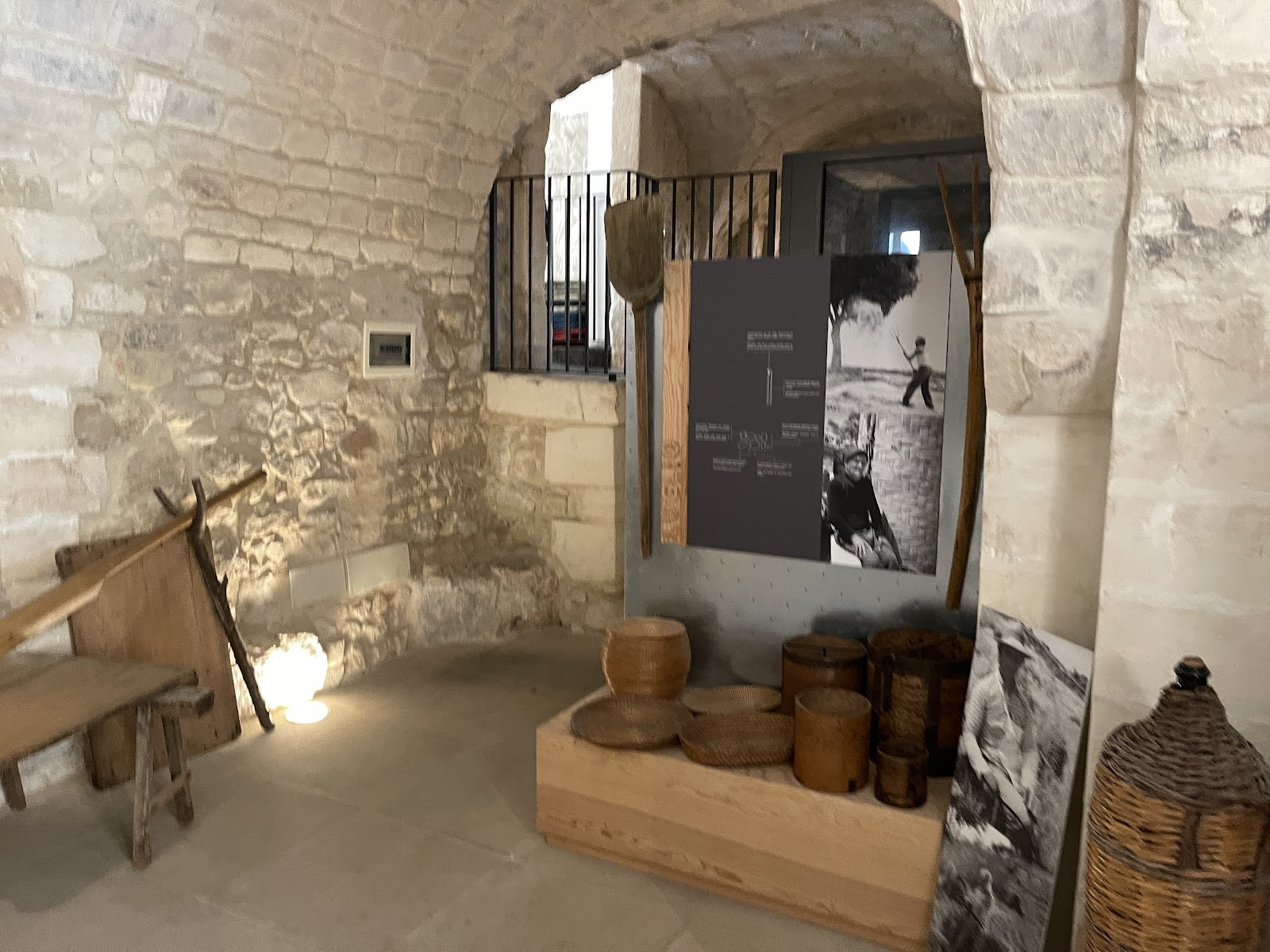
The palazzo is a late Baroque townhouse whose real show is its corbels: musicians, mermaids, and contorted faces holding up the wrought-iron balconies. Inside, two collections share the space — one tracing the tools of Sicilian peasant life, the other dedicated to sculptures and graphic works by local artist Carmelo Cappello.
💛 What travellers fall for
People who come back tend to linger on the side façade, where five consoles on the central balcony line up a mermaid alongside flute and trumpet players. It reads differently at different hours. A weekday late afternoon keeps the street quiet enough to actually look.
The story behind Palazzo Zacco
Baron Melfi di San Antonio built the palazzo around 1750 as a private townhouse, and the carving style of the window openings and balcony corbels places construction between 1750 and 1770. The building later passed to the Zacco family, who renamed it after themselves — standard practice among Sicilian noble families of the period.
The palazzo is part of the late Baroque ensemble of the Val di Noto that earned UNESCO World Heritage recognition. Its interior now holds the Museum of the Peasant Era, documenting plowing, bread-making, cheese-making and textile work, alongside the Carmelo Cappello Civic Collection of fifteen sculptures and twenty graphic works.
Good to know
Entry is free. Hours shift seasonally, so check before you go. The palazzo sits in Ragusa Ibla on a corner you will pass naturally on foot — no detour required. Parking is limited in Ibla; arrive by bus or walk down from Ragusa Superiore.
Where is Palazzo Zacco?
More tickets & tours for Palazzo Zacco
Book directly at the provider
What travellers say about Palazzo Zacco
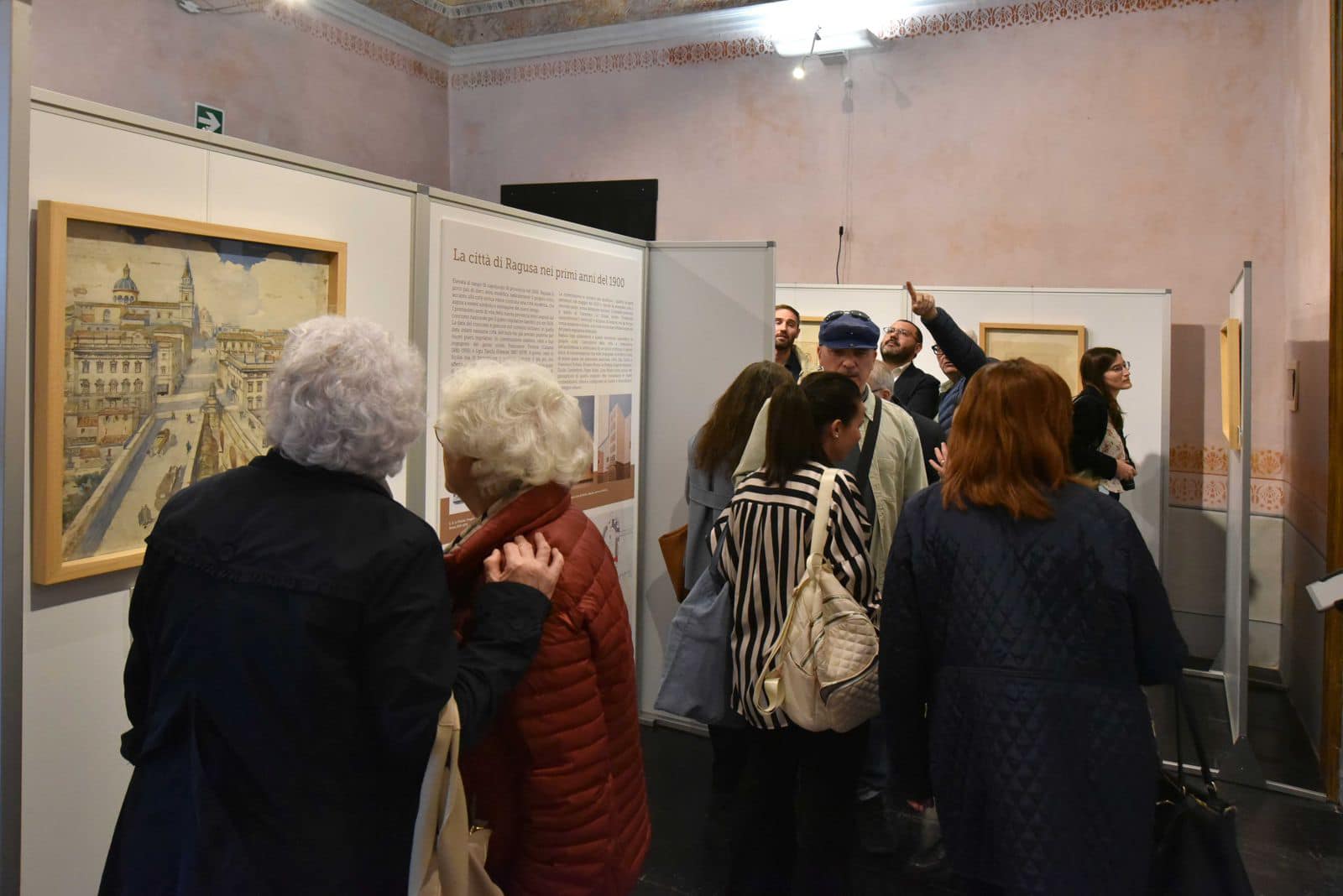
A lovely surprise. Free entry, about the history of the town through drawings and photos. Very informative and well presented. In Italian but with qr codes and tablets throughout with translations. Very enjoyable, we recommend.
Free entry, and a lovely visit. There are tools from olden days on display. There are interactive devices and language options. I especially appreciated the photography display of Ragusa in black and while upstairs.
Interesting plenty for children to do and play with.
Interesting focus on the growth of Ragusa. Free, friendly attendants.
Underwhelming. Be nice if they had an English section, and staff that didn't follow you around like you a thief.
More of Ragusa
Discover where to stay, what to do and the best deals for your trip.
Explore Ragusa →More attractions in Ragusa
All of Ragusa →
Background adapted from Wikipedia (CC BY-SA) · map data © OpenStreetMap contributors · ratings & place photos via Google · other photos with per-image credit. Ticket links may earn us a commission at no extra cost to you.