
Ragusa
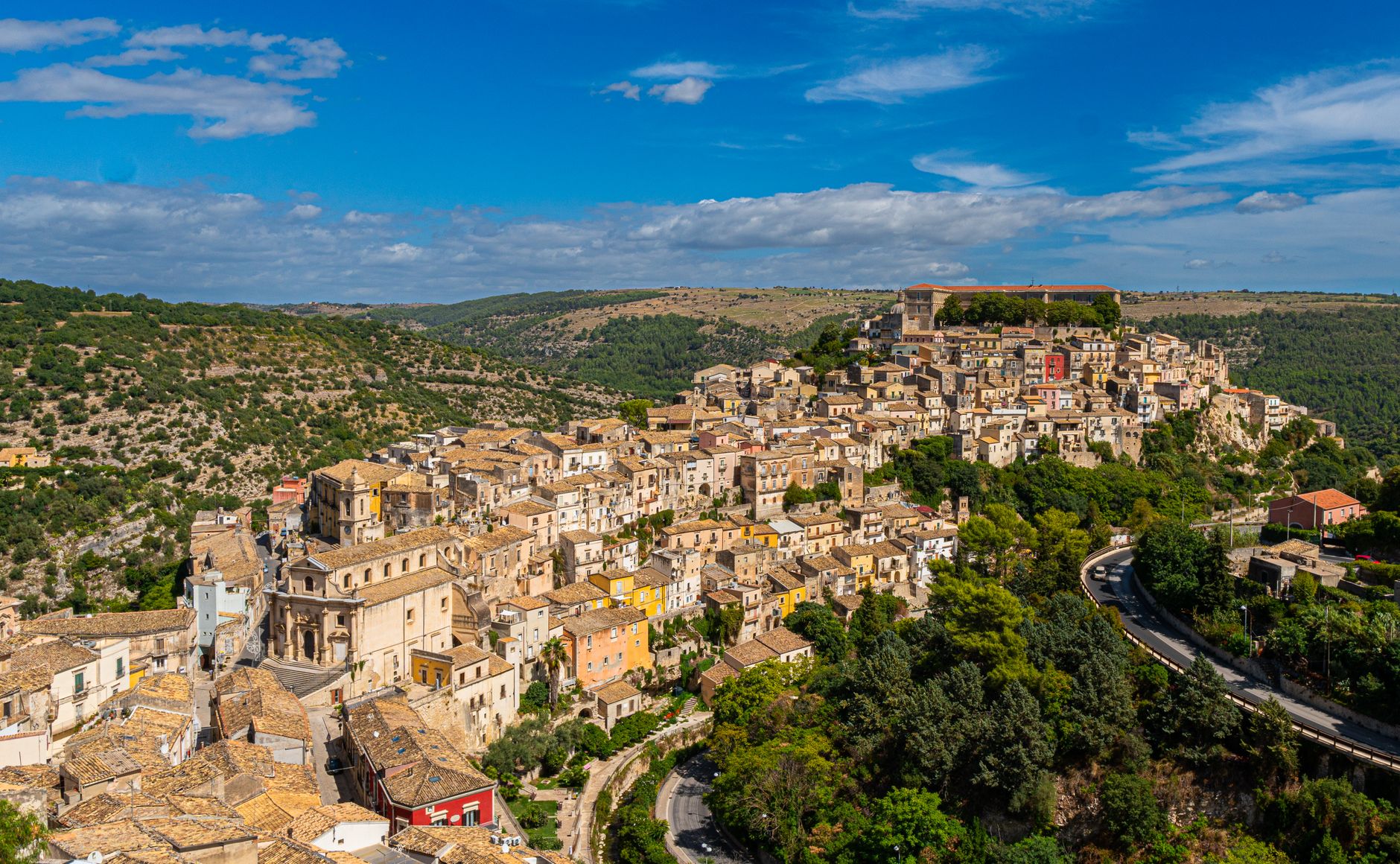
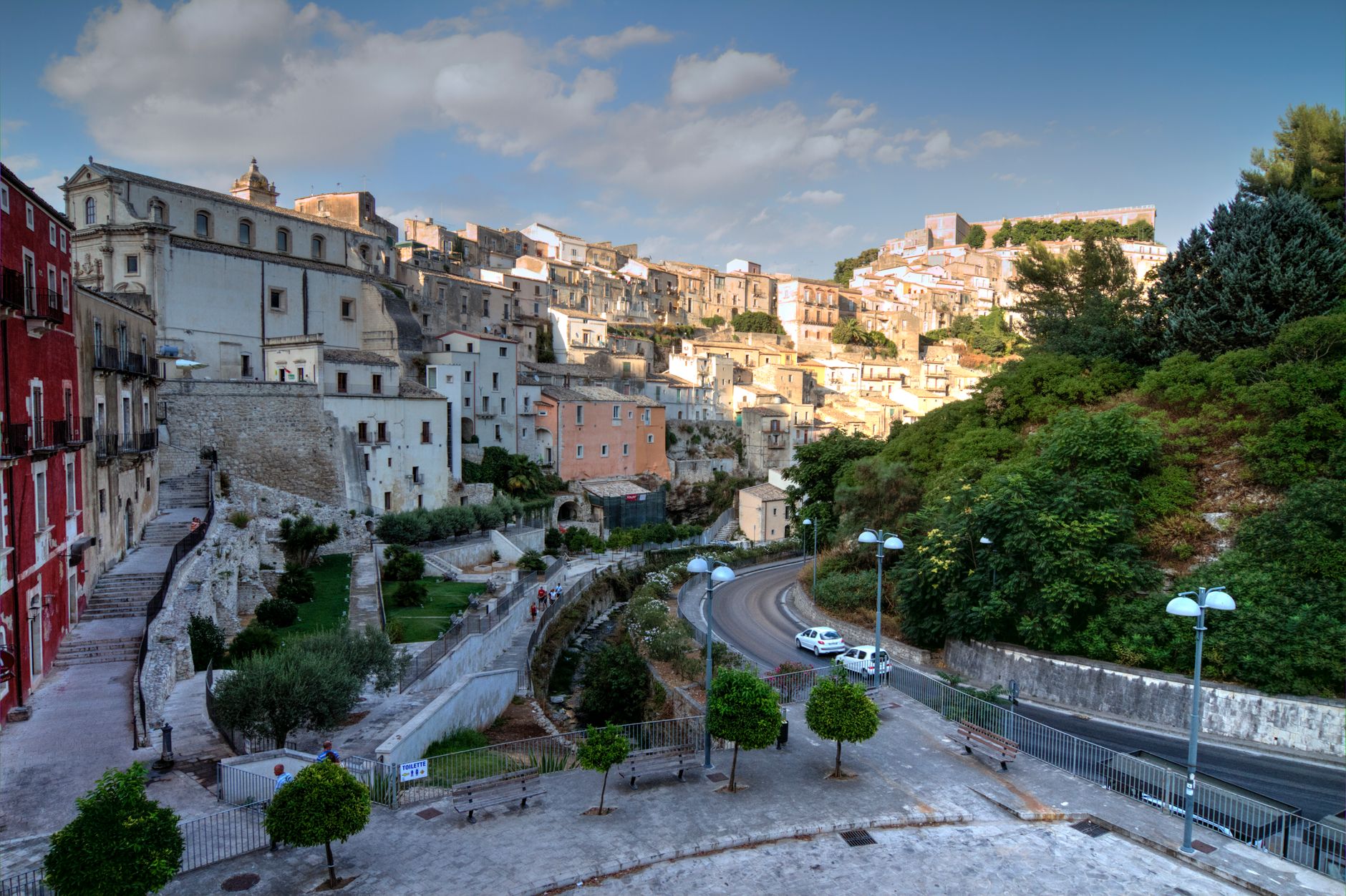
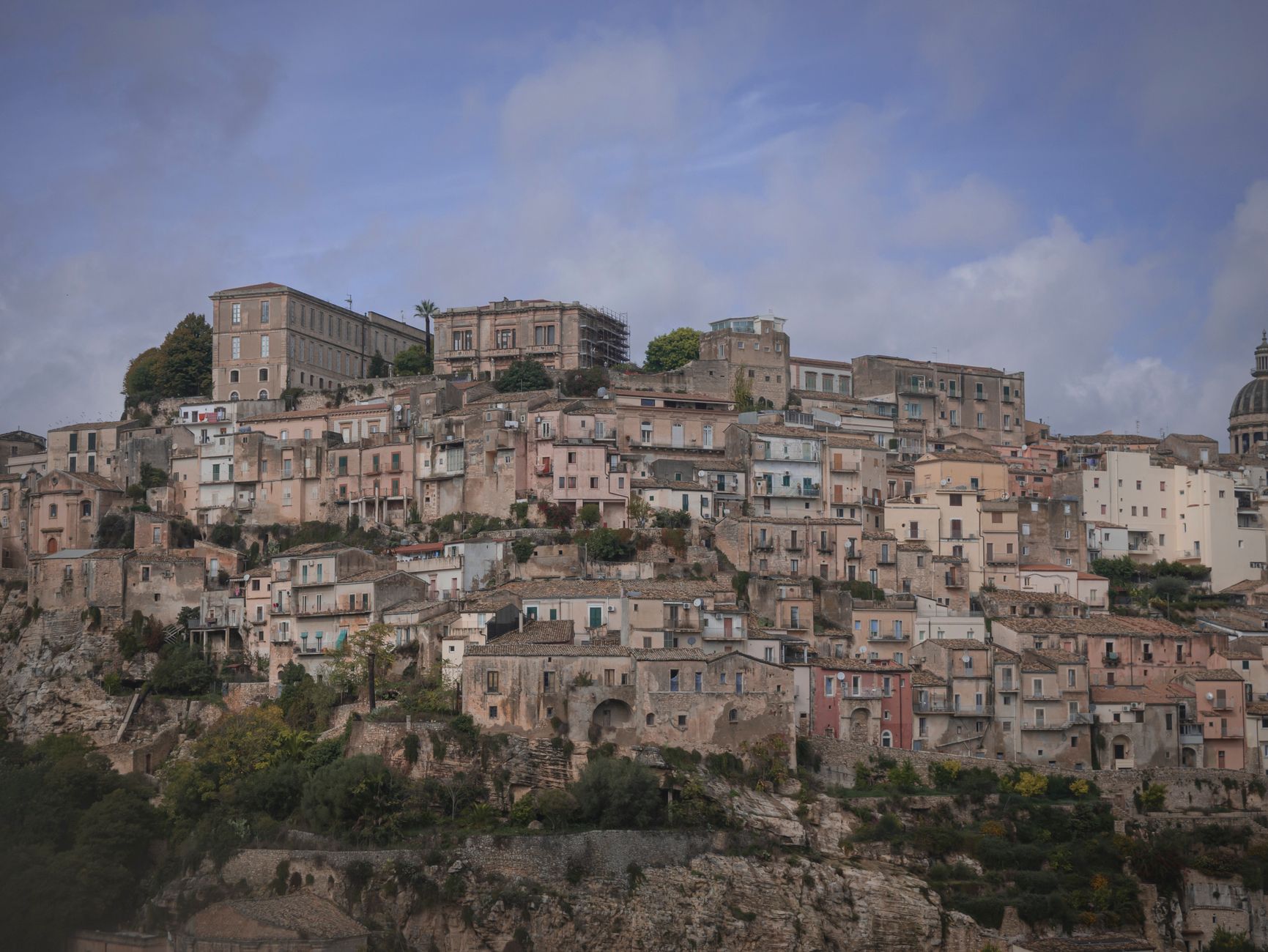
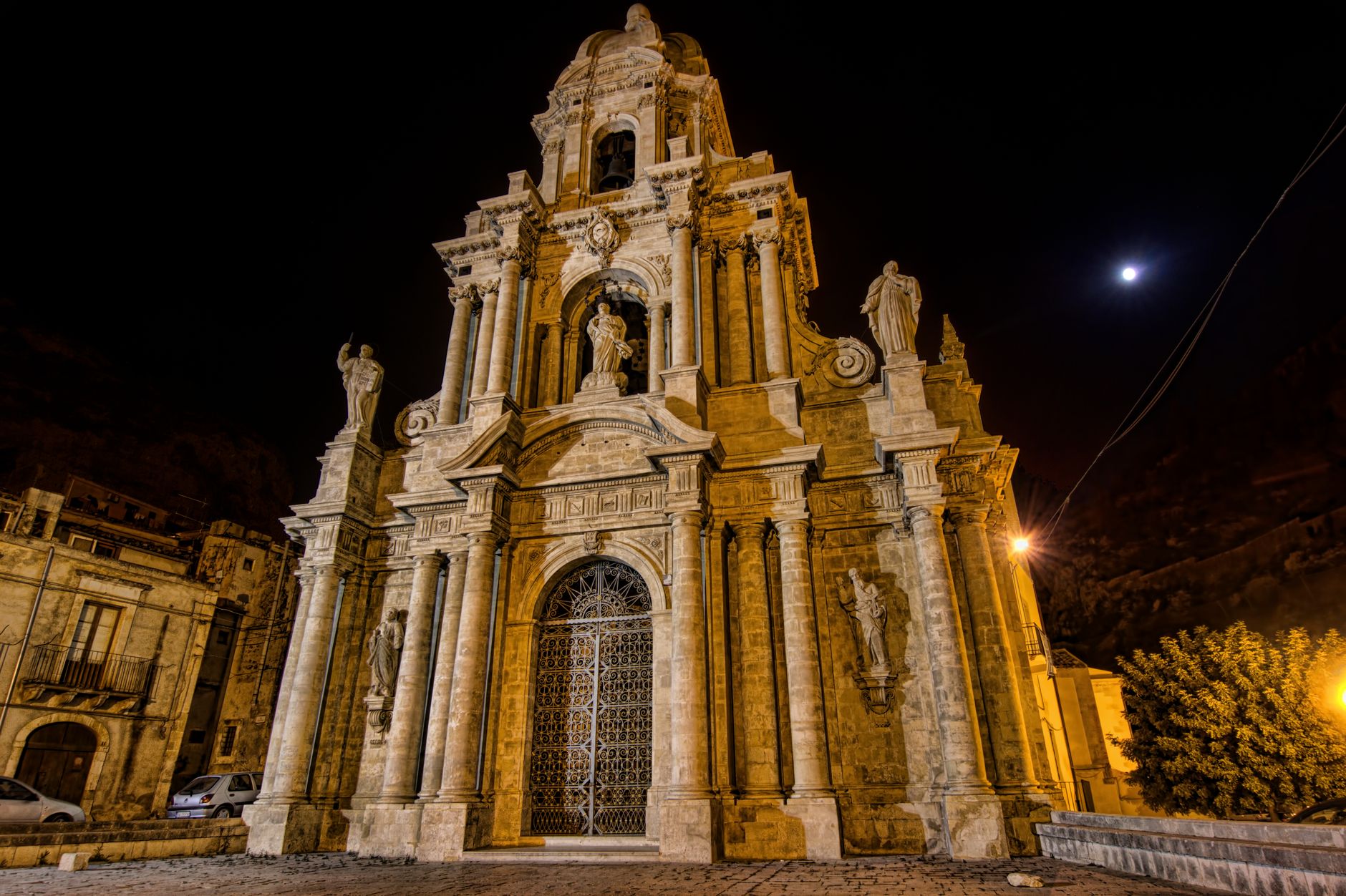
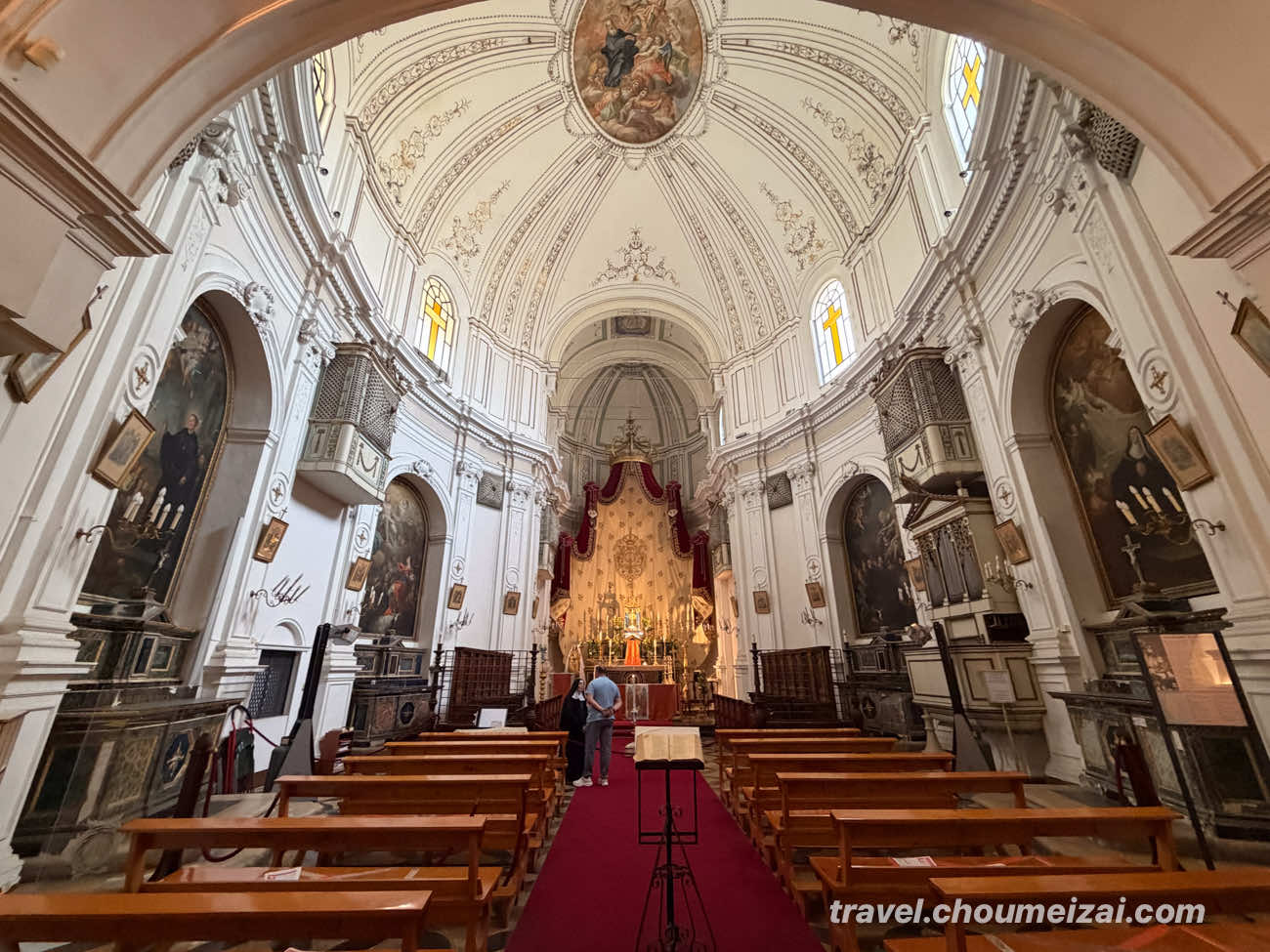
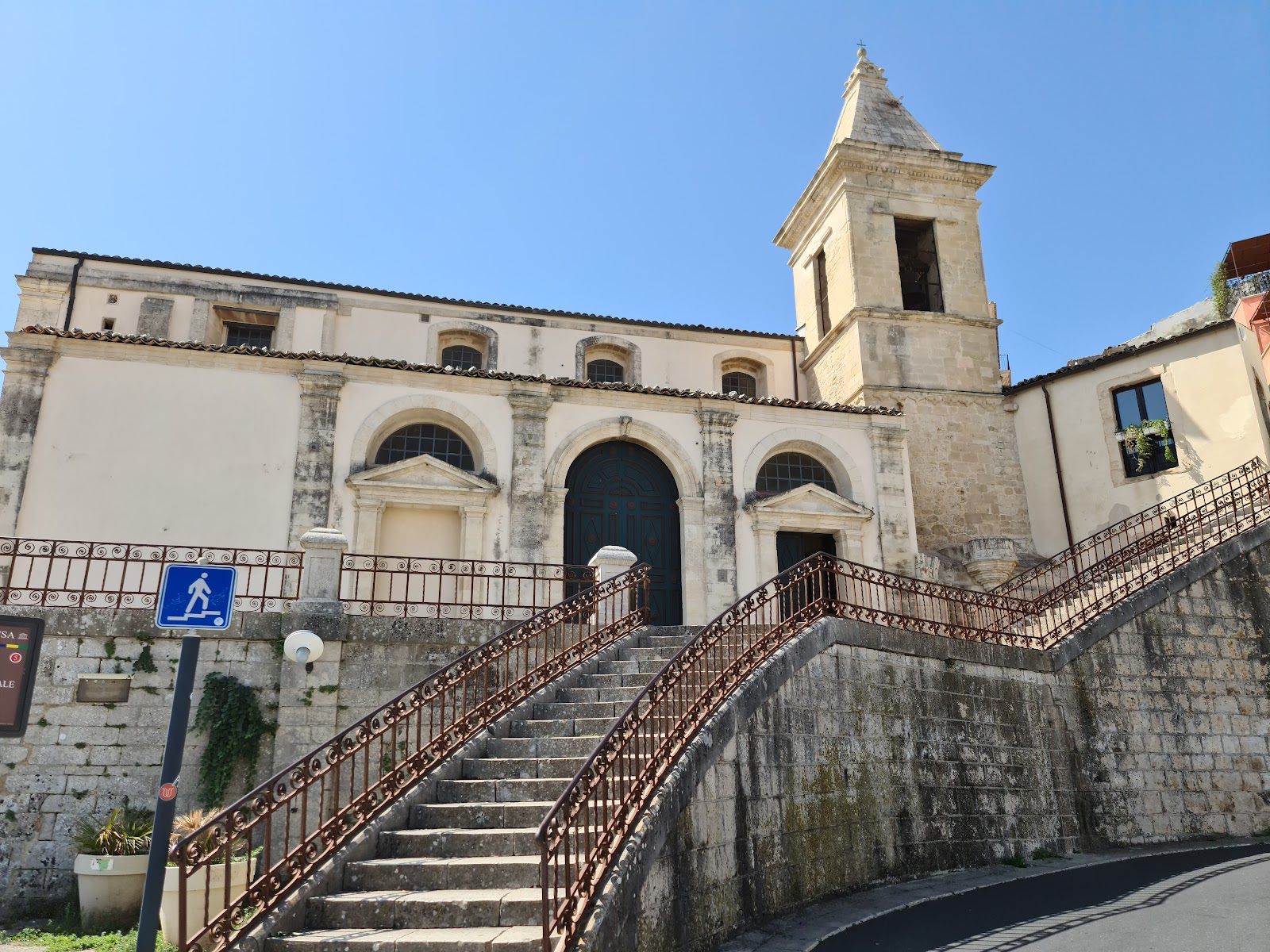
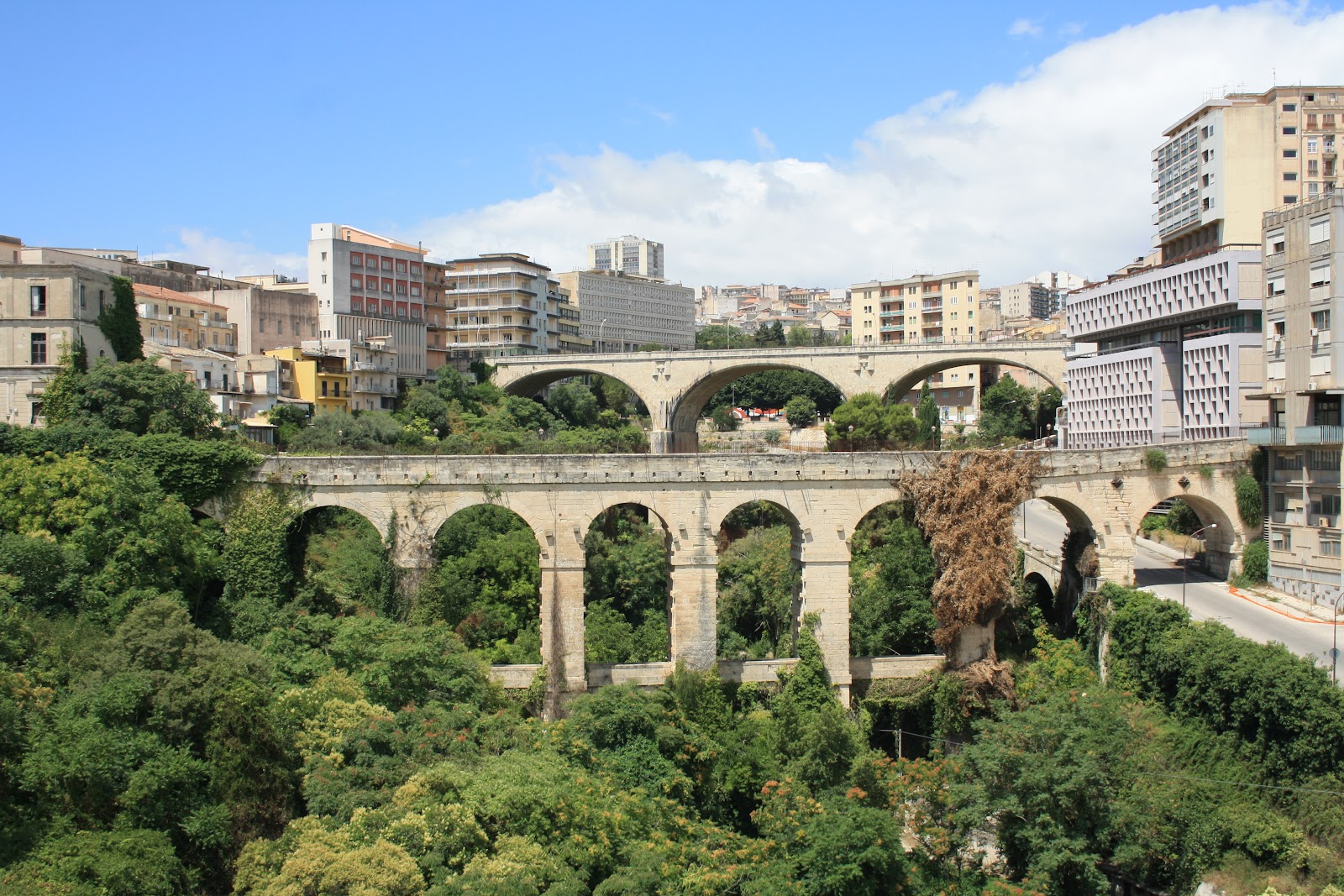
Ragusa is two cities in one, separated by a limestone ridge and three centuries of argument about how to rebuild after catastrophe. The 1693 earthquake that killed around five thousand people split the survivors: some moved uphill to new Ragusa Superiore, others stayed in the rubble of the ancient quarter, now called Ragusa Ibla, and raised it again in Baroque stone. The result is a city where you can stand at Santa Maria delle Scale — half Gothic, half Baroque, the seam of the earthquake still visible in its walls — and see both decisions at once.
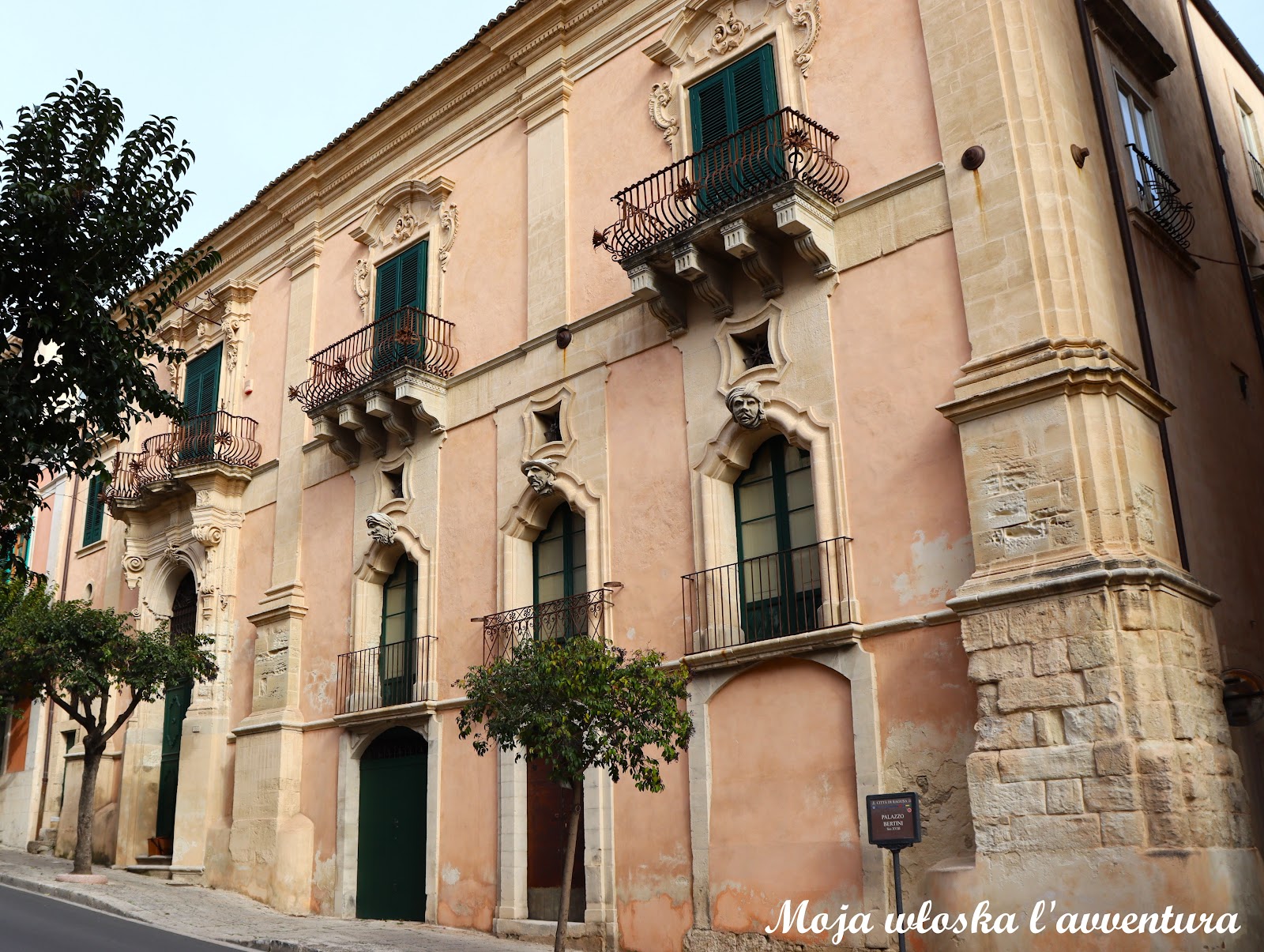
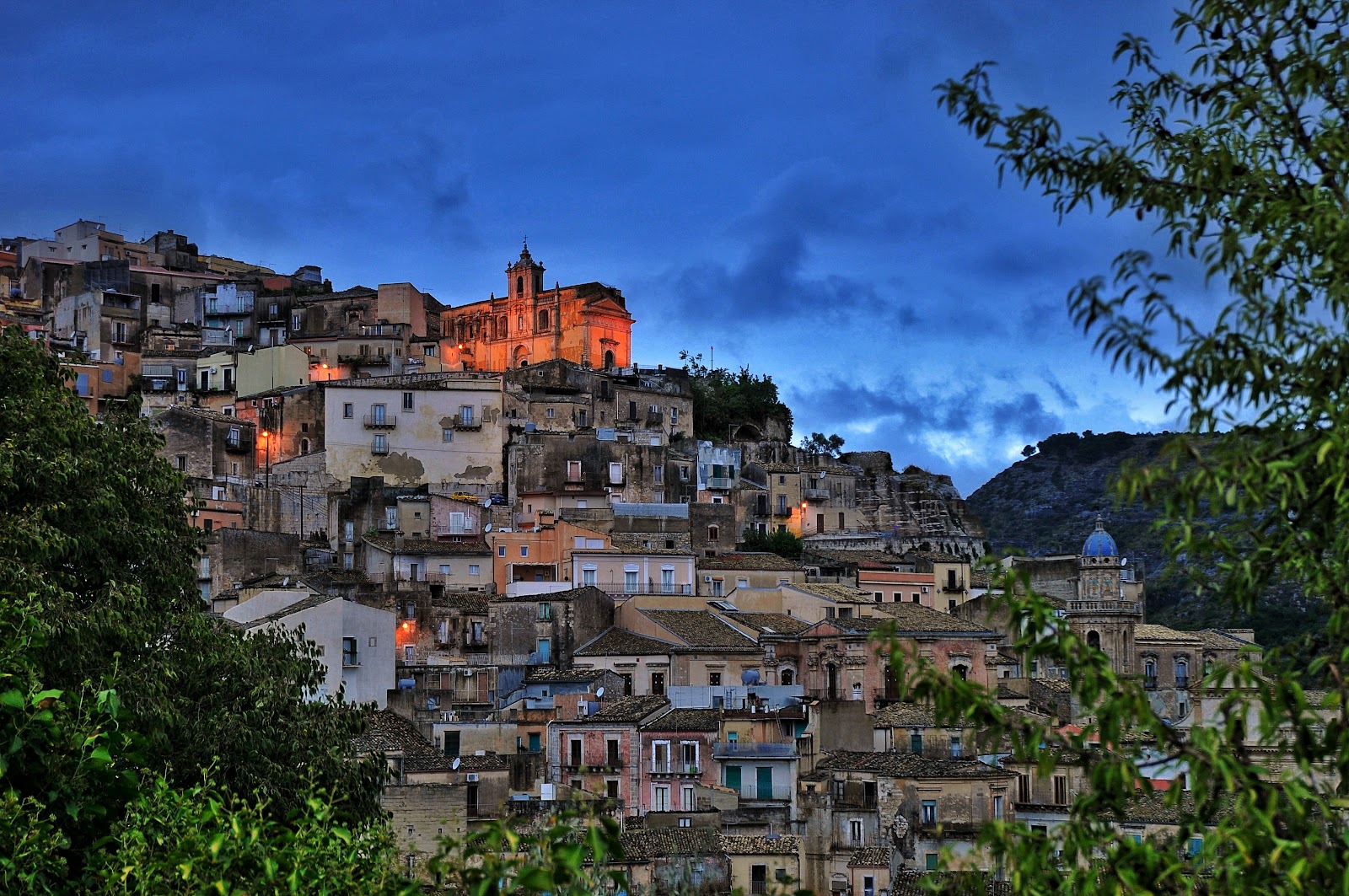
Ragusa Ibla is the older, slower half, a promontory of honey-coloured churches and overgrown gardens. Ragusa Superiore is the civic, workaday town above. Neither is quite complete without the other.
💛 What travellers fall for
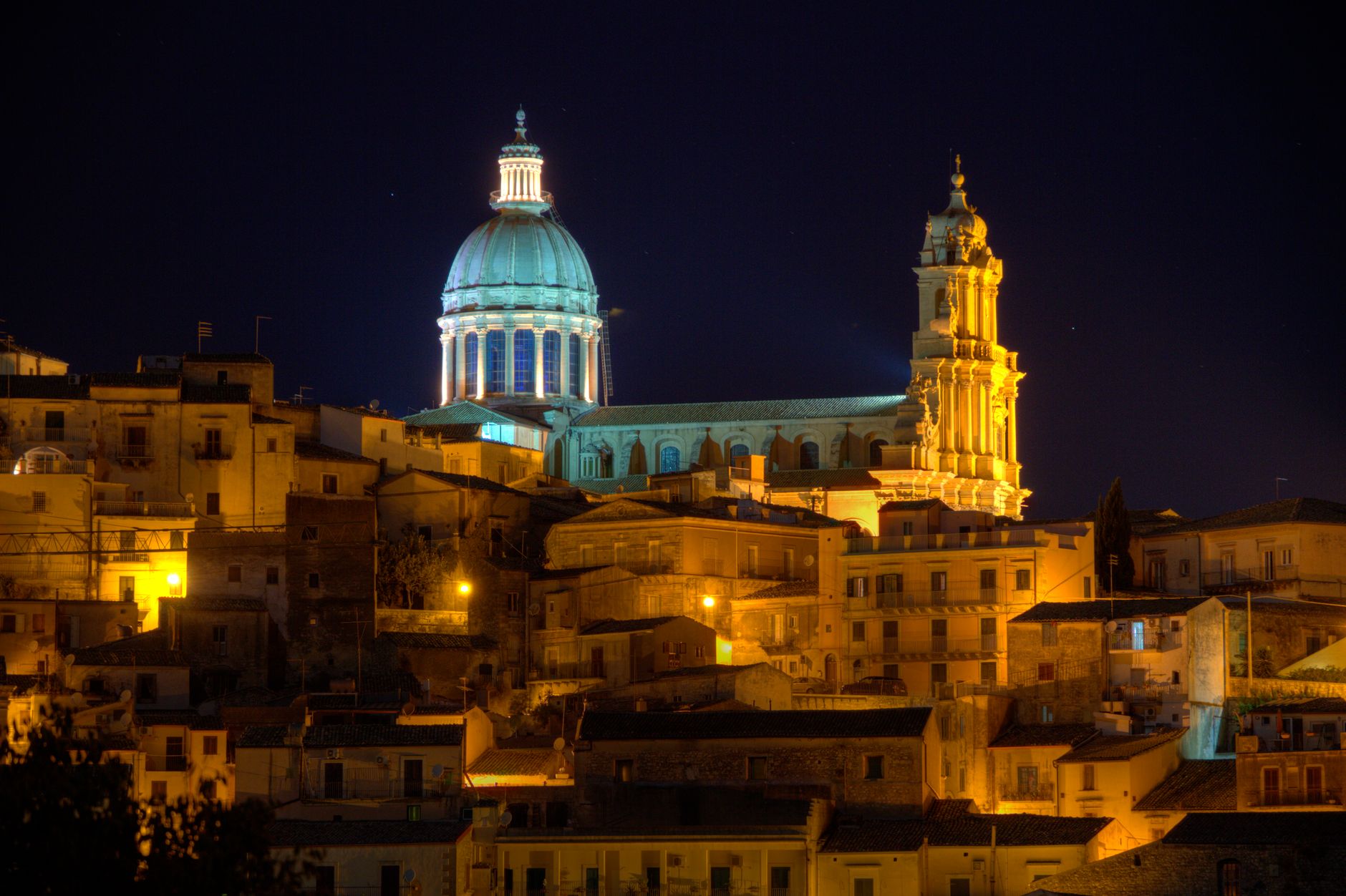
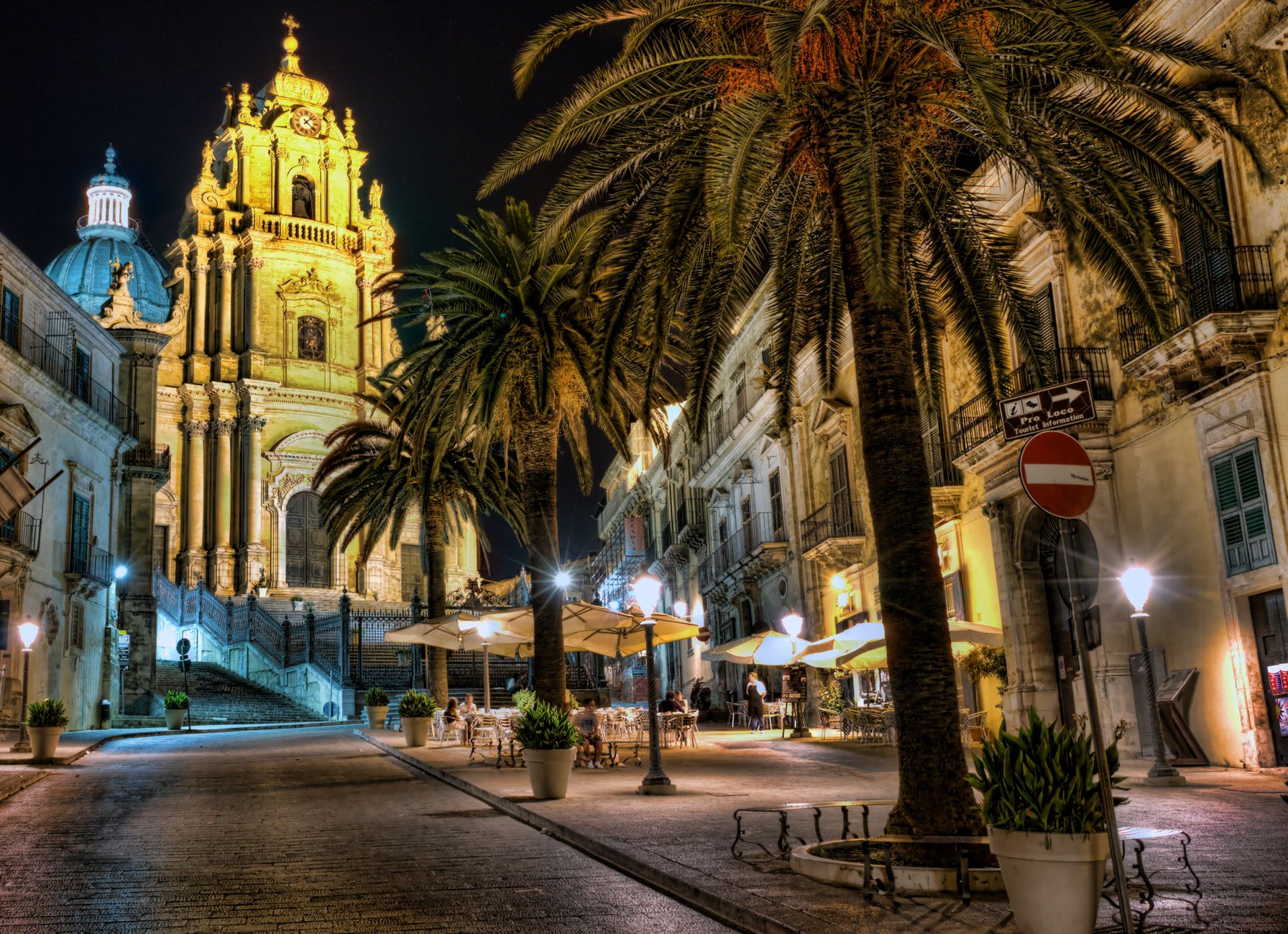
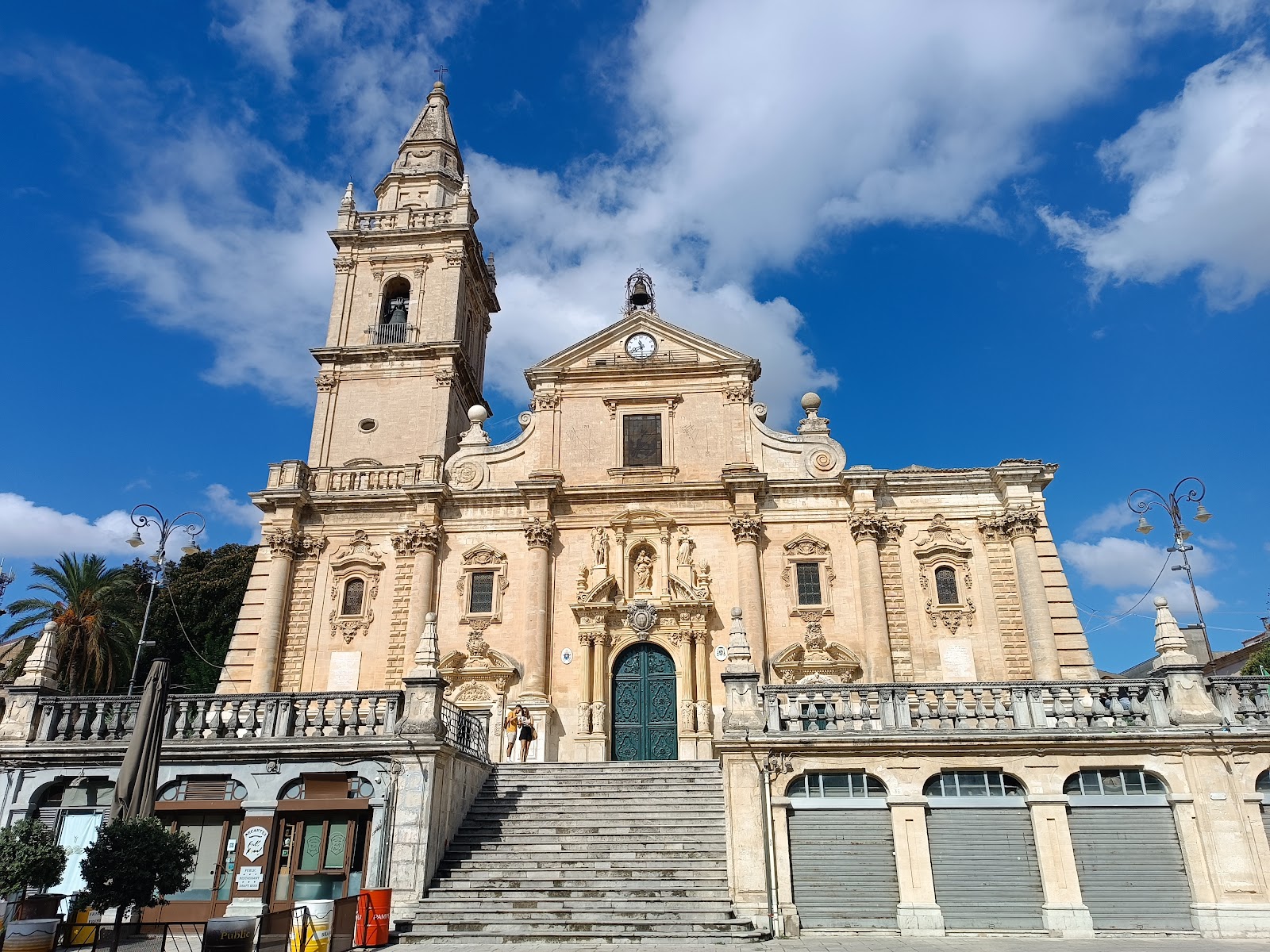
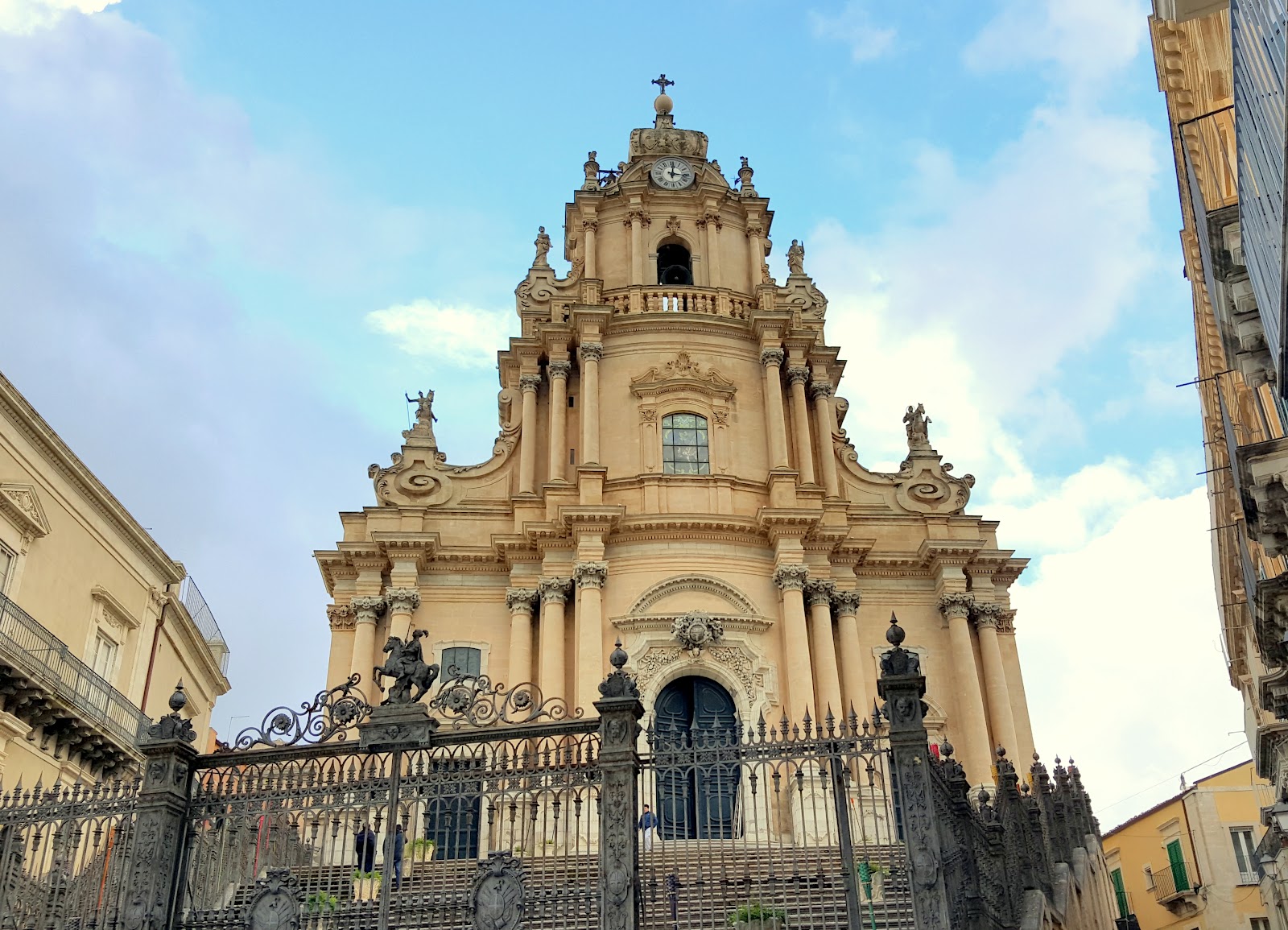
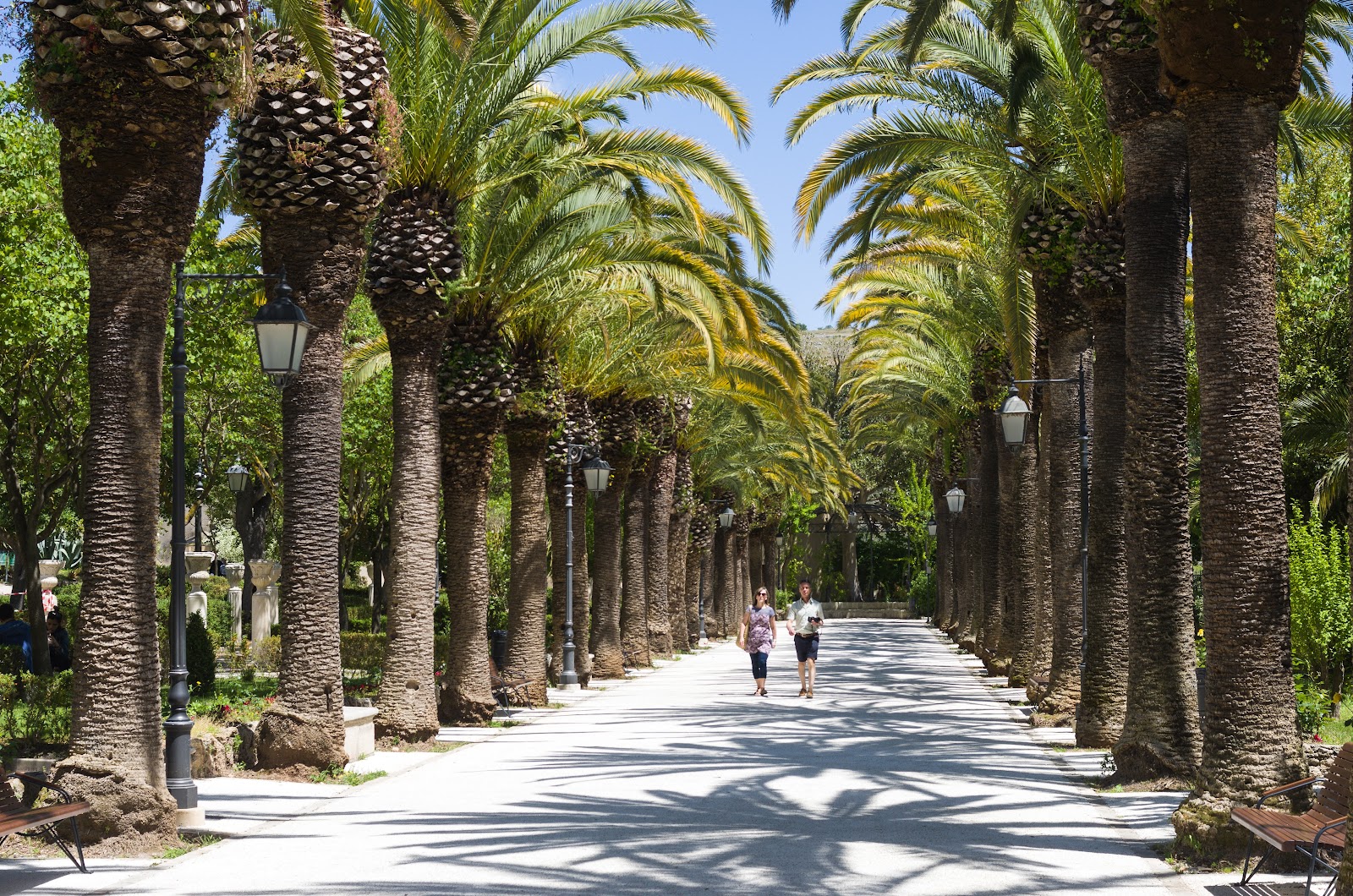
People who come back tend to say the same thing: go to Ragusa Ibla first, on foot, and leave the Hyblean Garden for late afternoon when the light catches the three church façades below. The 54 steps up to San Giorgio are worth it twice — once to look at Gagliardi's tiered columns, once to look back down.
Deals in Ragusa
Book directly at the provider

How Ragusa came to be
Ragusa's roots go back to the second millennium BC, when Sicels settled the plateau and called it Hybla Heraea. Arabs held it from 848 AD until the Normans arrived in the eleventh century; Geoffrey, son of Count Ruggero of Sicily, became its first Norman count. The city was absorbed into the County of Modica in 1296 and remained in that orbit for centuries.
The earthquake of 1693 reset everything. The disaster was so complete that it effectively produced two separate towns: Ragusa Superiore, rebuilt on a new grid in full Baroque ambition, and Ragusa Ibla, reconstructed on the ancient footprint by architects including Rosario Gagliardi. They remained administratively distinct until 1926. In 2002, the historic centre was inscribed as a UNESCO World Heritage Site alongside seven other Val di Noto towns — recognition of what grief and stone can build together.
Who and what shaped it
People who shaped it
Landmark buildings
See Ragusa in motion
Plan your visit
On the map
When to go
Spring (April to June) and early autumn (September to October) are the most comfortable seasons — warm enough to walk both quarters without effort, cool enough to climb 242 steps without regret. July and August are hot and dry; the stone radiates heat well into the evening.
Right now
↡ Attractions

Background & history adapted from Wikipedia (CC BY-SA) · specs from Wikidata (CC0) · weather from Open-Meteo · map data © OpenStreetMap contributors · photos from Wikimedia Commons / Unsplash with per-image credit. No third-party reviews or social posts reproduced.