
Piazza Trento e Trieste
Look down before you look up. The pavement of Piazza Trento e Trieste is set with medieval merchant marks — the personal signatures that wool traders pressed into documents and bales in the fifteenth century, now cast into the stone beneath your feet. The square has always been a place of transaction and assembly, first as the Pratum Magnum, the great meadow where the city's market and the feast of San Giovanni Battista drew traders and livestock for centuries.
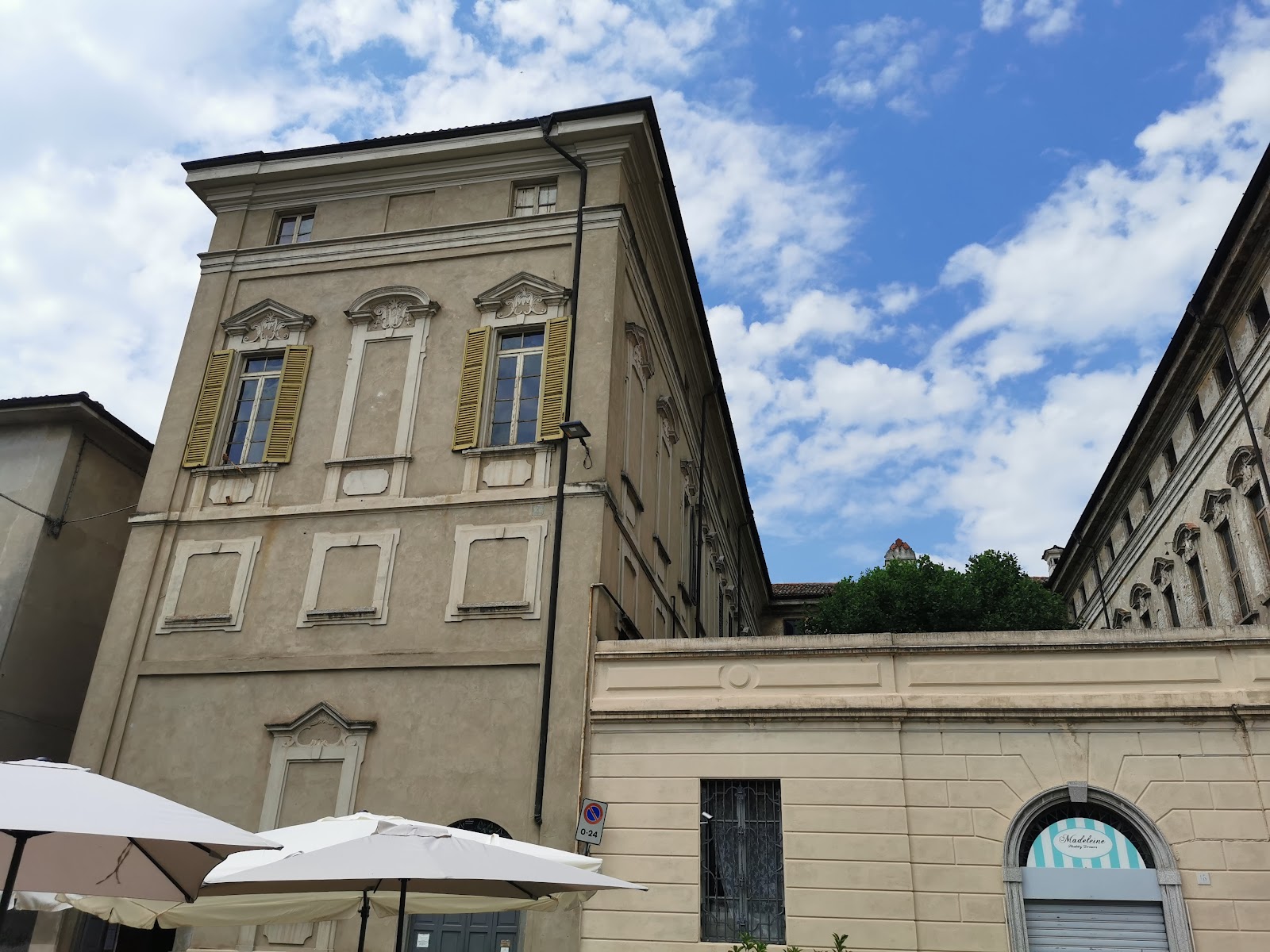
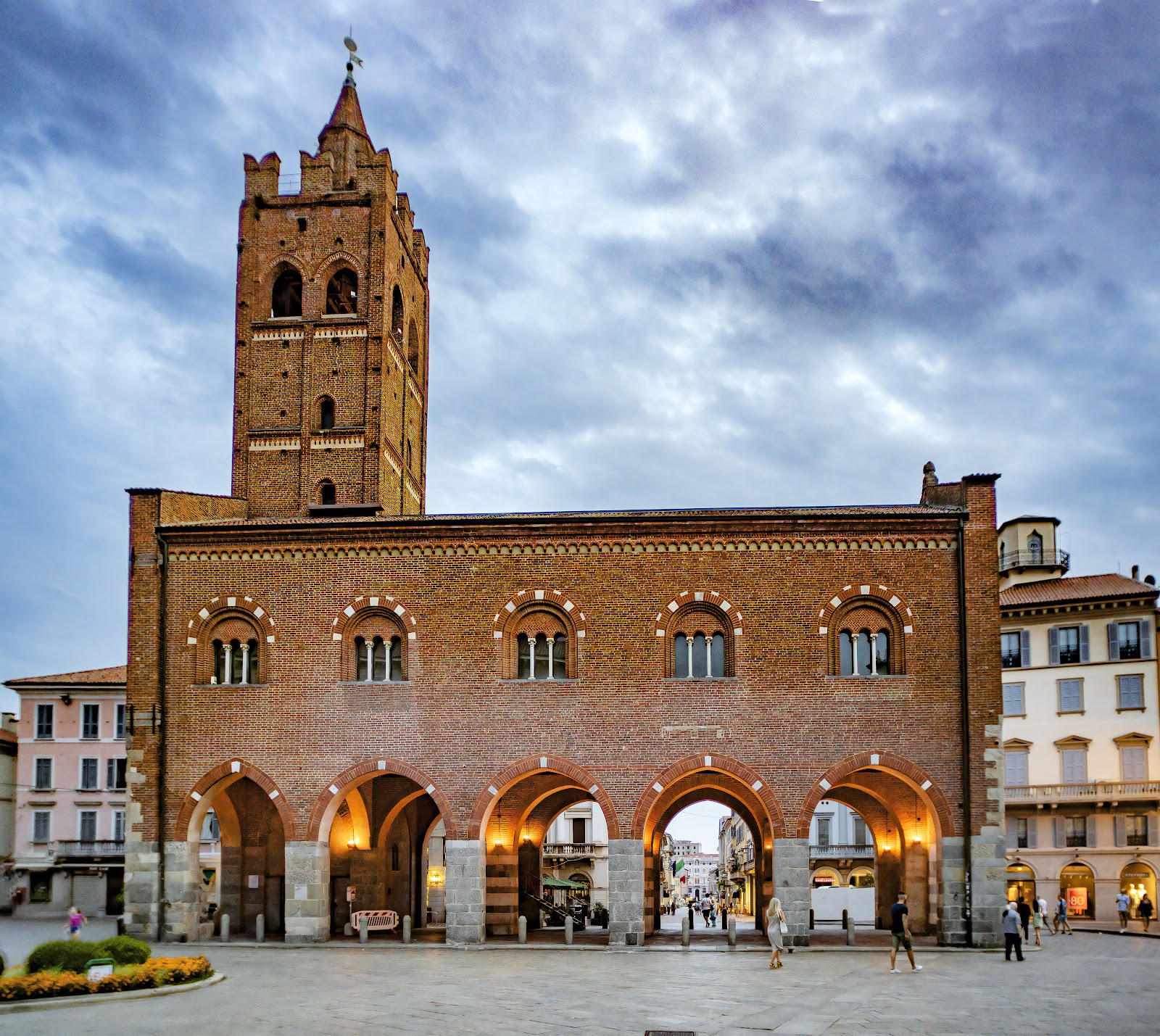
The current shape — broad, rectangular, largely car-free — came out of a 1925 plan to give Monza a proper civic stage. What emerged is a square anchored by the Municipio on one side and the war memorial on another, with the former seminary closing a third edge. The 2005–2009 repaving tied the threads together, embedding the merchant marks and raising metal portals modelled on the wooden frames once used to dry stretched wool cloth.
💛 What travellers fall for
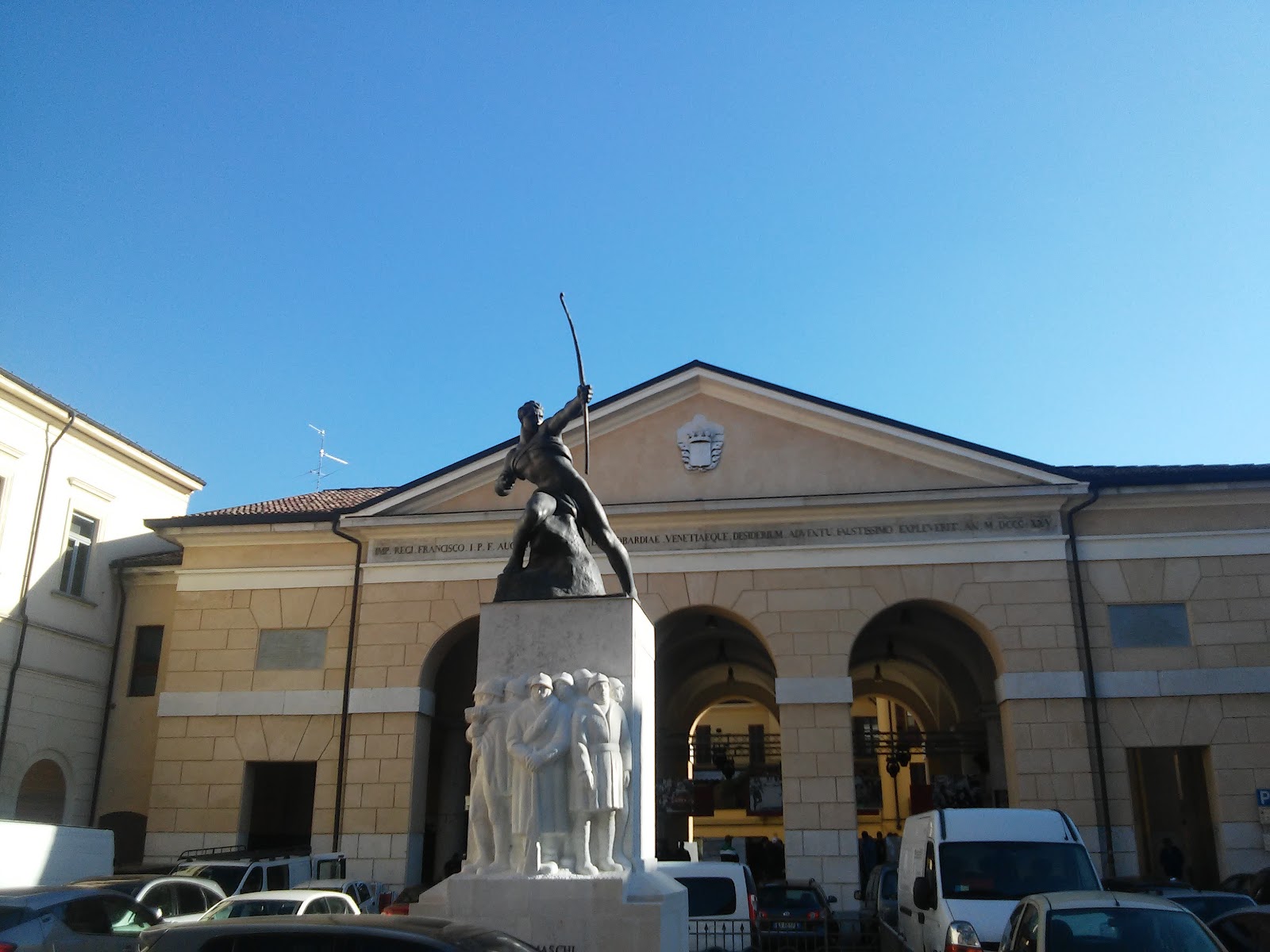
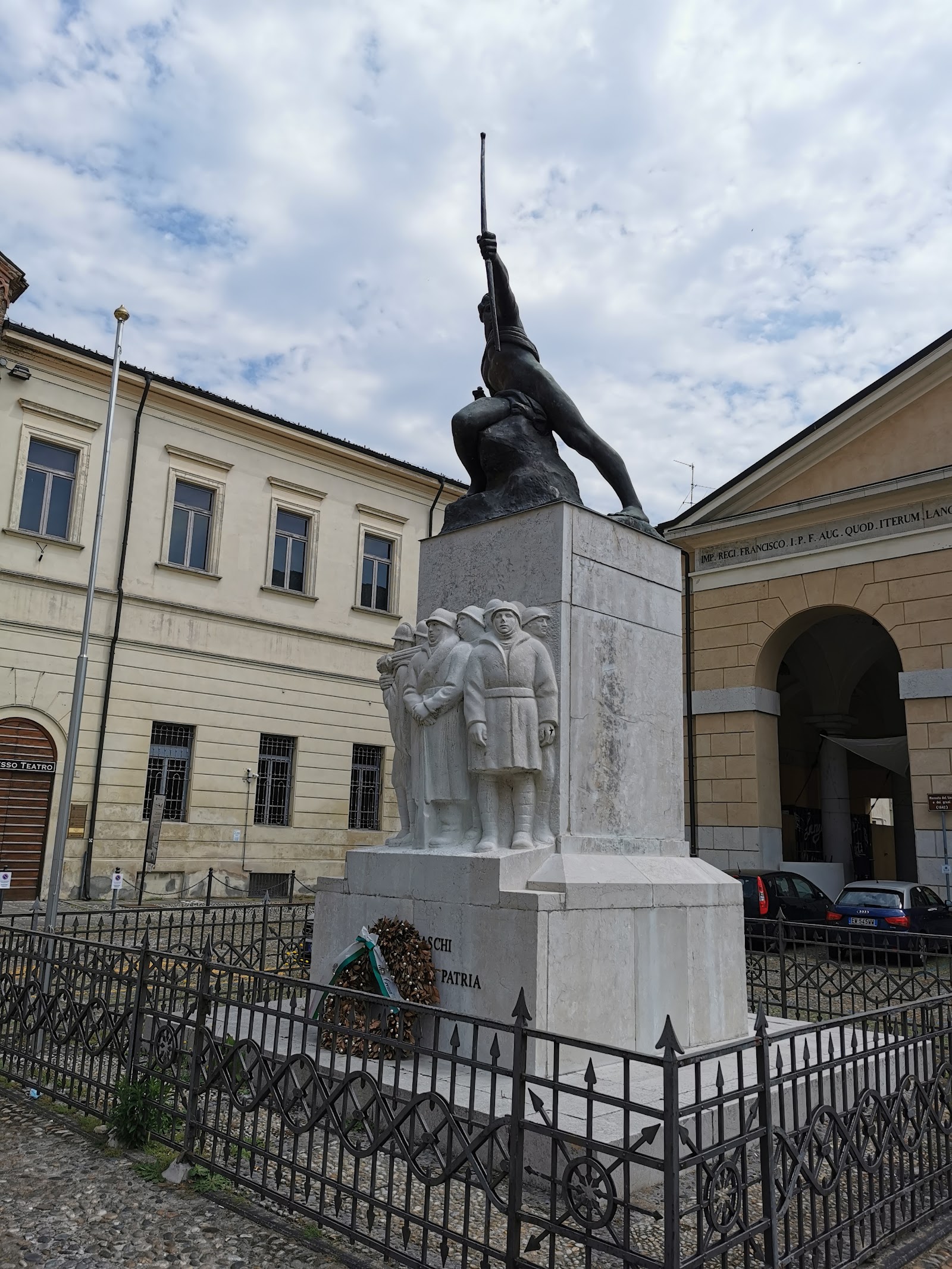
People who spend time here tend to walk the perimeter of the Monumento ai Caduti slowly enough to read names. The base is Tolmezzo stone, gray-pink, and a staircase leads down into a small chapel where vessels hold sand and water from the Piave River. It's a quiet detail most visitors walk past.
The story behind Piazza Trento e Trieste
The square occupies the footprint of the Pratum Magnum, Monza's medieval market ground, where the annual fair tied to the feast of San Giovanni Battista brought merchants, wool traders and livestock into the city center for generations. In March 1848 it became a flashpoint: during the Quattro Giornate di Monza — four days of insurrection against Austrian rule, running parallel to Milan's Cinque Giornate — crowds gathered here as part of the broader Risorgimento movement.
The square's modern form dates to a 1925 urban plan. Architect Augusto Brusconi designed the Municipio in 1926; he died before it was finished, and engineer Giovanni Sacchi completed it in 1937. The Monument to the Fallen, a bronze group by sculptor Enrico Pancera titled "Assault Wave Led by Winged Victory," was inaugurated in October 1932. Its base lists 667 names of Monza's WWI dead on three sides, with later additions for subsequent wars.
Good to know
Multiple bus lines and regional trains serve Monza; the station at Piazza Castello is about ten minutes on foot. Underground paid parking sits directly beneath the square. A future M5 metro stop is planned here but was still under construction as of mid-2026. No admission, no hours to worry about.
Monza sits in the Po Valley, which means humid summers and cold, often foggy winters. The square reads best in spring and early autumn, when the light is clear and the pedestrianized space invites a slow circuit without the midsummer heat or winter damp.
Where is Piazza Trento e Trieste?
Location
- In Monza
- 45.5843, 9.2730
- Open in Google Maps
More tickets & tours for Piazza Trento e Trieste
Book directly at the provider
More of Monza
Discover where to stay, what to do and the best deals for your trip.
Explore Monza →More attractions in Monza
All of Monza →

Background adapted from Wikipedia (CC BY-SA) · map data © OpenStreetMap contributors · ratings & place photos via Google · other photos with per-image credit. Ticket links may earn us a commission at no extra cost to you.