
Museo Pepoli
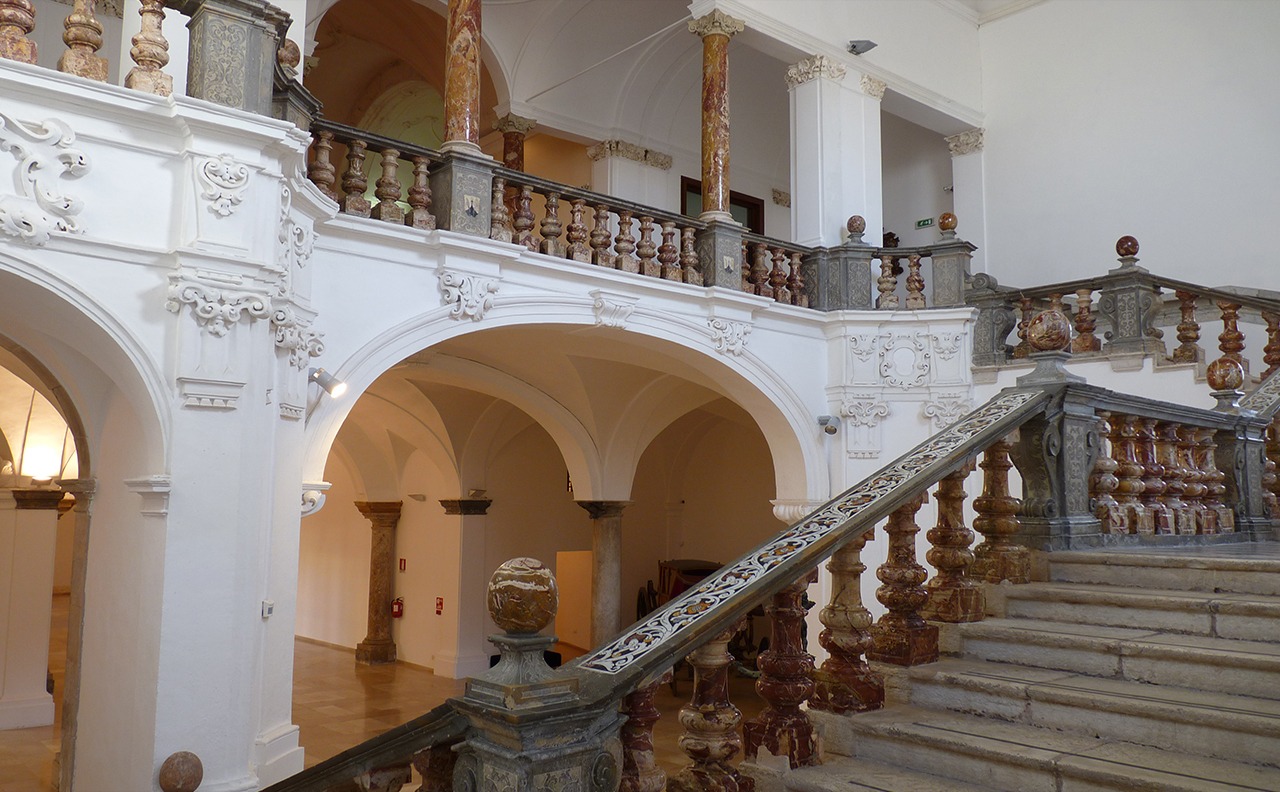
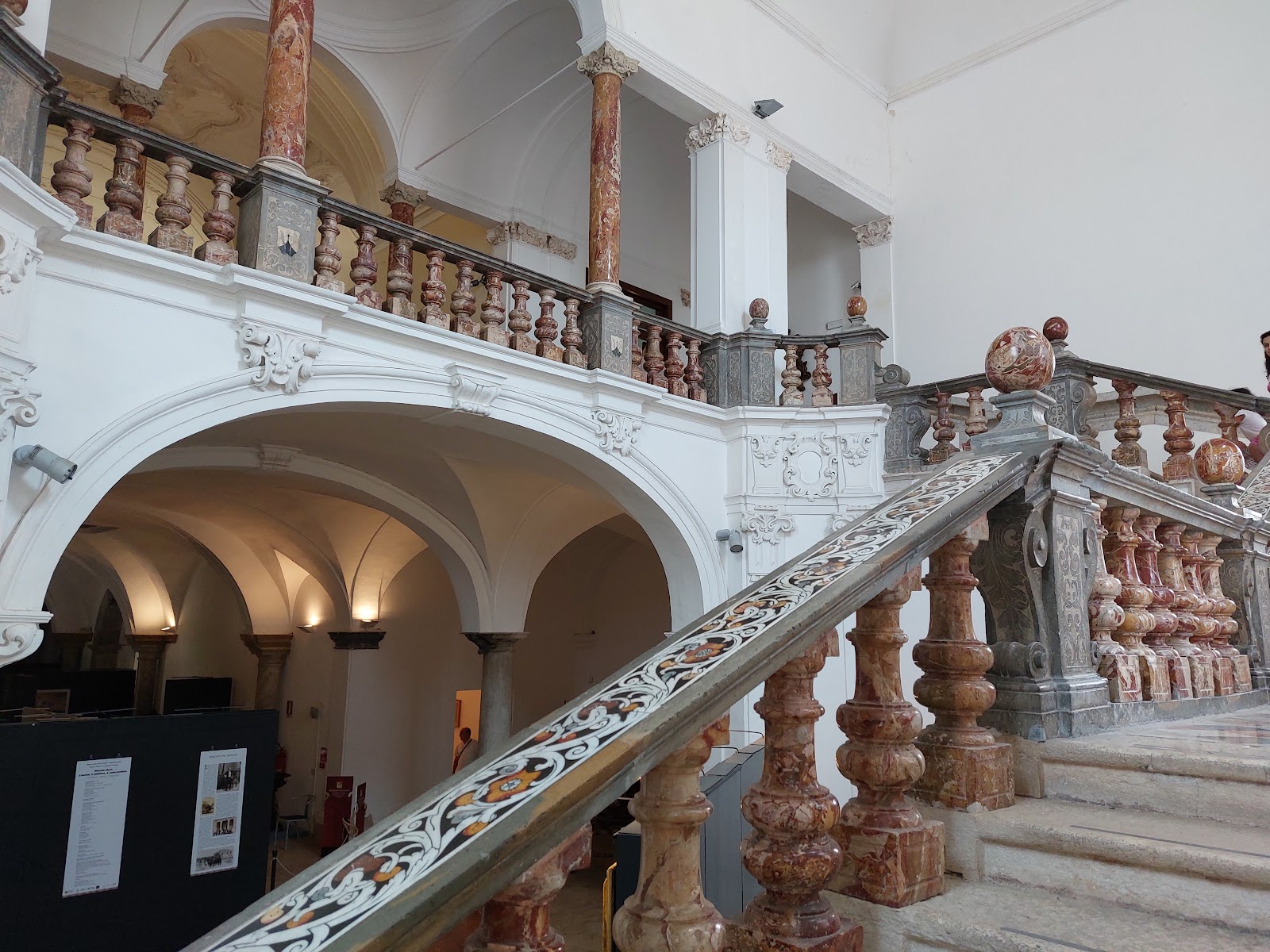
The staircase alone is worth pausing over — Trapani marble, worn smooth, rising through a former Carmelite monastery that has been accumulating things worth keeping since the fourteenth century. Museo Pepoli holds the collected instincts of a city that worked coral like other places worked gold, fished bluefin tuna with a choreography so old it had its own name, and commissioned marble sculpture from Antonello Gagini in 1522.
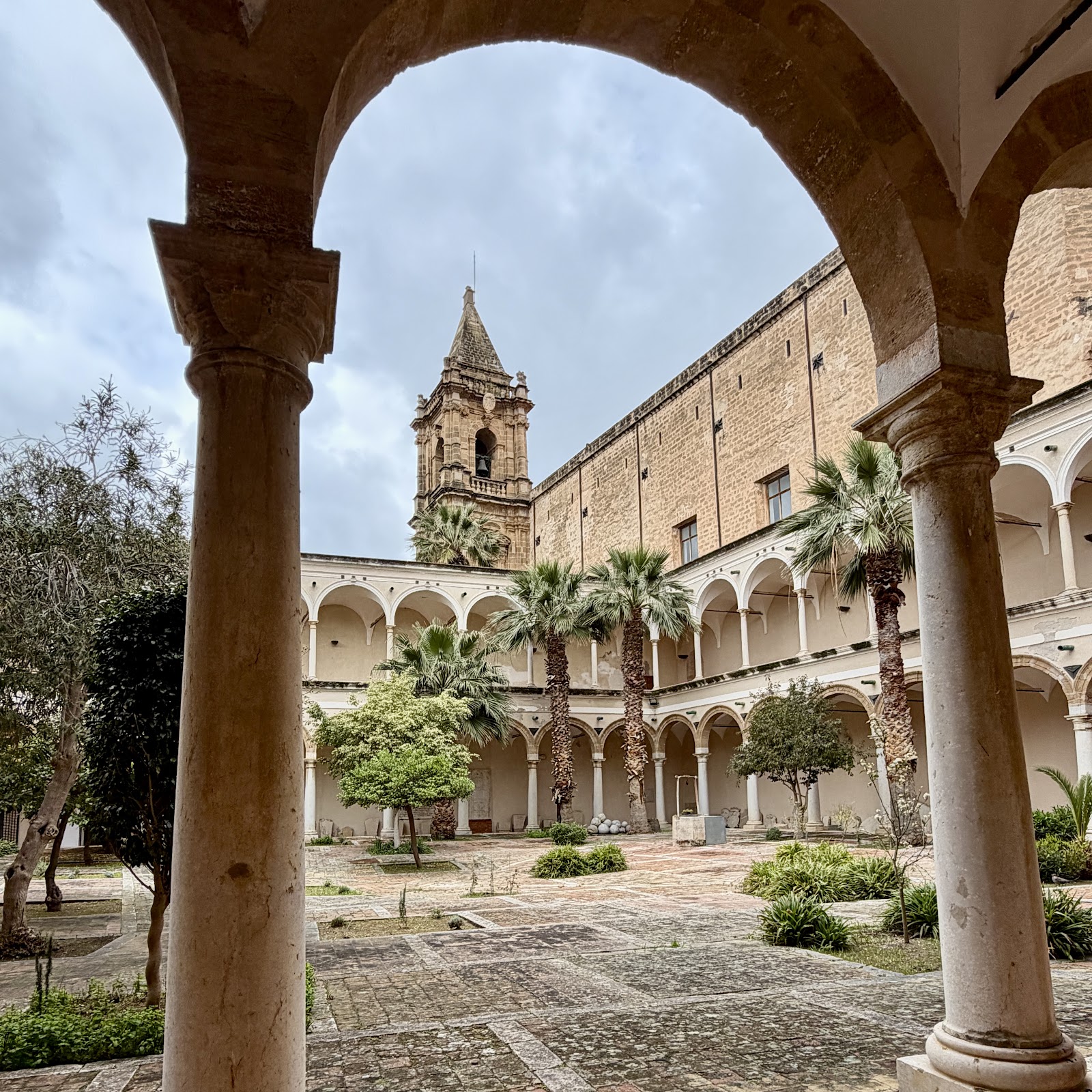
The building and its contents are inseparable. You move from a Mannerist cloister through rooms of coral and silverwork, past Andrea Tipa's extraordinary presepe — a Nativity assembled from alabaster, coral and shells — and eventually into documentation of the mattanza, the ancient tuna hunt. Few regional museums in Sicily hold this much of a single place's identity in one address.
💛 What travellers fall for
People who come back tend to linger longest in the coral rooms and around Tipa's presepe, which rewards close looking. The Gagini sculpture and the Titian attribution draw art-history types, but the tuna-fishing section — ropes, nets, photographs — tends to catch everyone off guard. Give yourself the full morning; the afternoon light in the cloister is a different thing entirely.
The story behind Museo Pepoli
Count Agostino Pepoli — Trapanese nobleman, senator, historian — donated his private collection to the city in 1906, and the museum opened between 1906 and 1908. He died in 1910, two years after seeing it established. Further donations followed: General Giovanbattista Fardella gave Neapolitan paintings; in 1921, the collection of Count Francesco Hernandez di Erice added ceramics, cribs and archaeological objects.
The building itself predates all of this by centuries. The Carmelite monastery's fourteenth-century core was substantially rebuilt in the sixteenth century, then again between 1741 and 1763 under architect Giovanni Amico, whose late-Baroque hand is visible in the stuccoes. The museum became a Regio museo in 1925, gained national status after the Second World War, and in the 1960s architect Franco Minissi redesigned the displays — work that won the 1969 IN.ARCH. regional prize.
Good to know
Open Tuesday to Saturday 9am–6pm (last entry 5pm), Sundays and holidays 9am–1pm, closed Mondays. Entry is €6, reduced €3, and free on the first Sunday of the month — confirm the price at the door. From Trapani station, bus lines 1 or 4 get you close; on foot it's about twenty minutes along Viale Regina Elena.
Where is Museo Pepoli?
More tickets & tours for Museo Pepoli
Book directly at the provider
What travellers say about Museo Pepoli
Nice way to spend a rainy day in Trapani. Big draw for us was the coral exhibits but we enjoyed the museum overall. There are room attendants who guide you through the museum with hand gestures (they don’t speak English), which helps. Also great audio guide available via app, web site or YouTube (qr code connects you). Guide helps gives insights on the art/artifacts.
İf you visit Trapani you should see here as well. 8 euro fee for enterence. Althoug not so large Museum you can see many different architecture, pictures, Figuren, SEA product and so on. You have fan. Enjoy...
The Pepoli Museum is exactly what you hope a good regional museum will be: a mix of local history, religious art, oddities, and a few delightful surprises, all housed in a former Carmelite monastery with a beautiful cloister and grand staircases that are nearly as interesting as the exhibits. The collection is eclectic but engaging. You get everything from medieval and Renaissance Madonna-and-Child paintings (including a couple that lean surprisingly racy for their era) to extravagant coral carvings, historic maps of Trapani, and even a full wooden guillotine casually occupying its own room. There’s also an ornate 18th-century carriage that looks ready to roll into a period film. My personal highlight was a sculpture I immediately nicknamed “Heisman Jesus”—an alabaster Madonna and Child in which the young Christ strikes a pose that’s one stiff-arm away from a college football trophy. Intentional or not, it’s memorable. The museum is not high-gloss or heavily curated, but it has a lot of heart, plenty of local flavor, and more variety than you’d expect. And since the day we visited happened to be free admission, it felt like an especially good find. If you’re already in Trapani and enjoy art, history, or just wandering atmospheric old buildings, it’s absolutely worth an hour or two.
The jewelry collection and the stone staircase were pretty impressive! The museum is enormous, historical art collection, ceramic, costumes, not to mention the guillotine with a basket to catch the head! All very impressive and the temperature was cooler.
Great regional museum. Worth a look for the coral works and nativity cribs. Very good painting collection. €6 entry (2023).
More of Trapani
Discover where to stay, what to do and the best deals for your trip.
Explore Trapani →More attractions in Trapani
All of Trapani →

Background adapted from Wikipedia (CC BY-SA) · map data © OpenStreetMap contributors · ratings & place photos via Google · other photos with per-image credit. Ticket links may earn us a commission at no extra cost to you.