
Trapani
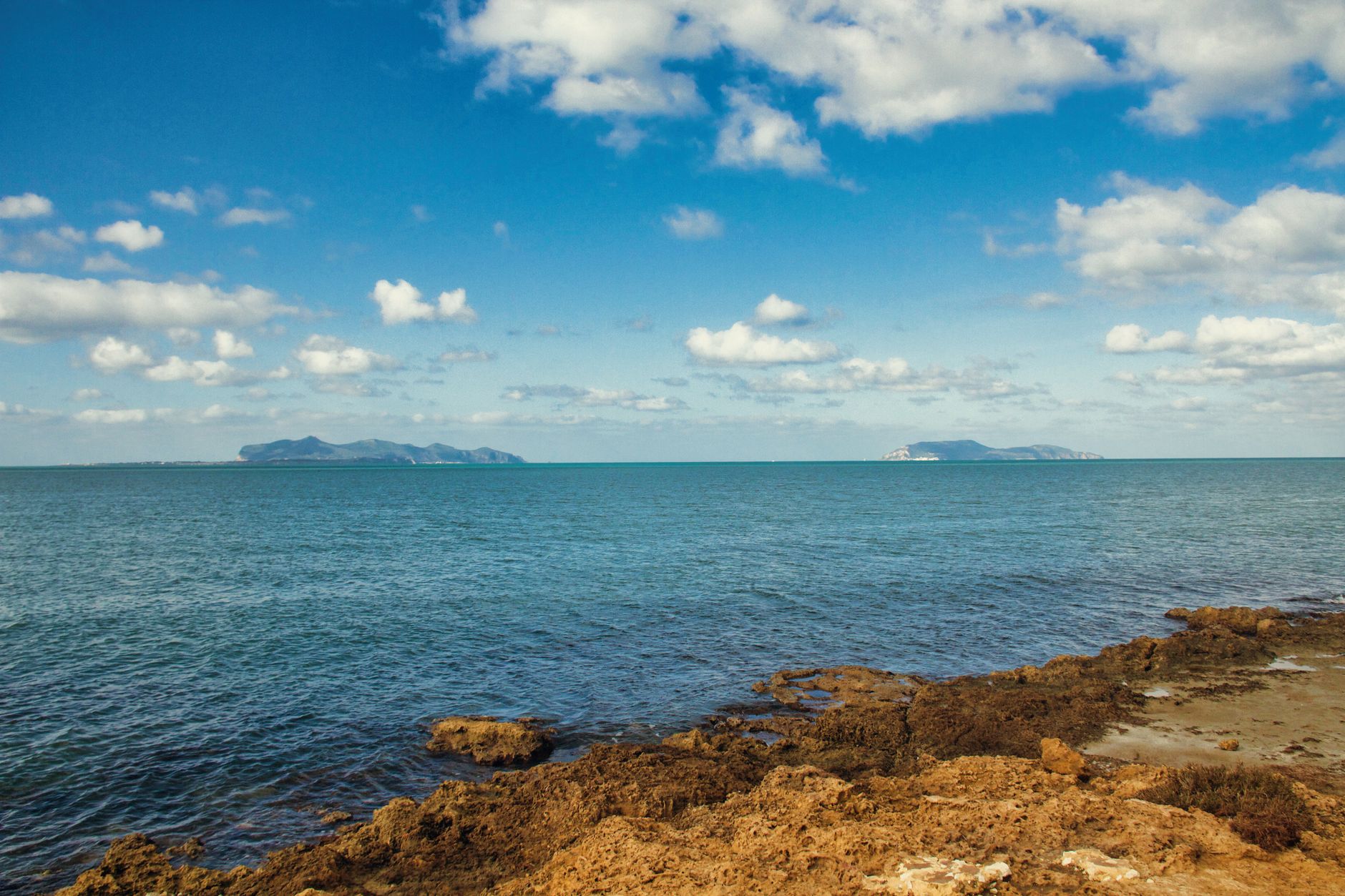
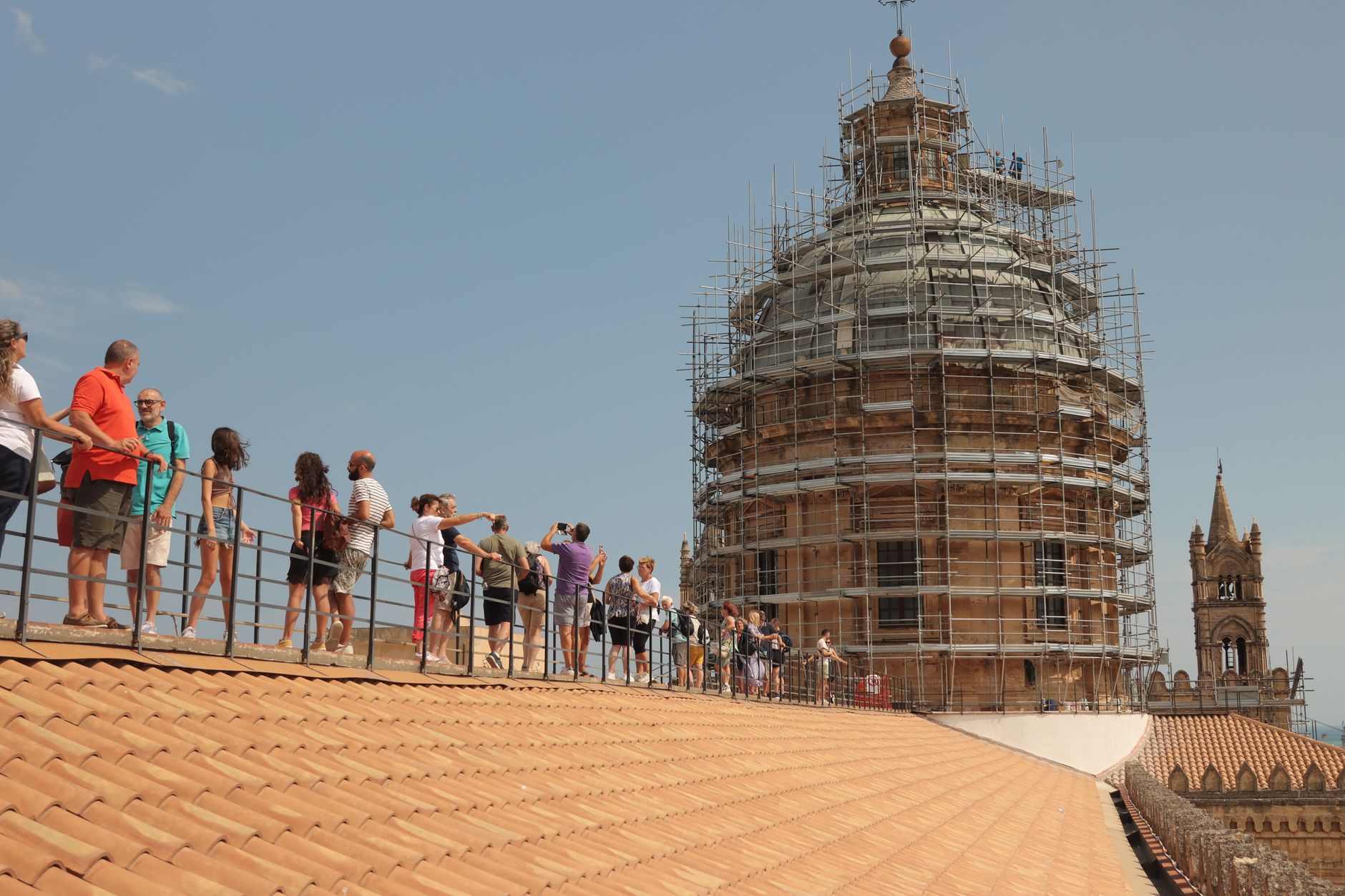
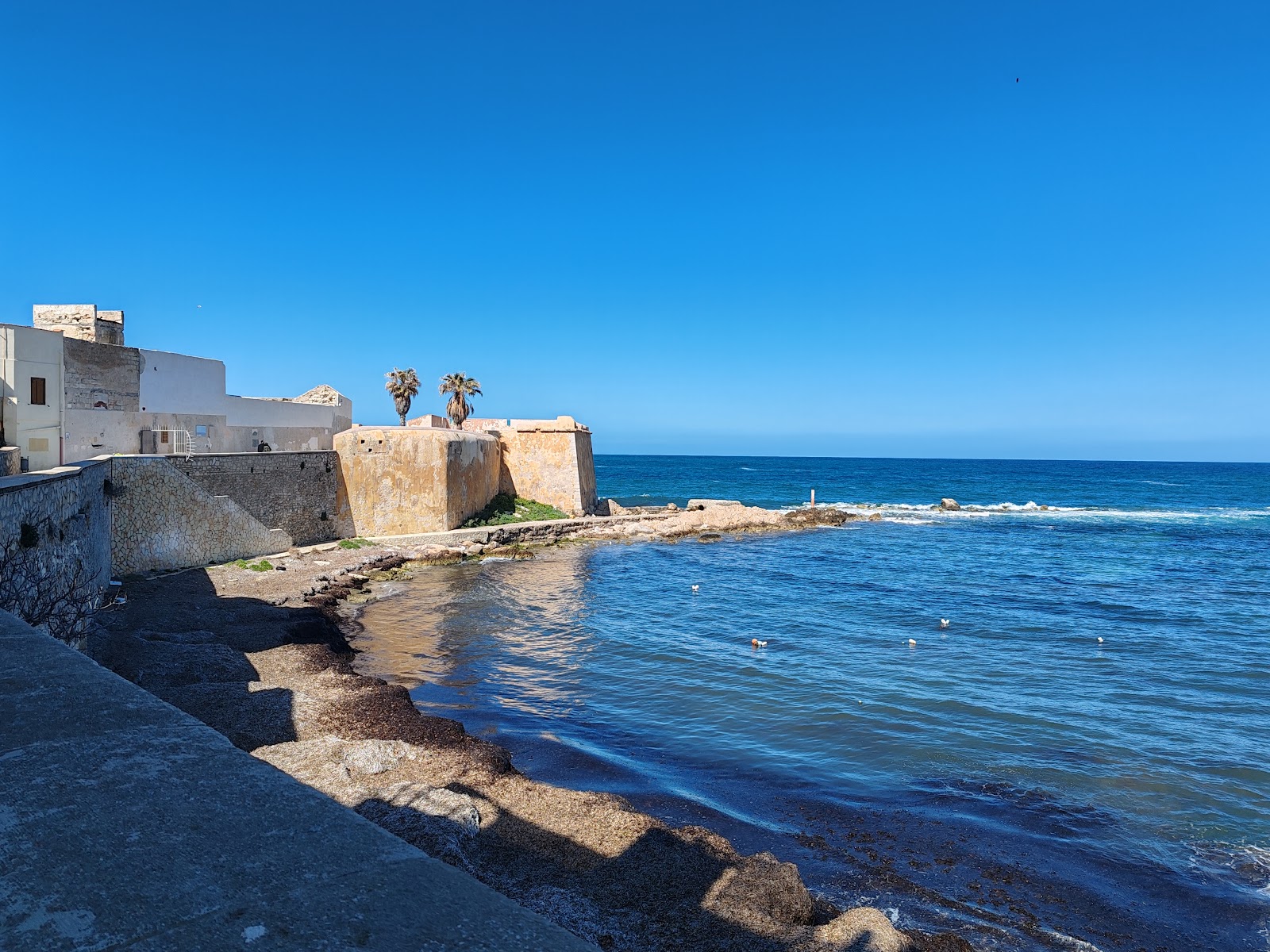
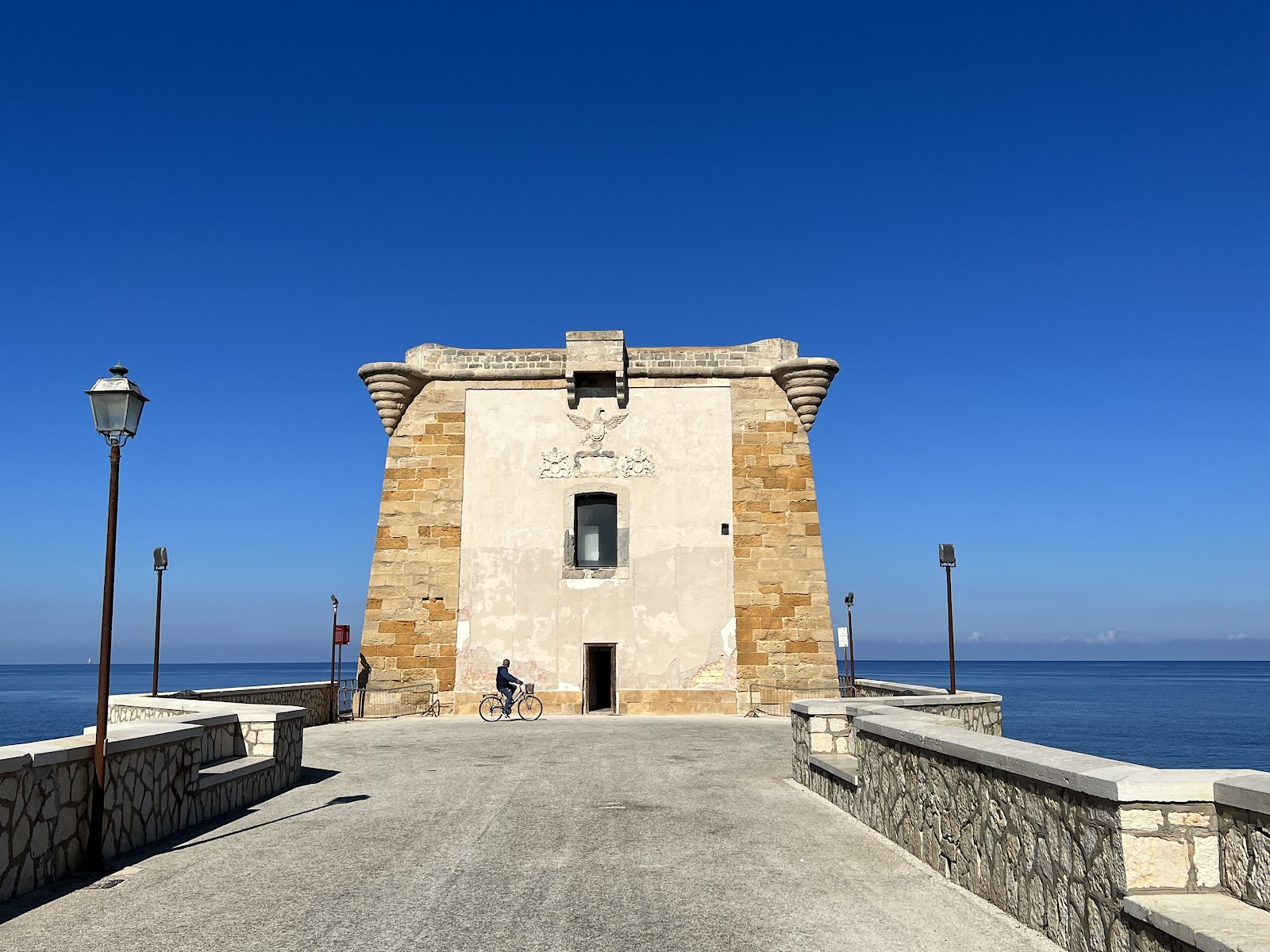
Trapani sits at the far western tip of Sicily like a finger pointing toward Tunisia, its old city built on a narrow spit of land that the Elymians settled long before Rome existed. The streets run roughly east to west, so the light is always doing something interesting — catching the Torre di Ligny at the very point of the peninsula, or sliding down Corso Vittorio Emanuele in the evening when the whole town seems to step outside at once.
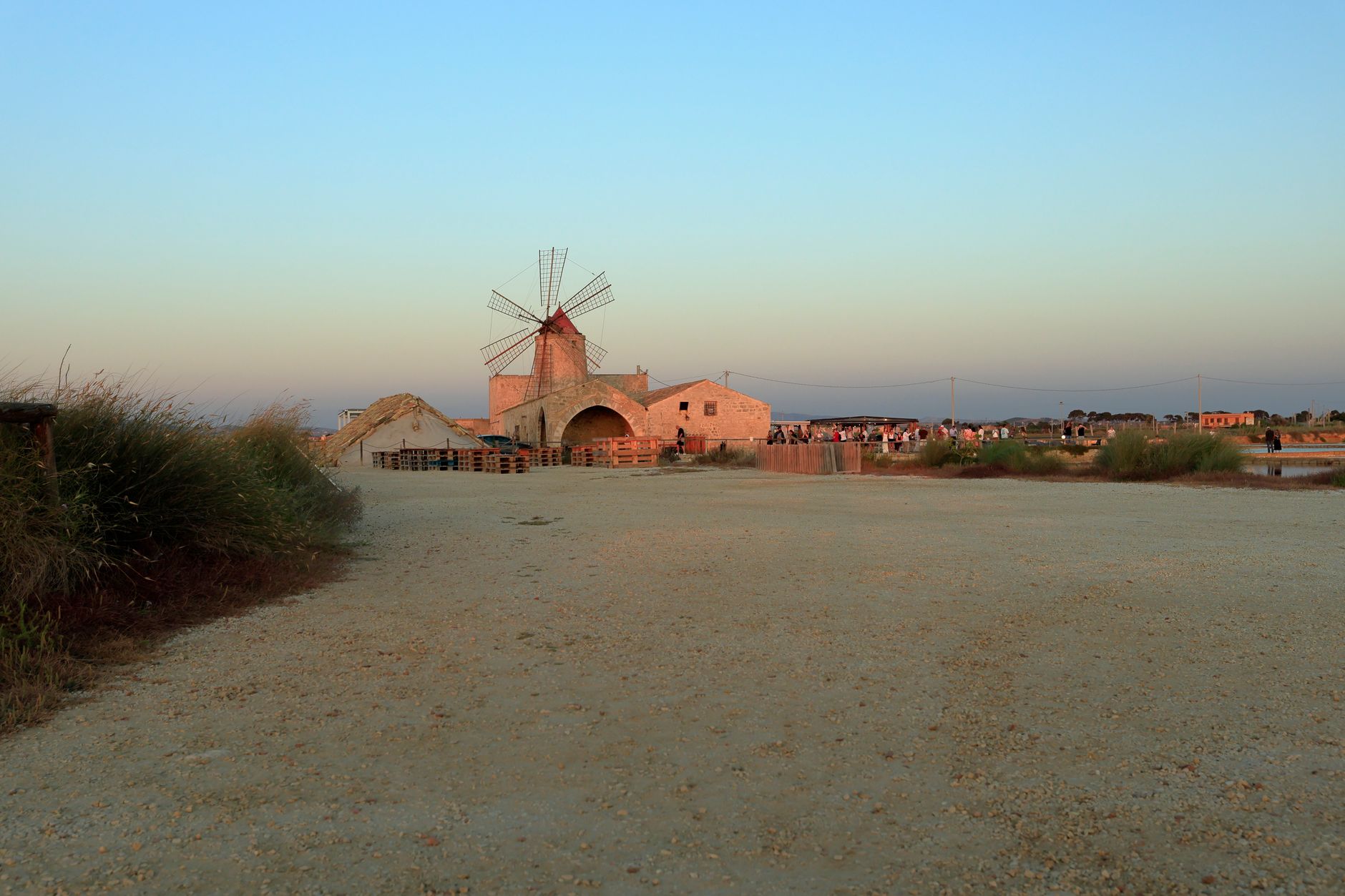
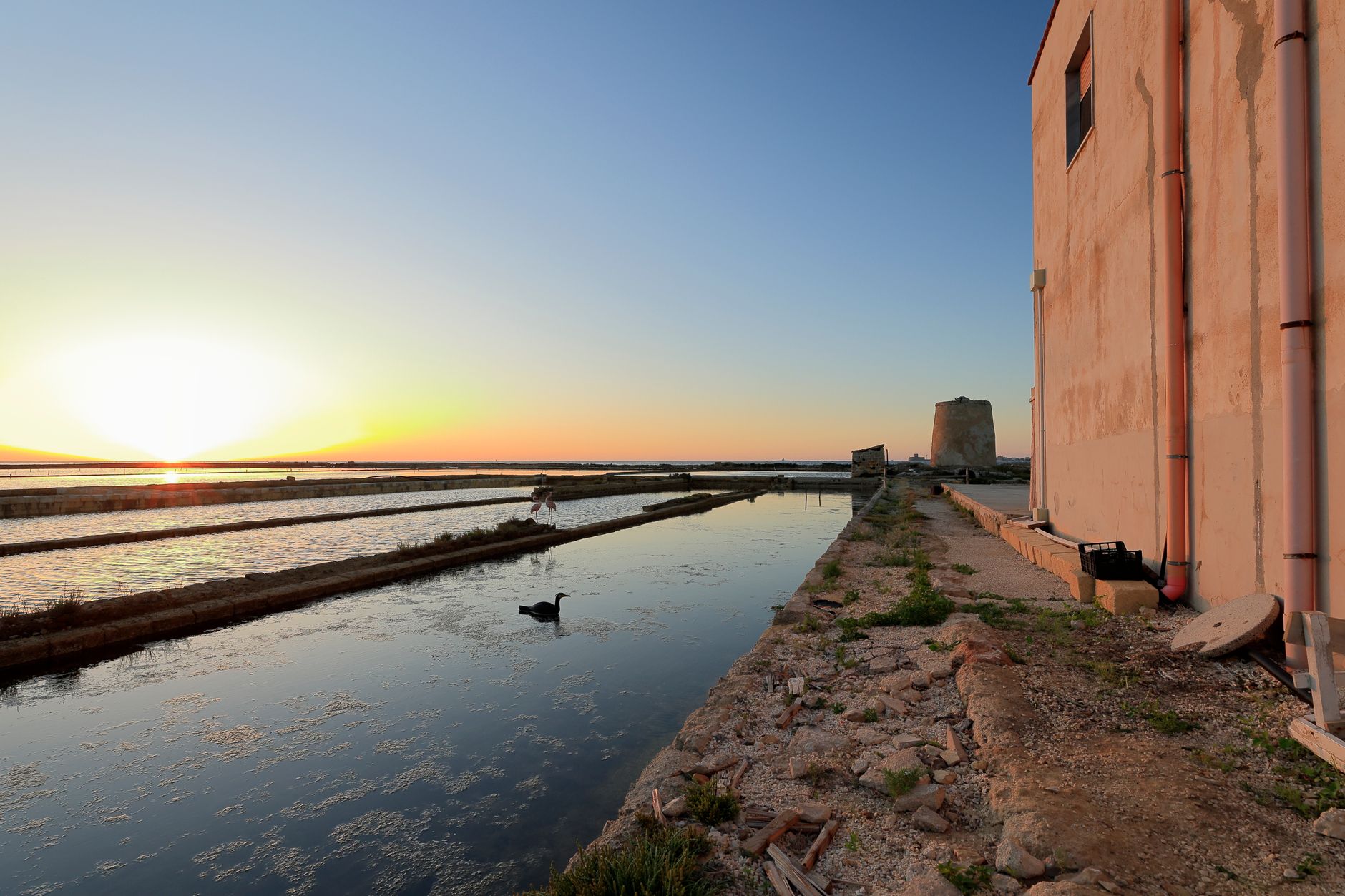
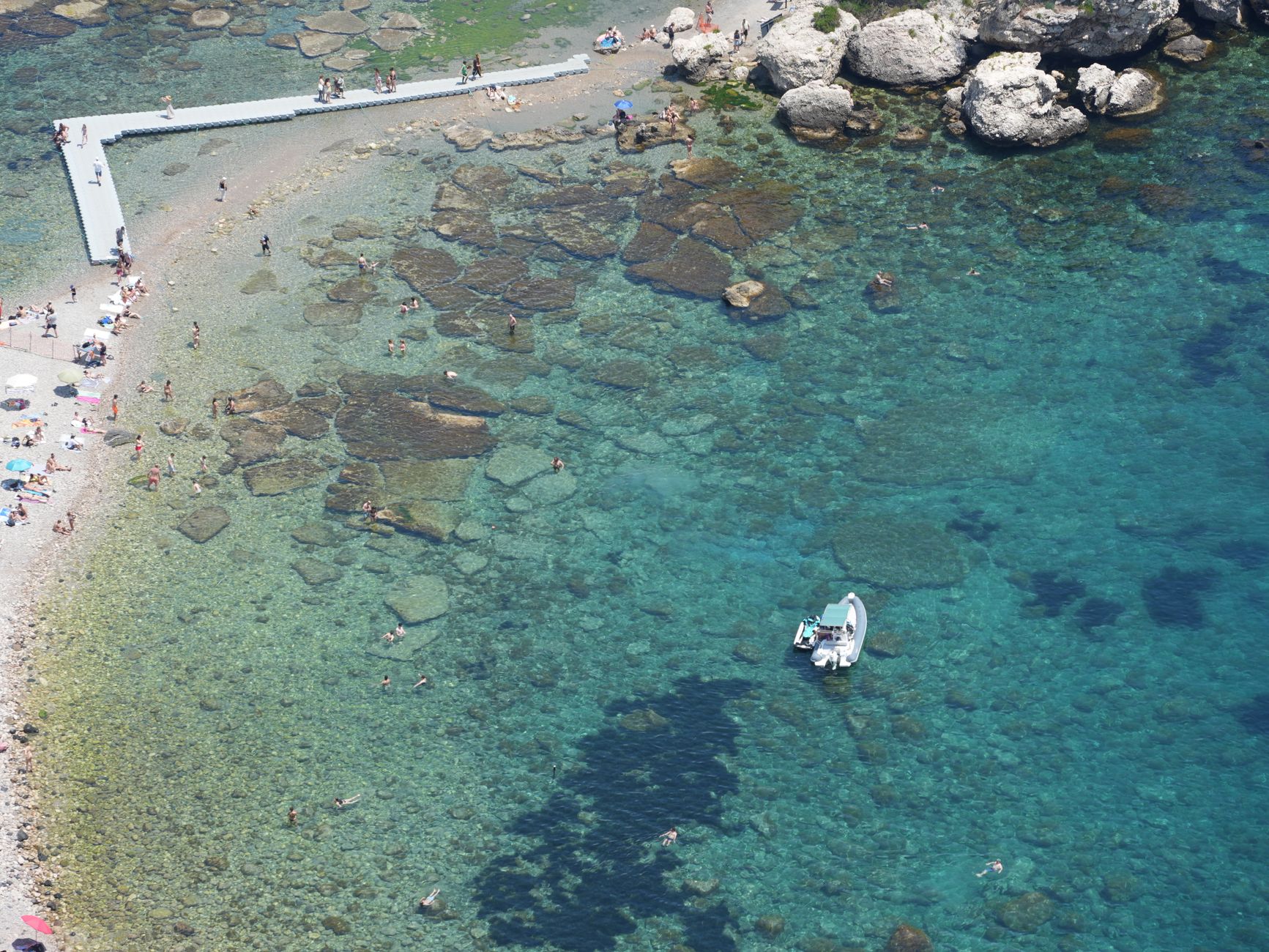
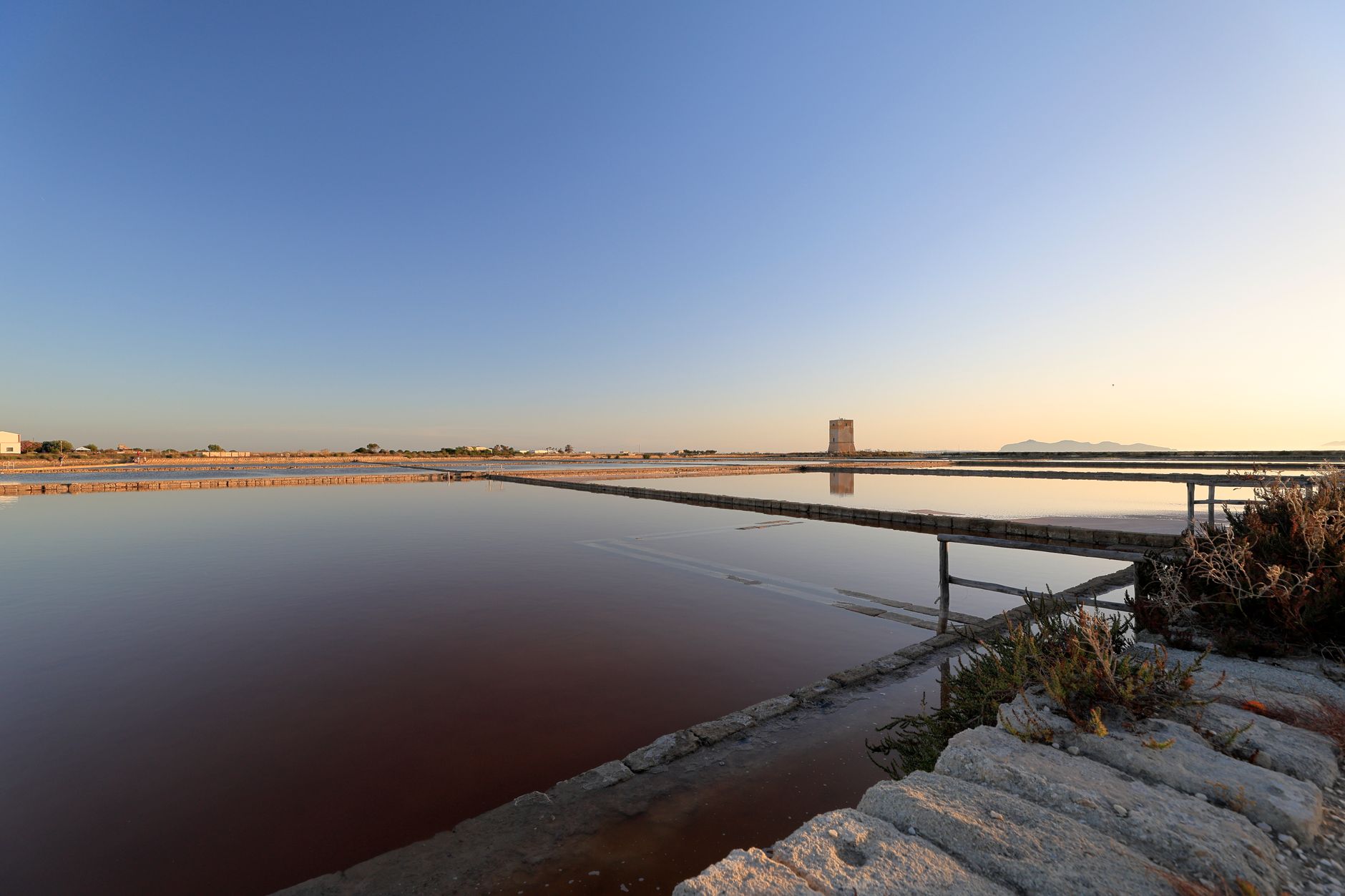
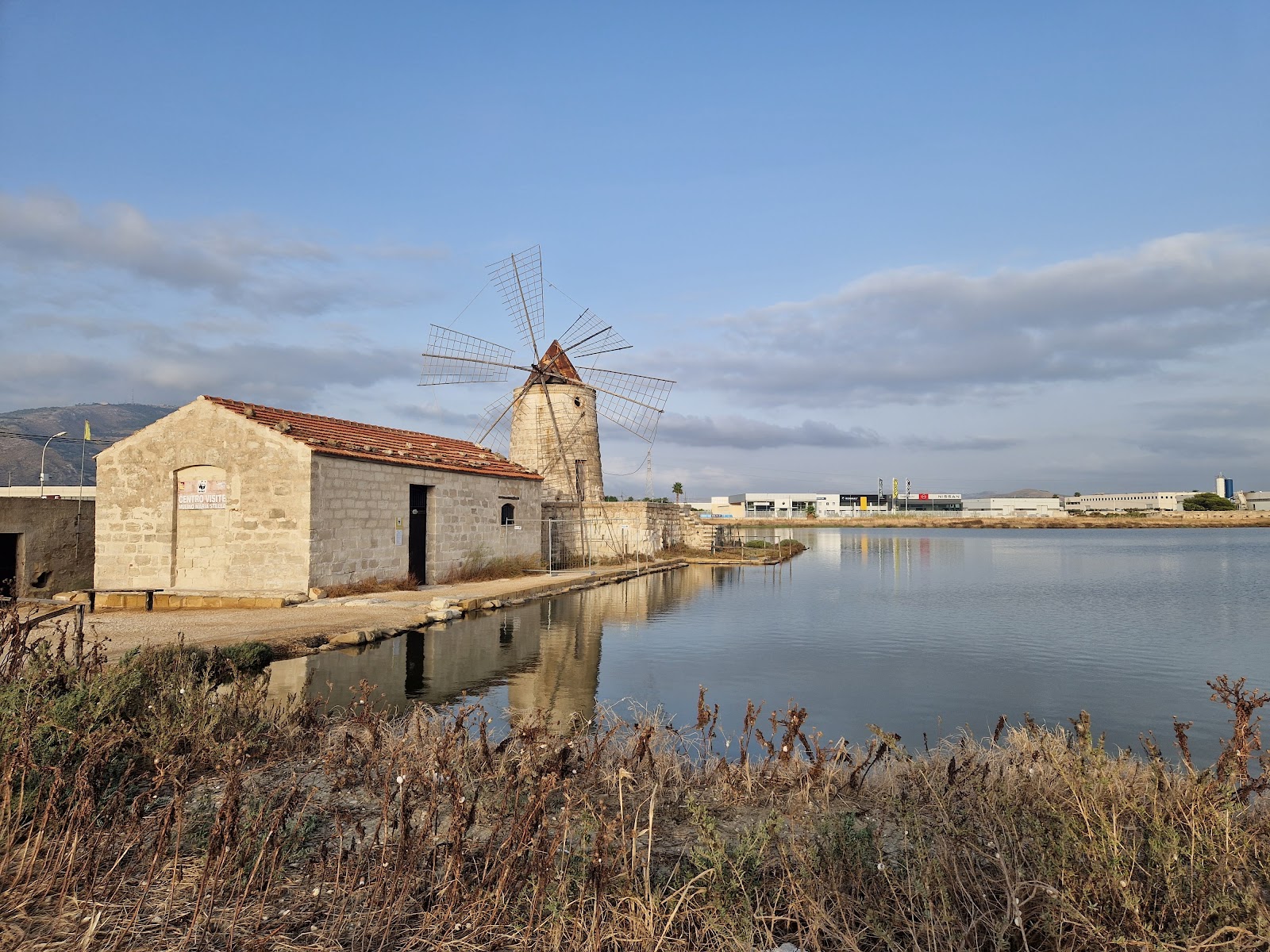
The city made its money from salt, coral and the sea, and those three things still explain a lot about it. The salt pans south of the center are still working. Coral carving survived as a craft into the twentieth century, and the Museo Pepoli holds the evidence. The sea is everywhere, and the ferries to the Egadi Islands leave from the port in under half an hour.
💛 What travellers fall for
People who come back tend to mention the same few things: eating at the port rather than the tourist strip, taking the morning hydrofoil to Favignana before the day-trippers arrive, and walking the full length of the peninsula after dark when the crowds thin and you can actually hear the water on both sides of the road.
Deals in Trapani
Book directly at the provider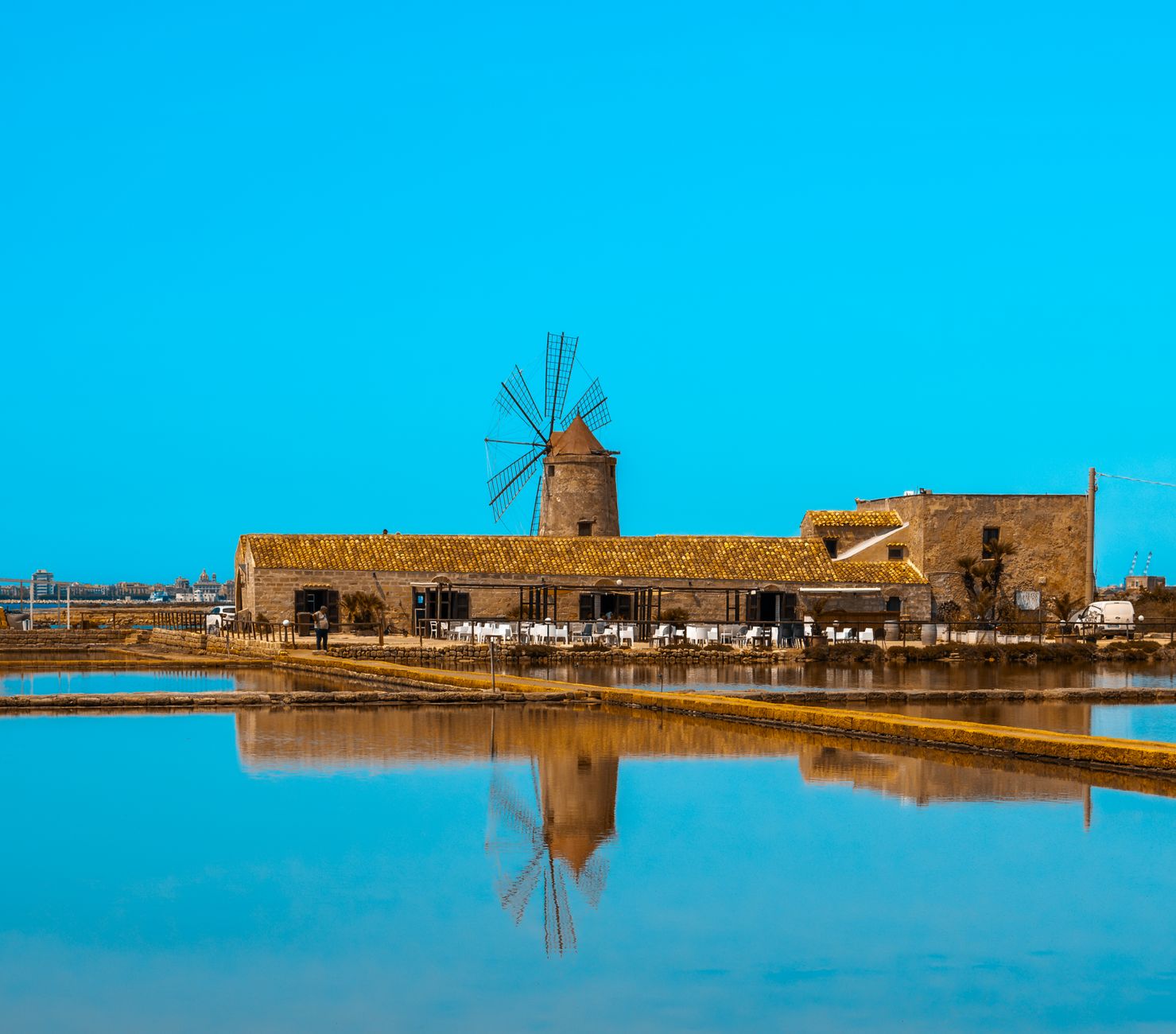

How Trapani came to be
The Elymians were here before the Greeks arrived in Sicily, using the narrow spit as a commercial port for the hill town of Erice above. By the ninth and eighth centuries BC the Phoenicians had folded it into their Mediterranean network, and Carthage held it through the first Punic War. In 260 BC the Carthaginian general Hamilcar reinforced the walls and moved the population of Erice down to the coast; in 241 BC Rome took the city after the Battle of the Egadi Islands, fought in the waters just offshore.
The Middle Ages layered Norman, Arab and later Spanish authority onto the Roman bones. The Normans came in 1077 under Roger I; the Spanish under Charles V in 1535, strengthening the fortifications again. The twentieth century was harder: twenty-seven Allied bombing raids between January and July 1943 destroyed the San Pietro neighborhood before General Patton's forces entered on July 22 of that year.
Who and what shaped it
People who shaped it
Landmark buildings
See Trapani in motion
Plan your visit
On the map
When to go
Summers are hot and reliably sunny, best tempered by the sea breeze on the peninsula. Winters are mild but can be rainy — perfectly workable for sightseeing, and the city is quieter for it.
Right now
↡ Attractions



Background & history adapted from Wikipedia (CC BY-SA) · specs from Wikidata (CC0) · weather from Open-Meteo · map data © OpenStreetMap contributors · photos from Wikimedia Commons / Unsplash with per-image credit. No third-party reviews or social posts reproduced.