
Museo di Santa Giulia
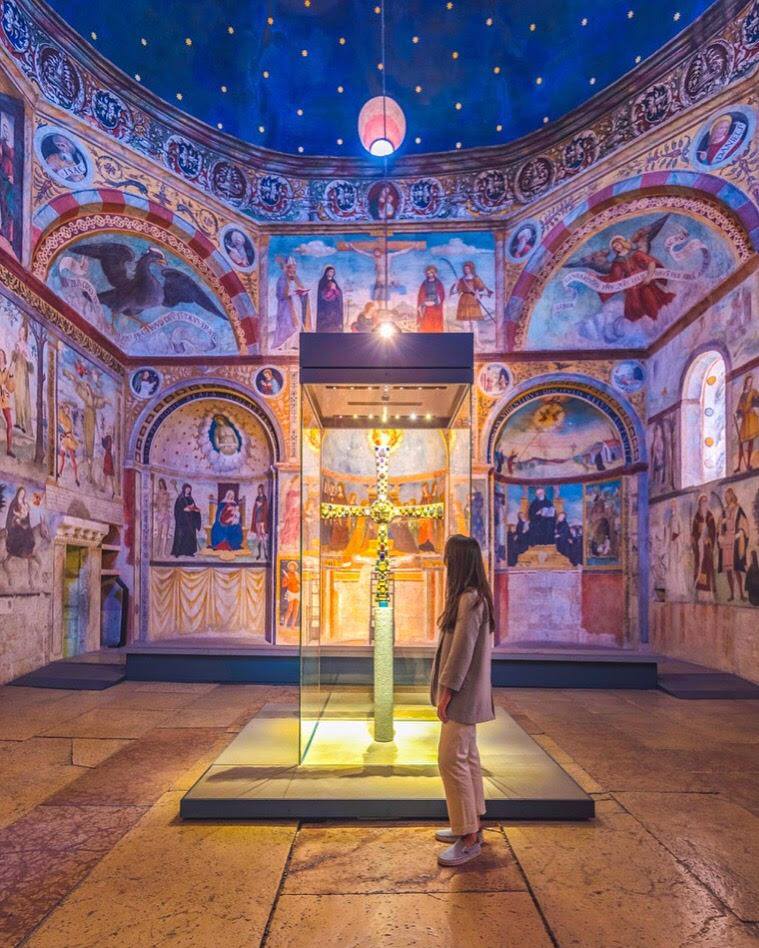
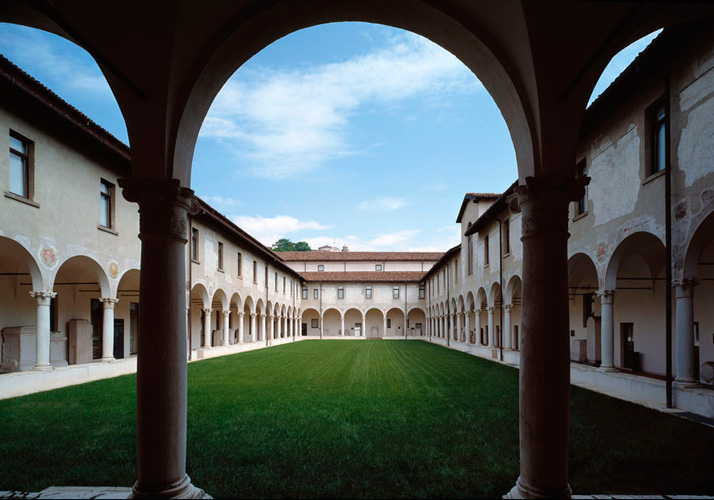
Walk through the gate on Via Musei 81/b and you step across roughly 2,700 years in a single afternoon. The Museo di Santa Giulia occupies a Benedictine monastery founded in 753 CE, but beneath its cloisters lie Roman floors from the 1st century BC, their mosaics and underfloor heating pipes still legible in the stone.
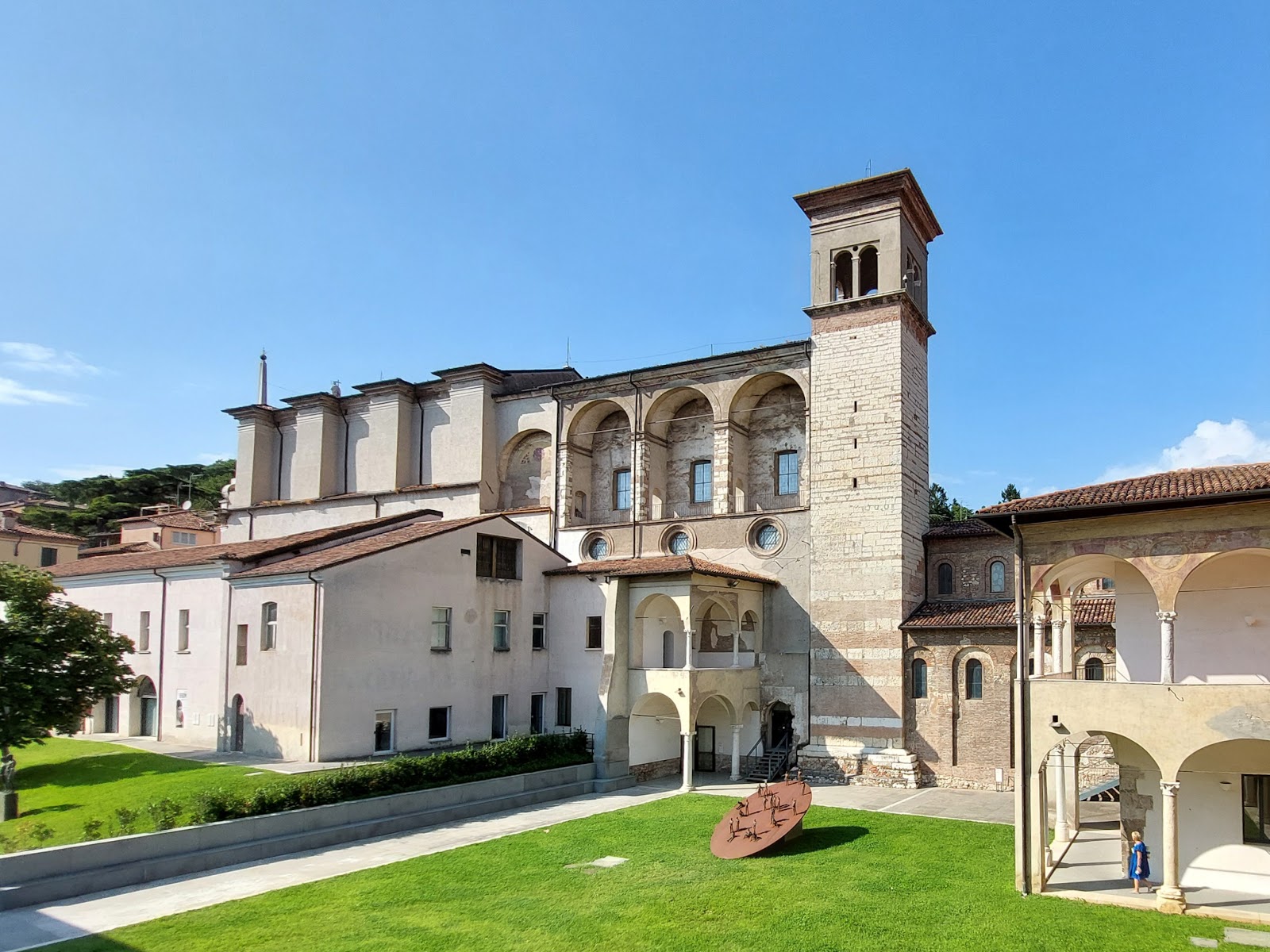
The museum is Brescia's civic memory made physical: Longobard royalty, medieval nuns, Napoleonic soldiers, and modern curators have all left their mark on the same walls. The Basilica of San Salvatore alone layers a Roman ruin, an early medieval church, and a 14th-century bell tower into one structure you can read like a cross-section of the city itself.
💛 What travellers fall for
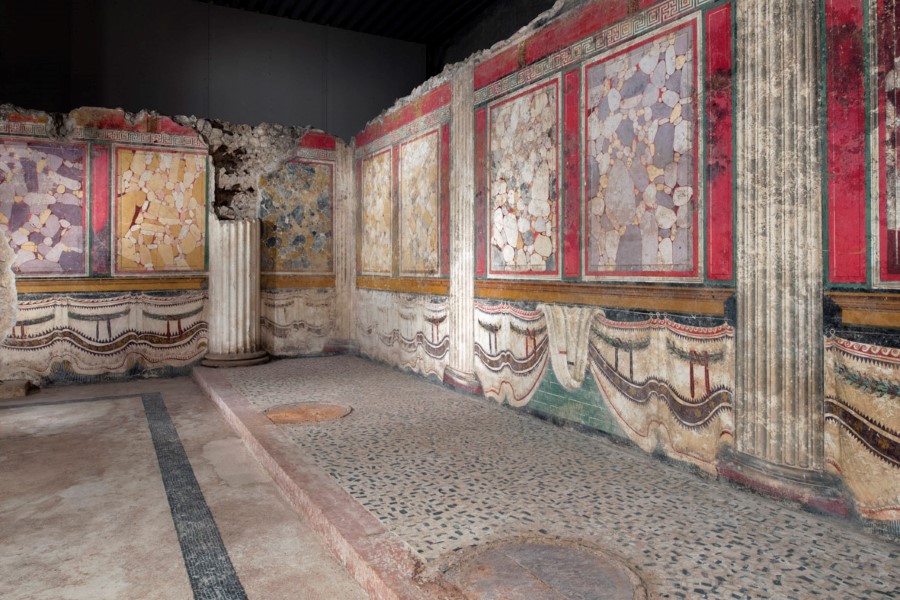
People who come back tend to linger in the Oratory of Santa Maria in Solario longer than they planned — the Ferramola frescoes reward slow looking. The Domus dell'Ortaglia surprises even second-time visitors: the scale of the Roman residential complex, complete with lead pipe networks and indoor fountains, reads more like a neighbourhood than a ruin.
The story behind Museo di Santa Giulia
Desiderio, the last king of the Lombards, founded the monastery in 753 CE alongside his wife Ansa; their daughter Anselperga became its first abbess. The Basilica of San Salvatore was conceived as a dynastic mausoleum, and it outlasted the dynasty — when Charlemagne defeated the Lombards, the monastery kept its prominence. Another of Desiderio's daughters, Ermengarda, took refuge here after Charlemagne repudiated her, a story Alessandro Manzoni later dramatised in his tragedy Adelchi.
The complex was rebuilt in Romanesque style in the 12th century, expanded through the 15th and 16th centuries, and finished with the Church of Santa Giulia in 1599. The French suppressed it in 1798 and turned it into barracks. It became a museum in 1882, was overhauled in 1966, and in 2011 joined the UNESCO World Heritage List as part of the Longobard Places of Power.
Good to know
Reach it on foot from Vittoria metro station. Thursday evening hours (open until 22:00) mean cooler, quieter rooms in summer. Budget at least two hours; the Roman domus alone warrants a full hour. The ticket office closes 90 minutes before the museum does — don't cut it close.
Where is Museo di Santa Giulia?
More tickets & tours for Museo di Santa Giulia
Book directly at the provider
What travellers say about Museo di Santa Giulia
I visited on a Friday afternoon at the end of May and it wasnt too busy. Very good collection, especially the roman ruins. Quite large however the layout was confusing and you could get lost. Good value as part of the museum pass.
I loved this museum so much! The exhibits were fantastic and well organized! There’s a lot of history in one place and the people that work here are very friendly and helpful! The special exhibits were extremely well done and beautifully curated! I saw the Guido Crepax exhibit and thought it was one of the best ones I’ve ever been to. He’s my favorite artist and they did a huge service to his artwork. The gift shop area was also fantastic and open and organized. Please visit this lovely museum!
This is a medium sized museum. You can definitely spend a few hours here looking at the frescos. There aren't a lot of individual paintings but the historical Roman foundation of the Domus is on display along with many of the Brescia sculptures. The solario is a beautiful sight to see with vibrant color and the wall and ceiling images are impressive. The San Salvatore and Santa Giulia church have beautiful frescos.
This museum complex is a gem! 💎 It houses an incredible collection of pre-Roman, Roman, Medieval, and more recent artifacts. The Roman section includes in-situ excavations of Roman houses (domus) with stunning mosaic floors and frescoes. The Cross of Desiderius is also beautiful, as is the magnificent room where it’s displayed. There’s so much more to see, but it would take too long to describe it all. All I can say is that this place is a must-see: absolutely worth the entry ticket. Plan to spend several hours being amazed!
If you only have time for one museum in Brescia - this is the one. It includes displays of ancient objects and classical art, as well as real churches, Roman ruins etc. You need at least 1,5-2 hours to see everything at a normal pace. What I don’t like: 1) The routes are not well planned. I was often confused where I had been and where I hadn’t, whether I should check this room or that room first etc. At the end I wasn’t certain if I’d seen everything. I asked the staff but they weren’t sure either since I couldn’t name the rooms I’d visited. 2) You can’t buy a ticket just for this museum. You have to buy a museum pass which includes 4 or 5 museums in Brescia. It’s expensive if you only visit 1 museum, so try to visit at least 2. I get that they need the funds to run museums, but for a lot of day-trippers like me, it sets more limitations than giving options.
More of Brescia
Discover where to stay, what to do and the best deals for your trip.
Explore Brescia →More attractions in Brescia
All of Brescia →
Background adapted from Wikipedia (CC BY-SA) · map data © OpenStreetMap contributors · ratings & place photos via Google · other photos with per-image credit. Ticket links may earn us a commission at no extra cost to you.