
London
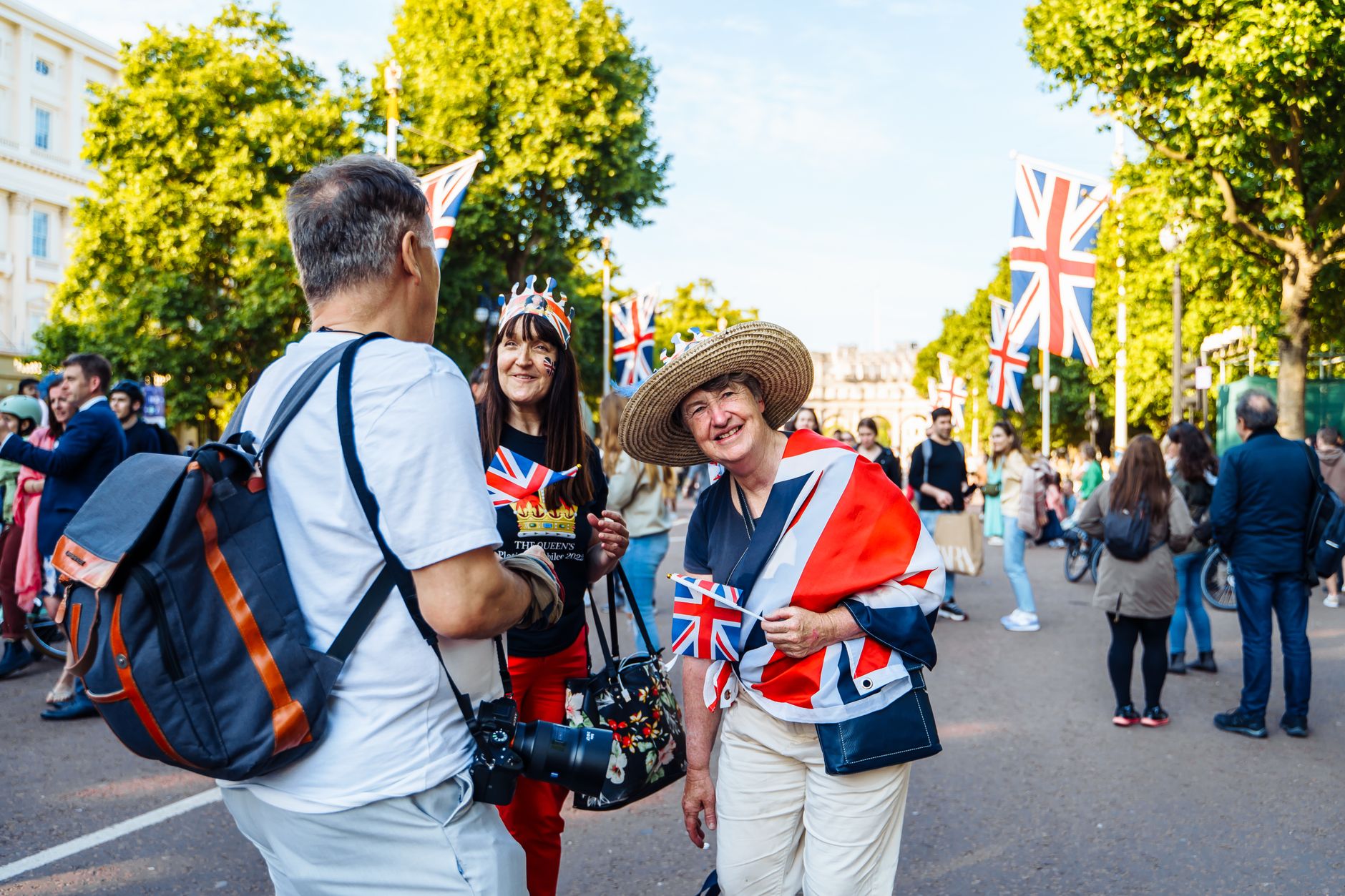
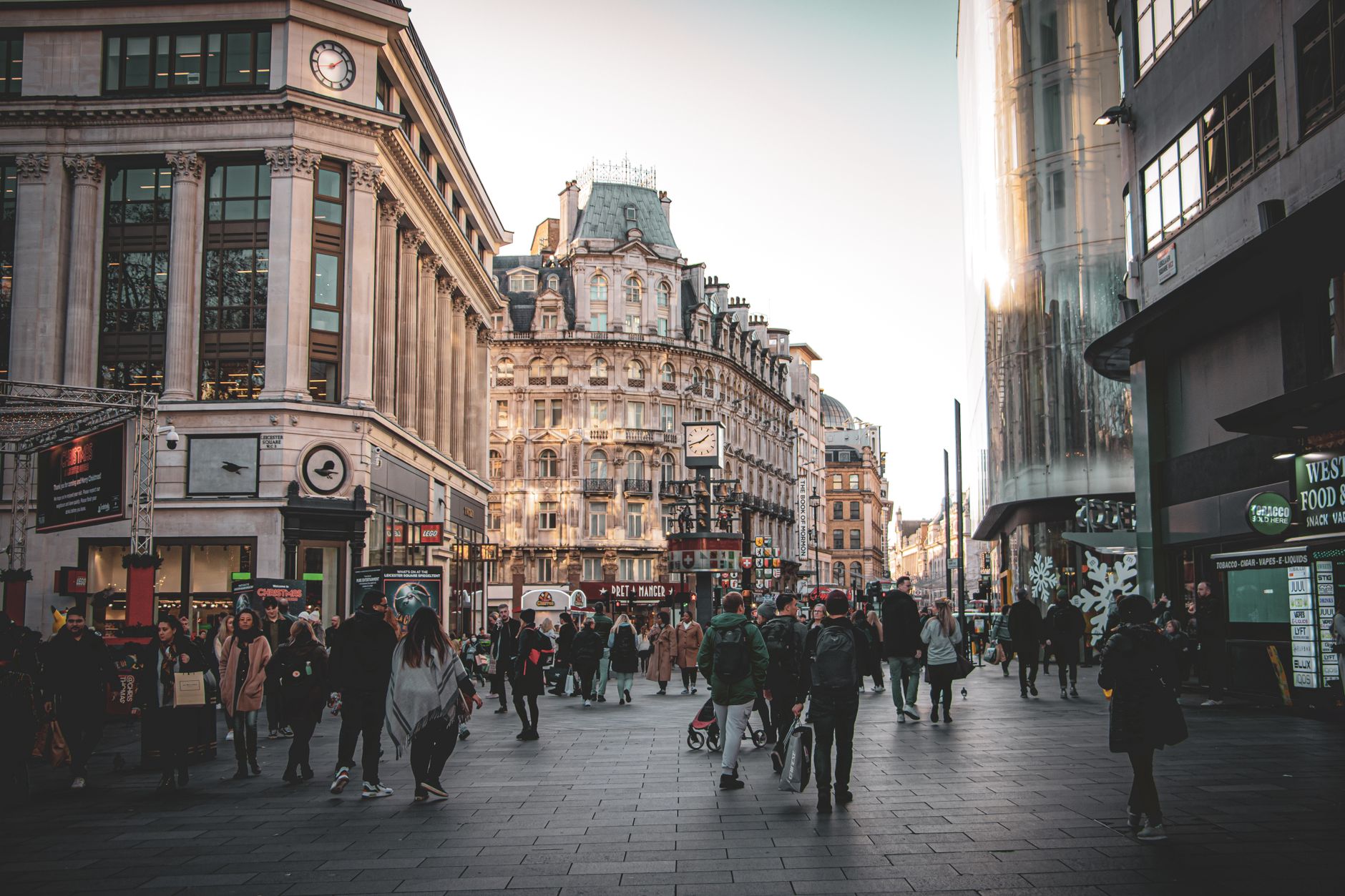
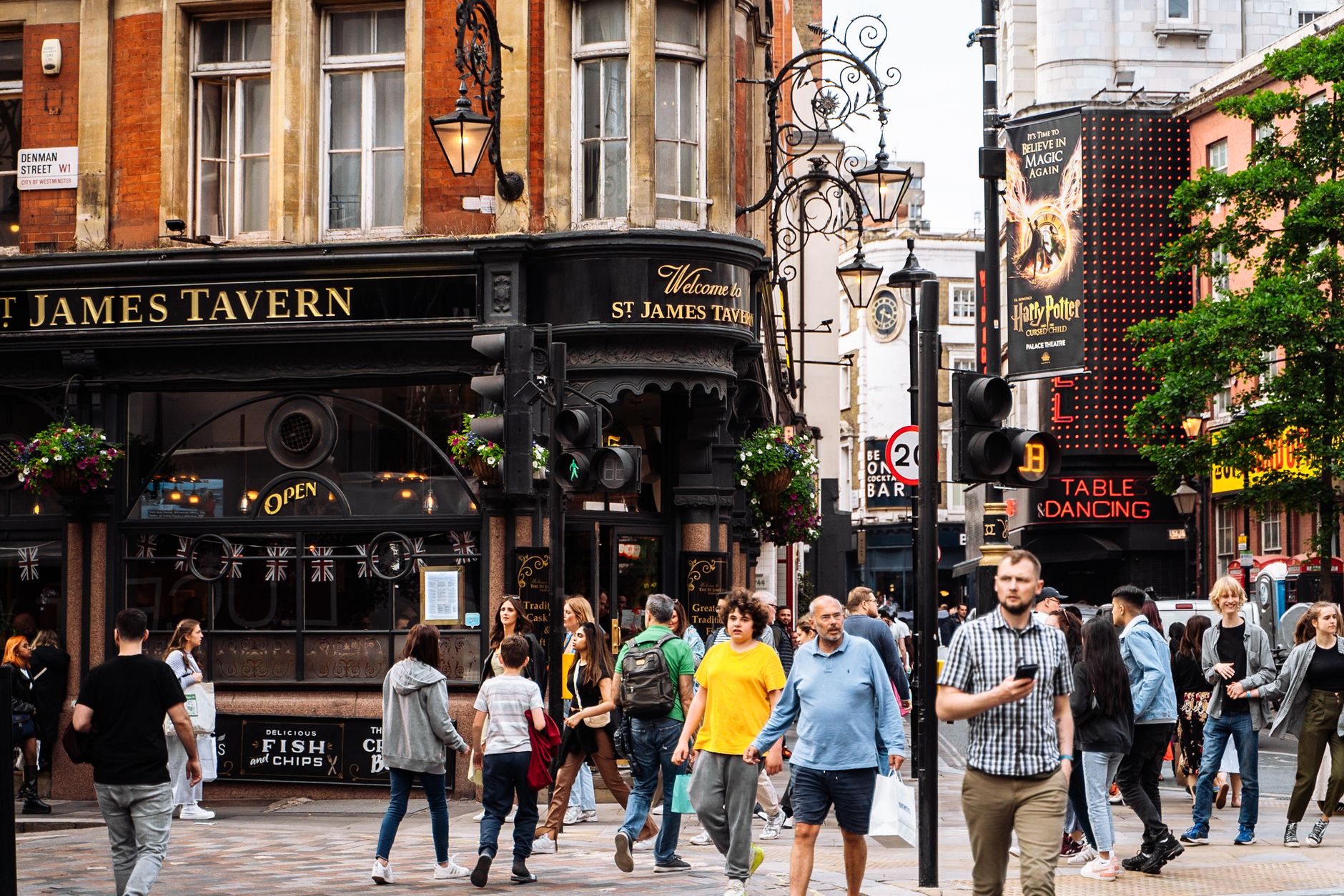
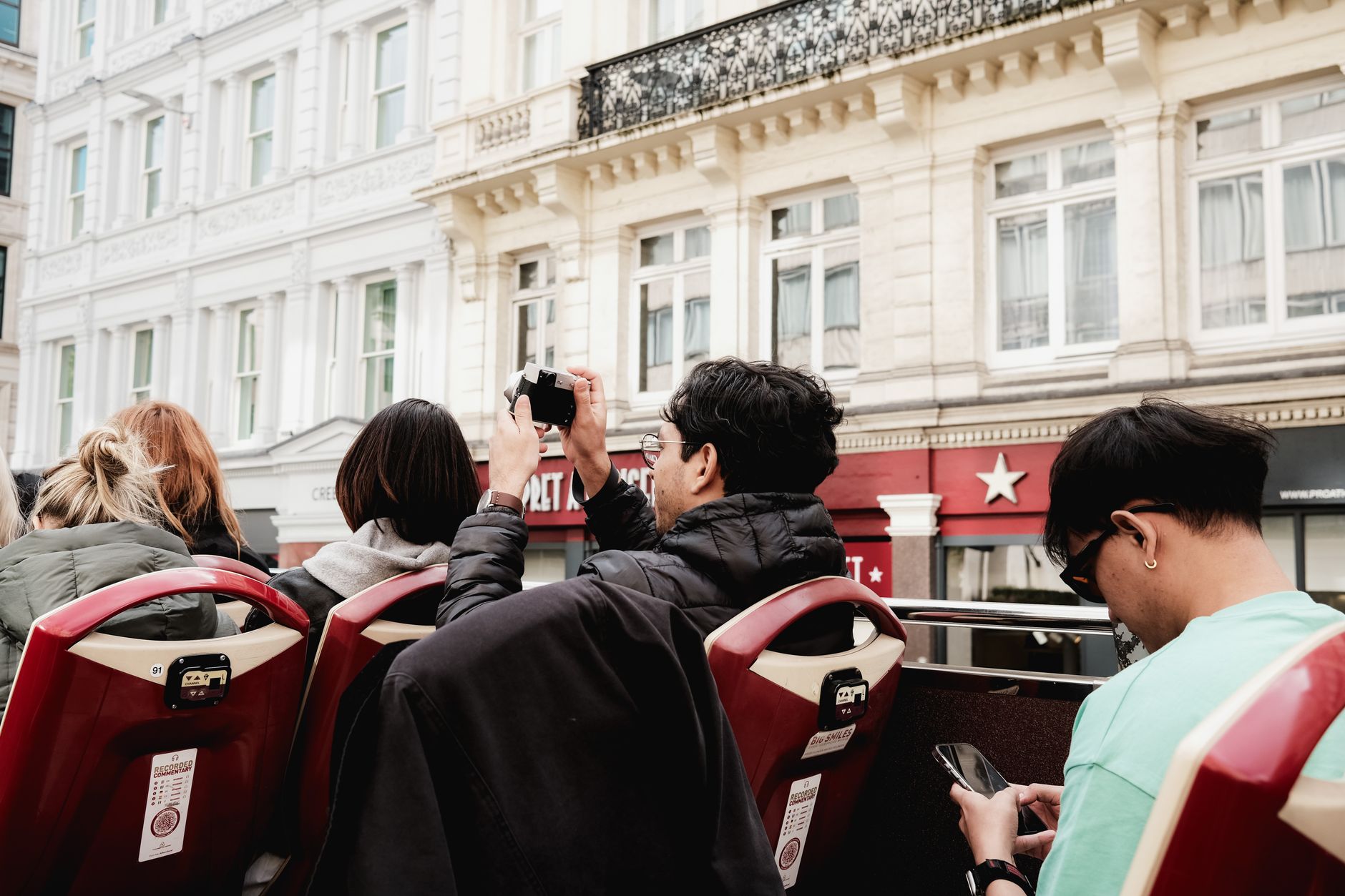
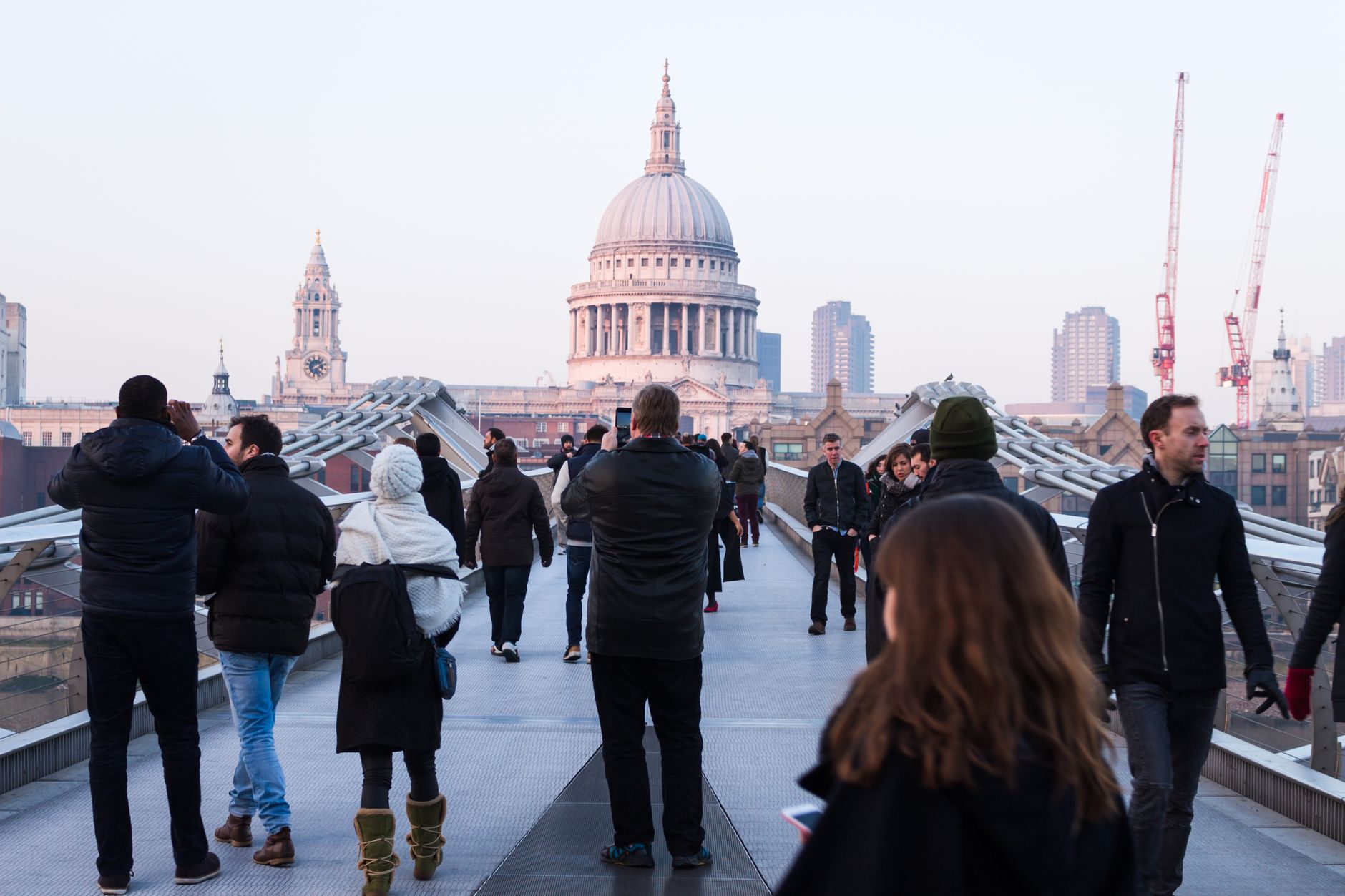
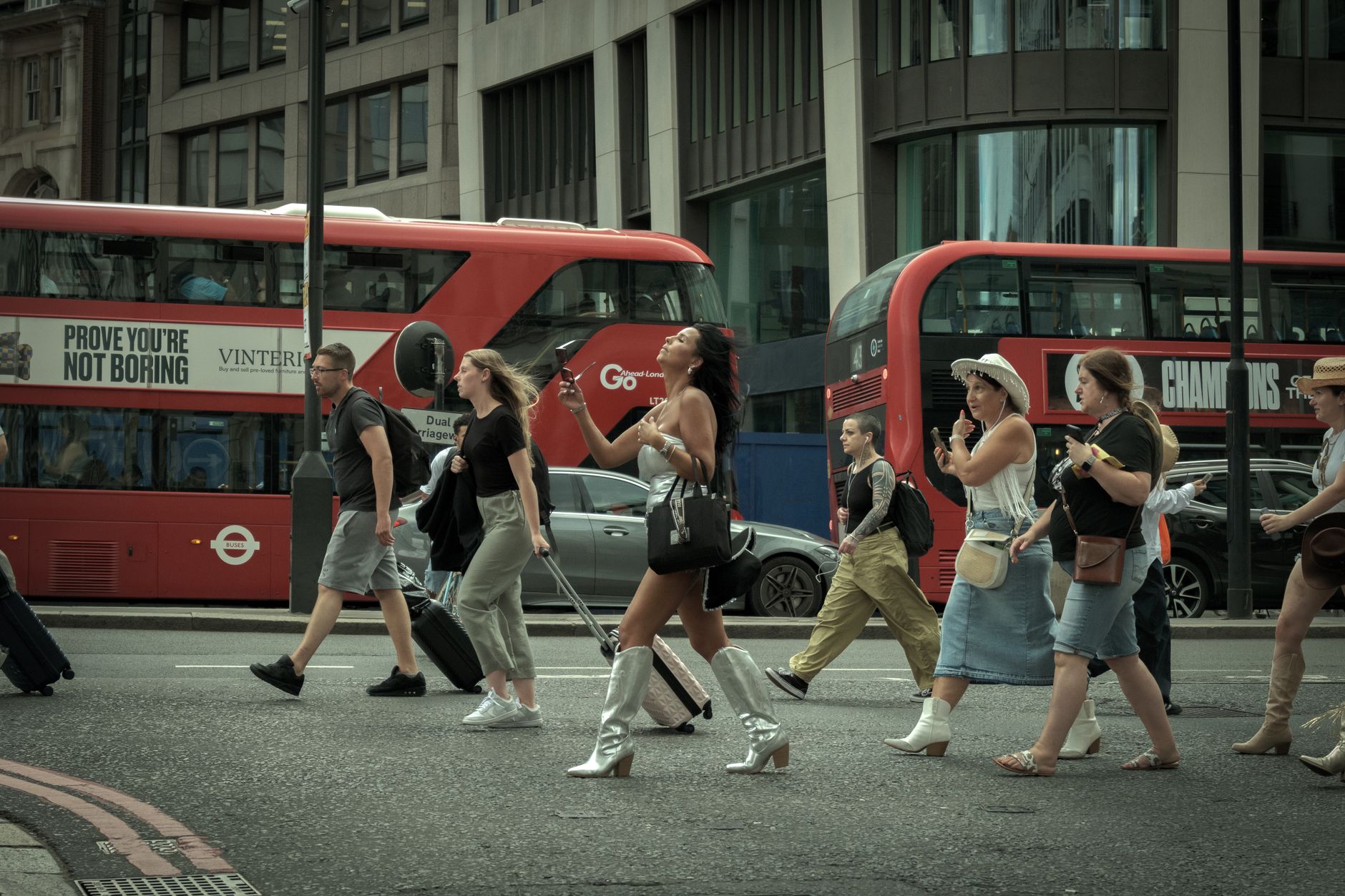
London layers two thousand years of settlement into a city that still feels perpetually mid-sentence. The Roman wall that once enclosed Londinium still surfaces in basement car parks and office lobbies across the City; the medieval street plan survives in alleys too narrow for a car. What you get here is not a single mood but a series of distinct villages — Bermondsey, Clerkenwell, Peckham, Marylebone — each with its own character, pressed together into something that takes years to read properly.
The Thames is the organizing spine. Everything worth understanding about London's geography, its power and its contradictions, comes clearer once you orient yourself to the river.
Popular cities in London
 City of London
 City of Westminster
 London Borough of Camden
 London Borough of Greenwich
 London Borough of Hackney
 London Borough of Hammersmith and Fulham
 London Borough of Haringey
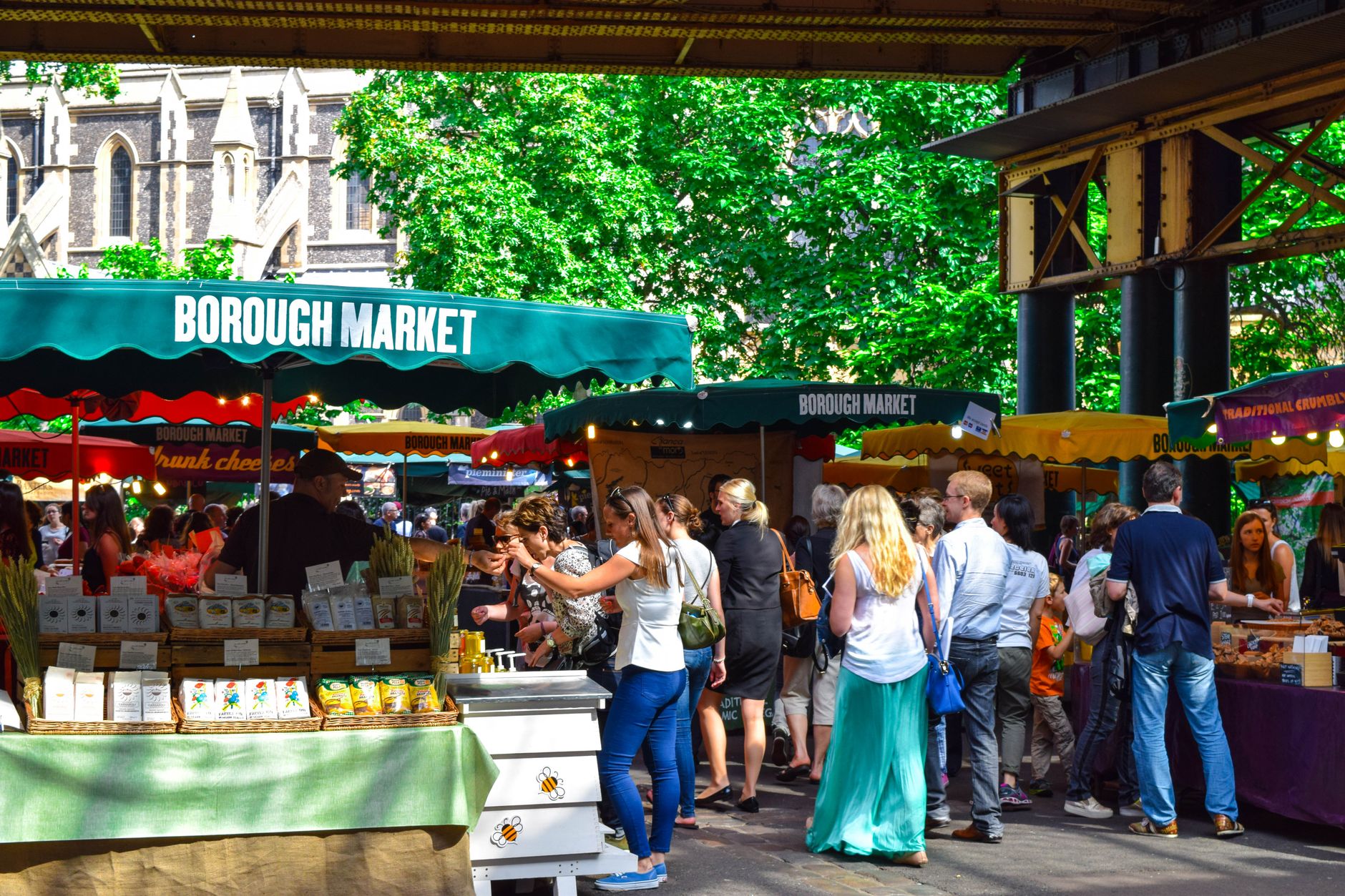 London Borough of Islington
 London Borough of Lambeth
 London Borough of Lewisham
 London Borough of Southwark
 London Borough of Tower Hamlets
💛 What travellers fall for
People who come back regularly learn early to use an Oyster card or tap contactless — never buy a paper ticket. They eat before the theatre rush, not after. And they stop treating zones as a deterrent: some of the most rewarding afternoons happen well outside Zone 1, where the city starts to feel like it belongs to the people who actually live there.
How London came to be
Romans established Londinium between 47 and 50 CE, and the city's earliest confirmed structure — a timber drain — dates to 47 AD. Within a generation it was burned to the ground by Boudica, queen of the Iceni, during her revolt against Roman rule around 60–61 CE. The Romans rebuilt, and between roughly 190 and 225 they enclosed the landward side with a defensive wall. By the late 5th century, Roman withdrawal had left the city nearly empty.
Revival came in stages. In 886, Alfred the Great brought settlers back within the old Roman walls for defence, renaming it Lundenburh. The Norman Conquest of 1066 set the city's future trajectory: William I built the White Tower in the 1070s, anchoring the Tower of London, and London's primacy among English cities was effectively settled.
Who and what shaped it
People who shaped it
Landmark buildings
See London in motion
Plan your visit
On the map
When to go
London's climate is temperate and overcast for much of the year — winters are cool and grey, with average highs around 9°C (48°F) and snow rare despite falling on perhaps 16 days annually. Summers are mild rather than hot, with July and August highs around 23–24°C (73–75°F); rain arrives in any season, so carrying a light layer is sensible year-round.
Right now
↡ Cities


Background & history adapted from Wikipedia (CC BY-SA) · specs from Wikidata (CC0) · weather from Open-Meteo · map data © OpenStreetMap contributors · photos from Wikimedia Commons / Unsplash with per-image credit. No third-party reviews or social posts reproduced.