
City of Westminster


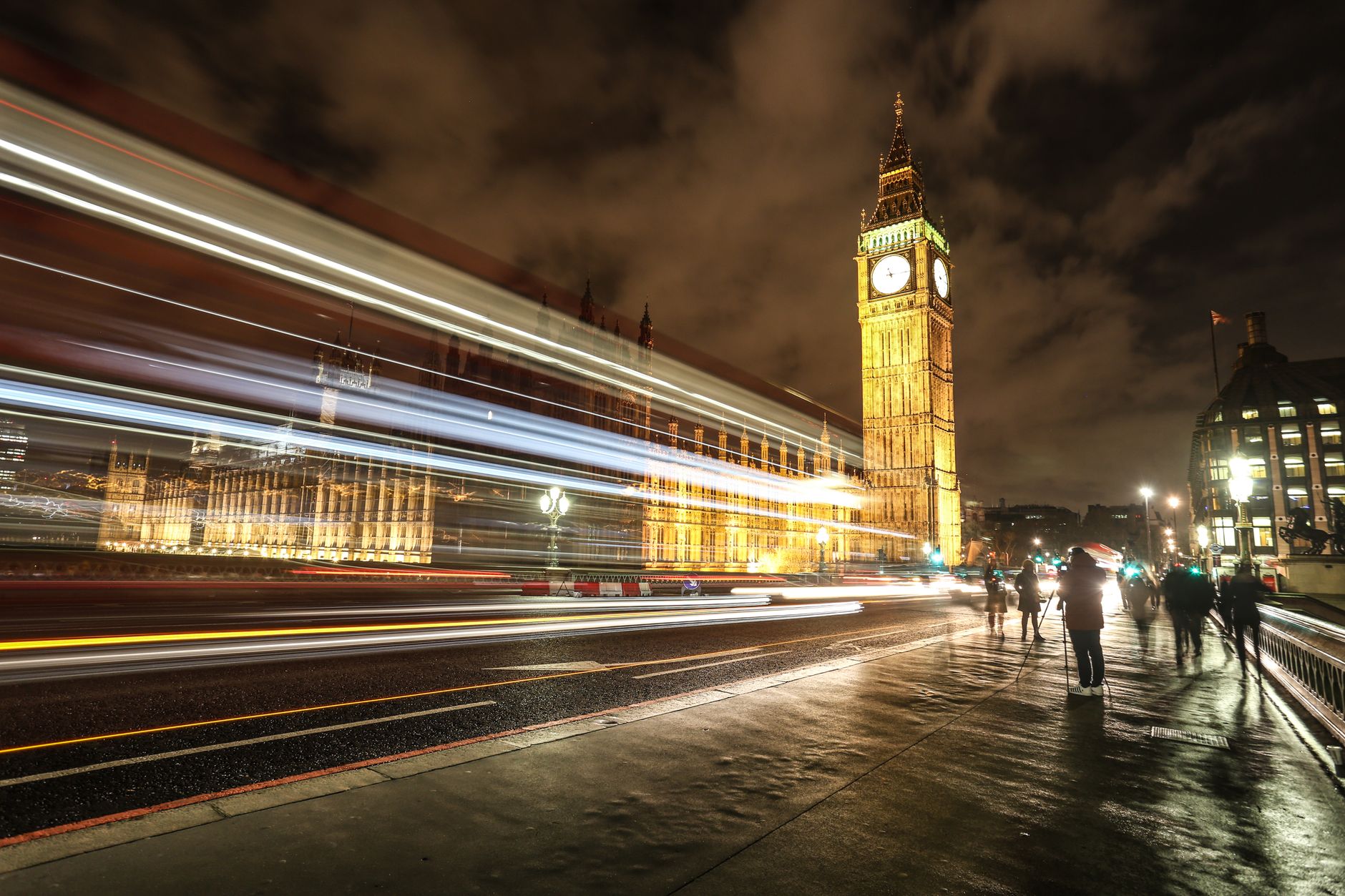
Stand at the junction of Bridge Street and the Embankment on a grey morning and you're looking at roughly a thousand years of English power compressed into a single view: the Elizabeth Tower, the Gothic spires of the Palace of Westminster, the Thames running cold beneath Westminster Bridge. This is where Edward the Confessor planted an abbey and a palace in the mid-11th century, and where the machinery of British government has more or less stayed ever since.
The City of Westminster is not a neighbourhood you pass through — it's a place the country keeps returning to. Parliament sits here. The monarch is crowned here. Decisions that ripple outward from this half-square-mile have shaped the world in ways that are easy to take for granted until you're actually standing in Westminster Hall, built in 1097, and the scale of it lands.
💛 What travellers fall for
People who come back tend to do two things differently: they book a Big Ben tower tour well ahead — demand is high and access is limited — and they show up to watch a live debate in the Commons or Lords, which costs nothing and cuts through any abstraction about what Parliament actually is. The queue for debates moves faster than you'd expect.
Deals in City of Westminster
Book directly at the provider


How City of Westminster came to be
The story of Westminster begins on Thorney Island, a marshy patch in the Thames where a Benedictine community was documented as early as the 960s. It was Edward the Confessor who fixed the place in history: in the mid-11th century he raised a grand abbey there and built a palace beside it, ensuring that church and crown would share the same ground. Westminster Abbey was consecrated in December 1065, a month before Edward died. Henry III rebuilt it after 1245; the Lady Chapel followed in 1512; Nicholas Hawksmoor finished the West Front Towers in 1745.
The Palace of Westminster grew alongside the Abbey for centuries until fire destroyed most of it in 1834 — Westminster Hall, raised in 1097, survived. Charles Barry designed the replacement; it wasn't finished until 1868. Both the Abbey and the Palace were added to the UNESCO World Heritage list in 1987. Westminster was granted city status by letters patent in 1540, though it wasn't formally incorporated as a borough until 1900, and its current boundaries — absorbing Paddington and St. Marylebone — date only to 1965.
Who and what shaped it
People who shaped it
Landmark buildings
See City of Westminster in motion
Plan your visit
On the map
When to go
Summers are mild and partly cloudy, with highs around 23–24°C in July and August; winters are damp and grey, averaging around 5–6°C in January, with frequent rain but rarely hard frost. Spring and early autumn tend to offer the most cooperative weather for long days on foot.
Right now
Background & history adapted from Wikipedia (CC BY-SA) · specs from Wikidata (CC0) · weather from Open-Meteo · map data © OpenStreetMap contributors · photos from Wikimedia Commons / Unsplash with per-image credit. No third-party reviews or social posts reproduced.