
London Borough of Hackney

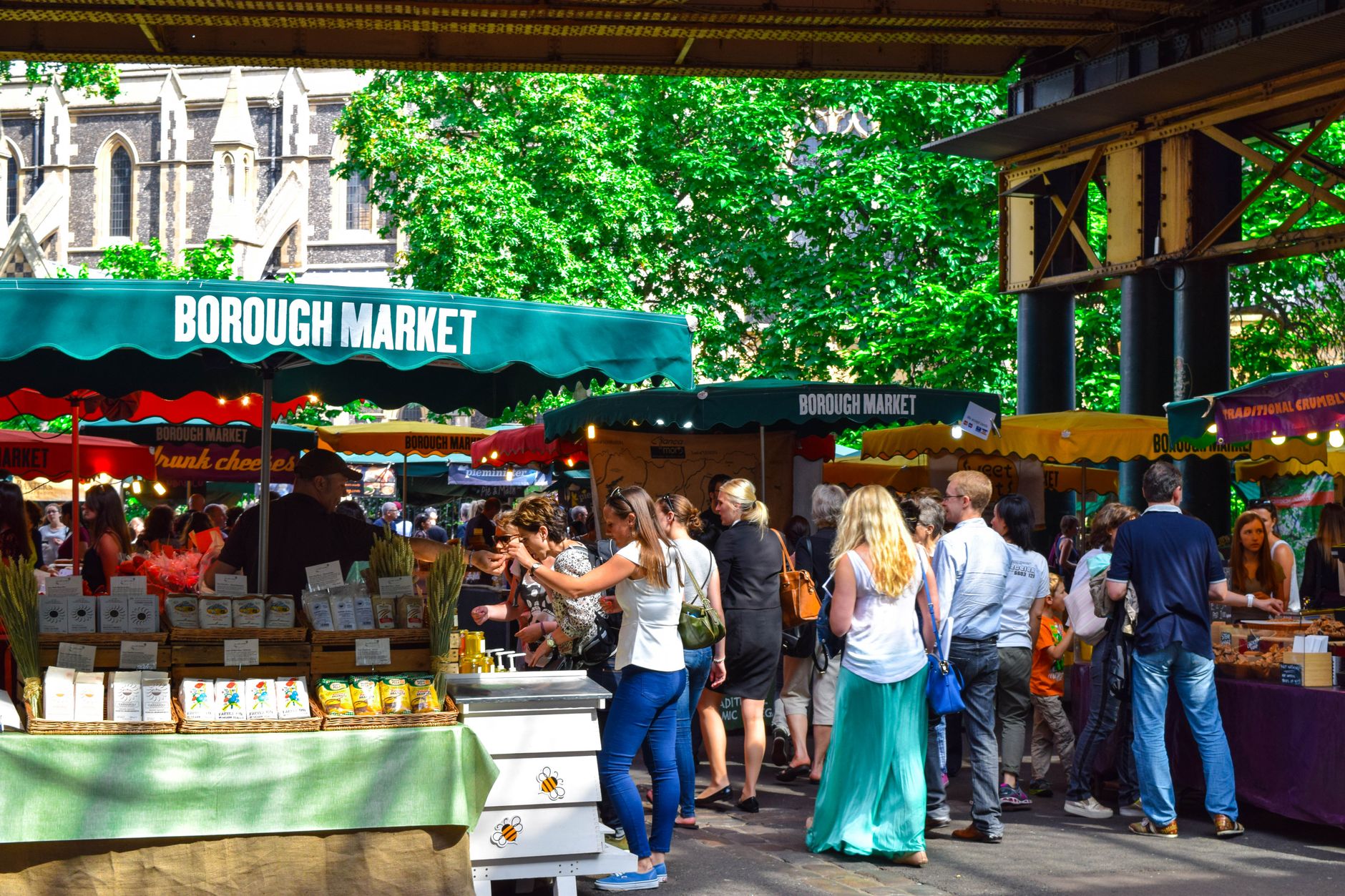
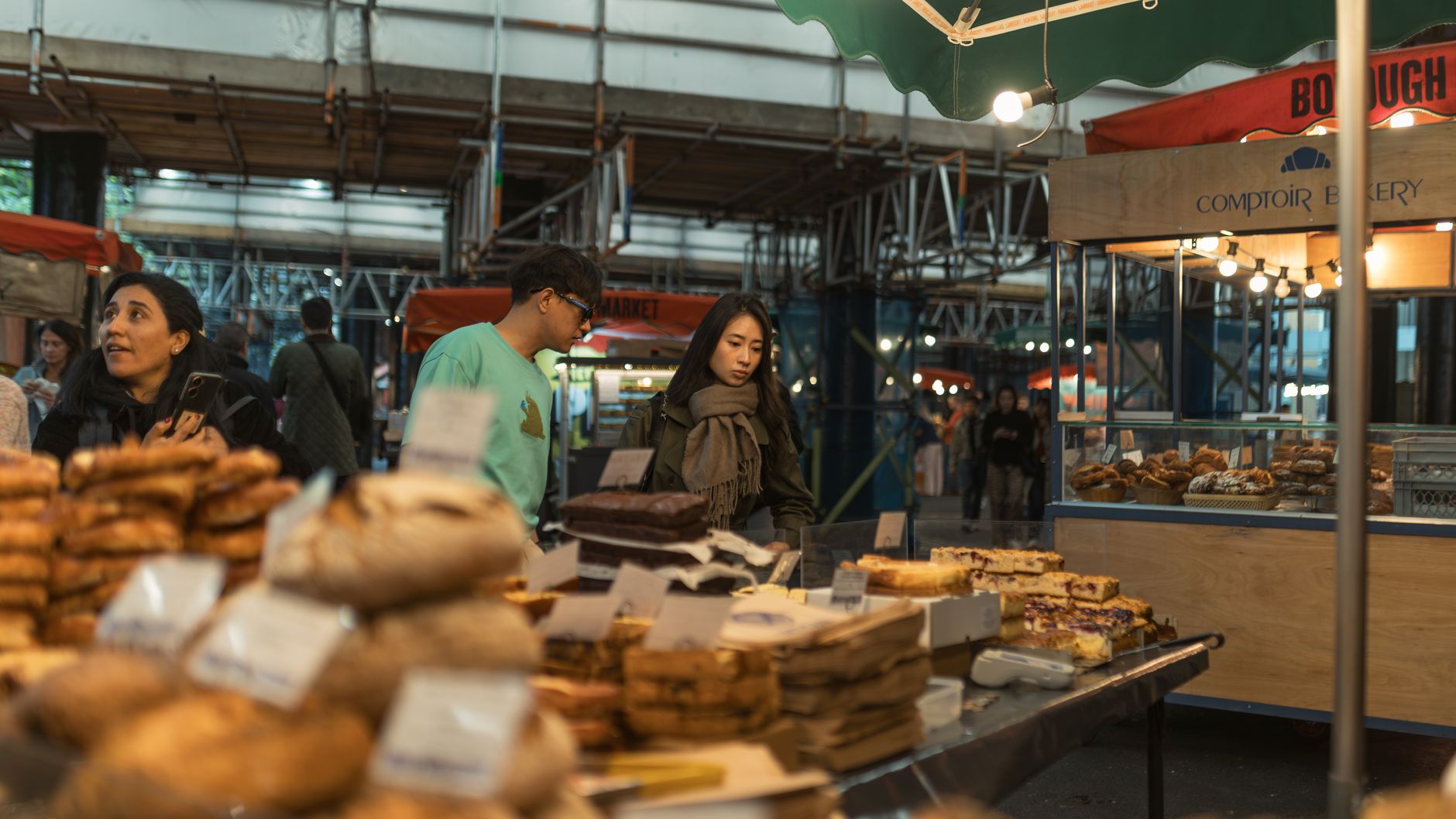


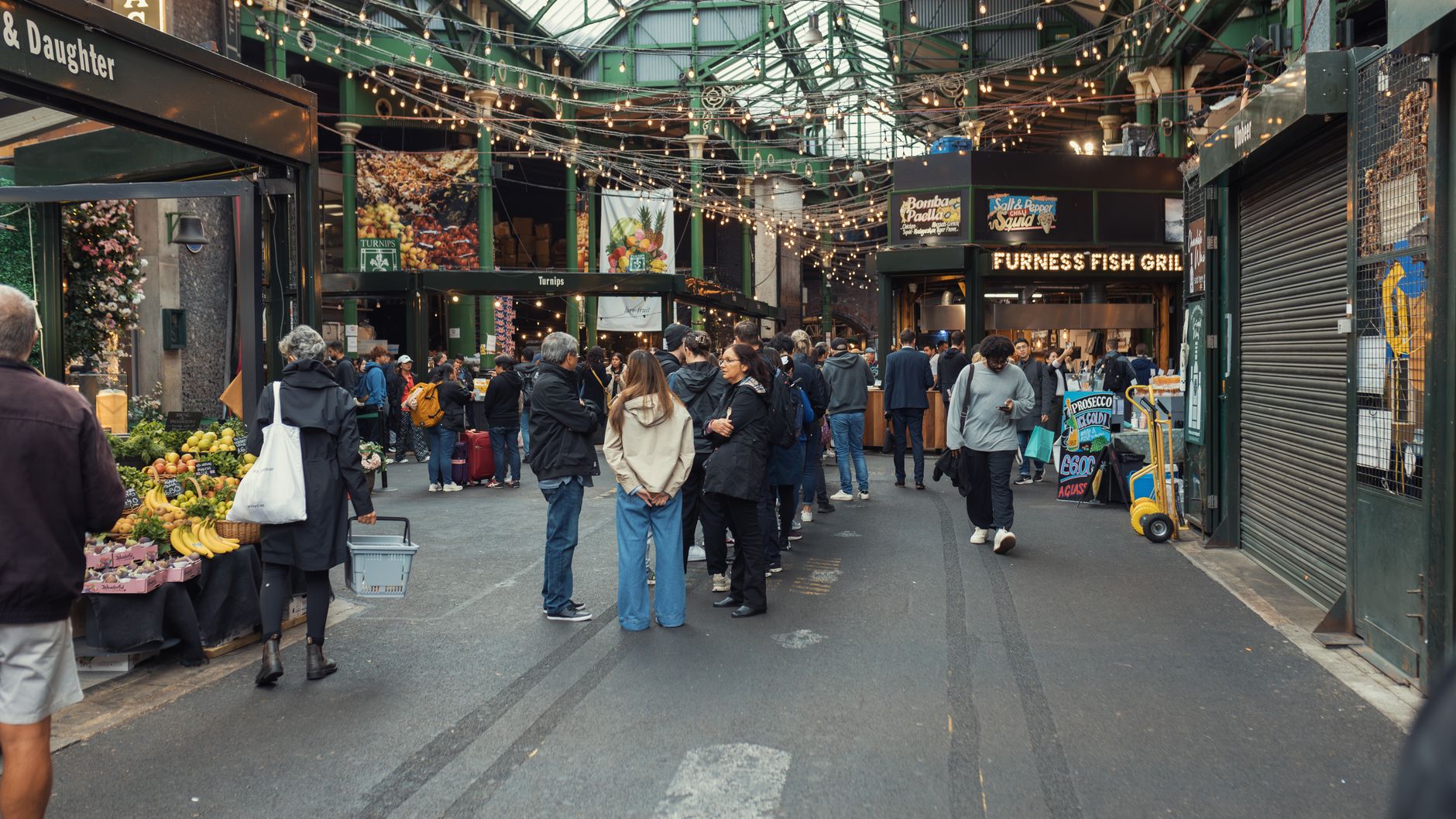
Stand on Mare Street on a Saturday morning and the borough lays itself out plainly: the Art Deco curve of the Town Hall, the smell of coffee from a dozen independent cafes, and somewhere behind you the low brick tower of St Augustine's — older than the street itself, older than most of the city you think you know. Hackney is east London's administrative and cultural spine, running from the Elizabethan theatre-ground of Shoreditch up through London Fields to the Victorian cemetery at Stoke Newington.
It holds more history than its reputation for the contemporary might suggest. The same ground that once fed Roman Londinium later sheltered Nonconformist writers and gave the world its first purpose-built playhouse. The 58 parks spread across 282 hectares keep it surprisingly green for somewhere so close to the centre.
💛 What travellers fall for
People who keep coming back tend to anchor their Saturdays at Broadway Market — coffee, then the stalls, then a slow afternoon in London Fields. The lido, reopened in 2006 after nearly two decades shut, is the other fixed point: heated, open year-round, and worth arriving early on a summer morning before the lanes fill up.
Deals in London Borough of Hackney
Book directly at the provider
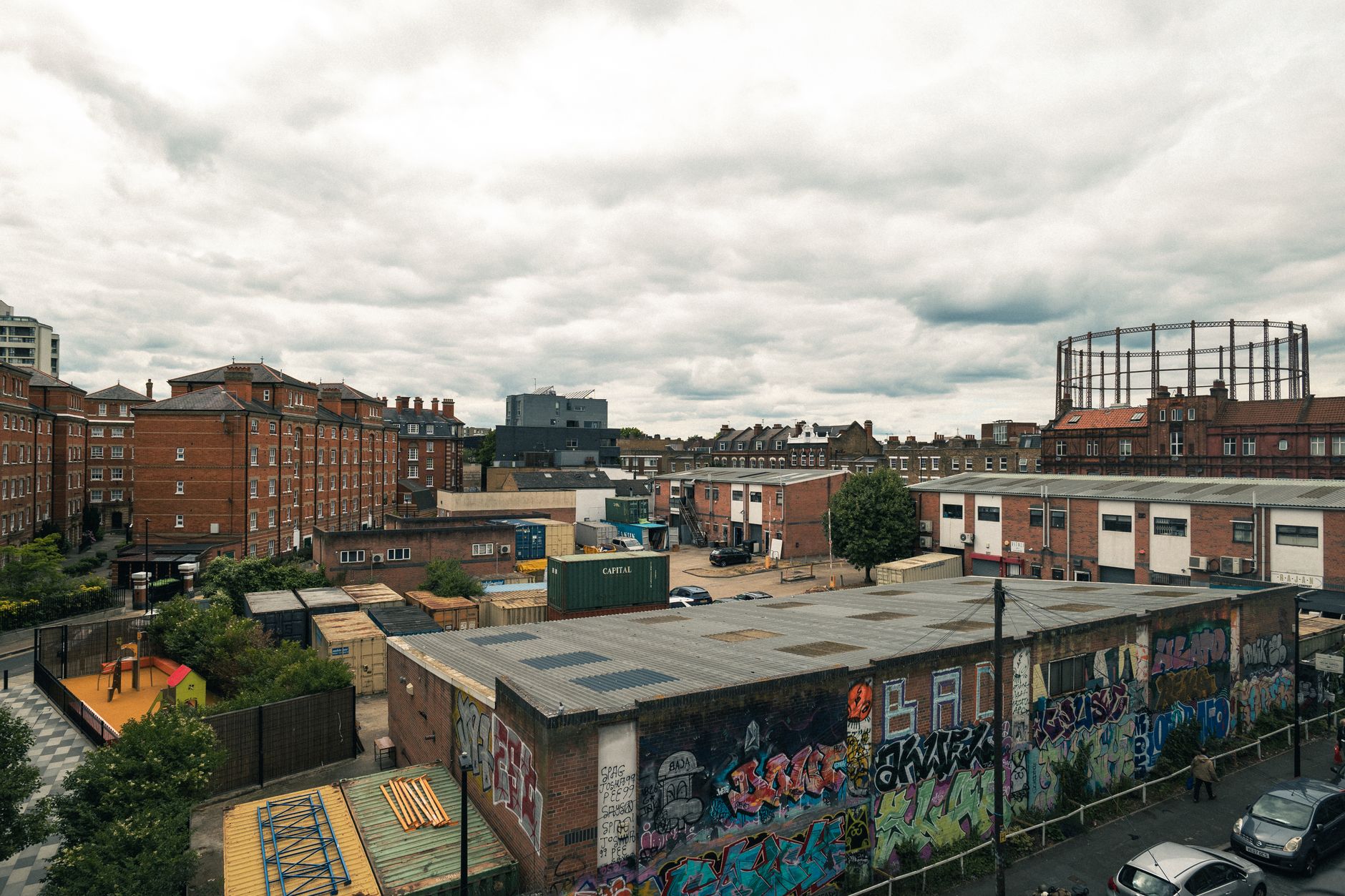

How London Borough of Hackney came to be
The name appears in records as Hakney in 1231, but the land was already old — Saxon settlement, and before that farmland feeding Roman Londinium. By the Tudor period it was prosperous enough for courtiers: Sutton House was built around 1530 for one of Henry VIII's men, and St Augustine's Tower dates from roughly the same reign, the sole survivor of a church demolished in 1798.
Shoreditch, now the borough's southern edge, was where London's first purpose-built playhouse, the Theatre, opened in 1576. When its lease expired in 1598, the timbers were carried south across the river and reassembled as the Globe. Three separate metropolitan boroughs — Hackney, Shoreditch and Stoke Newington — were merged into the current borough in 1965, uniting histories that had run in parallel for centuries.
Who and what shaped it
People who shaped it
Landmark buildings
See London Borough of Hackney in motion
Plan your visit
On the map
When to go
Hackney follows London's temperate pattern: mild, frequently grey, with rain distributed fairly evenly across the year. Summer afternoons in London Fields can be genuinely warm, making the lido and the park's edges worth planning around, while winter visits are best timed around indoor anchors like the Hackney Empire or Sutton House.
Right now
Background & history adapted from Wikipedia (CC BY-SA) · specs from Wikidata (CC0) · weather from Open-Meteo · map data © OpenStreetMap contributors · photos from Wikimedia Commons / Unsplash with per-image credit. No third-party reviews or social posts reproduced.