
London Borough of Southwark


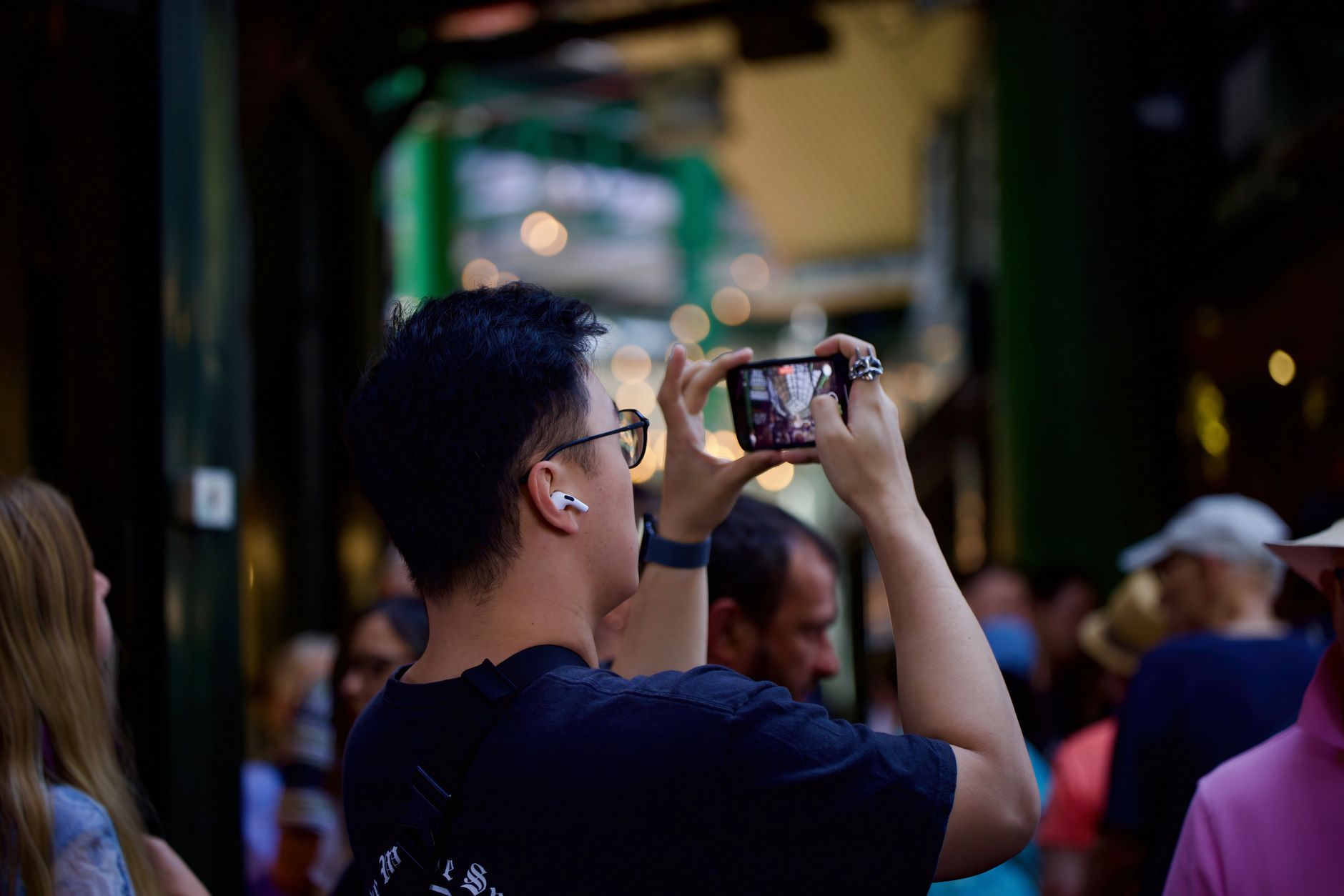


Stand on the south bank of the Thames and you are on ground that Romans bridged around 43 AD, that Shakespeare's company used for an audience, and that Renzo Piano punctuated in 2012 with a 310-metre spike of glass. Southwark has always been the place London did its living — the theatres, the markets, the hospitals — just across the water from the City's rules.
Borough Market has been feeding this neighbourhood for more than 800 years. The George, a galleried inn rebuilt in 1676, is still pouring. Tate Modern sits in a converted power station. The Shard catches the morning light above London Bridge station. History and the contemporary press right up against each other here, without apology.
💛 What travellers fall for
People who come back tend to time Borough Market for a Thursday, when the crowds thin enough to actually talk to a stallholder. The walk from Tate Modern east along the riverfront to HMS Belfast — past the Globe, past The George's courtyard — takes about forty minutes and keeps rewarding the slow pacer. Dulwich Picture Gallery, further south, is worth the extra journey.
Deals in London Borough of Southwark
Book directly at the provider
How London Borough of Southwark came to be
The Romans threw a bridge across the Thames here around 43 AD, and a settlement grew on the south bank to serve it. King Alfred formalised that presence in the 880s, establishing a defensive burh he called Southwark — the southern defensive work. It was a Parliamentary borough by 1295, briefly absorbed as a ward of the City of London in the 14th and 16th centuries, then gradually reasserted its own identity.
By the Elizabethan period, Southwark's position just outside the City's jurisdiction made it the natural home for theatres, inns, and industries the City preferred to keep at arm's length. Guy's Hospital opened in 1726. Southwark Cathedral — originally an Augustinian priory, then a parish church after the Reformation — became a cathedral only in 1905. The modern borough was assembled in 1965 from three earlier metropolitan boroughs: Southwark, Bermondsey, and Camberwell.
Who and what shaped it
People who shaped it
Landmark buildings
See London Borough of Southwark in motion
Plan your visit
On the map
When to go
Summers are mild and manageable — July and August sit around 23–24°C with long evenings that make the riverside walk genuinely pleasant. Winter is damp and grey rather than bitter, averaging around 5–6°C in January, but the indoor density of Tate Modern, the Cathedral, and Borough Market means there's always shelter worth stepping into.
Right now
Background & history adapted from Wikipedia (CC BY-SA) · specs from Wikidata (CC0) · weather from Open-Meteo · map data © OpenStreetMap contributors · photos from Wikimedia Commons / Unsplash with per-image credit. No third-party reviews or social posts reproduced.