
City of London

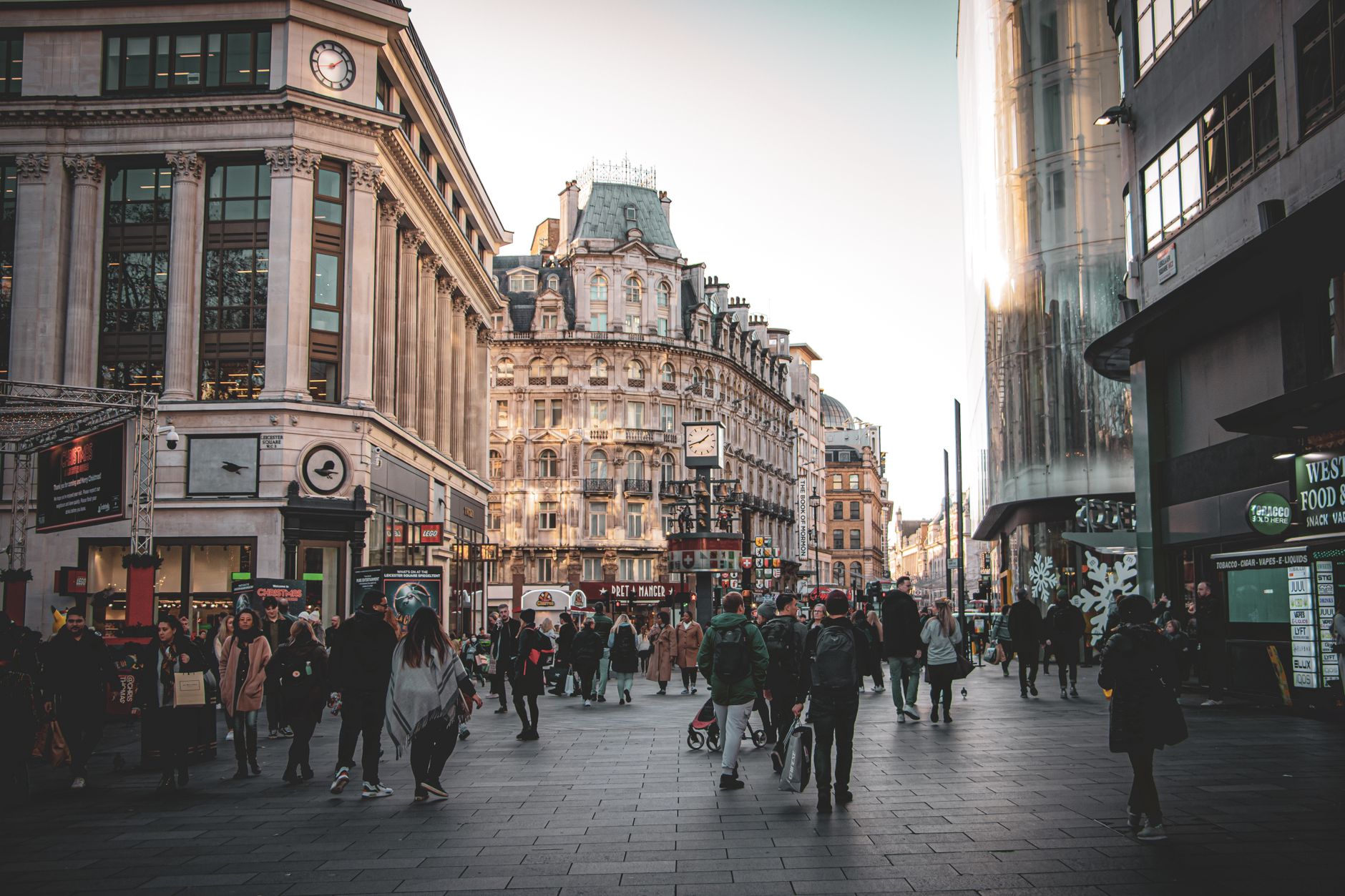

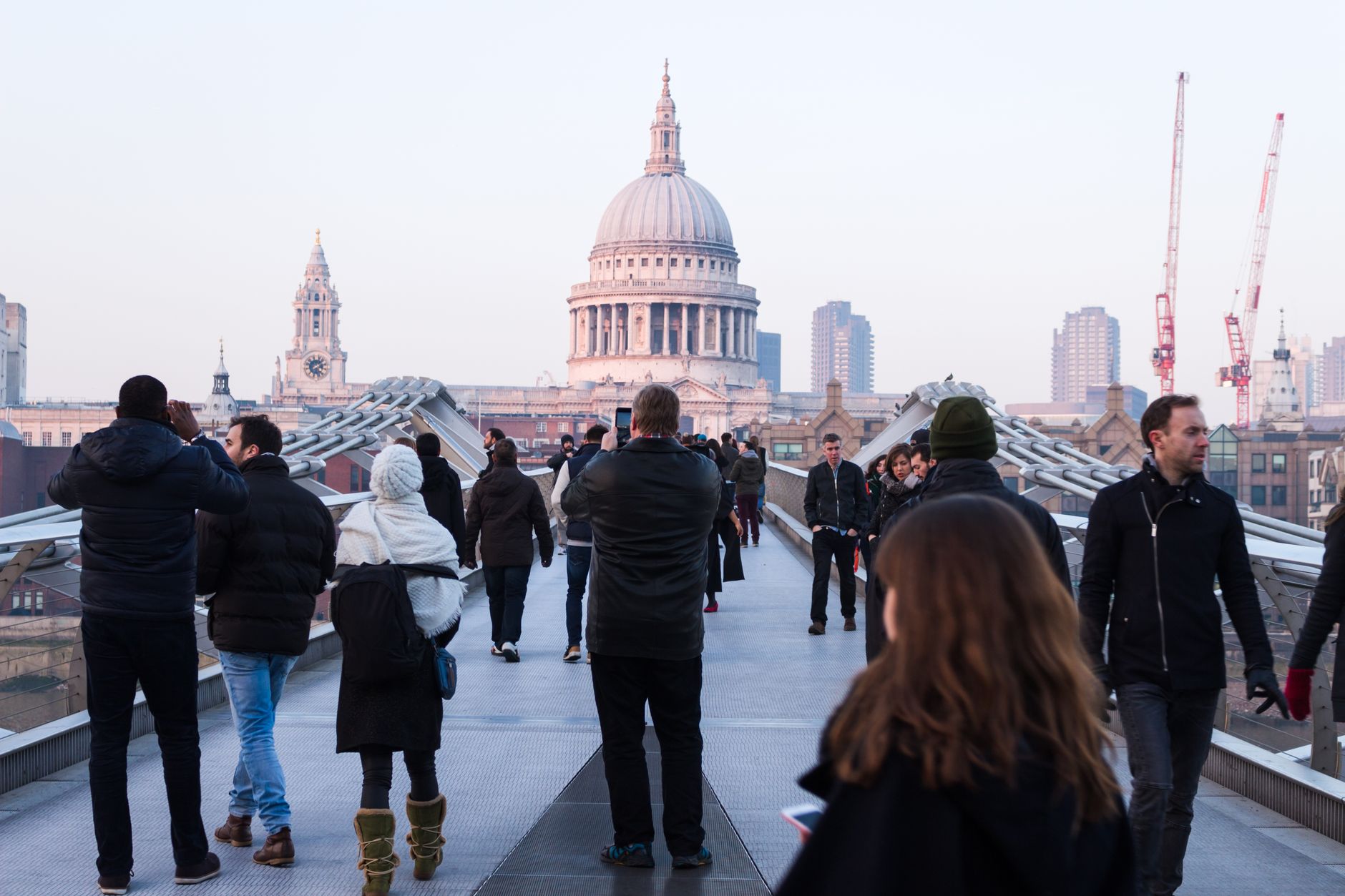


The City of London covers just over a square mile — the smallest city in the UK by area — yet more than half a million people pass through it on a working day, outnumbering its 8,500 or so residents by roughly sixty to one. At its edges, black bollards topped with the city's dragon emblem mark where this ancient boundary begins, and the shift is immediate: medieval street lines beneath glass towers, a Roman wall fragment tucked beside a car park, the dome of St Paul's still clearing the skyline at 365 feet.
This is where London started, and the weight of that is visible at street level if you slow down long enough to look. The Bank of England and the Stock Exchange stand within a few hundred yards of each other; so does the Monument to the Great Fire that cleared the way for much of what you now see.
💛 What travellers fall for
People who keep coming back tend to arrive early on a weekday, when the streets around Guildhall and Smithfield are quiet enough to hear your own footsteps. The 528-step climb to St Paul's Golden Gallery is worth the burning legs — the view across the Thames is unobstructed in a way that surprises most first-timers who assumed the dome would be hemmed in.
Deals in City of London
Book directly at the provider

How City of London came to be
Londinium was founded by the Romans around 47–50 AD; the earliest confirmed structure is a timber drain dated to 47 AD. Boudicca's forces burned the settlement in 60 AD, and the Romans rebuilt it, raising a defensive wall between 190 and 225 AD whose line still defines the City's boundary today. When Roman authority withdrew in 410 AD the city fell into near-abandonment for four centuries.
Alfred the Great recaptured London in 886, reoccupied the old walled Roman city, built quays along the Thames and laid a new street plan. William I granted a charter to its citizens in 1066 and established the White Tower — the core of the Tower of London — just outside the walls. The Great Fire of 1666 destroyed much of what had accumulated since, clearing the ground for Christopher Wren's St Paul's Cathedral, completed in 1710.
Who and what shaped it
People who shaped it
Landmark buildings
See City of London in motion
Plan your visit
On the map
When to go
The City sits in an oceanic climate shaded toward the warmer end by its urban density — winters are damp and mild rather than bitter, summers warm but rarely extreme. August nights average around 15°C; the absolute record high hit 37.6°C in 2003, though a light layer is sensible almost any month.
Right now
Background & history adapted from Wikipedia (CC BY-SA) · specs from Wikidata (CC0) · weather from Open-Meteo · map data © OpenStreetMap contributors · photos from Wikimedia Commons / Unsplash with per-image credit. No third-party reviews or social posts reproduced.