
London Borough of Greenwich


Stand in the courtyard of the Royal Observatory and look down at a thin steel line set into the stone. One foot either side of it and you're in different hemispheres — a fact that sounds like a tourist cliché until you're actually standing there, slightly unsure which foot to trust. Greenwich is the borough where the world agreed to set its clocks, and that particular kind of authority — scientific, maritime, royal — runs through almost everything here.
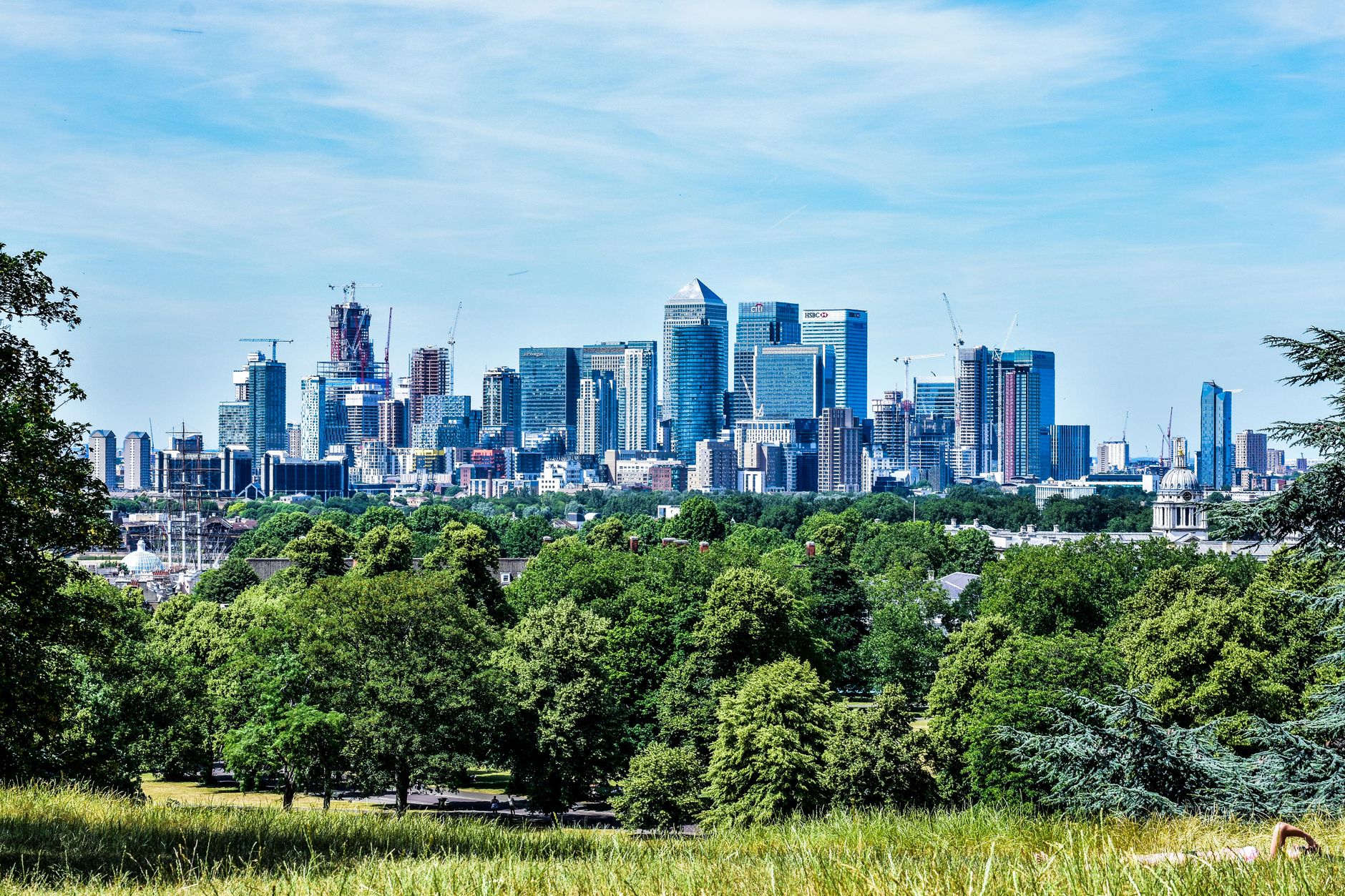
The hill, the river, the ships, the colonnades of what was once a naval hospital: the borough wears its history without much fuss. Three Tudor monarchs were born here. The Prime Meridian was fixed here in 1884. The Cutty Sark sits at the riverfront like it simply forgot to leave.
💛 What travellers fall for
People who come back tend to time the river boat from London Bridge rather than the train — 25 minutes on the water reframes the whole arrival. They also learn quickly that the Cutty Sark DLR stop drops you closer to the action than Greenwich station itself, and that the Observatory is worth booking ahead: the queue for the meridian line moves slowly on weekends.
Deals in London Borough of Greenwich
Book directly at the provider

How London Borough of Greenwich came to be
The site's royal chapter opens in the 15th century, when Henry VI and Henry VII developed the Palace of Placentia on the riverbank. Henry VIII was born here in 1491; so were Mary I and Elizabeth I. The palace was demolished after the Civil War, and Charles II commissioned its replacement — a naval hospital designed by Christopher Wren and Nicholas Hawksmoor, which became the Royal Naval College in 1873 and remained a military institution until 1998.
Charles II also commissioned the Royal Observatory in 1675, built for £520 on the foundations of an older tower, with Wren likely assisted by Robert Hooke. John Flamsteed, appointed first Astronomer Royal that same year, worked in Flamsteed House — the first purpose-built scientific research facility in Britain. The whole ensemble — observatory, Queen's House, naval college, National Maritime Museum — was designated a UNESCO World Heritage Site in 1997. In 2012, the borough was granted Royal Borough status in recognition of its Tudor and Stuart connections.
Who and what shaped it
People who shaped it
Landmark buildings
See London Borough of Greenwich in motion
Plan your visit
On the map
When to go
Greenwich follows London's pattern: mild and frequently grey, with the best light arriving between May and September. The park and hill are worth the visit in any season, but winter visits mean shorter observatory hours and a cold wind off the Thames that the colonnades do little to block.
Right now
Background & history adapted from Wikipedia (CC BY-SA) · specs from Wikidata (CC0) · weather from Open-Meteo · map data © OpenStreetMap contributors · photos from Wikimedia Commons / Unsplash with per-image credit. No third-party reviews or social posts reproduced.