
Laval
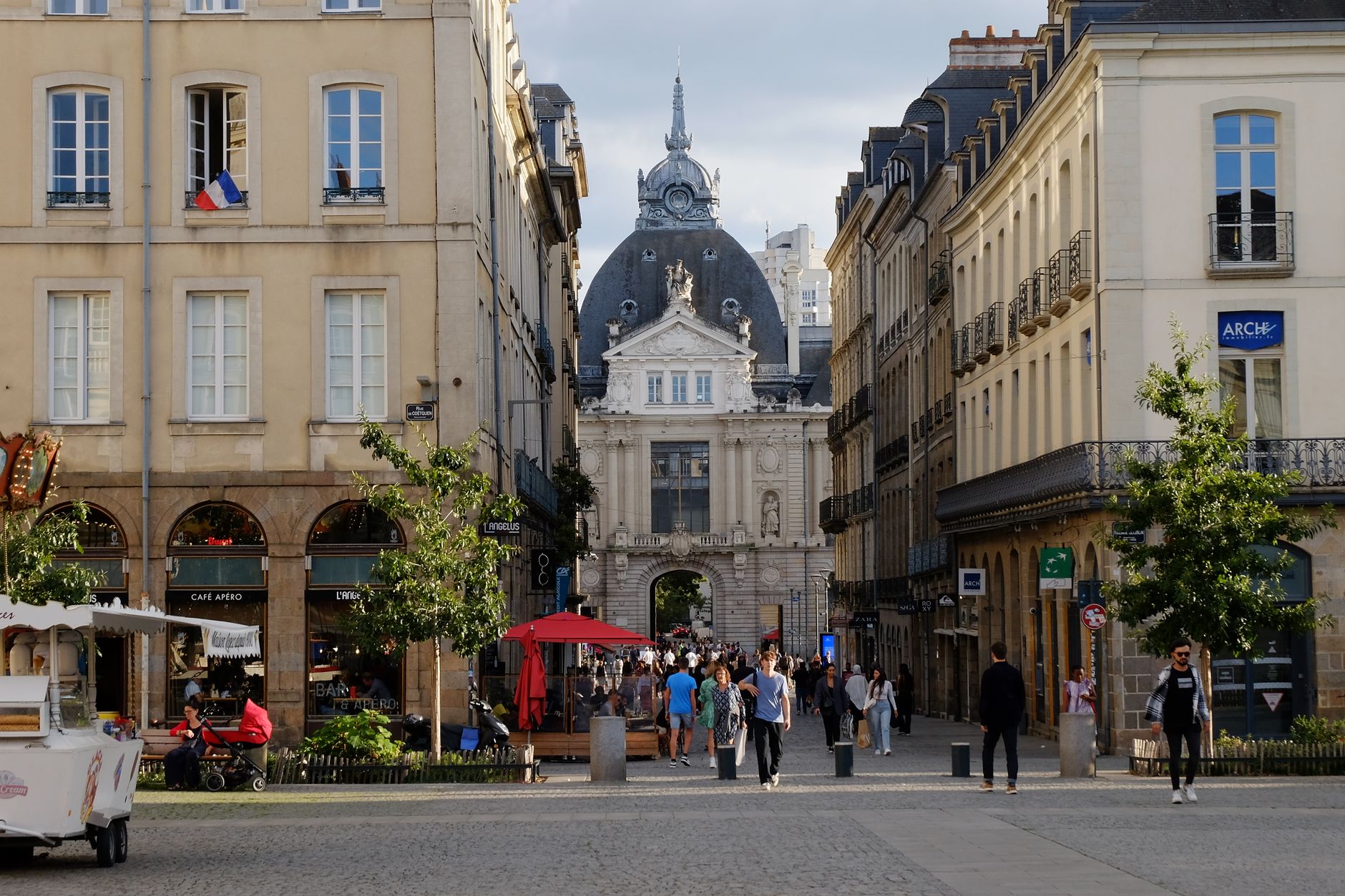
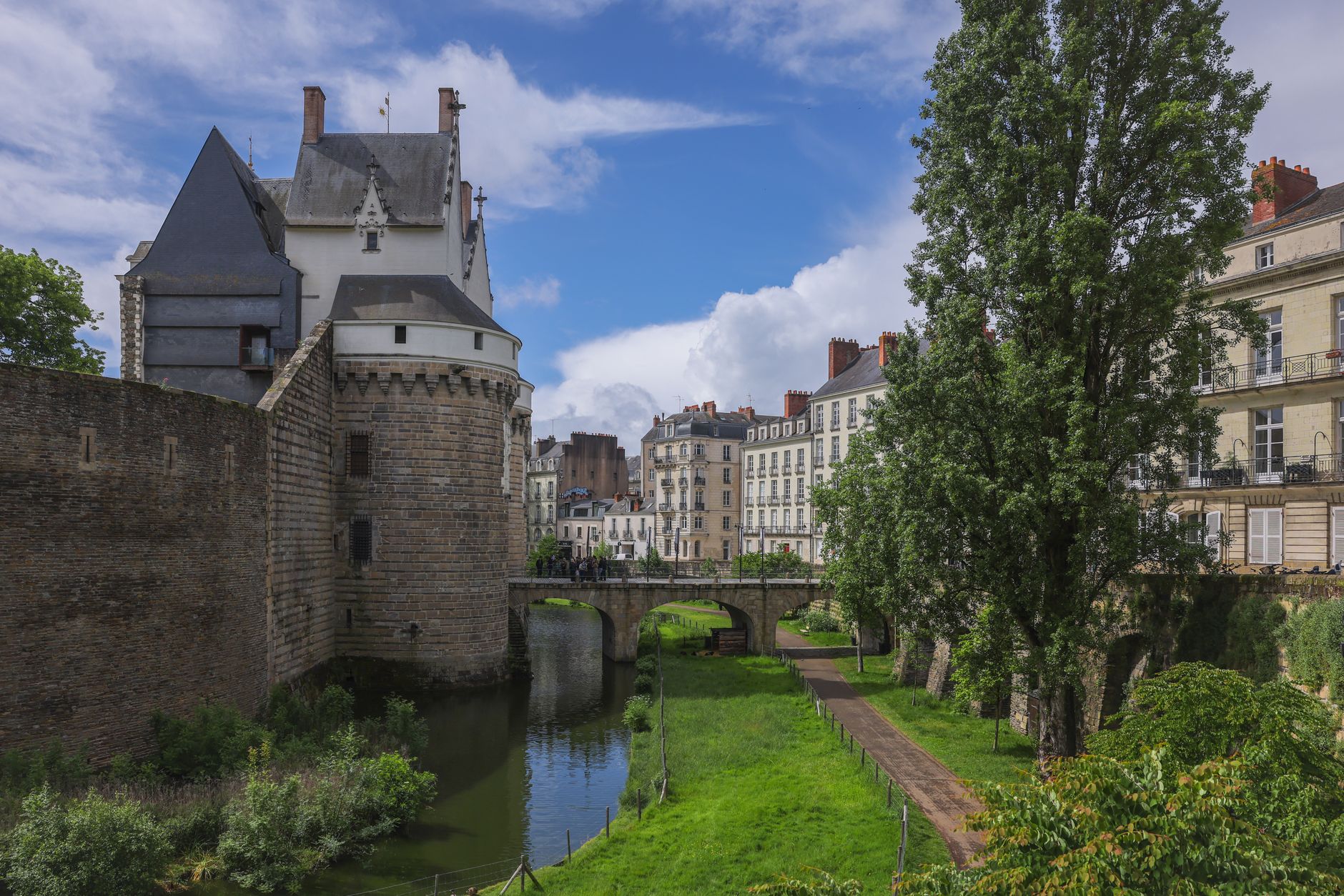
Laval sits on the Mayenne river with a medieval castle on one bank and a Renaissance gallery on the other, and the gap between them tells you most of what you need to know about the city's long ambition. It was a border town — the march between France and Brittany — and that frontier position gave its ruling counts both a reason to build fortifications and the wealth, eventually, to decorate them.
Today the old castle houses one of Europe's more serious collections of Naïve Art, anchored by the work of Henri Rousseau, who was born here. That pairing — defensive stone tower, dreamy painted jungles — is quietly characteristic of the place.
💛 What travellers fall for
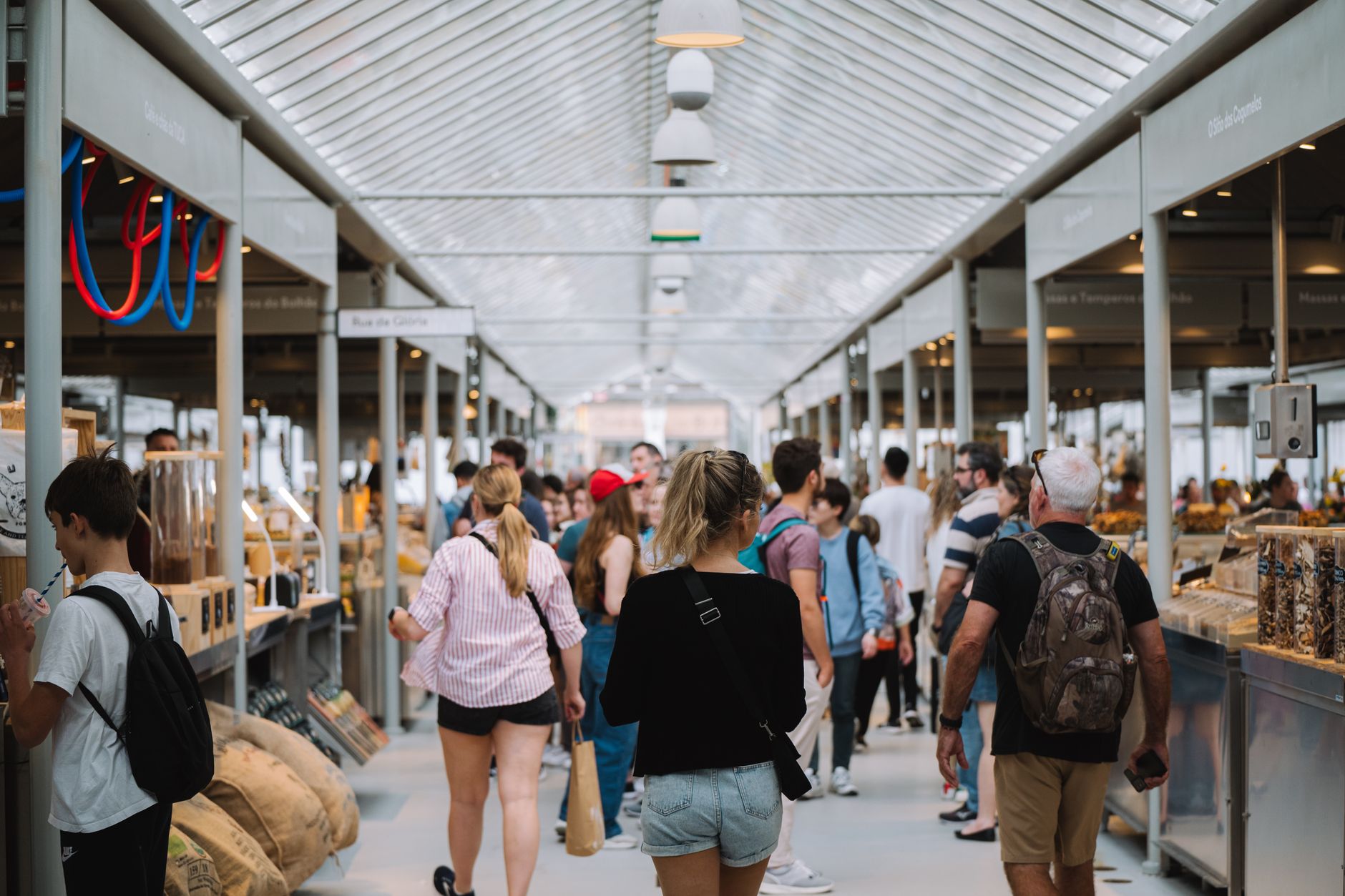
People who come back tend to mention the Saturday market near the former Palais de Justice, the free electric shuttle that lets you drift through the centre without thinking about parking, and the Cathedral of the Holy Trinity's six 17th-century tapestries, which most visitors walk past too quickly.
Experiences you don't want to miss


Deals in Laval
Book directly at the provider


How Laval came to be
Laval took shape around 1020 as a fortified position on the march between France and Brittany. The castle's circular keep dates to the early lords of Laval, and the House of Laval grew into one of the most powerful dynasties in Maine and Brittany. Around 1300 the counts developed a textile industry; two centuries later they were patrons of the French Renaissance, and Guy XVII added a Renaissance gallery to the castle complex around 1542.
The Wars of the Vendée left a darker mark. Counterrevolutionary forces twice seized the castle from Republican troops, and when the Republicans prevailed, they executed the prince de Talmont — lord of Laval and general of the Vendéen cavalry — at the castle gates. The city has carried a "Town of Art and History" designation since 1993.
Who and what shaped it
People who shaped it
Landmark buildings
See Laval in motion
Plan your visit
On the map
When to go
Summers are mild and partly cloudy, with temperatures rarely climbing above 86°F — comfortable for walking the old town. Winters are long, cold and grey, with persistent wind; if you're visiting between November and February, pack accordingly.
Right now
Background & history adapted from Wikipedia (CC BY-SA) · specs from Wikidata (CC0) · weather from Open-Meteo · map data © OpenStreetMap contributors · photos from Wikimedia Commons / Unsplash with per-image credit. No third-party reviews or social posts reproduced.