
Latomia del Paradiso
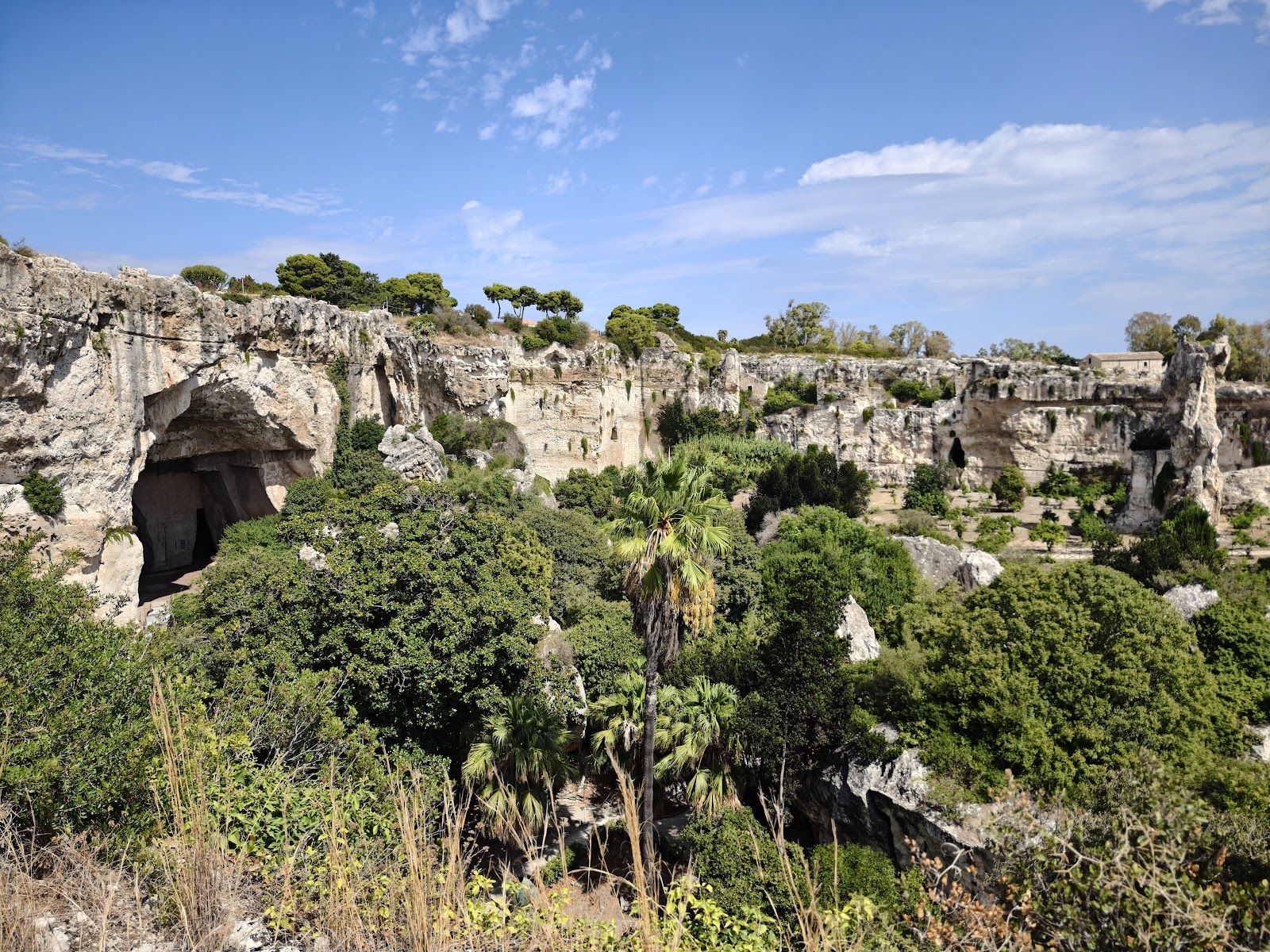
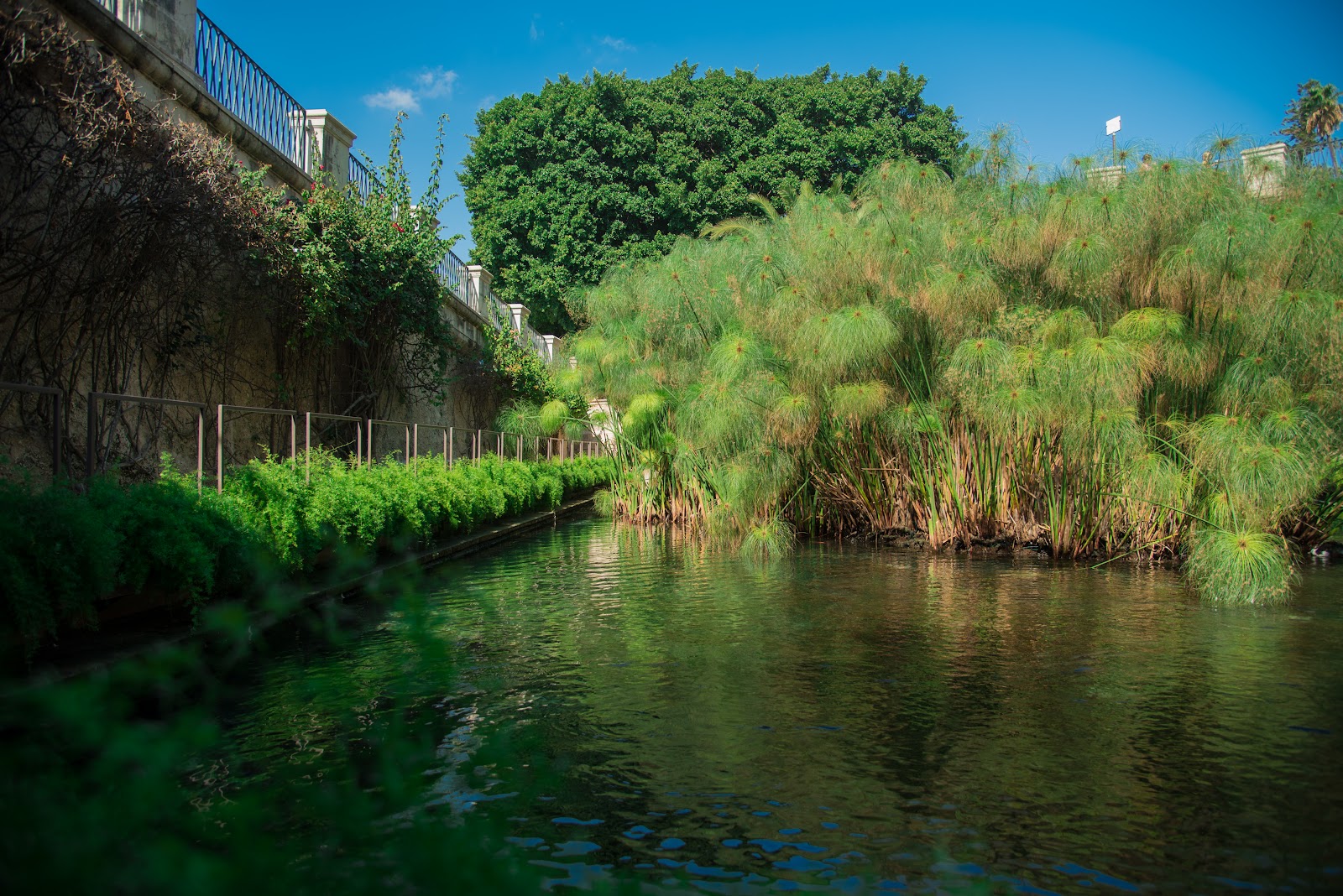
Walk down the entrance road and the city drops away. What opens before you is a vast, sun-flooded limestone pit — walls rising 30 metres or more, the floor long since softened into a garden of lemon trees and papyrus — and somewhere in the rock face ahead, a tall, S-curved cave whose acoustics are so precise that a whisper at one end reaches the other end clearly.
That cave is the Ear of Dionysius, named by Caravaggio himself when he visited in 1608. The quarry around it is older still: cut into the rock from the 6th century BC to build Syracuse, then used — after the catastrophic Athenian defeat of 413 BC — to hold more than seven thousand prisoners of war.
💛 What travellers fall for
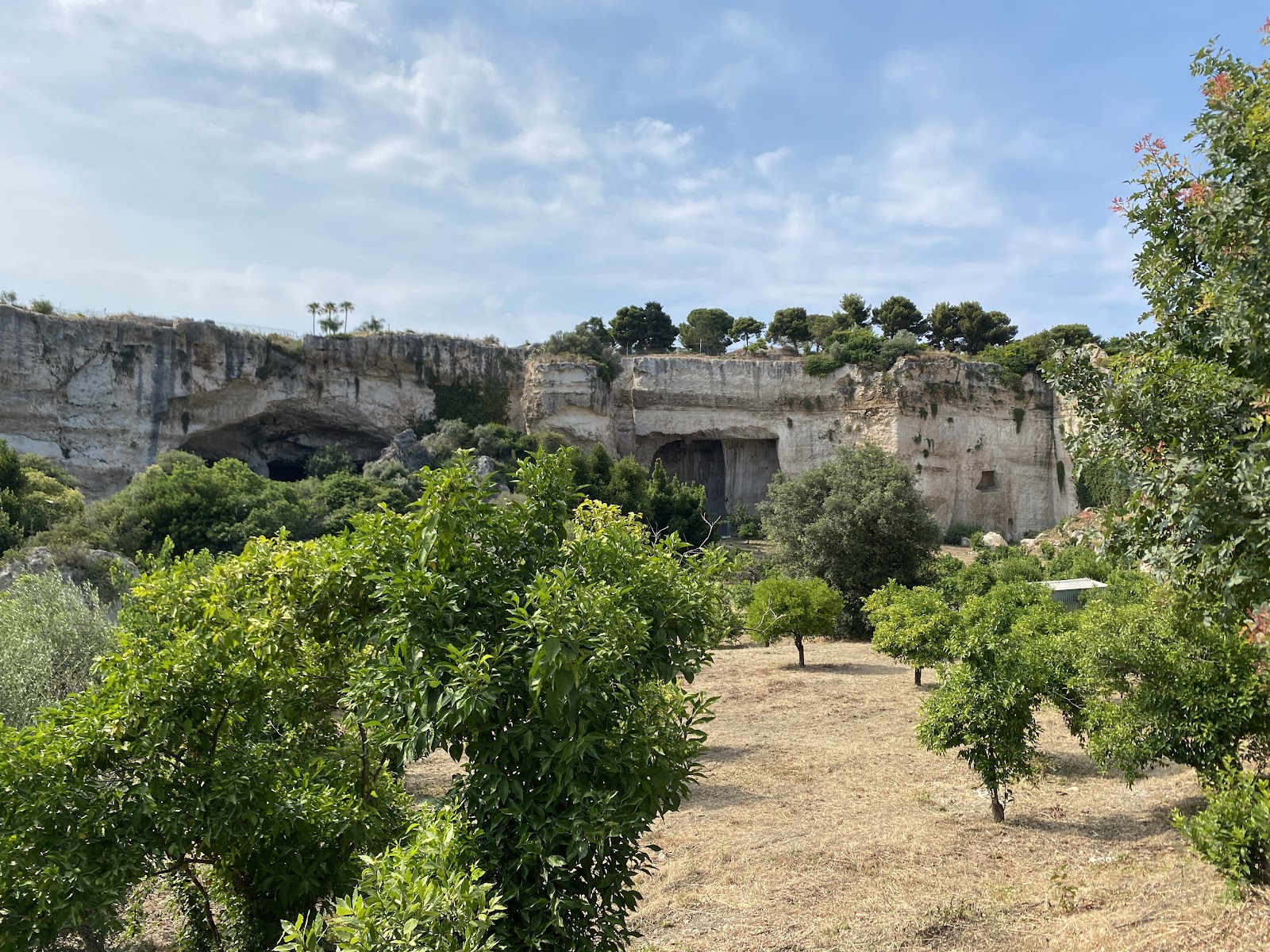
People who return tend to go straight to the Grotta dei Cordari, the ropemakers' cave, where humidity kept craftsmen twisting fibres into rope from the 17th century right through to the 1970s. It has a different atmosphere from the Ear — darker, quieter, less visited. Stand there long enough and the industrial history feels almost as present as the ancient one.
The story behind Latomia del Paradiso
Quarrying began here in the 6th century BC, cutting the limestone blocks that built ancient Syracuse. By the 5th century the excavations had produced a system of deep, precipitous cavities — and after the Second Sicilian Expedition ended in Athenian disaster in 413 BC, those cavities became a prison. Over seven thousand Athenian soldiers were held here; estimates put the total capacity at times as high as 20,000. Cicero, who saw the latomiae, called them a grandiose and magnificent work of kings and tyrants.
The vaulted earth roofs that once covered parts of the quarry collapsed in the 1693 earthquake, opening the space to sky. In the 18th and 19th centuries the floor was gradually filled in and planted, turning a place of confinement into the garden you walk through now — a transformation the Grand Tour painters, including Jean-Pierre Houël, found worth recording.
Good to know
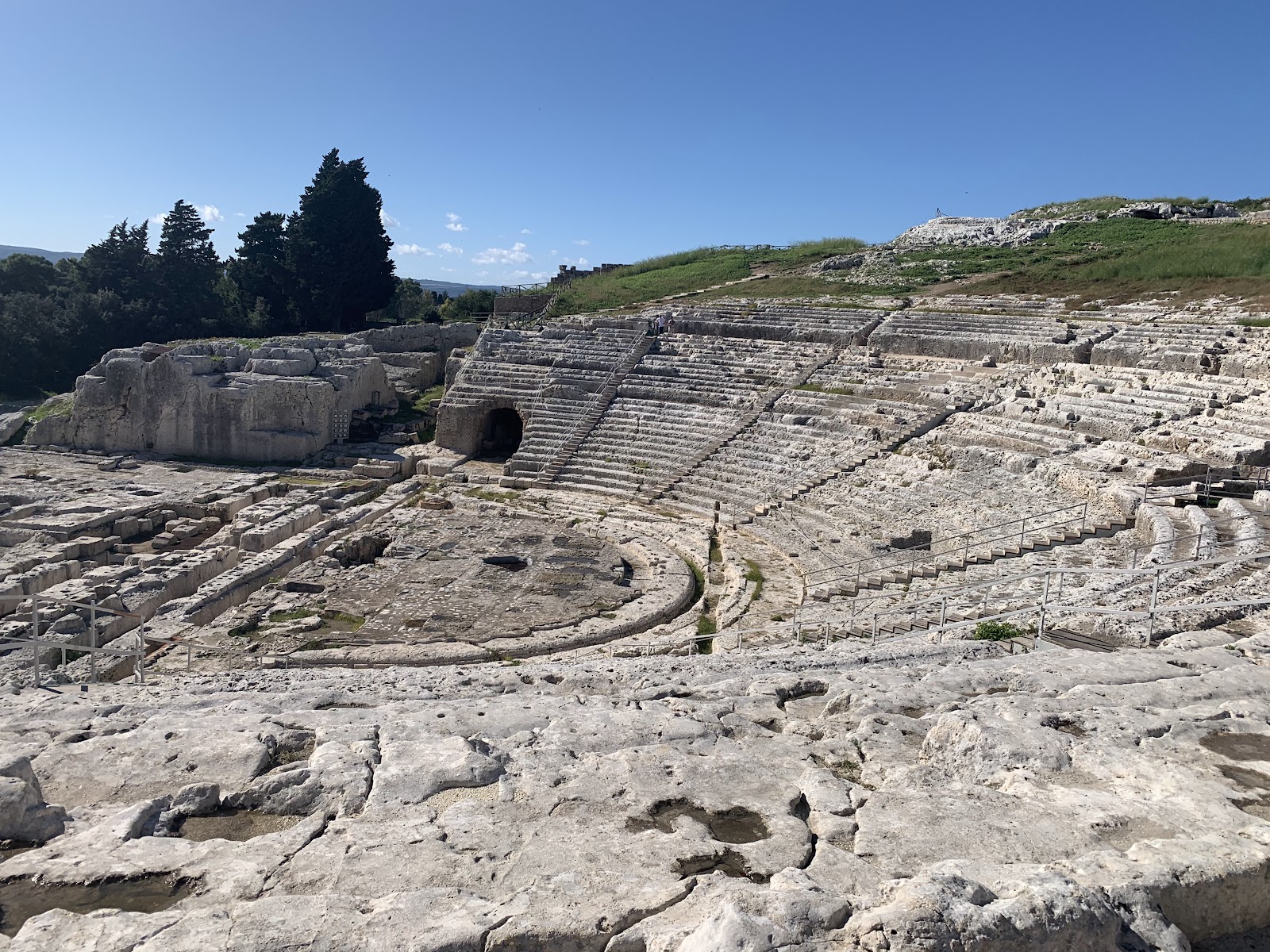
The Latomia sits inside the Parco Archeologico della Neapolis, so combine it with the Greek Theatre on the same ticket rather than making a separate trip. Come in the morning or late afternoon — midday in summer is genuinely punishing. Paths are poorly marked and signage has faded badly, so move slowly and take water.
Mid-April to mid-May and mid-September to mid-October give you manageable heat and reasonable light. Summer temperatures regularly exceed 30°C and there is almost no shade inside the quarry, so bring water regardless of when you go. Winter visits are possible — mild and sometimes sunny — but expect occasional cold, wet days.
Where is Latomia del Paradiso?
More tickets & tours for Latomia del Paradiso
Book directly at the provider
What travellers say about Latomia del Paradiso
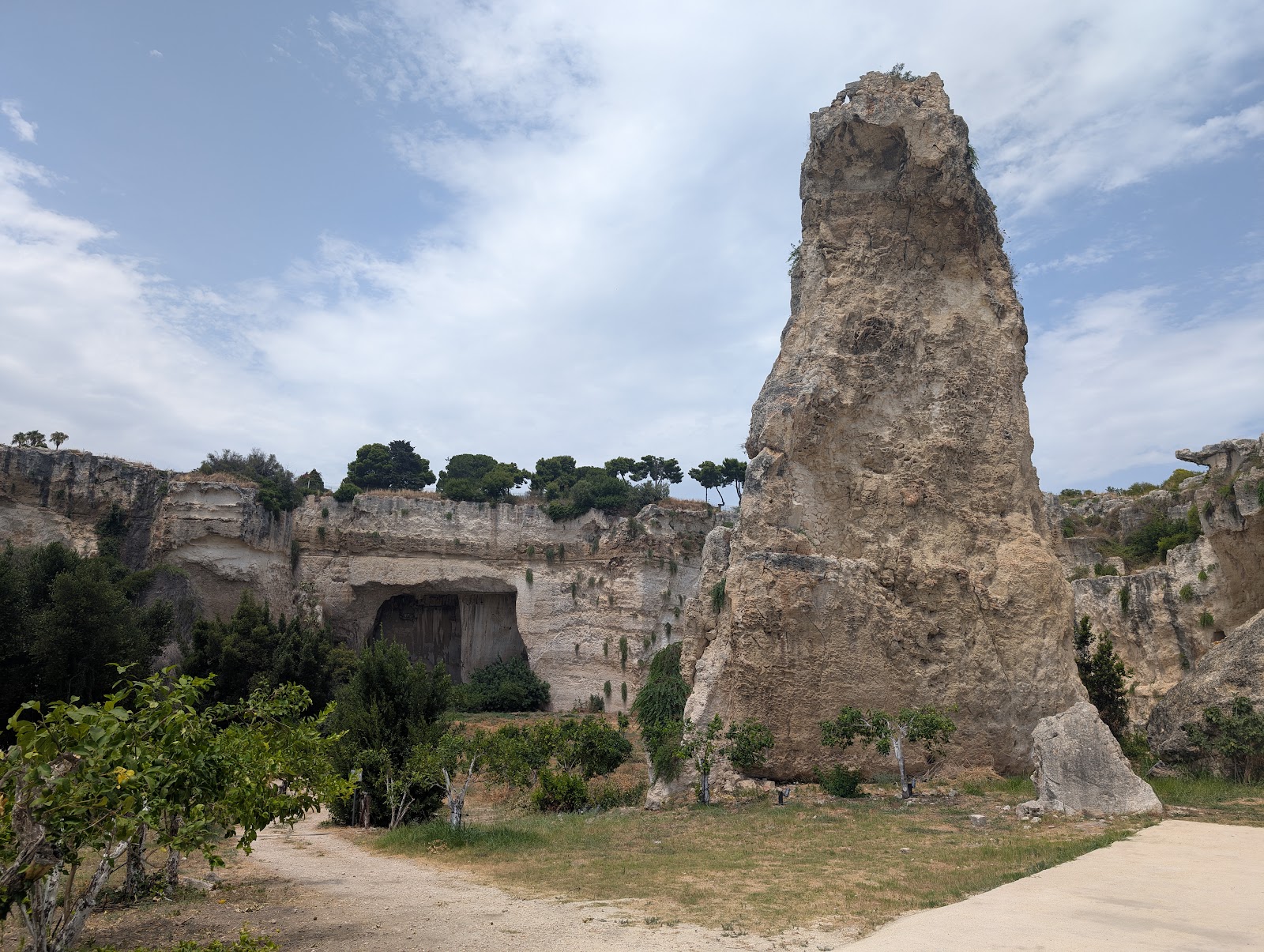
In antiquity millions of cubic meters of limestone were extracted from the Quarry of Paradise now part of the Neapolis Archaeological Park. The ancient Greek and Roman monuments of Siracusa, Sicily, Italy, originated here. A huge pillar in the quarry is all that is left of a collapsed cave.
A clear highlight in this otherwise mismanaged park. Beautiful garden, quarry and caves. With the sunlight hitting the white stone giving it all an ethereal feel. The only things bringing this experience down is the addition of art that I think reduces the impact of this historical site, and the closed off paths.
Originally, it was a limestone quarry during ancient times, serving as the source of the city's construction material. Over the centuries, it evolved into a site with unique historical and natural significance. During the Roman period, it was repurposed as a place for prisoners, and later, during the Byzantine era, it transformed into a burial ground. In the Middle Ages, it became known as "Latomia del Paradiso," and in the Renaissance, it gained a more ornamental aspect. One of the most intriguing aspects of Latomia del Paradiso is the Ear of Dionysius, a cave with exceptional acoustic properties. According to legend, the tyrant Dionysius used it as a prison and eavesdropped on the conversations of his captives.
An amazing quarry now a sort of wild garden you can walk round while visiting the archeological site. Well worth the extra time and effort to descend down and just wander through. Cool and refreshing after the heat above.
The archaeological area of Syracuse is, in my opinion, not to be missed. I visited it with a guide who allowed me to learn about several aspects that I would not have noticed on my own
More of Siracusa
Discover where to stay, what to do and the best deals for your trip.
Explore Siracusa →More attractions in Siracusa
All of Siracusa →

Background adapted from Wikipedia (CC BY-SA) · map data © OpenStreetMap contributors · ratings & place photos via Google · other photos with per-image credit. Ticket links may earn us a commission at no extra cost to you.