
Isola di Pellestrina
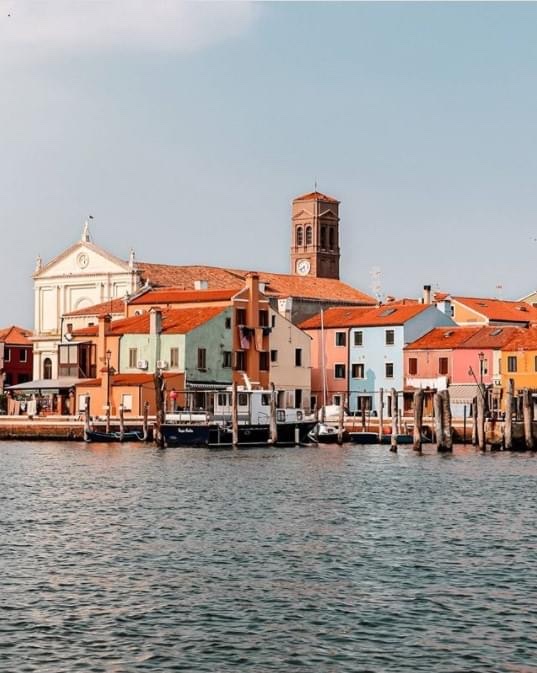
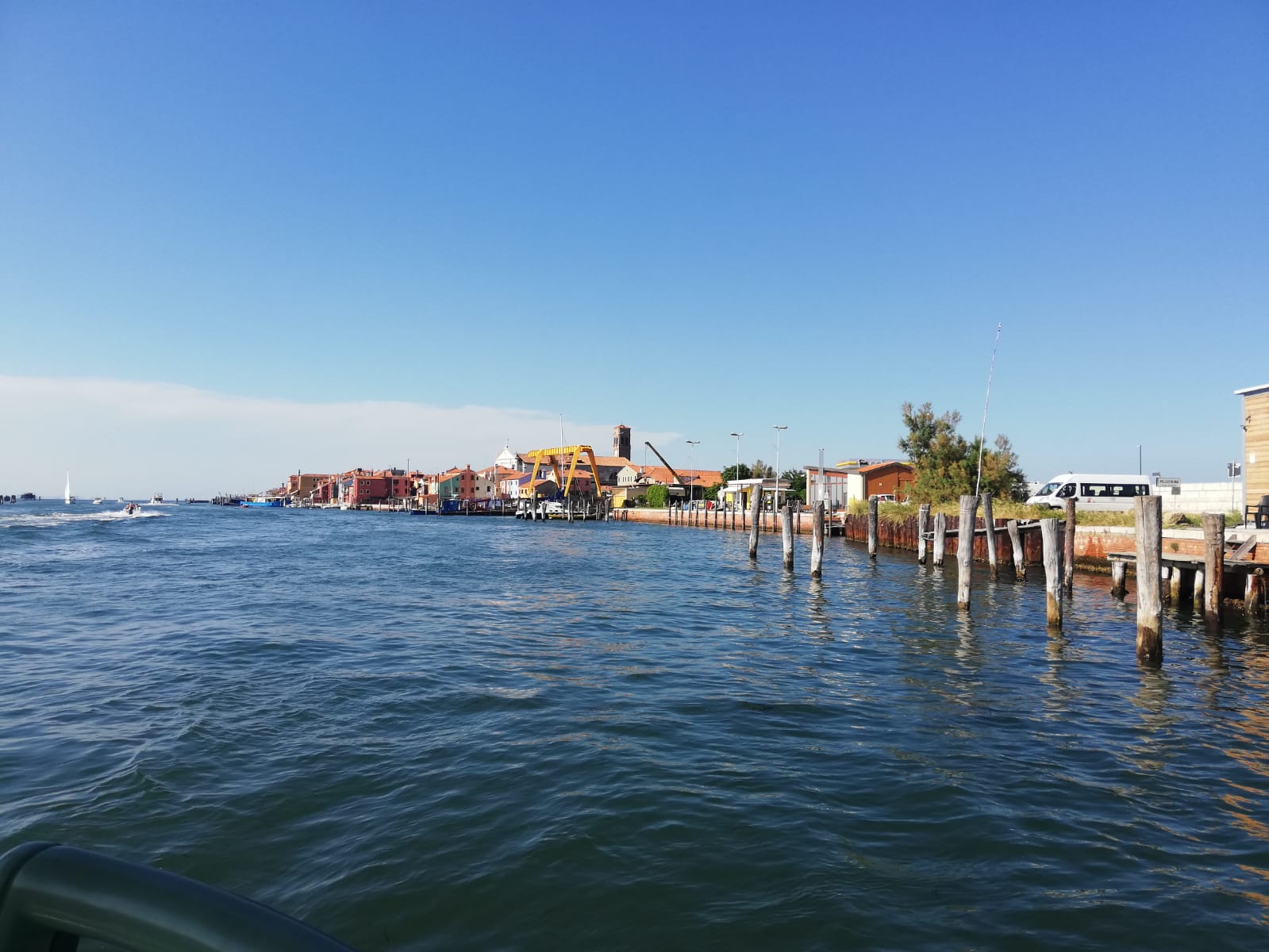
Pellestrina is a strip of land four kilometres long and sometimes barely a hundred metres wide, pinched between the Adriatic and the Venice Lagoon. Colourfully painted houses line its single main street, doors left open in the afternoon, the smell of grilled fish drifting out from thresholds where residents cook outdoors. Four villages — San Pietro in Volta, Porto Secco, Sant'Antonio di Pellestrina, and Pellestrina itself — run end to end, each named after the families who resettled here after the wars of the fourteenth century.
On the seaward side, a wall of Istrian stone called the Murazzi holds the Adriatic back. At the southern tip, Ca' Roman nature reserve preserves a dune system where 190 species of birds have been recorded. The island also has a quiet tradition of bobbin lace-making called balon, still practised here.
💛 What travellers fall for
People who return tend to book a table well in advance — restaurants are few and fill quickly. The Caroman vaporetto stop is request-only, so call +39 800-845065 at least twenty minutes before your scheduled arrival or you'll sail past. Walk the full length of the Murazzi in the late afternoon, when the light off the lagoon is at its most particular.
The story behind Isola di Pellestrina
The first settlers arrived in the sixth century, mainland refugees — many from around Padova — escaping barbarian incursions by retreating into the lagoon. After the wars between Venice and Genoa in the late fourteenth century, the island was repopulated by four families whose surnames — Scarpa, Zennari, Vianelli, Busetti — still mark its four districts today.
The most visible act of engineering came in 1716, when Vincenzo Maria Coronelli designed the Murazzi, a 23-metre-wide breakwater of Istrian stone separating the Adriatic from the lagoon. That same year, a local boy reported a vision of the Virgin Mary, prompting Bishop Giovanni Soffietti to begin the Sanctuary of Madonna dell'Apparizione in 1718. The Piccolo Museo of the South Lagoon, opened in 2007, holds the island's record of floods, fishing life, and the Murazzi themselves.
Good to know
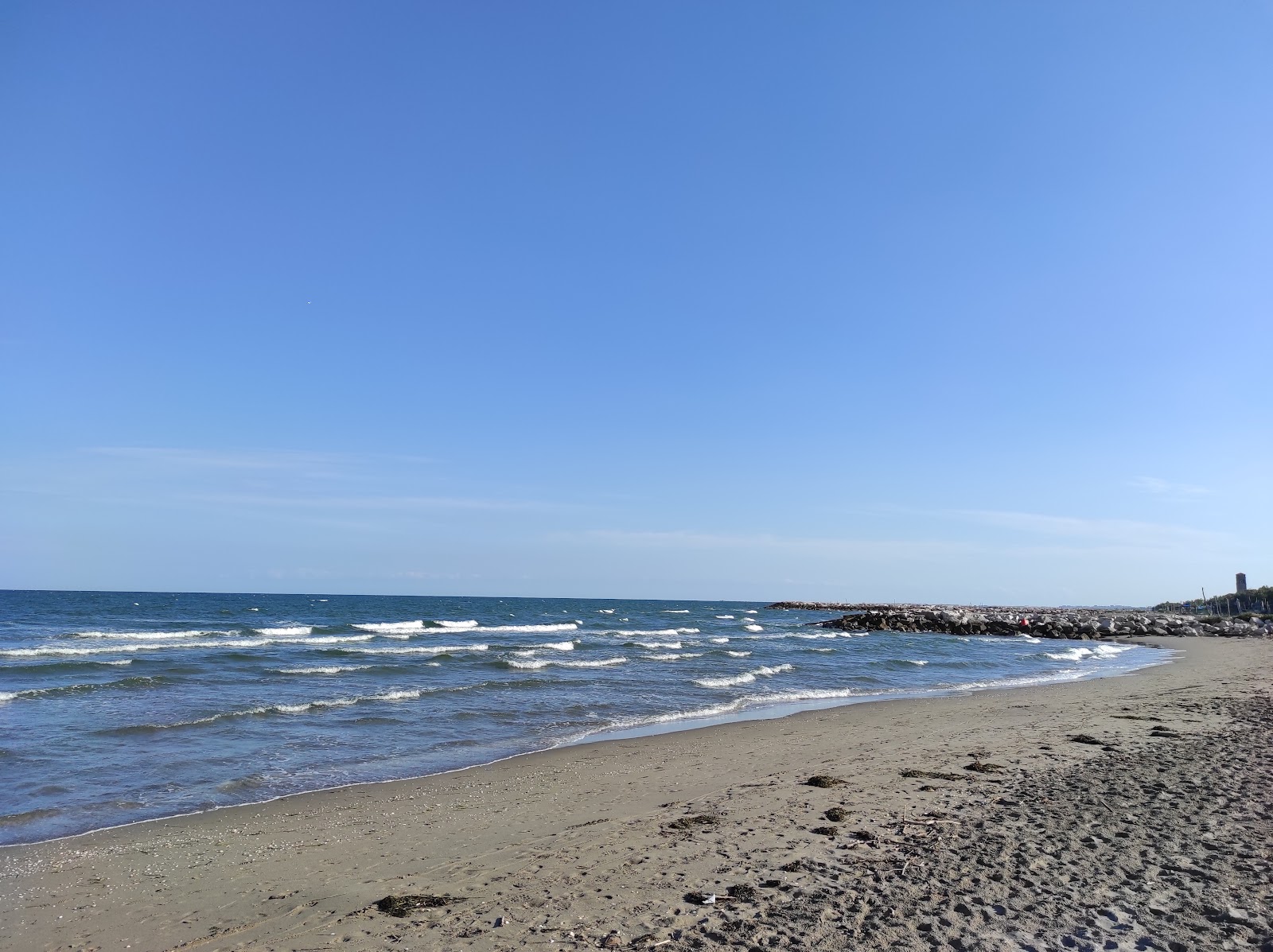
ACTV line 11 connects Chioggia to Pellestrina in 25 minutes; from Venice Lido, take bus 11 to Alberoni, then the ferry. Tickets must be bought at ticket offices — no online booking. Go in September or mid-April to mid-June. The beach here is rougher than Venice Lido's; Ca' Roman's dunes are the better natural draw.
September into early October is the easiest time to be here — warm enough to walk the Murazzi without a coat, quiet after the summer. Mid-April to mid-June works well too, though March can still be cold and foggy. Summer is sunny but muggy, with afternoon storms possible; winter is damp and raw, averaging around 4°C in January.
Where is Isola di Pellestrina?
More tickets & tours for Isola di Pellestrina
Book directly at the provider
What travellers say about Isola di Pellestrina
I visited, drawn by the wonderful reviews, but I have to say I was a bit disappointed. Starting with the fact that you have to take the ferry to get there, and a single ride costs €9.50 and is only valid for 75 minutes. For the two of us, a return ticket cost €38. After 15 minutes, we got off at Pellestrina, the cemetery stop, from Chioggia. On the way back, we wanted to stop at Ca Roman, our first stop. We were told the beach there is prettier, wider, less crowded, and more rugged, but then to get back, we would have had to pay another €19 because the ticket to return to Chioggia would have expired. I think it's a bit expensive, given the limited time you have to visit the island and take the ferry! Once we arrived, we followed the wall that separates the town from the opposite shore, which laps the beach. After a few kilometers, we entered through the vegetation that borders the sea. On the beach, not very wide, although as described, unoccupied and in a wild state, there were many makeshift structures made of wooden poles, shade nets, and various materials, probably created by locals, who brought us all sorts of things. From deckchairs, umbrellas, to toys, to barbecues, tables, chairs chained to these makeshift gazebos, more or less, they occupy the promenade and the beach. At this point, why not create some restrooms, even temporary ones, more useful for those who come for a day. On the beach, in addition to the usual debris brought in by the sea—driftwood, seaweed, tree trunks, shells—there is also everything left behind by humans, who have no regard for keeping clean, from bottles to toilet paper under the few plants and shrubs. How uncivilized! The water, moreover, was particularly dirty; speaking with some local kids, they told us it had been like that for two days, a bit unusual even for them. So we stayed a short while, just enough time to grab a sandwich and enjoy the tranquility of this place, which, if a little more upkeep, would be truly beautiful. Returning to the pier, we passed through the village streets, colorful houses overlooking the other shore. It was early afternoon, few people, and a few small shops, closed at that hour. Returning, skirting the island, we noticed some accumulations of buoys and debris on the banks, above the walls, a stretch you can walk or cycle along along the breakwater that leads to Caroman. That, too, isn't a pretty sight... Maybe it wasn't the right day!
A magical place, just outside but far from everything, its long stretch of beach is fantastic for meditative walks. It's easily reached by ferry from Chioggia, and the town center is truly colorful, evoking "flavors of yesteryear," meaning it seems as if time has stood still. The general amenities, from the bar to the supermarket, restaurant, and ice cream parlor, are more than enough to satisfy even the most demanding of vacationers. I'll be visiting in the dead of winter.
A beautiful spot for a Sunday outing if you're in the Chioggia area. It's a small, sparsely populated village on the island between Chioggia and the Venice Lido. A place where time seems to have stood still 30 years ago. Truly quaint, the sea is stunning for a place at the top of the Adriatic. You can swim on the beach facing the open sea, but the sunset over the lagoon is enchanting. Needless to say, you can't go to Pellestrina and not enjoy a seafood lunch or dinner!
A beautiful place nestled between nature, sea, and lagoon. Bus line 11 takes you around the entire island and the Lido. It also reaches Alberoni by ferry.
A very quaint place, a fishing village with charming alleys. It's a shame it's full of dog poop in the flowerbeds and sidewalks.
More of Chioggia
Discover where to stay, what to do and the best deals for your trip.
Explore Chioggia →More attractions in Chioggia
All of Chioggia →

Background adapted from Wikipedia (CC BY-SA) · map data © OpenStreetMap contributors · ratings & place photos via Google · other photos with per-image credit. Ticket links may earn us a commission at no extra cost to you.