
Forte Gonzaga
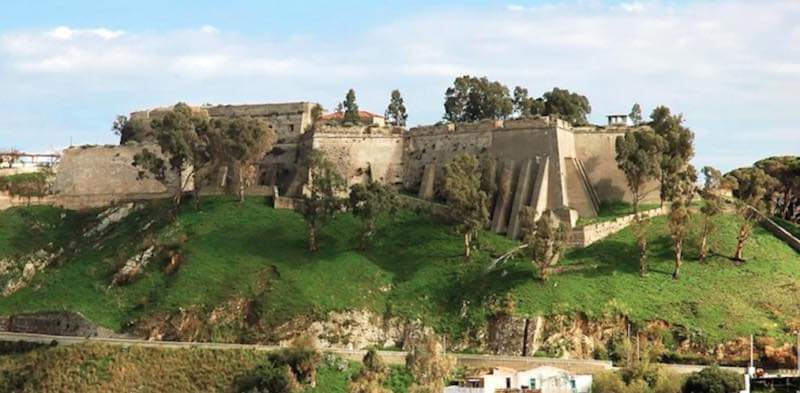
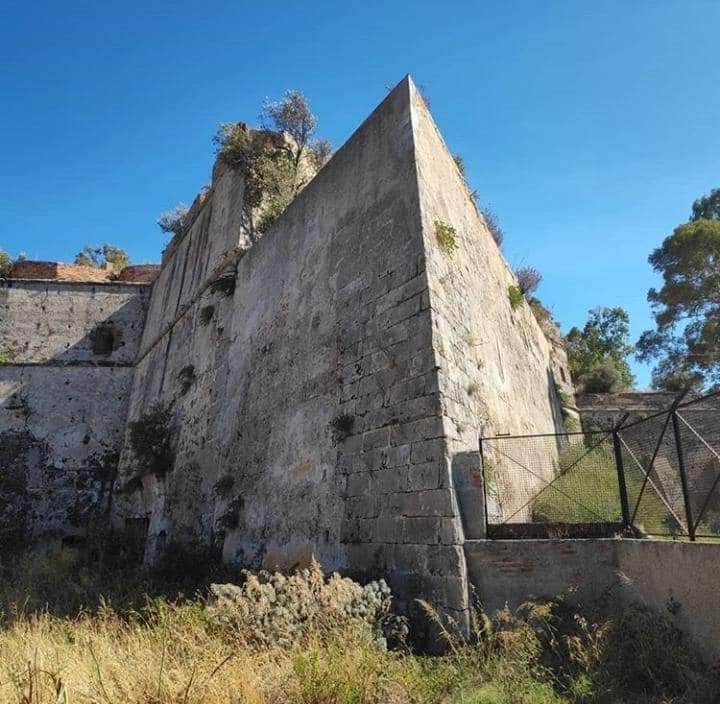
Forte Gonzaga sits on the hill of Montepiselli above Messina, its low star-shaped profile — six angular ramparts, a surrounding moat, a small chapel on the terrace — designed to be hard to see and harder to take. From up here the Strait of Messina opens below you, with Calabria across the water and the city's harbor laid out in a long arc.
The fort was built between 1540 and 1545, and it has been a great deal of things since: a Spanish stronghold, a rebel artillery platform, a German and then American military position, and now a quiet hilltop ruin in the care of the municipality, with plans to eventually become a museum.
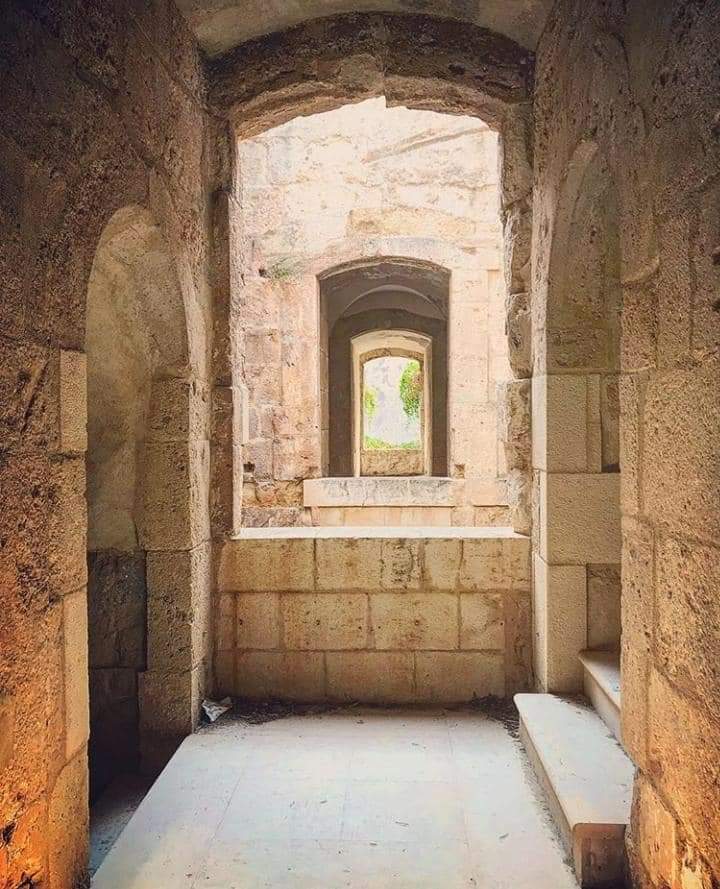
💛 What travellers fall for
People who make it up tend to mention the same thing — not the fort itself but the moment the Strait comes into view. Go on a clear morning if you can. The climb via Via Montepiselli is genuinely steep; comfortable shoes matter more than most places. Call ahead or check locally before you go, since opening days shift.
The story behind Forte Gonzaga
In the early 1540s, the Ottoman Empire was pressing westward and Sicily's coastal defenses were being rethought from scratch. Don Ferrante Gonzaga, Viceroy of Sicily, commissioned a new fort on the landward heights above Messina. The military engineer Antonio Ferramolino, from Bergamo, designed it — an irregular star with six triangular ramparts and a moat — and the Messinese scholar Francesco Maurolico assisted him. It was complete by 1545.
The Ottoman threat faded after the Battle of Lepanto in 1571, but the fort kept finding new roles. It saw action during Messina's 1674–78 uprising against Spanish rule, was captured by Spanish general Luca Spinola during the War of the Quadruple Alliance, and was seized by rebels in the 1848 Sicilian revolution, who used it to shell the Real Cittadella below. In World War II it served German and Italian forces, then American forward observers directing artillery. The Italian Army handed it to the city of Messina in 1973.
Good to know
Access is steep with limited parking; go on foot from the city if you're able. Opening hours are inconsistently posted — call +39-3476460615 before visiting. Mid-April to mid-May and mid-September to mid-October avoid the worst summer heat for this exposed hilltop site.
The hilltop position amplifies Messina's Mediterranean heat in July and August, when temperatures can reach 28°C with no shade on the ramparts. Spring (mid-April to mid-May) and early autumn bring cooler air and clearer views across the Strait; winter visits are mild but can be interrupted by rain.
Where is Forte Gonzaga?
More tickets & tours for Forte Gonzaga
Book directly at the provider
What travellers say about Forte Gonzaga
Very steep to reach there. Limited parking. Not much of a unrestricted view, but less known place, hence peaceful!
I found this castle on a tourist map of Messina. I walked to the castle following google maps, no pointers or road signs for it. And there, an abandoned ruin. You can't even get close to it. Messina is such a non-tourist city.
The Gonzaga Castle in Messina is a historical monument of great importance. Built in the 16th century, the castle is named after its commissioner, Don Ferrante Gonzaga, Viceroy of Sicily. The castle, with its imposing structure and thick walls, is an impressive example of Renaissance military architecture. Designed to defend the city from invasions, the castle played a key role in the history of Messina. Today, the Gonzaga Castle is a place of historical and cultural interest. Although much of the original structure was damaged by earthquakes and bombings of World War II, the castle still retains its aura of majesty. A visit to the Gonzaga Castle offers a unique view of the history of Messina. As you walk among the ruins, you can almost hear the echo of past battles. Every stone, every wall, tells a story of times past, of heroism and resistance. In conclusion, the Gonzaga Castle is a hidden treasure of Messina that deserves to be discovered. Despite the challenges of time, the castle remains a symbol of Messina's rich history and cultural heritage. If you find yourself in Messina, be sure to pay a visit to this fascinating historical monument.
TEMPORARILY CLOSED It's a shame google maps didn't include this information
In the 1540s, the fortifications of Messina were being modernized due to fears of the expanding Ottoman Empire. Forte Gonzaga was built on the hill of Montepiselli, outside the city walls. It was able to defend the mountainous landward approach to the city, and it also overlooked the Strait of Messina. The fort was designed by Antonio Ferramolino, a military engineer from Bergamo. He was assisted by Francesco Maurolico, a native of Messina. It was named after the Viceroy of Sicily Don Ferrante Gonzaga, and was completed in 1545. The Ottoman threat was reduced after the Catholic victory in the Battle of Lepanto in 1571, and the fort's importance began to decline. It saw use during the 1674–78 uprising against Spanish rule. Spain eventually lost Sicily in 1713, but invaded the island five years later during the War of the Quadruple Alliance. During the invasion, the fort did not offer much resistance and was captured by the Spanish general Luca Spinola. During the Sicilian revolution of 1848, the fort was captured by rebels, who used it to bombard the Real Cittadella which was still in Bourbon hands. Forte Gonzaga saw use in World War II, and it remained a military establishment until 1973, when the Italian Army handed it to the municipality of Messina. There are plans to restore the fort and turn it into a museum and conference centre.
More of Messina
Discover where to stay, what to do and the best deals for your trip.
Explore Messina →More attractions in Messina
All of Messina →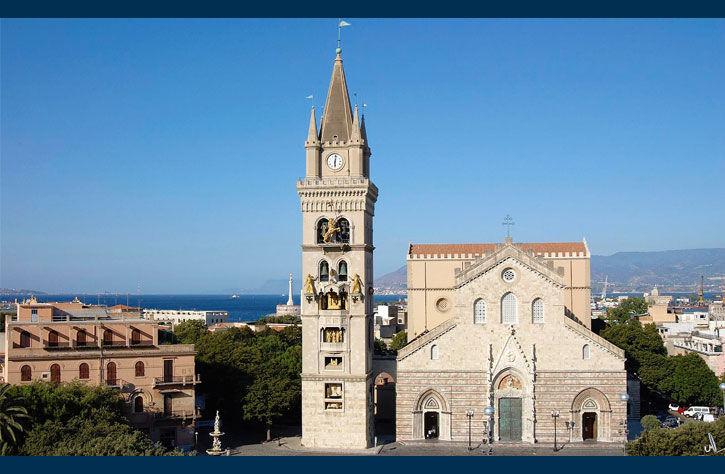


Background adapted from Wikipedia (CC BY-SA) · map data © OpenStreetMap contributors · ratings & place photos via Google · other photos with per-image credit. Ticket links may earn us a commission at no extra cost to you.