
Messina
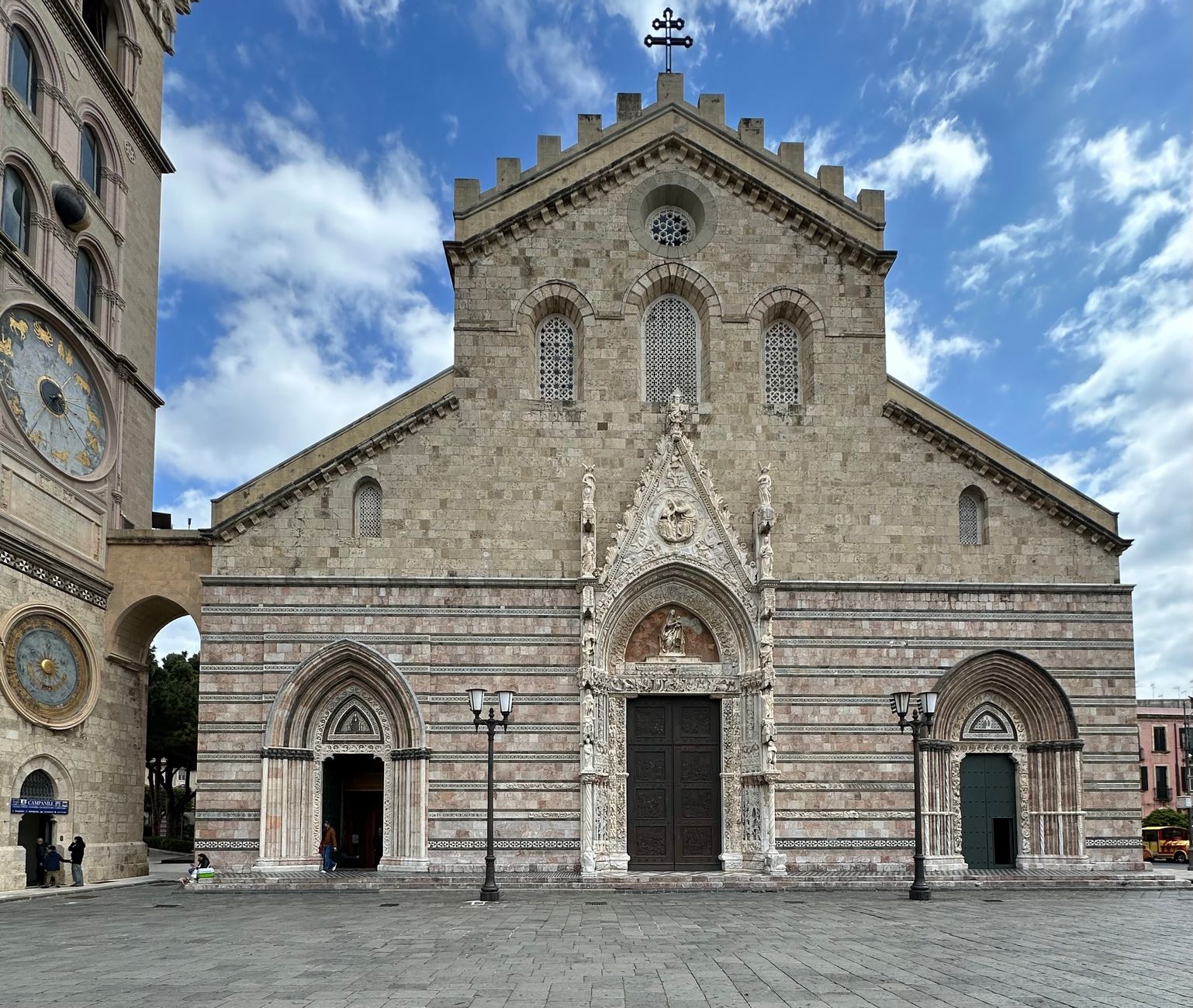
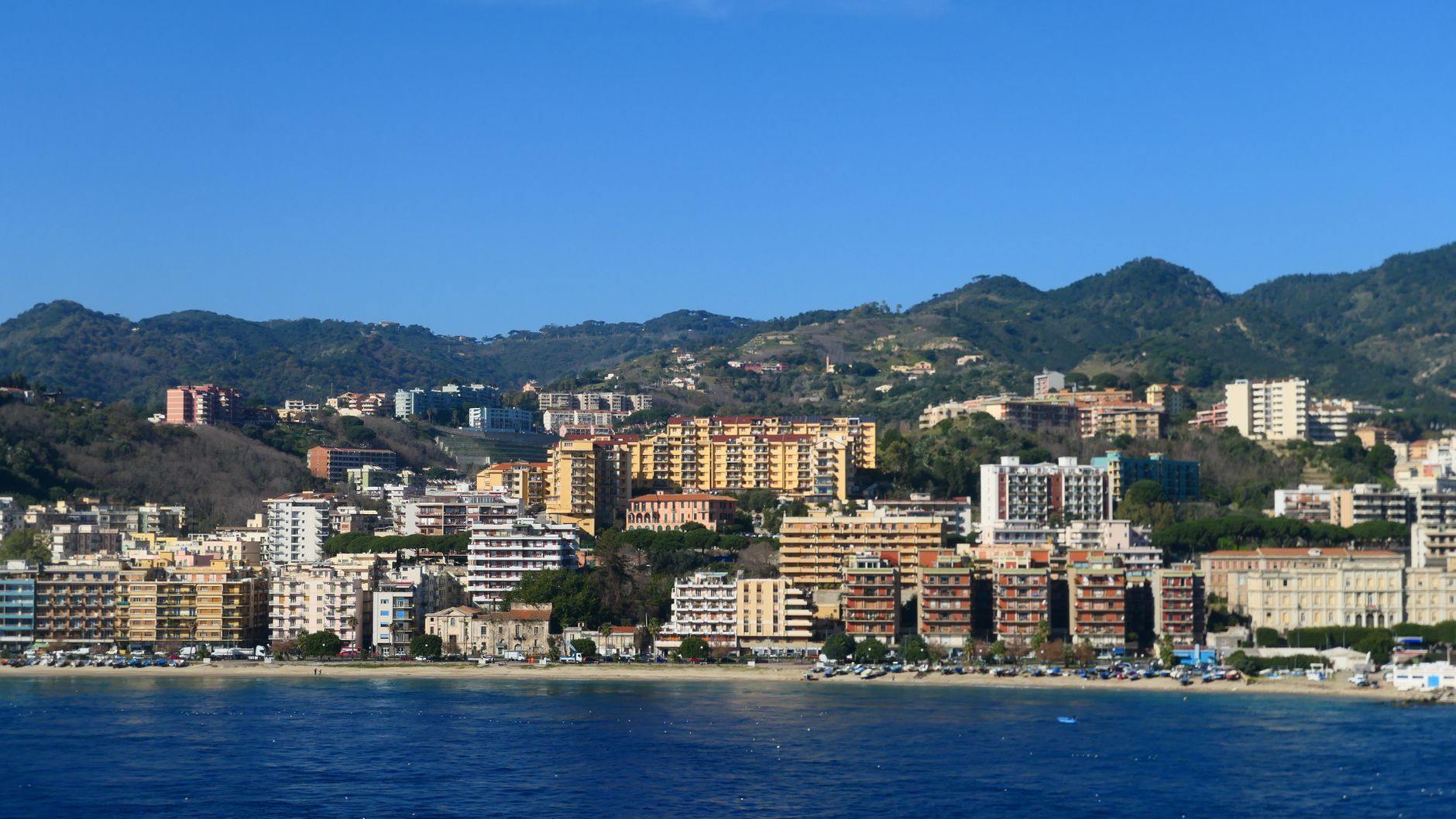
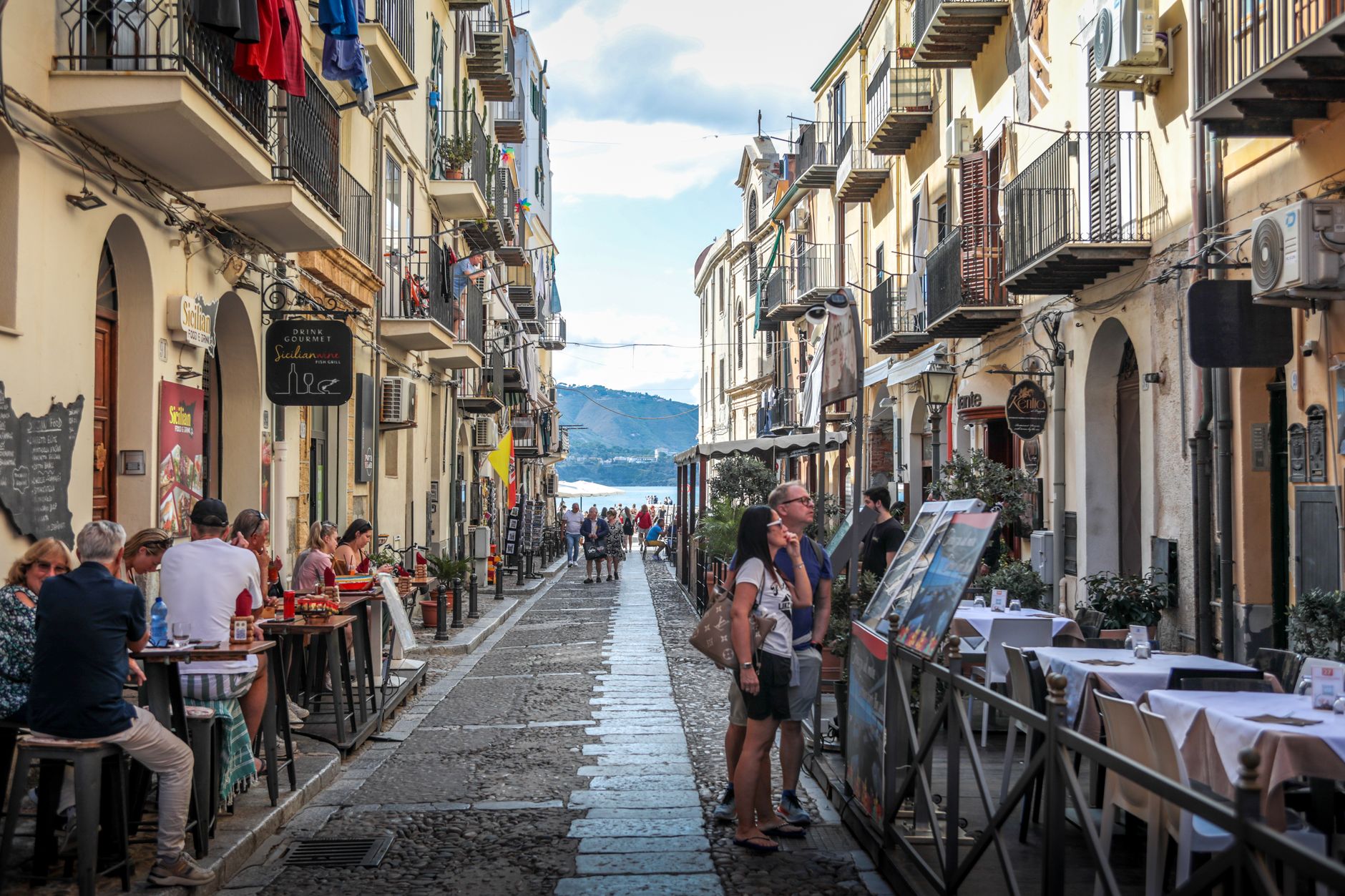
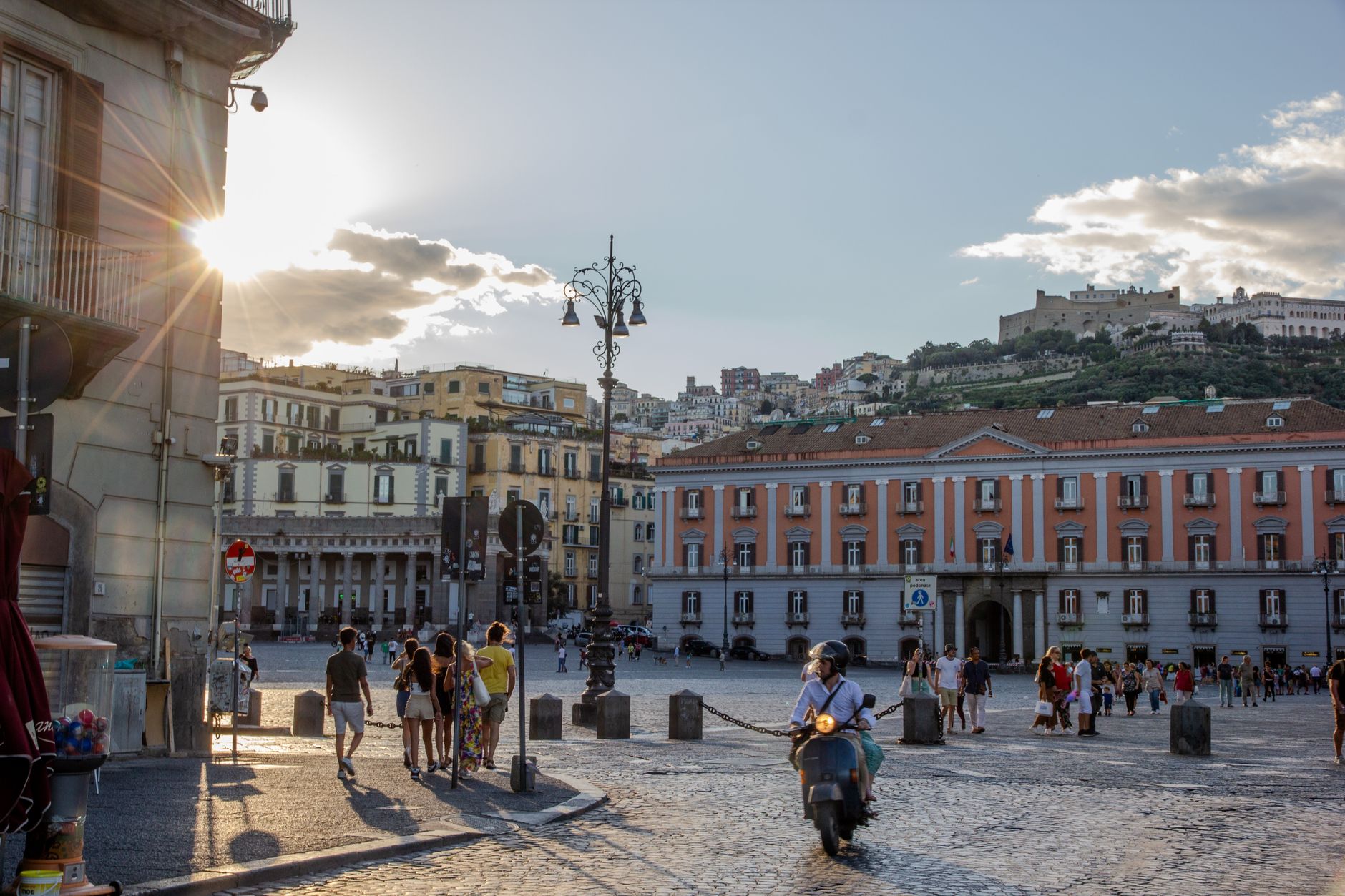
Messina sits at the very tip of Sicily, facing the mainland across a strait so narrow you can watch the trains roll onto the ferry from the waterfront. The city you see today is almost entirely a twentieth-century creation — after the 1908 earthquake killed roughly half the population, it was rebuilt from near-nothing in the Liberty style, with wide, straight streets laid out on a rational grid that still gives the place an unusual, unhurried openness.
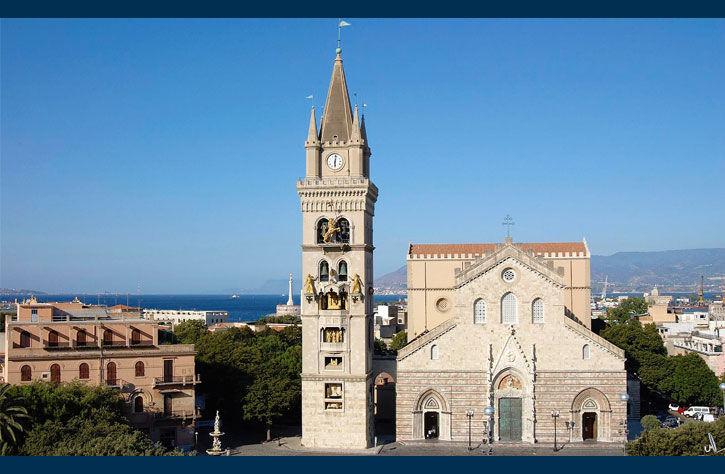
That orderly surface, though, covers layer upon layer: Greek colonists, Normans, Spanish viceroys, Caravaggio paintings, a clock tower that performs a daily mechanical theatre at noon. Messina rewards the curious visitor who slows down enough to read the city beneath the city.
💛 What travellers fall for
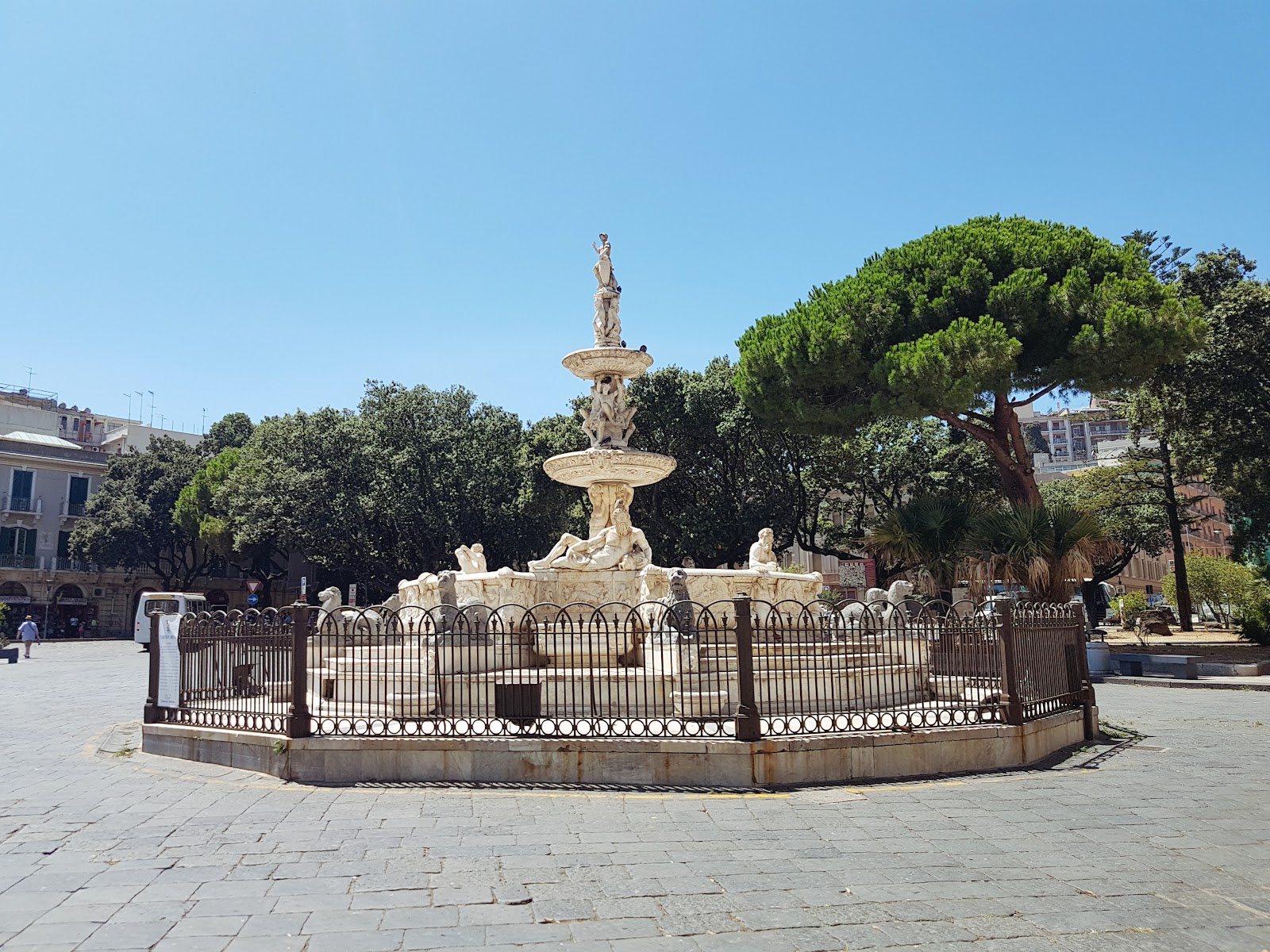
People who come back tend to time their return around noon at the Duomo — arrive ten minutes early, take a seat in the piazza, and watch the astronomical clock go through its full sequence. It sounds like a tourist trick, but the Ungerer mechanism from 1933 is genuinely extraordinary. Then cross the square to look at the Orion Fountain before the afternoon light shifts.
Deals in Messina
Book directly at the provider


How Messina came to be
The city begins as Zancle — a Sicel word for sickle, a reference to the curved harbour — founded around 757 BC. Greek colonists of Magna Graecia reshaped it and renamed it Messana; the Byzantines eventually gave it the name Messina. It contracted under Arab rule, then rose sharply under the Normans, who built the cathedral in the 12th century. Between the late Middle Ages and the mid-17th century, Messina competed openly with Palermo for the title of Sicilian capital.
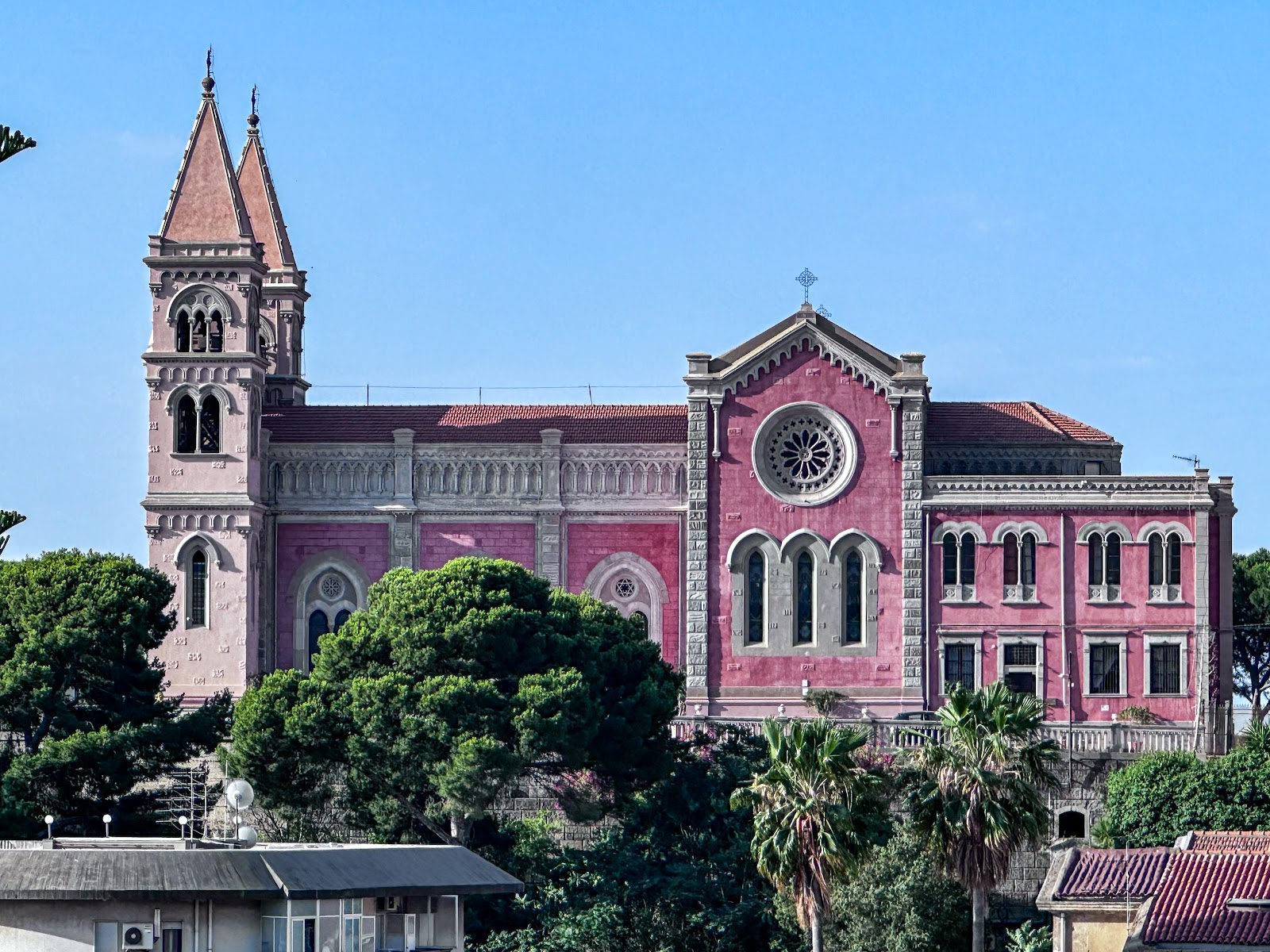
That ambition was brutally cut short in 1678, when a revolt against Spanish rule ended with the city put to fire and sword and its ruling class annihilated. Two earthquakes — 1783 and the catastrophic 1908 event — left little standing. The Messina you walk through today was largely built from 1912 onward, which makes the Norman-era Annunziata dei Catalani church, which survived because its floor sat below street level, all the more striking.
Who and what shaped it
People who shaped it
Landmark buildings
See Messina in motion
Plan your visit
On the map
When to go
Summers are long and dry, with temperatures regularly above 30°C and a heat that radiates off the wide streets well into the evening. Spring and autumn are the more comfortable seasons for walking — mild, occasionally breezy off the strait. Winters are short and rarely cold, though the crossing can get choppy.
Right now
↡ Attractions




Background & history adapted from Wikipedia (CC BY-SA) · specs from Wikidata (CC0) · weather from Open-Meteo · map data © OpenStreetMap contributors · photos from Wikimedia Commons / Unsplash with per-image credit. No third-party reviews or social posts reproduced.