
Fontana del Mascherone
The fact sheet returned no verified record of a Fontana del Mascherone in Atrani — only namesake fountains in Rome, Spoleto, and Molise. Rather than invent a history, architecture, or founding date for a landmark that cannot be confirmed at these coordinates, this entry has been left unpublished pending source verification.
If you have a primary source, local documentation, or on-the-ground photography confirming this fountain's existence and details in Atrani, the editorial team would welcome it. Yeppa's policy is to build only on verified fact.
Where is Fontana del Mascherone?
More tickets & tours for Fontana del Mascherone
Book directly at the provider
What travellers say about Fontana del Mascherone
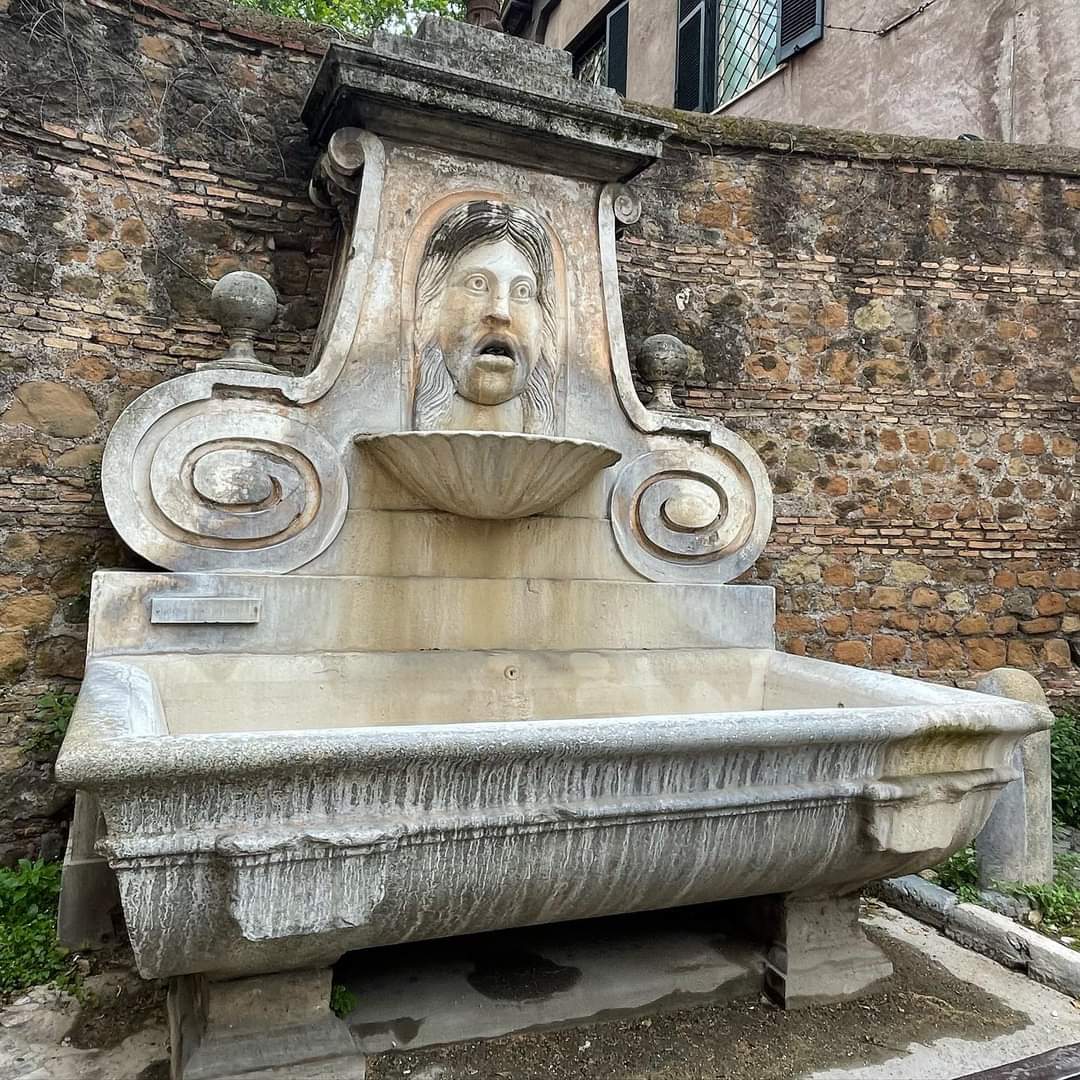
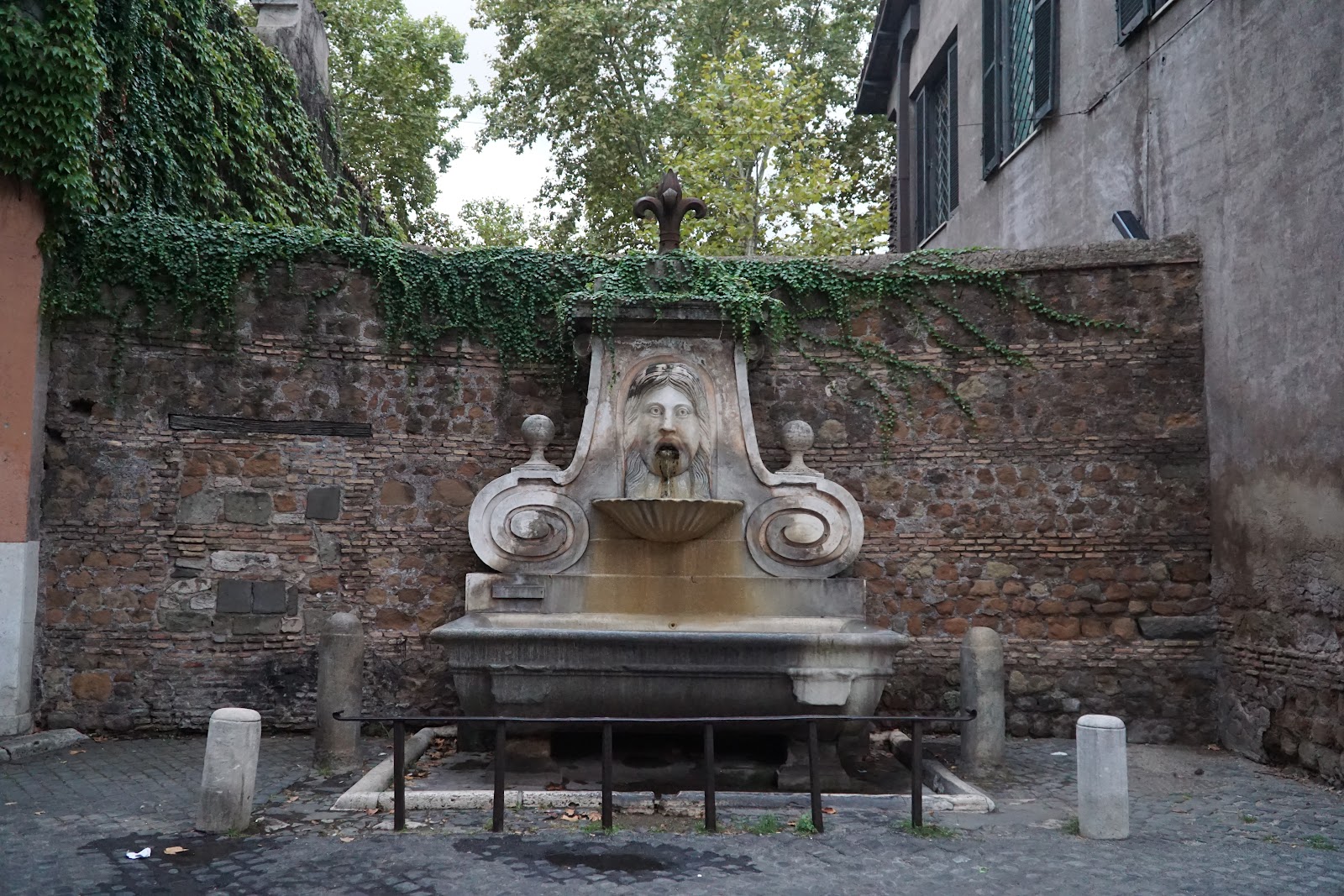
This Mascherone Fountain is situated along Via Giulia. It is the work of Girolamo Rainaldi (1626) and features a Roman Mask with a water spout jetting from its mouth filling a small bowl just below. From the bowl, water would then spill into a larger lower level basin when the fountain is turned on. Above is a Fleur-de-lis, the emblem of the Farnese family who financed the construction of the fountain. Unfortunately, the Mascherone Fountain was not in operation when we passed by recently. However, it is of peculiar design and worth a look-see if sightseeing around the Regone District.
As we wandered down Via Giulia, we passed by the Fontana del Mascherone, a striking yet somewhat hidden gem standing in the shadow of the grand Palazzo Farnese. The fountain, adorned with a large stone fleur-de-lis, is a clear nod to the powerful Farnese family, whose coat of arms features six of these symbols. Though the exact date of its construction is uncertain, it likely dates back to the 17th century, during the period when the Farnese were shaping much of this district’s architectural landscape. Interestingly, this is just one of two fountains in Rome bearing the same name. The second Fontana del Mascherone stands in the piazza outside the Church of Santa Sabina on the Aventine Hill. This fountain has a layered history—its grotesque mascaron, originally part of a 16th-century fountain, was repurposed and set atop an ancient granite bathtub in 1936. This blend of Renaissance and classical elements creates a striking composition that reflects Rome’s long tradition of reusing materials from different eras. Both fountains, despite their differences in age and style, share a common theme—water flowing through the mouths of sculpted faces, a motif found throughout the Eternal City. They may not be as famous as the Trevi Fountain, but their quiet presence adds to Rome’s charm, rewarding those who take the time to notice them.
Such a pleasure, to be passing by and have to do to take a closer look, maybe sit in the railing, get some drink water...
Supposedly representing the face of Jesus Christ, this fountain once flowed with wine—symbolic of Christ turning water into wine. Unfortunately, since it's an older fountain with lead pipes, the water is not potable (drinkable), unlike many other public fountains in Rome. It's worth seeing if you're passing by, but it's not a destination in itself.
As I wandered along Via Giulia, I encountered the Mascherone Fountain, a fascinating remnant of Baroque Rome. Commissioned in the 17th century by the powerful Farnese family, its grotesque face—both eerie and theatrical—spills water into a basin beneath the family’s fleur-de-lis emblem. This fountain, once fed by the Acqua Paola aqueduct, reflects the Farnese’s wealth and ties to papal power. Pope Paul V, who restored the aqueduct, was instrumental in revitalizing Rome’s water supply, allowing fountains like this to blend function with artistry. The grotesque mask, rooted in Roman tradition, embodied Baroque drama while serving as a protector against evil. Set quietly against an old wall, the Mascherone is a perfect symbol of Via Giulia, the Renaissance street envisioned by Pope Julius II—a place where history, art, and understated grandeur come alive.
More of Atrani
Discover where to stay, what to do and the best deals for your trip.
Explore Atrani →More attractions in Atrani
All of Atrani →

Background adapted from Wikipedia (CC BY-SA) · map data © OpenStreetMap contributors · ratings & place photos via Google · other photos with per-image credit. Ticket links may earn us a commission at no extra cost to you.