
Atrani
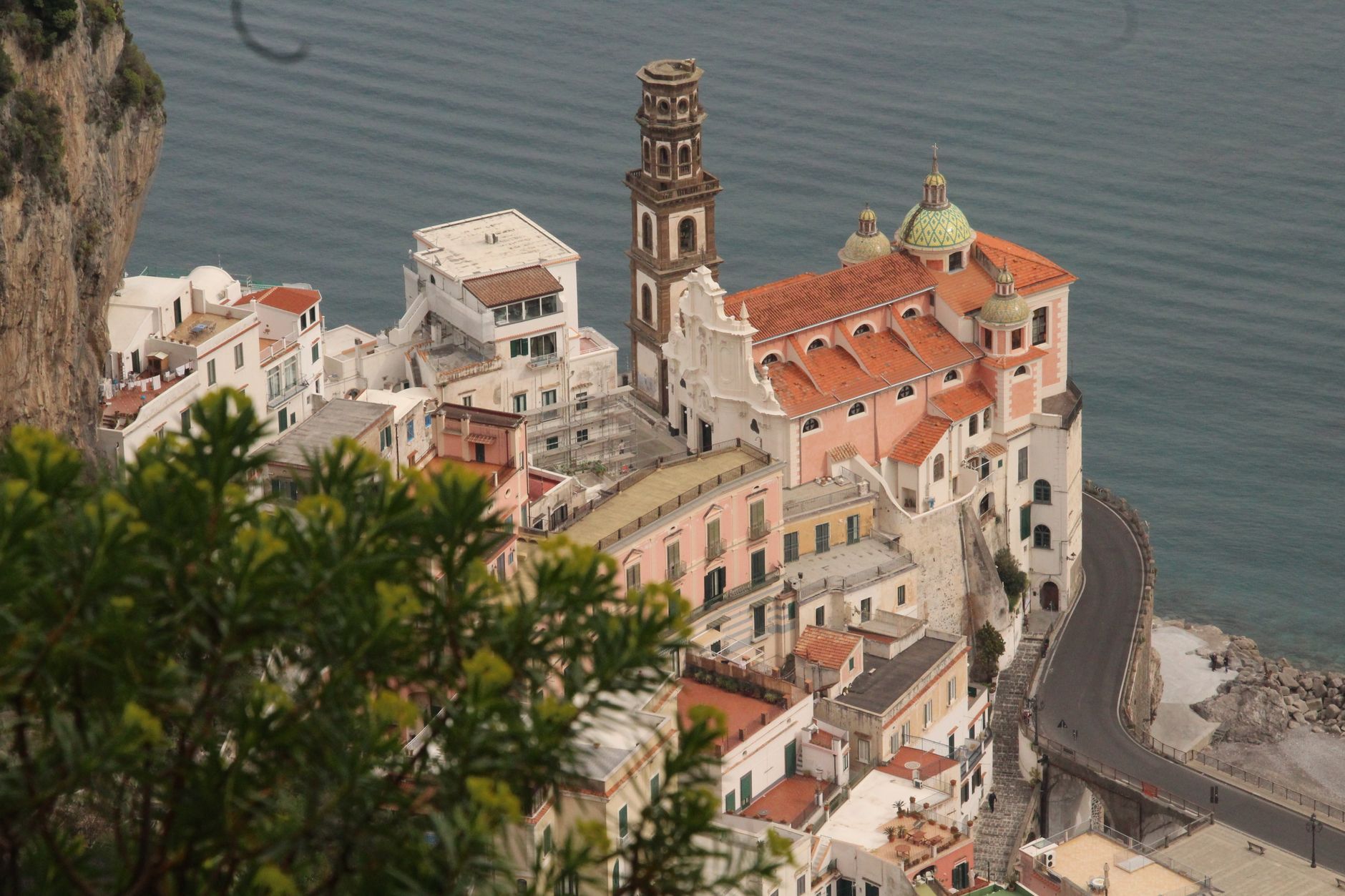
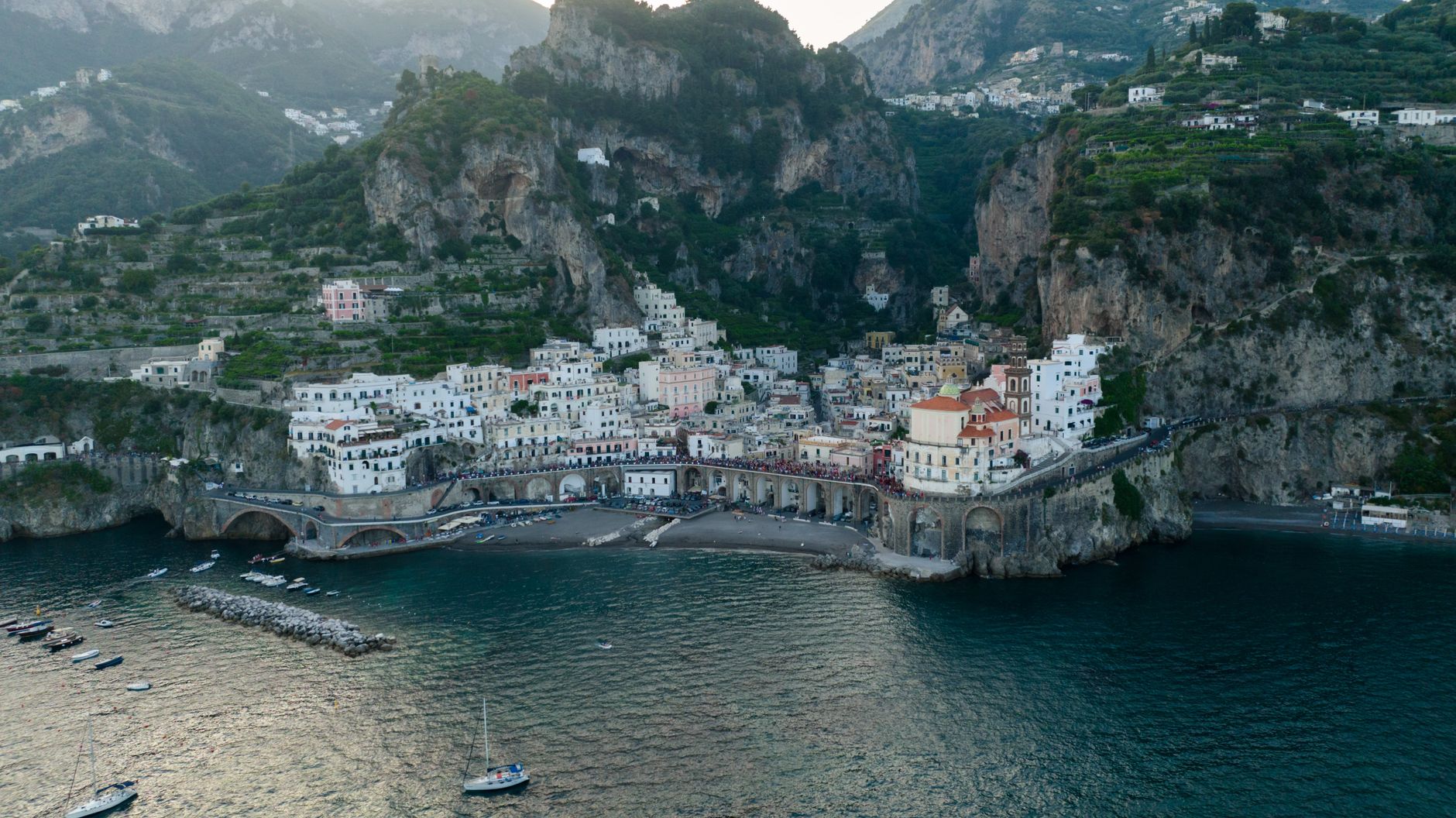
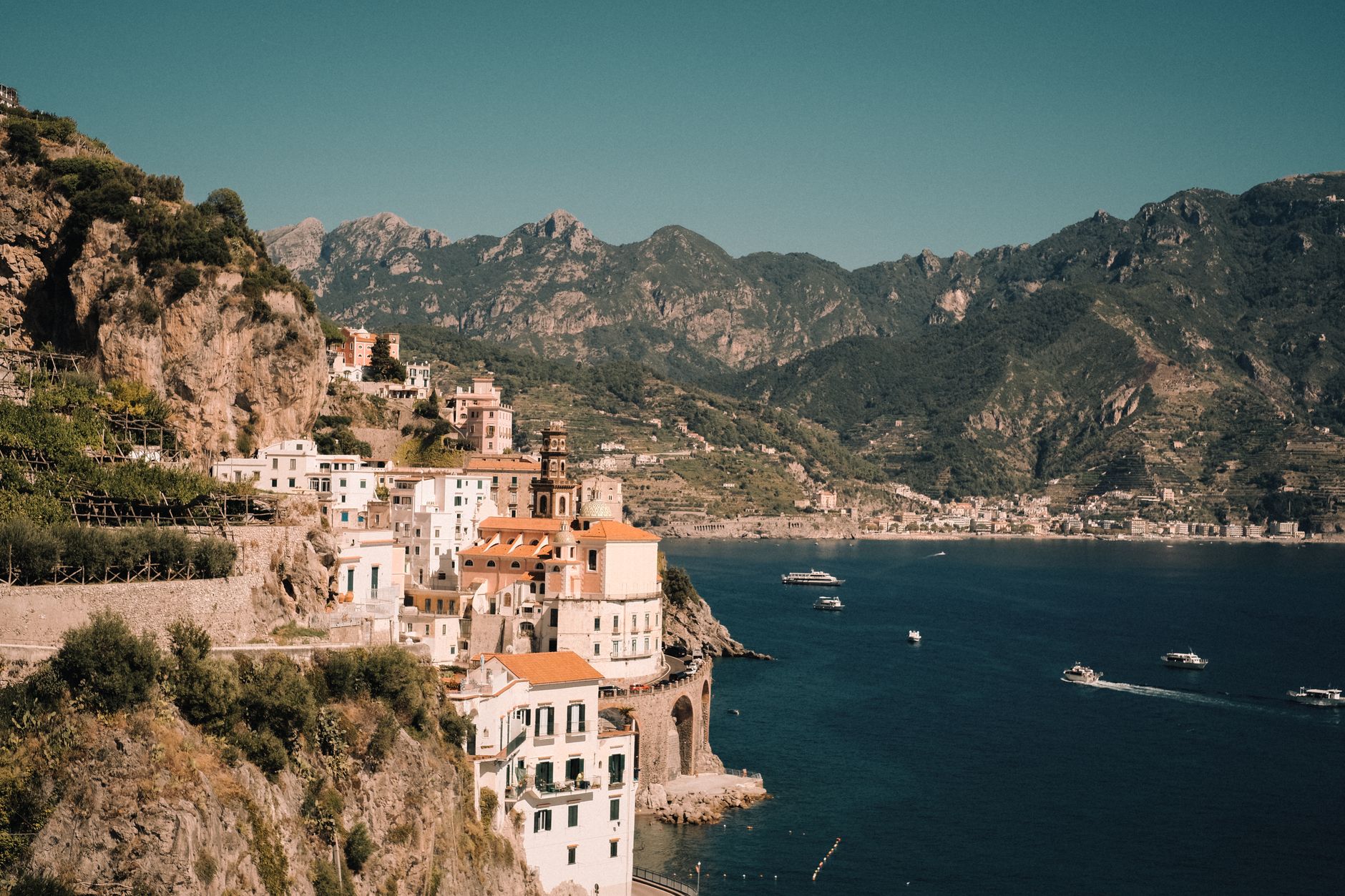
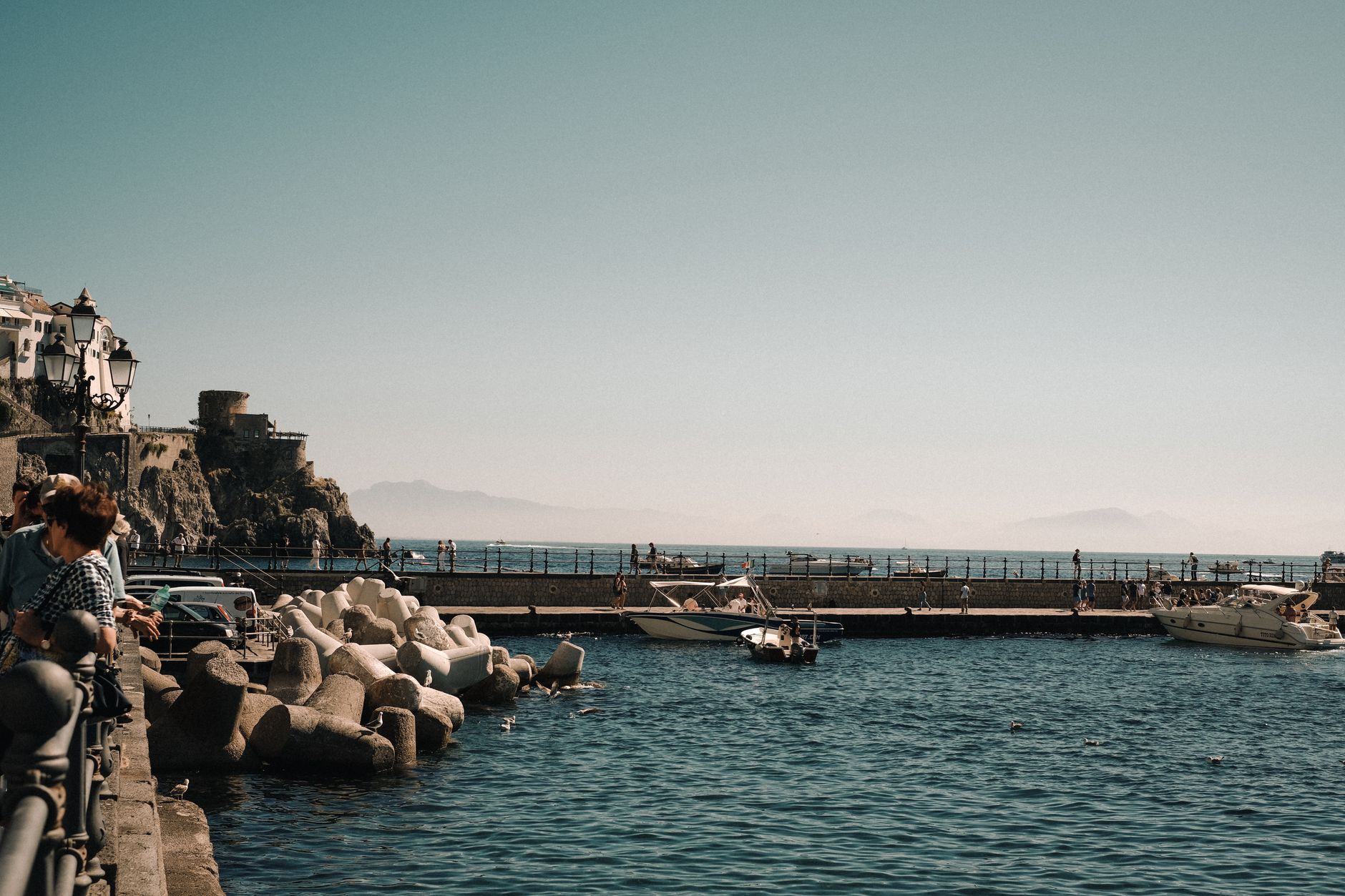
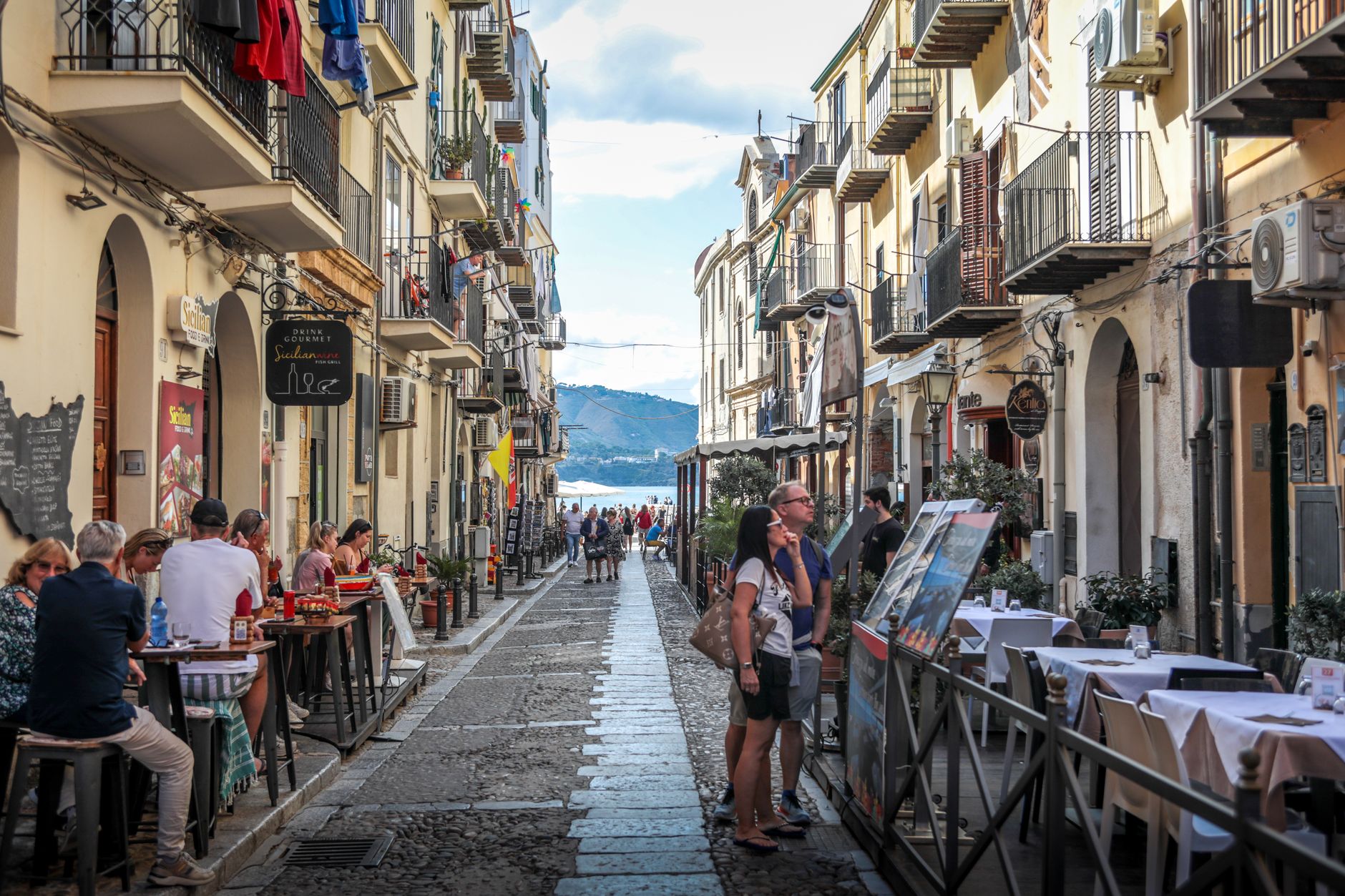
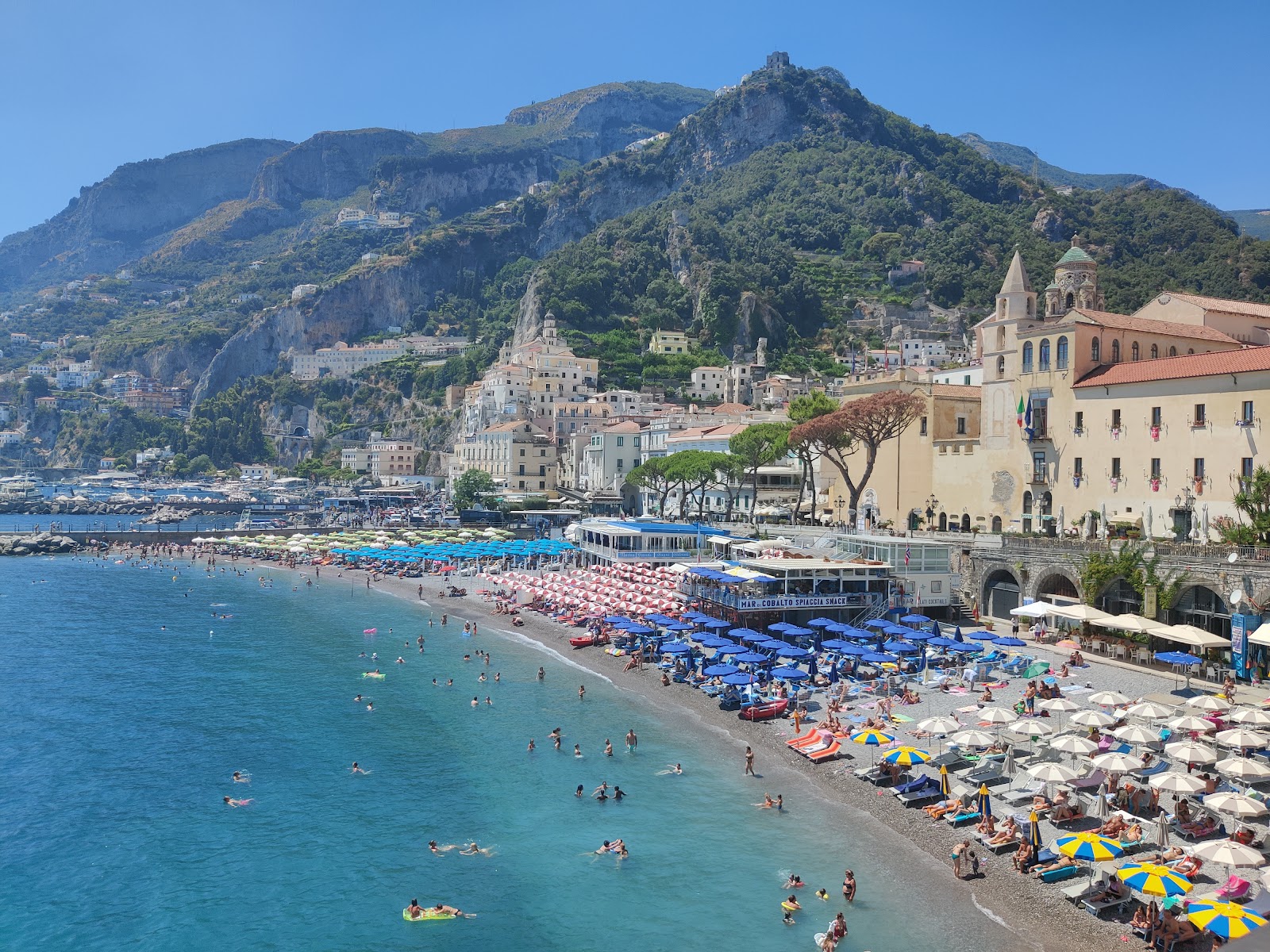
Atrani sits so close to Amalfi that you can walk between them in fifteen minutes, yet the two towns feel centuries apart in temperament. Where Amalfi draws the crowds, Atrani keeps its piazza almost to itself — Piazza Umberto I, originally built as a shelter for boats during high tide, now opens like a stage set facing the sea, its 1927 fountain catching the afternoon light.
This was once the aristocratic seat of the Duchy of Amalfi. The dukes were crowned here, in the chapel of San Salvatore de' Birecto, wearing the ceremonial birecto cap. That history has settled quietly into the stone, and most visitors walk straight past it on their way somewhere else.
💛 What travellers fall for
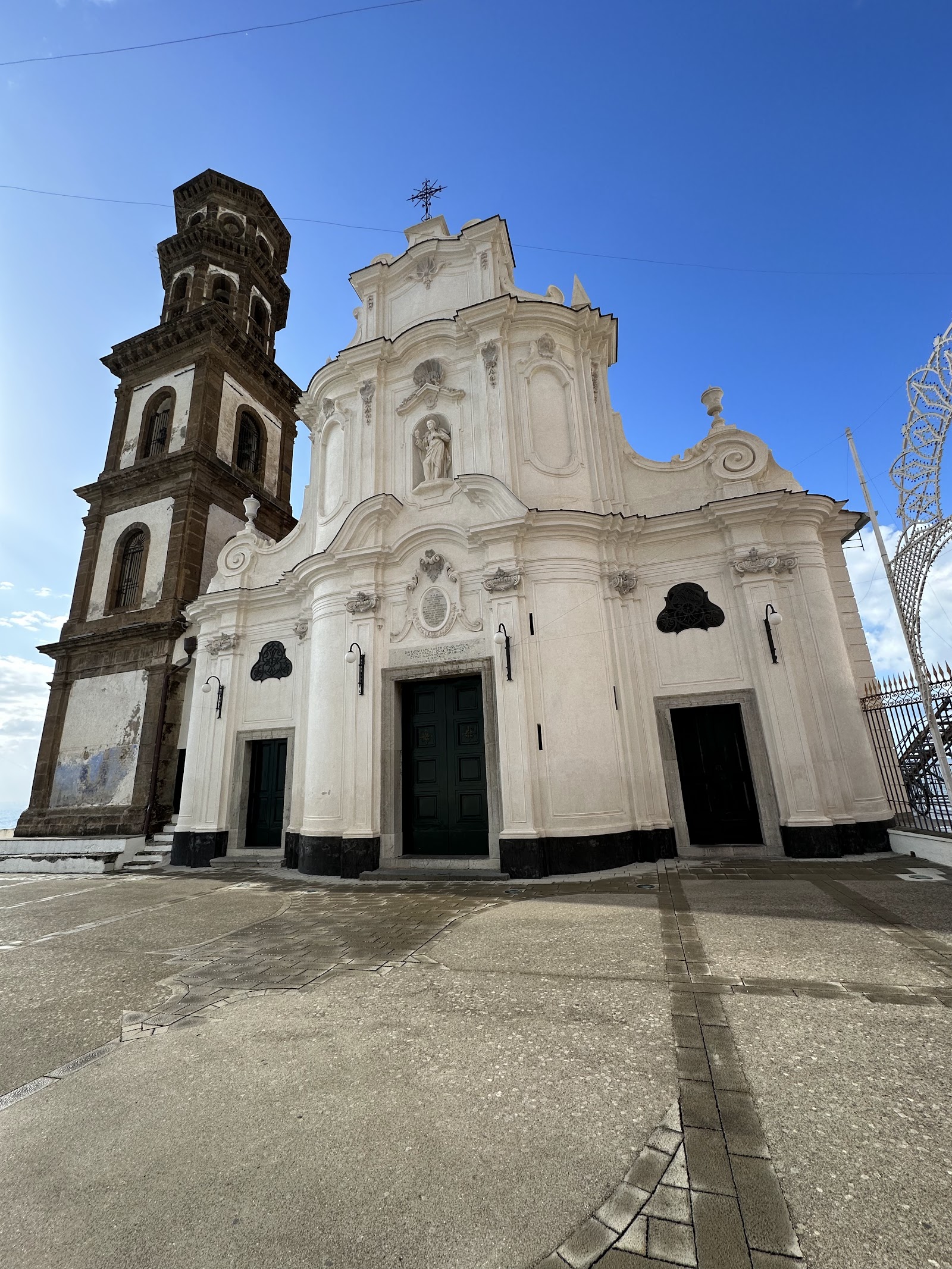
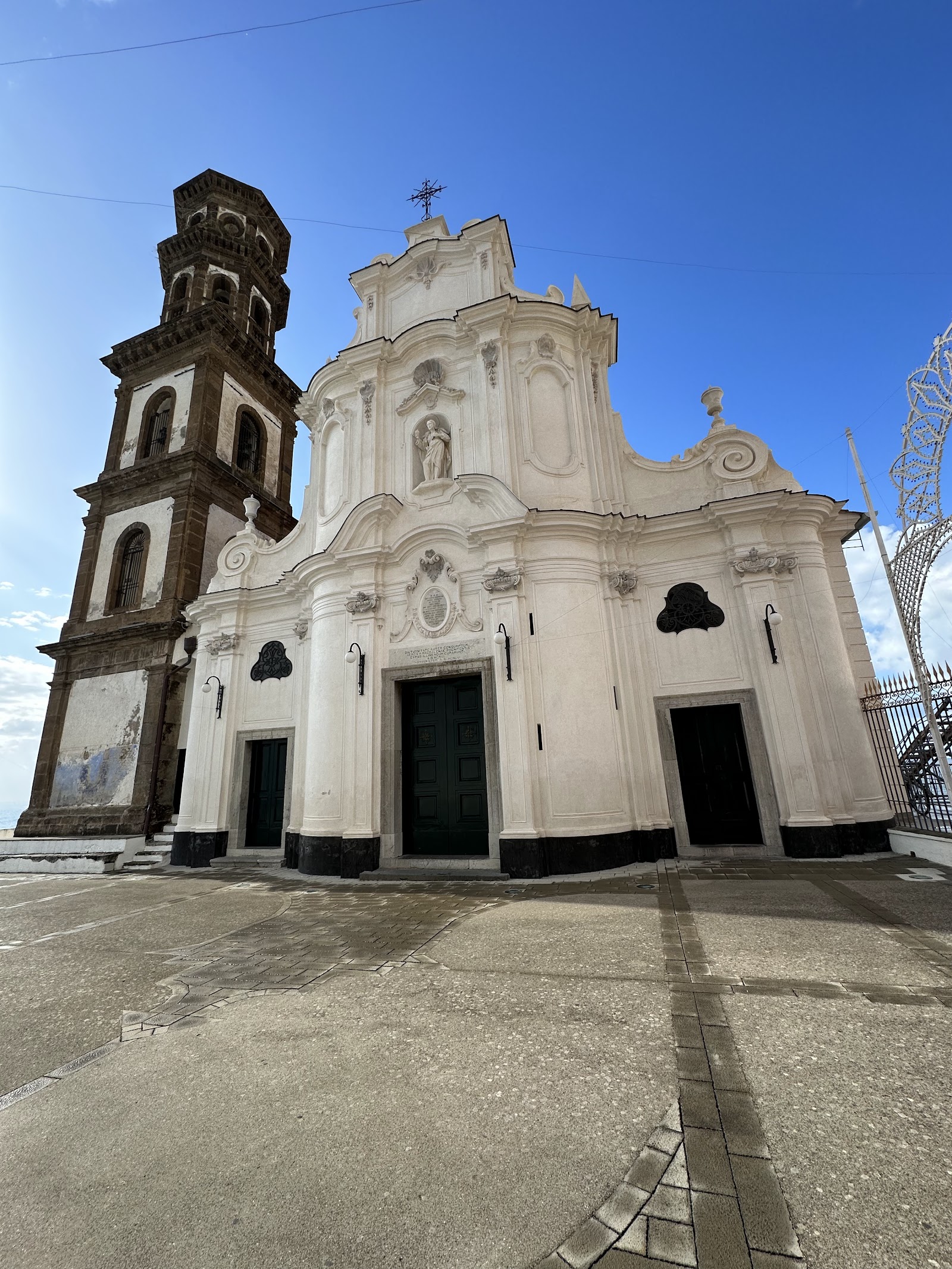
People who come back tend to mention the same things: arriving by SITA bus for €1.50 rather than fighting for a parking spot, finding a table for lunch when neighbouring towns are packed, and the particular quality of late-afternoon light on the white Rococo façade of Santa Maria Maddalena. The crowds thin fast once you leave the waterfront.
Experiences you don't want to miss


Deals in Atrani
Book directly at the provider
How Atrani came to be
The earliest firm record of Atrani is a letter from Pope Gregory I to the Bishop of Amalfi, written in 596 AD, though Roman-era ruins found in the area suggest settlement from at least the first century. The Dragone valley behind the town was an Etruscan community as far back as the seventh century BC, later settled by Greek colonisers.
Atrani's peak came during the Duchy of Amalfi, when it served as the seat of the local aristocracy and the site of ducal coronations at San Salvatore de' Birecto, whose bronze door was cast in 1087 by the same craftsman who made the doors for Amalfi Cathedral. The Normans came around the year 1000, followed by Swabians, French and Spanish rule in turn. The coastal road that now connects Atrani to the wider world was only begun by Joachim Murat in 1816 and finished in 1854. The artist M.C. Escher visited in the 1930s and later credited the town's geometry with inspiring his Metamorphosis woodcut series.
Who and what shaped it
People who shaped it
Landmark buildings
See Atrani in motion
Plan your visit
On the map
When to go
Summers run warm and dry, with July through September averaging 22–26°C (72–79°F) — fine for the coast, though the town's narrow alleys hold the heat. Winters are mild rather than cold, with January through March sitting around 9–11°C (49–52°F), and the light at that time of year can be remarkably clear.
Right now
↡ Attractions


Background & history adapted from Wikipedia (CC BY-SA) · specs from Wikidata (CC0) · weather from Open-Meteo · map data © OpenStreetMap contributors · photos from Wikimedia Commons / Unsplash with per-image credit. No third-party reviews or social posts reproduced.