
Atrani Historic Center
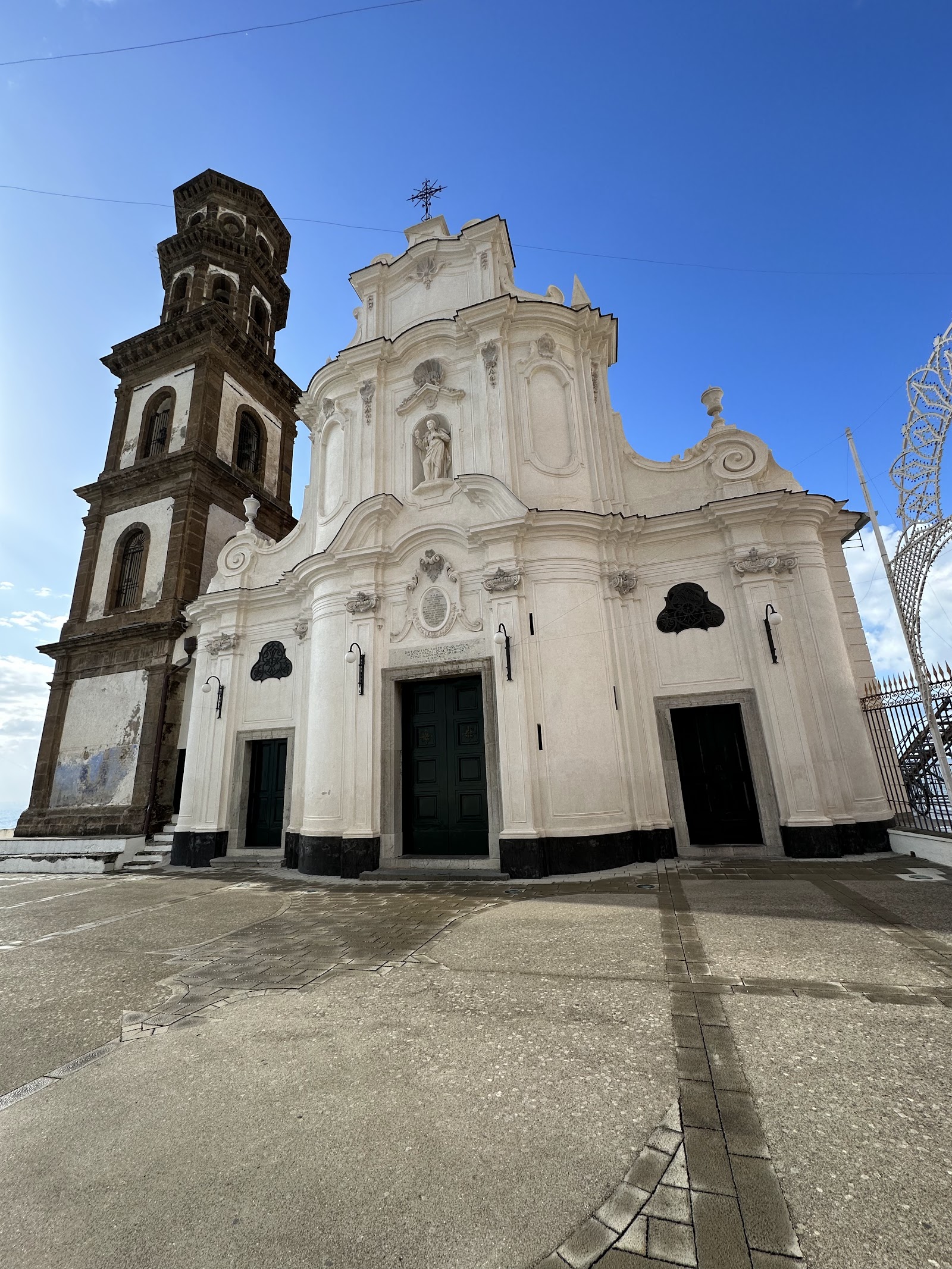
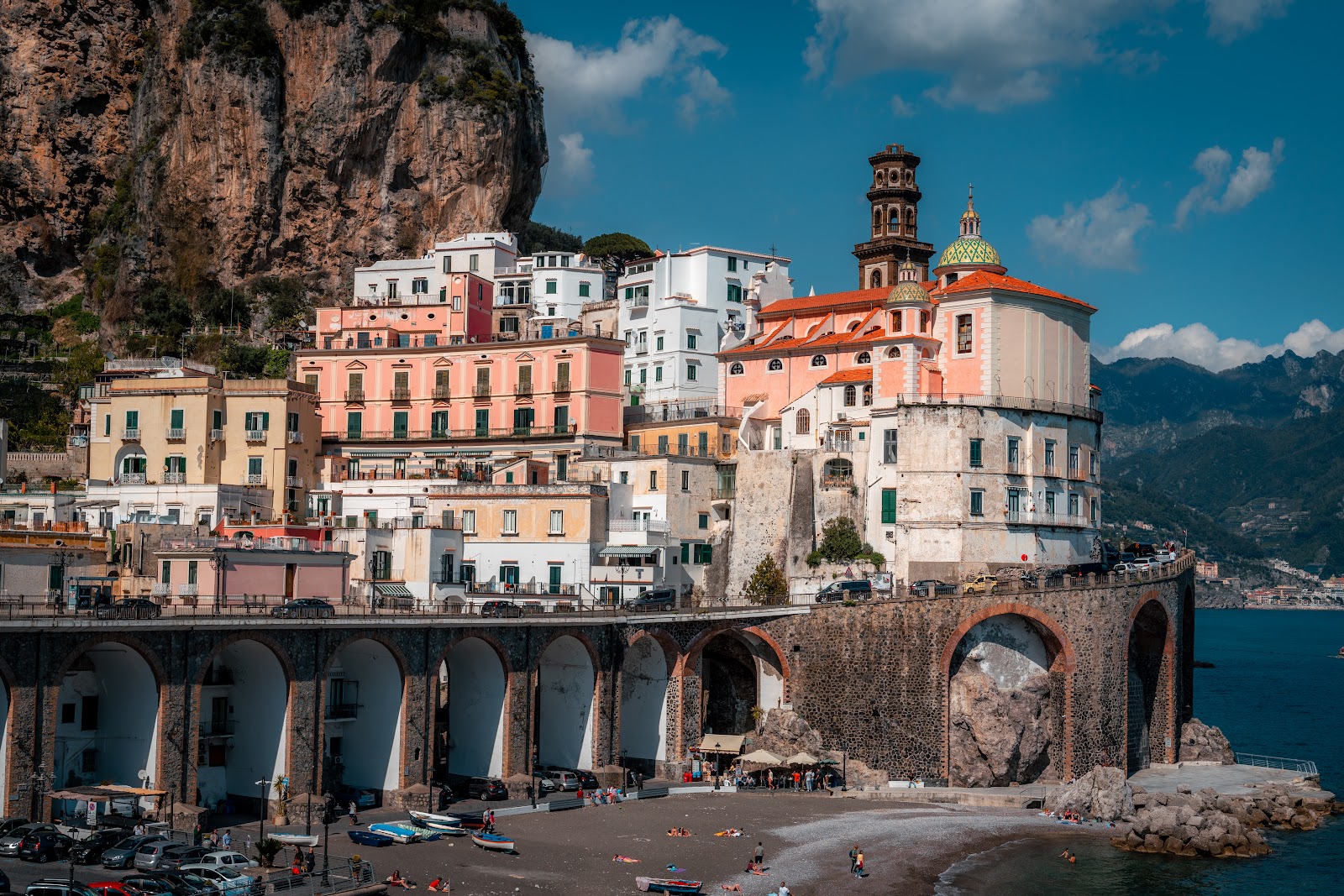
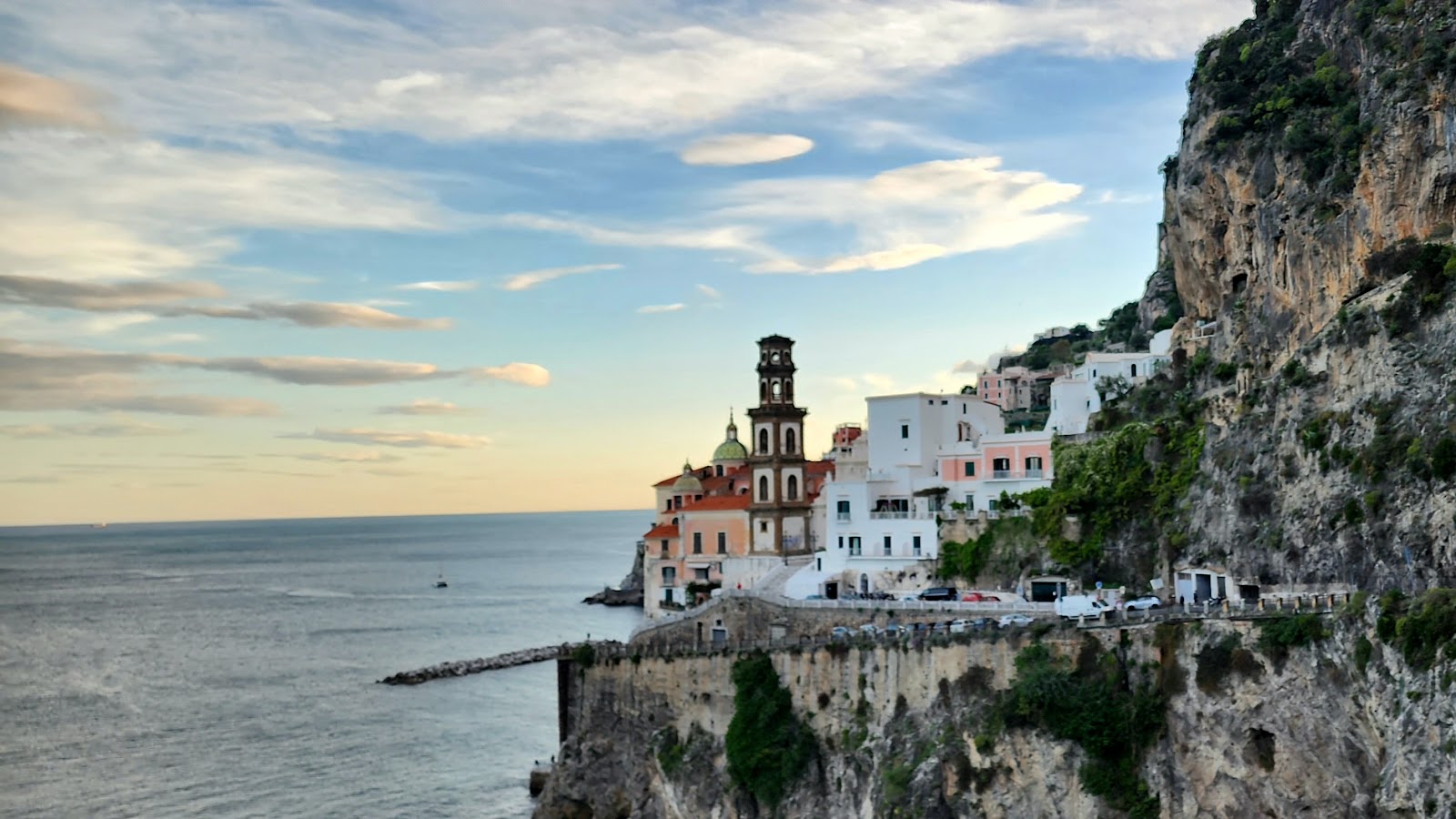
Atrani is the kind of place that stops you mid-step. The entire medieval town fits inside a single valley cleft, its whitewashed houses stacked so tightly that alleys become tunnels and staircases serve as streets. Piazza Umberto I — one of the smallest main squares in Italy — sits almost at sea level, flanked by two churches and open to the water, and from here you can read the whole logic of the town at a glance.
M.C. Escher first drew it in 1931, and the geometry that pulled him in still holds: arches framing arches, shadows cutting across pale stone, the Dragone valley pressing the whole settlement into an improbable vertical order.
💛 What travellers fall for
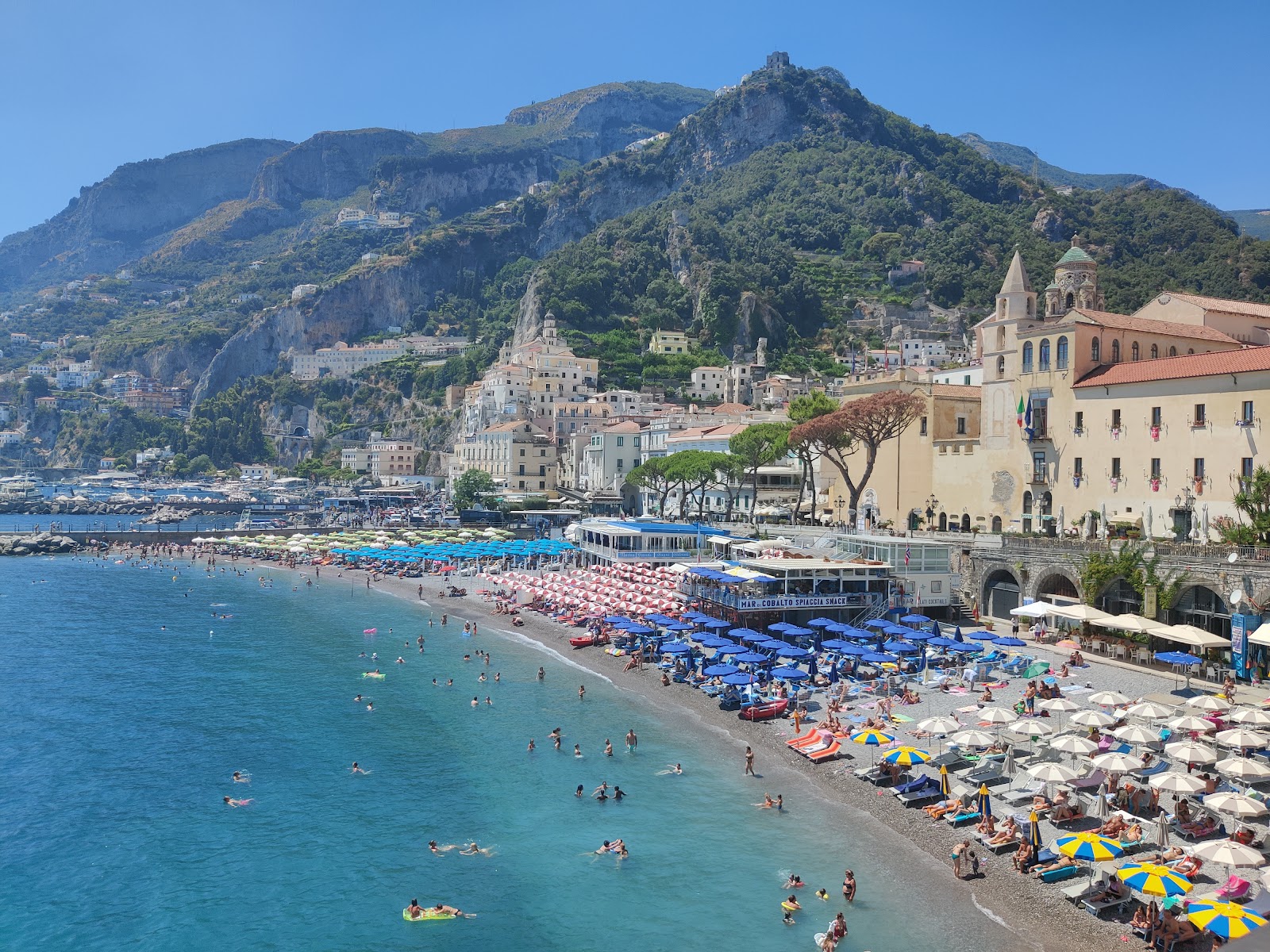
People who come back tend to time their visit around San Salvatore de' Birecto's afternoon opening — the bronze door cast in 1087 by Pantaleone Viaretta rewards a close look, the same hands that made the doors for Amalfi Cathedral. The sand beach is genuinely soft, rare on this coast, and the €25 lounger hire buys you an afternoon watching the cliff faces change colour.
The story behind Atrani Historic Center
A letter from Pope Gregory I in 596 AD is the earliest written record, but the valley held people long before that — Roman villas buried under debris from Vesuvius in 79 AD, and traces suggesting Greek or Etruscan passage in the 6th century BC. Around the year 1000, Normans moved in, followed by Swabians, French, and Spanish. The Pisans sacked the town twice, in 1135 and 1137.
Atrani and Amalfi were administratively joined in November 1467, then separated again in May 1578 after repeated abuses by Amalfi tax collectors on foodstuffs. The 1643 plague thinned the population hard. Joseph Bonaparte visited in 1807 and promised a proper road; work began under Joachim Murat in 1816 and wasn't finished until 1854.
Good to know
The SITA bus from Amalfi takes five minutes and costs €1.50 — far easier than driving, since parking rotates by license plate on alternate days. San Salvatore de' Birecto opens daily 10–1 and 3–6. Santa Maria del Bando, 750 steps above town, requires an appointment; without one, a gate stops you well short.
Summer runs hot — August highs touch 30°C, and the valley walls hold the warmth well into evening. Spring and early autumn give you cooler walking temperatures and far fewer people on the beach and in the alleys.
Where is Atrani Historic Center?
More tickets & tours for Atrani Historic Center
Book directly at the provider
What travellers say about Atrani Historic Center
The place is so beautiful from outside and the link to Escher is fantastic. We walked through Atrani. After Amalfi it felt so peaceful. Perhaps too quiet, and nearly empty. Not much to do or explore. While going upward in the road we found outdoors exhibitions dedicated to Escher. Notice: there is a tunnel for walking safely from Amalfi, look for it.
Bit of a hike to get there. But a beautiful place and fantastic views
Located on the coast of the small town of Atrani, the Collegiate Church of Saint Mary Magdalene 'Penitente' is a monastic gem of the Amalfi Coast. Often I found it closed and unfortunately I was unable to visit it.
Absolutely love staying in Atrani!! Extremely nice locals, quiet, incredible local food. I felt like I was a native to Italy!
One of the most famous views on Amalfi coast. It is breath taking and even though there is not much to do in Atrani it is a must visit place on your Amalfi trip. And since it is right between Ravello and Amalfi you can not miss it.
More of Atrani
Discover where to stay, what to do and the best deals for your trip.
Explore Atrani →More attractions in Atrani
All of Atrani →


Background adapted from Wikipedia (CC BY-SA) · map data © OpenStreetMap contributors · ratings & place photos via Google · other photos with per-image credit. Ticket links may earn us a commission at no extra cost to you.