
Corso Andrea Palladio
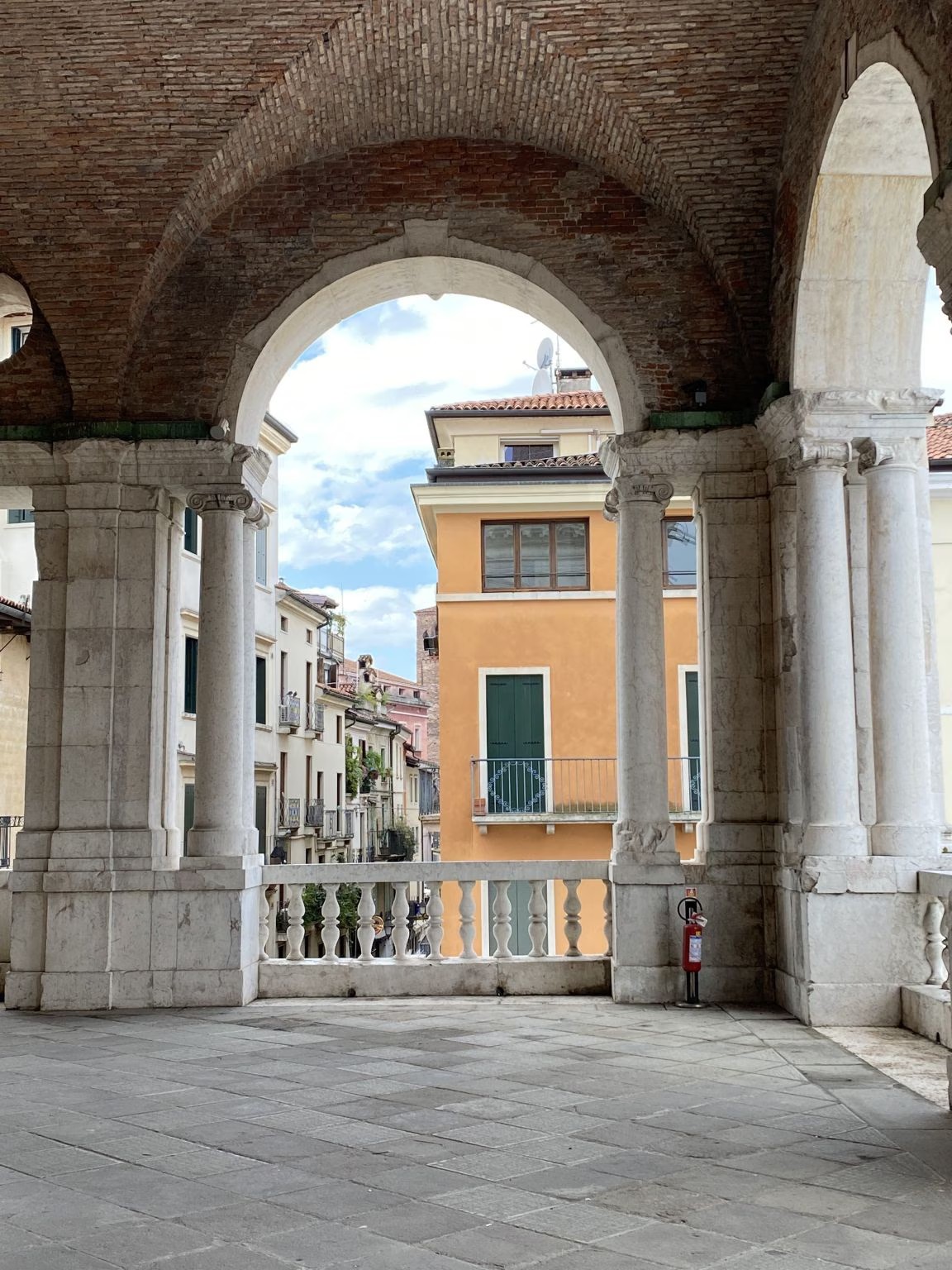
Corso Andrea Palladio runs dead straight through Vicenza for about 700 metres, west to east, and it has been doing so since the Romans laid it down as their main road through town. Palazzo facades stack up on both sides — Gothic piles beside Renaissance stone, with Palladio's own hand appearing again and again in the sequence. In 1847 the historian Cesare Cantù called it "the most elegant street in Europe, if you do not count the Grand Canal of the incomparable Venice." The comparison still lands.
Cars were banned in 1983, so the corso belongs entirely to foot traffic now. You walk from Piazza Castello, where the medieval Torrione di Porta Castello anchors the western end, all the way through to Piazza Matteotti, where the Basilica Palladiana and Teatro Olimpico wait.
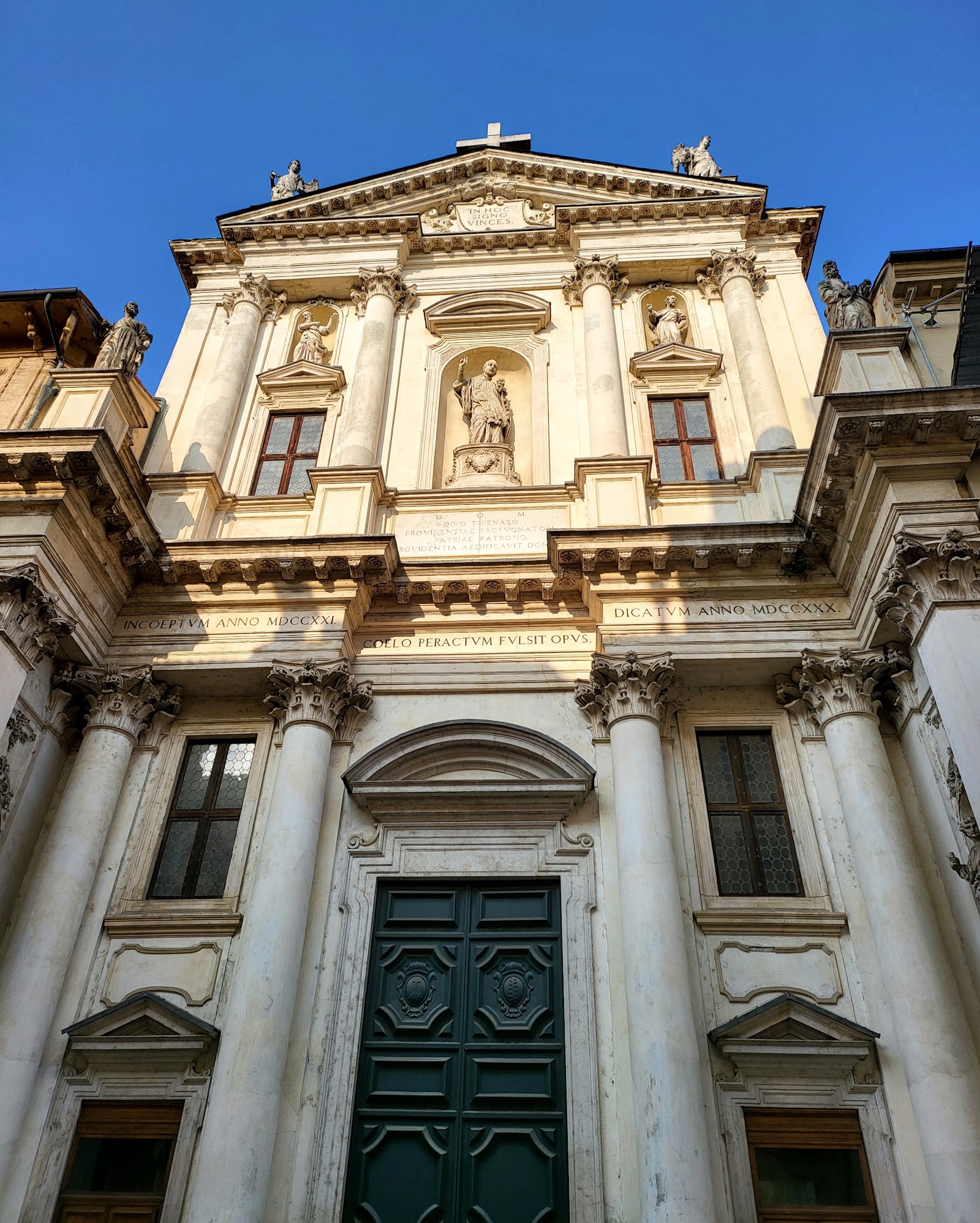
💛 What travellers fall for
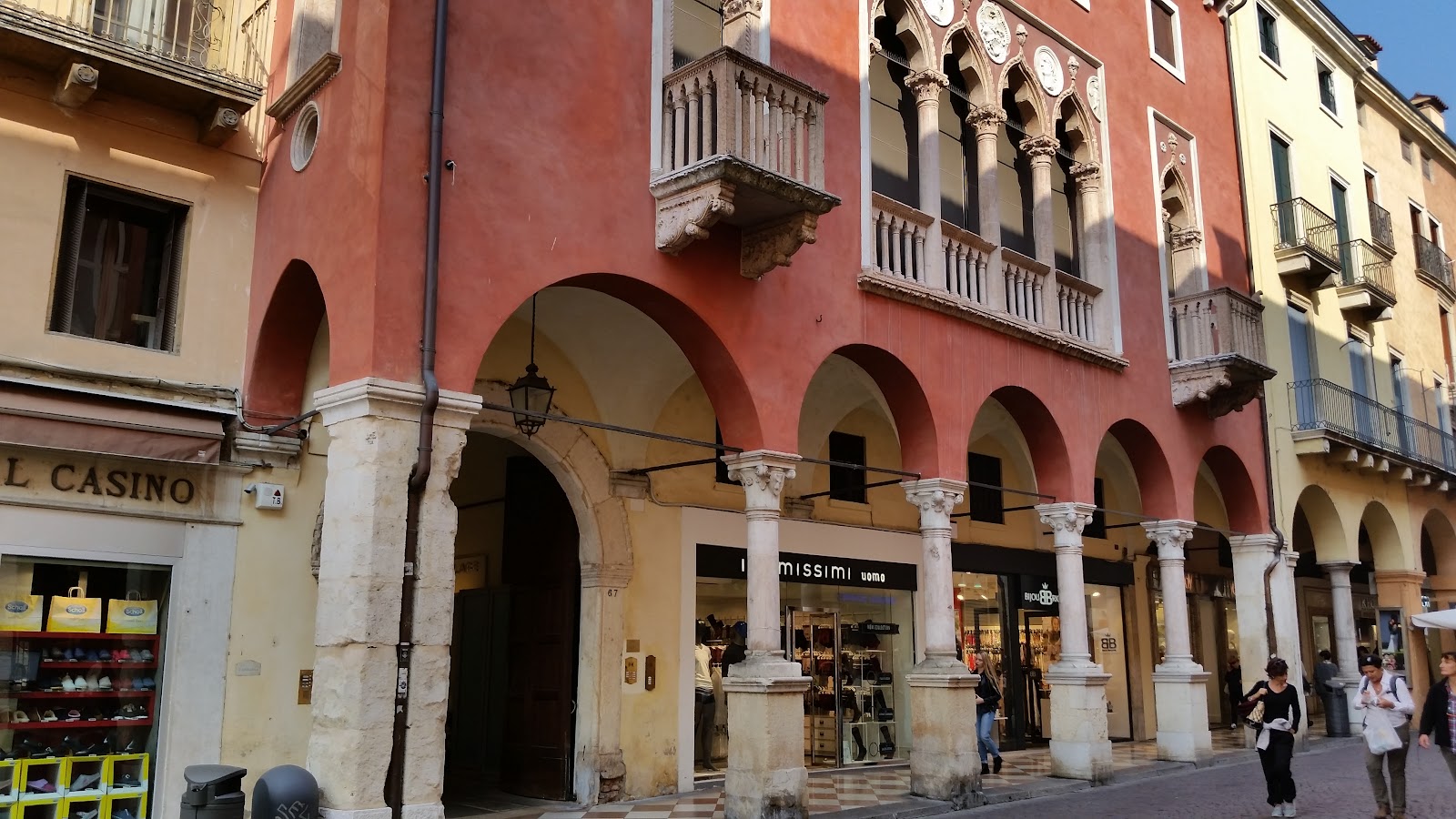
Regulars tend to stop at Gastronomia Il Ceppo (No. 196) for lunch — a wine cellar beneath a proper deli, closed Mondays. They also slow down at No. 147, the Palazzo da Schio, whose gilded exterior earned it the nickname Ca' d'Oro long before most visitors notice it. The town hall at No. 100, Palazzo Trissino Baston, is easy to walk past without realising Palladio built it for his own patron.
The story behind Corso Andrea Palladio
The street follows the line of Vicenza's Roman decumanus maximus — the primary east-west axis of any Roman colonial grid. Through the Middle Ages it was known as the strata major, connecting the gates of Porta Feliciana and Porta San Pietro, and threading the city between Verona and Padua. Palladio himself, born Andrea di Pietro della Gondola in 1508, left buildings at multiple addresses along its length: Palazzo Thiene Bonin Longare (No. 13, begun 1572, completed by Vincenzo Scamozzi after Palladio's death), Palazzo Pojana (No. 90–94, circa 1540), Casa Cogollo (No. 165–167, 1559) and the town hall at No. 100, built for Count Trissino, the patron who gave the architect his classical nickname.
The street was renamed Corso Ettore Muti in 1943 under the Fascist government, then renamed again in June 1945 — receiving the name it holds today.
Good to know
Vicenza's railway station is roughly 500 metres from Porta Castello; bus lines 1, 2, 4, 5, 7, 10 and 18 stop at Piazza Castello. The Civic Museums and Teatro Olimpico are closed Mondays. Spring (mid-April to mid-June) and September are the most comfortable seasons for a long slow walk.
Mid-April through mid-June is the sweet spot: temperatures between 10 and 20°C, long daylight hours, and manageable crowds. September runs a close second. Summer heat waves can push past 37°C on the stone-paved corso, and December through February can drop to freezing.
Where is Corso Andrea Palladio?
Location
- In Vicenza
- 45.5478, 11.5461
- Open in Google Maps
More tickets & tours for Corso Andrea Palladio
Book directly at the provider
More of Vicenza
Discover where to stay, what to do and the best deals for your trip.
Explore Vicenza →More attractions in Vicenza
All of Vicenza →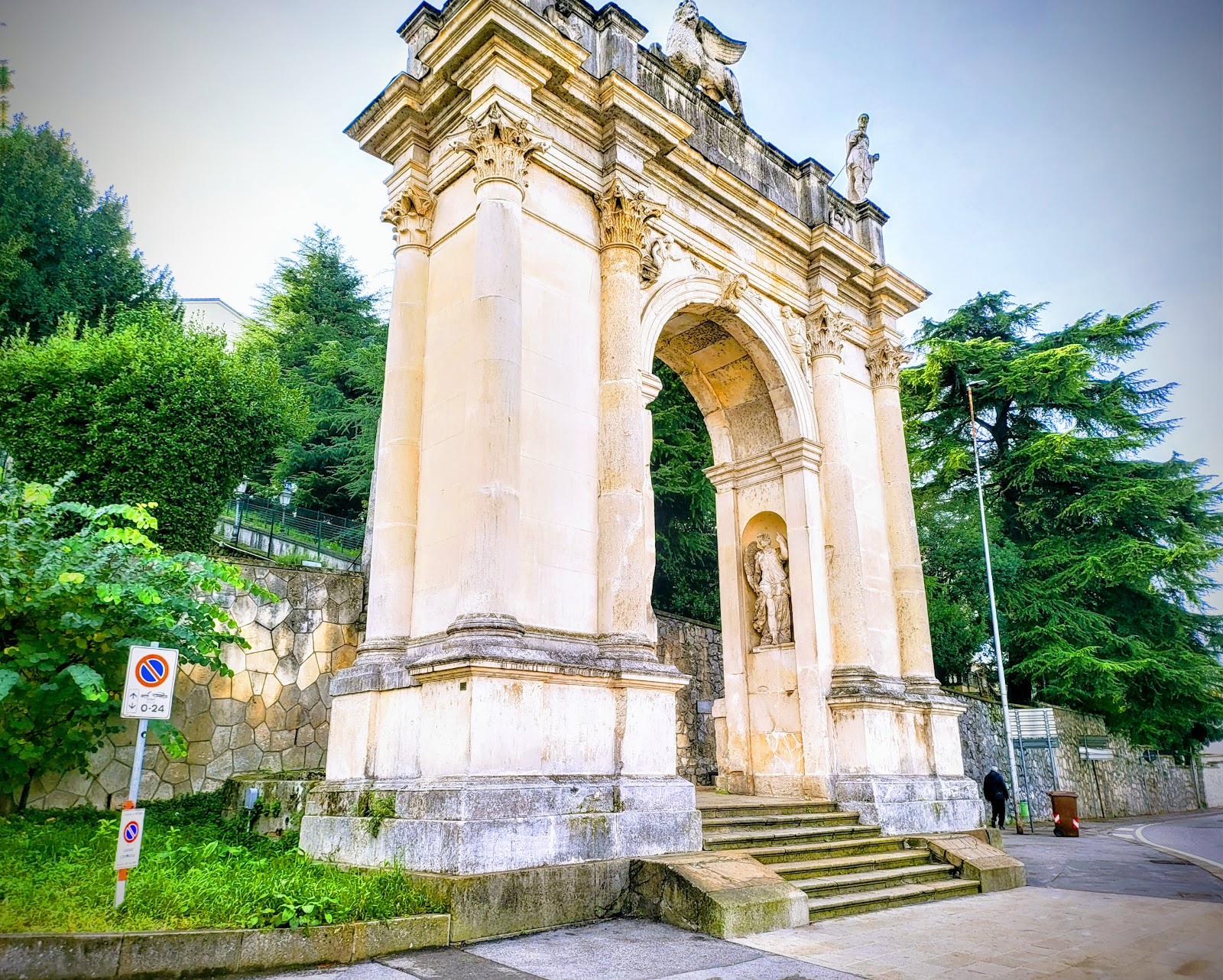

Background adapted from Wikipedia (CC BY-SA) · map data © OpenStreetMap contributors · ratings & place photos via Google · other photos with per-image credit. Ticket links may earn us a commission at no extra cost to you.