
Chiesa di Sant'Agata
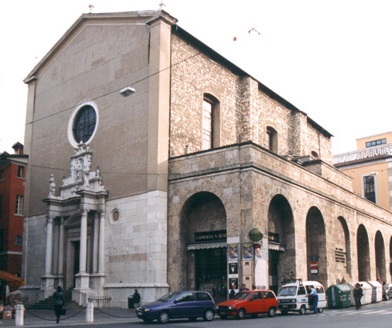
The village of Tovo di Sant'Agata sits about thirty kilometres northeast of Sondrio, in a part of the Valtellina where the valley road was already old when the Romans formalized it as the Via Spluga. The Chiesa di Sant'Agata stands here as the parish anchor of a small mountain community — the kind of church whose bell tower you see before you see anything else, and whose interior holds the quiet particular to places that have been used for worship across many generations.
The settlement's name tells you what matters most to the people who live here: the saint, the church, the continuity of a place.
💛 What travellers fall for
People who stop here rather than pass through tend to notice the approach more than the destination — the way the road narrows, the scale of the mountains behind the apse. Come on a weekday morning if you want the place to yourself. The village is small enough that a slow walk around the exterior takes less time than you'd expect.
The story behind Chiesa di Sant'Agata
The territory around Tovo di Sant'Agata has been inhabited since at least Roman times, when the Via Spluga — a road connecting the Po plain to the Alpine passes — ran through this part of the Valtellina. The dedication to Sant'Agata, a Sicilian martyr venerated widely across northern Italy from the early medieval period, suggests the church's origins reach back centuries, though no founding date or architect has been firmly documented for this specific building.
Like most parish churches in mountain Lombardy, it would have been rebuilt or extended at intervals as the community's means allowed — a pattern common across the valley, where Romanesque foundations sometimes sit beneath Baroque facades.
Good to know
Tovo di Sant'Agata is roughly 30 km northeast of Sondrio by road. Train to Sondrio, then a local bus toward the upper valley. Opening hours are unverified, so plan around a morning visit when Italian parish churches are most reliably unlocked. Check locally before making it the sole purpose of a trip.
Where is Chiesa di Sant'Agata?
More tickets & tours for Chiesa di Sant'Agata
Book directly at the provider
What travellers say about Chiesa di Sant'Agata
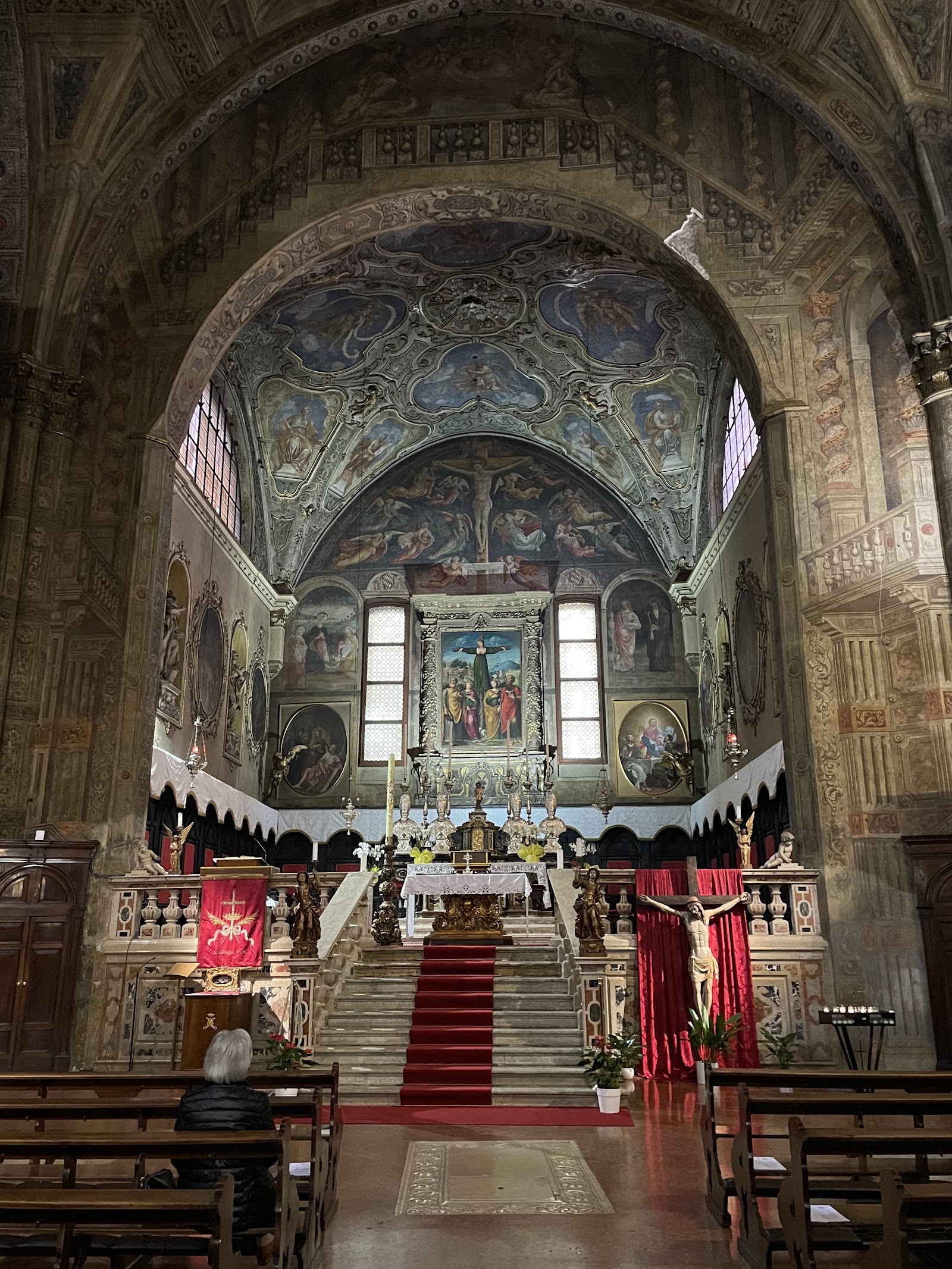
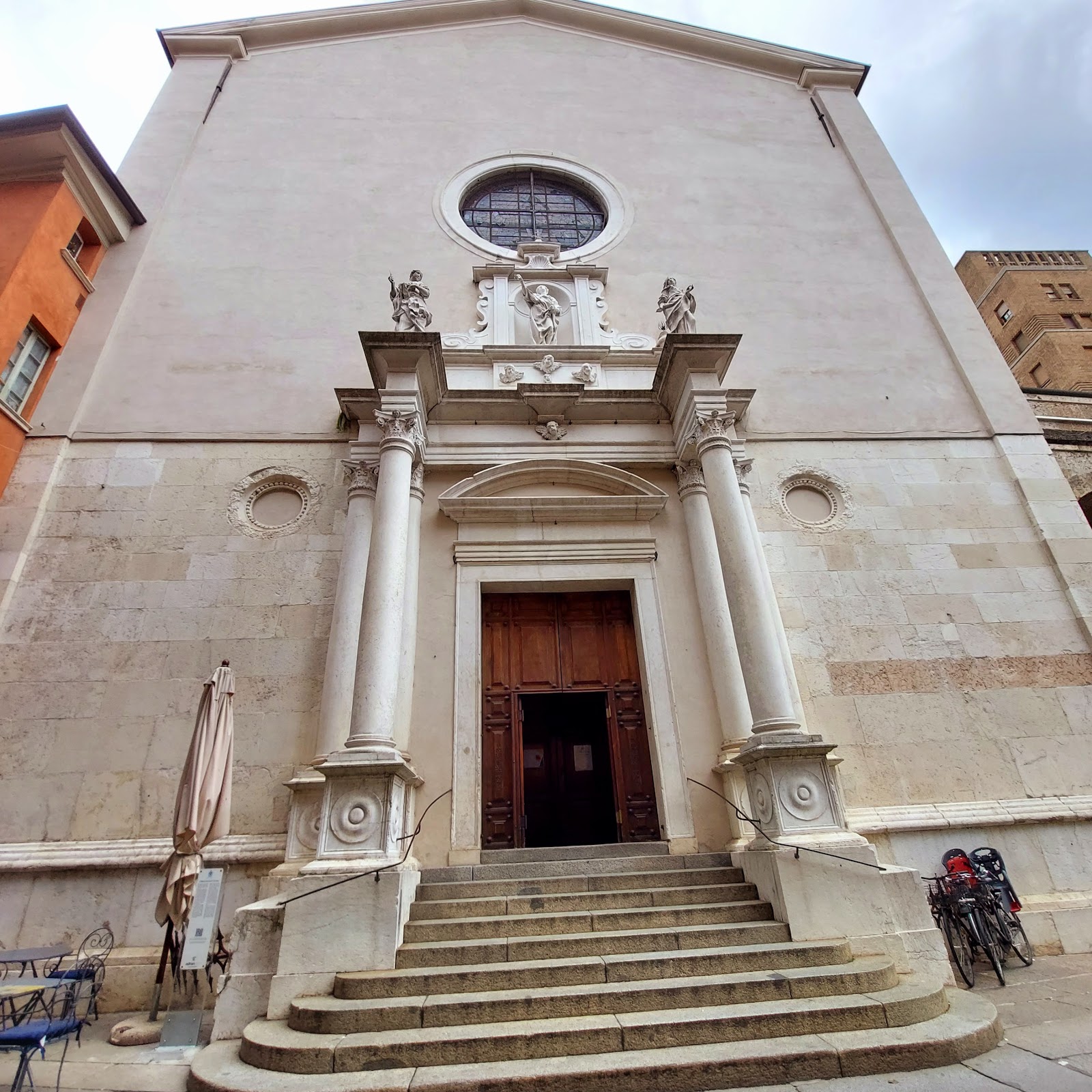
Of ancient origins, the church of St. Agata was founded where it now stands, the right bank of the Garza, either by the Goths in the VI century or by Longobards in the VII - VIII century. The dedication to the Catanese sail protector against fires (she died a martyr in 251, under Emperor Decius), was m probably precepted to protect the working-class area which grew just outside city walls. At the beginning of the 1400s, the church was completely rebuilt. In second half of that century it was enlarged by construction of the big presbyt which straddled the Garza. In the 1500s along the walls were added the arche the lateral altars with the friezed columns, practicable balcony, alfresco-decor panels and towards the 1600s the cross vaults of the presbytery were veiled long oblong lateral windows were walled and two large lunettes were ope Towards the end of the 1600s the entire nave was decorated alfresco. In the 1700s the Chapel of the Holy Sacrament was built (altered in the 1800s). Al the 1700s, the moulding of the statues of 3 saints to whom the church is ded was erected on the portal. In the second half of the 1800s the floor was ren burying in the subsoil the tens and tens of tombstones that indicated the gra the most important families of the parish. In the 1900s the floor was again and some of the more interesting tombstones resurfaced. The new sacris built and the old one was transformed into the Chapel of the Crucifix. More the apse, under the mediocre "Crucifixion" by Pietro da Marone (1593),
Beautiful paintings about suffering of Santa Lucia and Sant’Agata.
A beautiful church in the center of Brescia. It was originally built in Gothic style, then Baroque. The exterior is very simple, but the interior is richly frescoed. There's also a chapel called the Chapel of the Most Holy Sacrament. A lovely discovery while strolling around Brescia. A beautiful church in the center of Brescia. It was originally built in Gothic style, then Baroque. The exterior is very simple, but the interior is richly frescoed. There's also a chapel called the Chapel of the Most Holy Sacrament. A lovely discovery while strolling around Brescia.
In the previous days, we had always found it closed and had almost given up hope of being able to visit it, when on the very day we were leaving we realized it was open and we delayed our departure a little to make this visit, which we were very happy with. It is not a very large but very beautiful church located in Piazza della Vittoria, very richly decorated and variously framed paintings, all in the single nave with side altars. It is all beautiful, but some things are even more so: the ceiling, the crucifix on the right side of the altar and the main altar itself surrounded by many important works (paintings and statues) on the side walls, the round stained glass window above the entrance. Consecrated around 1500, it is one of the most important churches in Brescia.
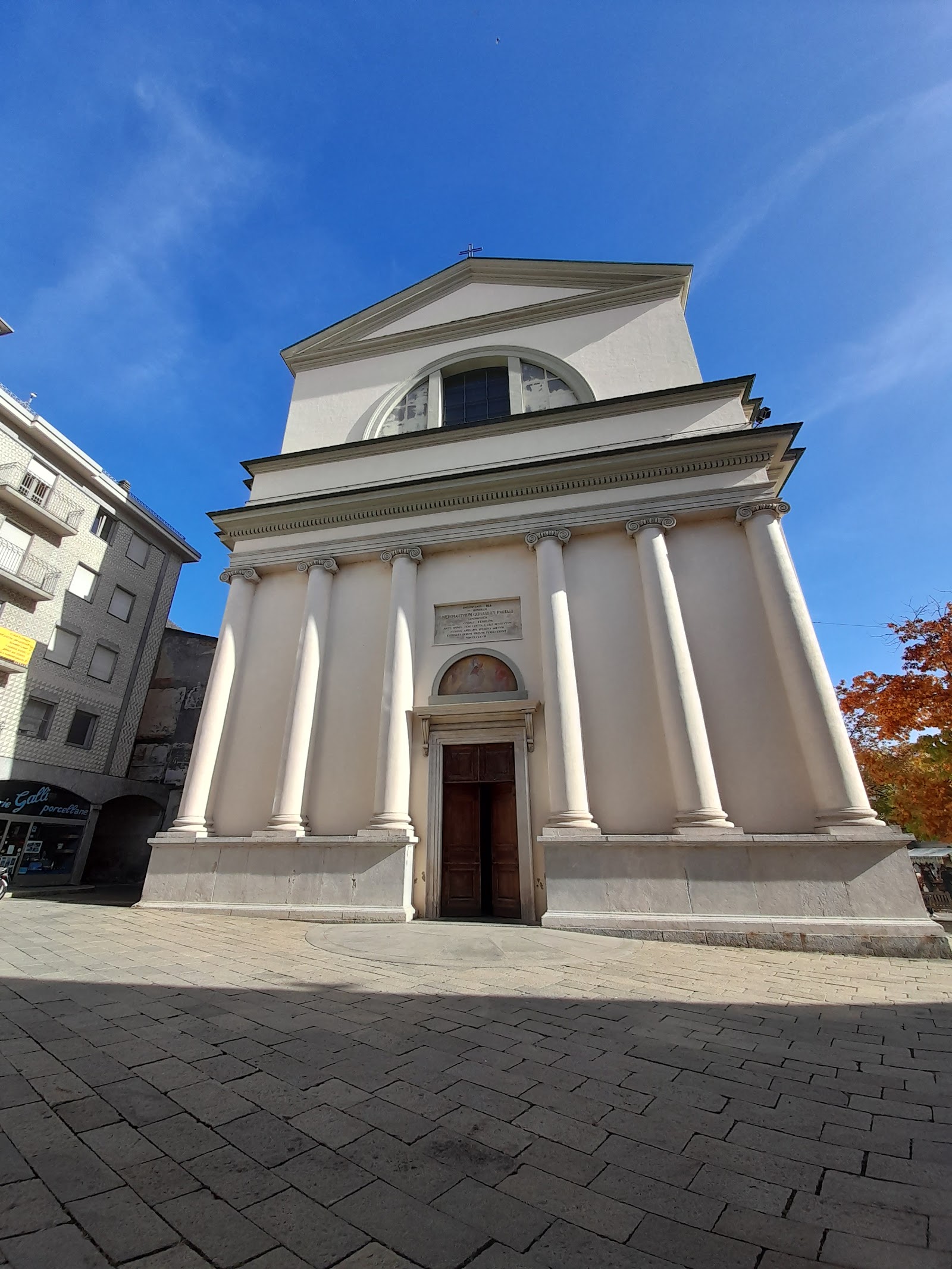
An ancient church of Lombard origin, remodeled during the Renaissance with the extension of the apse, a "bridge" over the Garza stream, now covered over. The beautiful, simple façade features a marble staircase and portal leading to the entrance.
More of Sondrio
Discover where to stay, what to do and the best deals for your trip.
Explore Sondrio →More attractions in Sondrio
All of Sondrio →
Background adapted from Wikipedia (CC BY-SA) · map data © OpenStreetMap contributors · ratings & place photos via Google · other photos with per-image credit. Ticket links may earn us a commission at no extra cost to you.