
Berchtesgaden
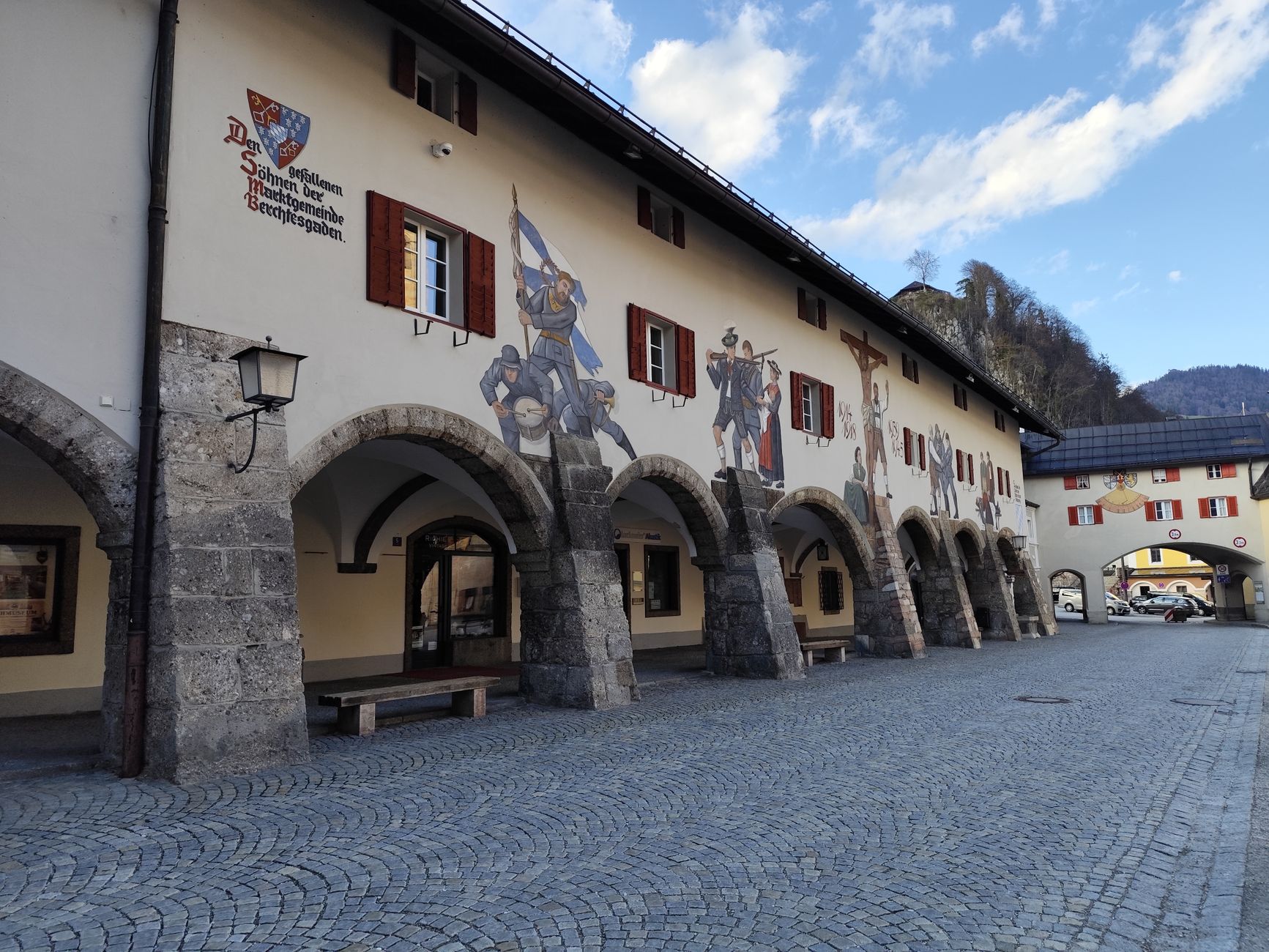
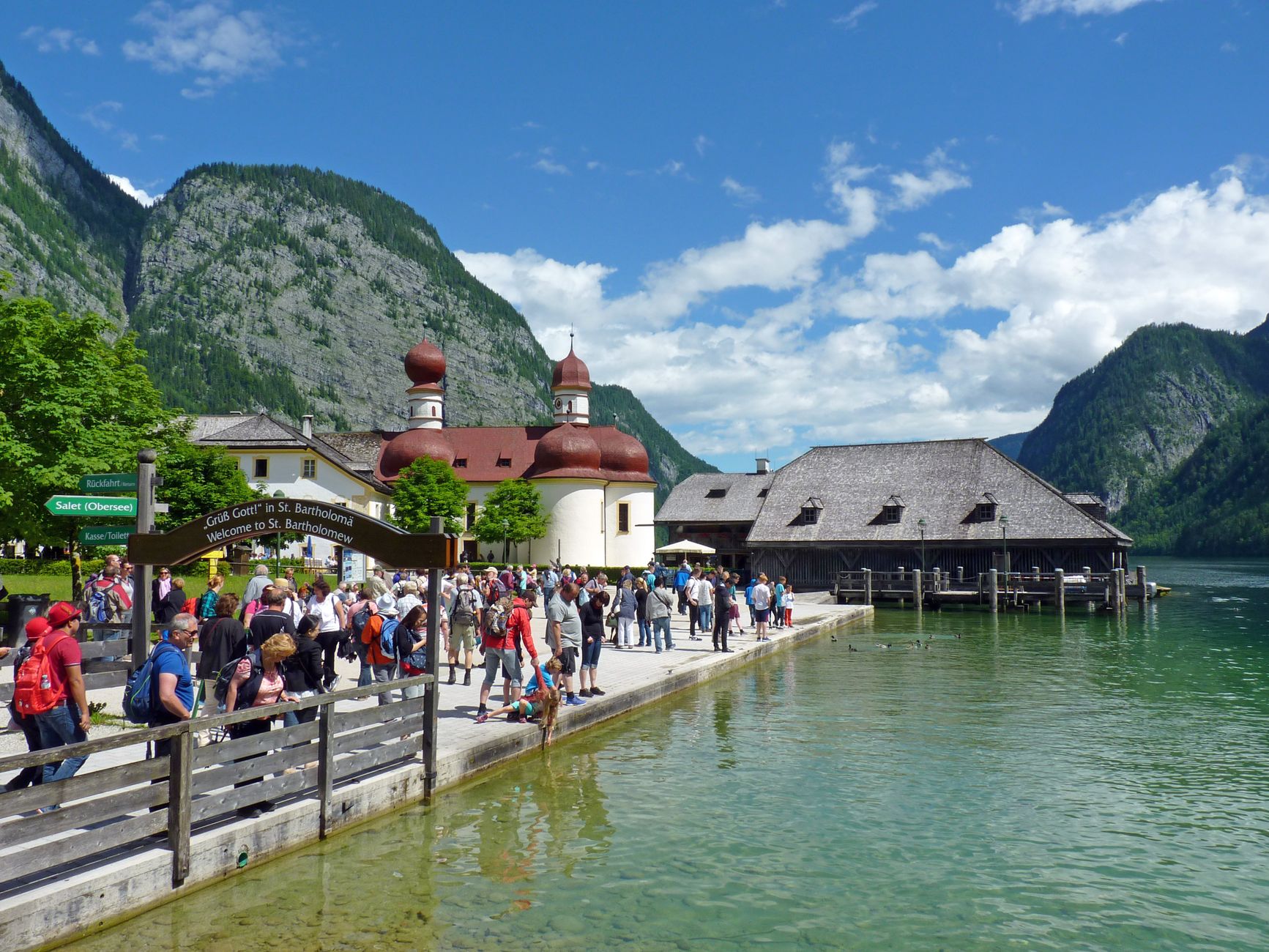
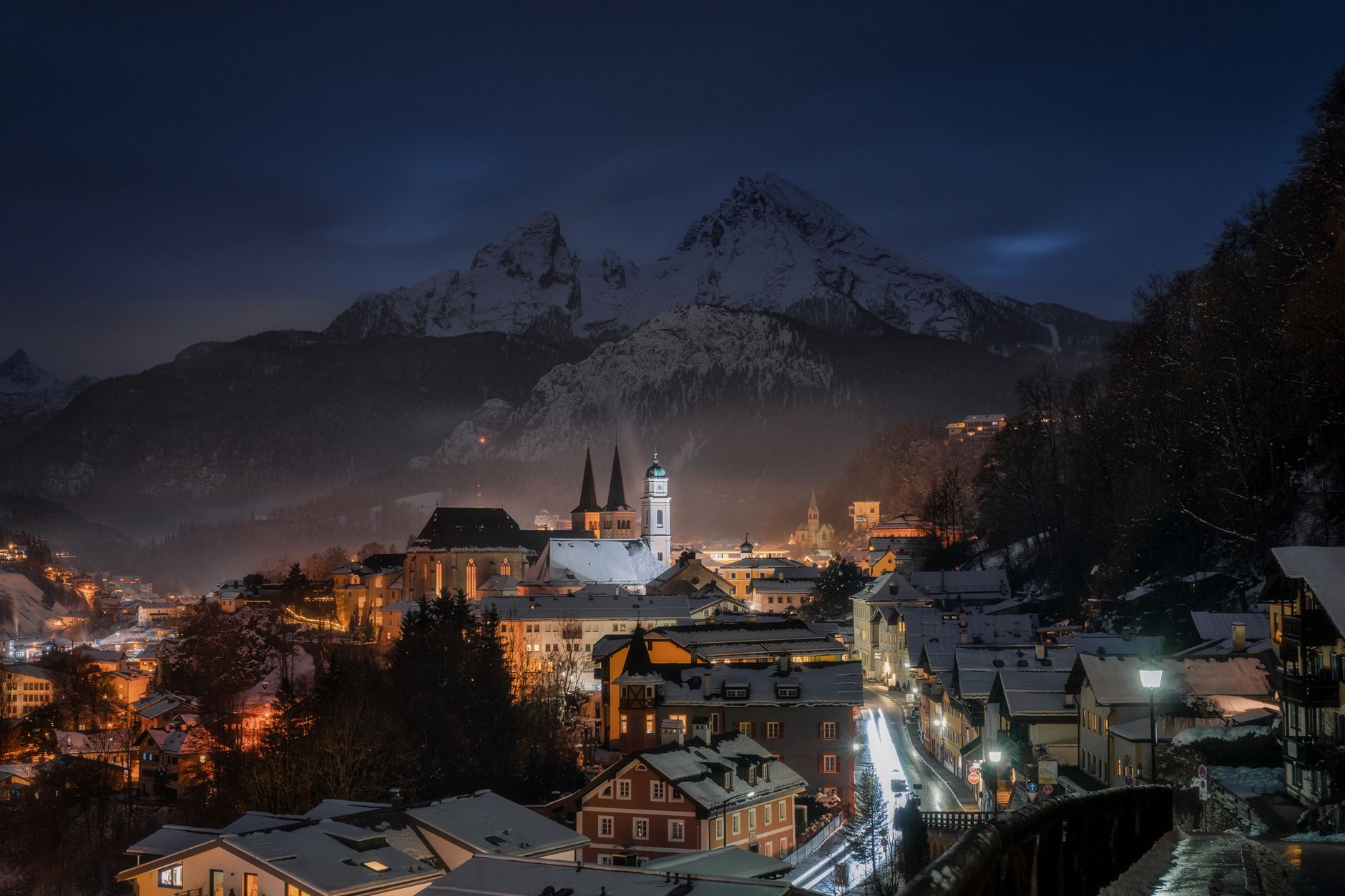
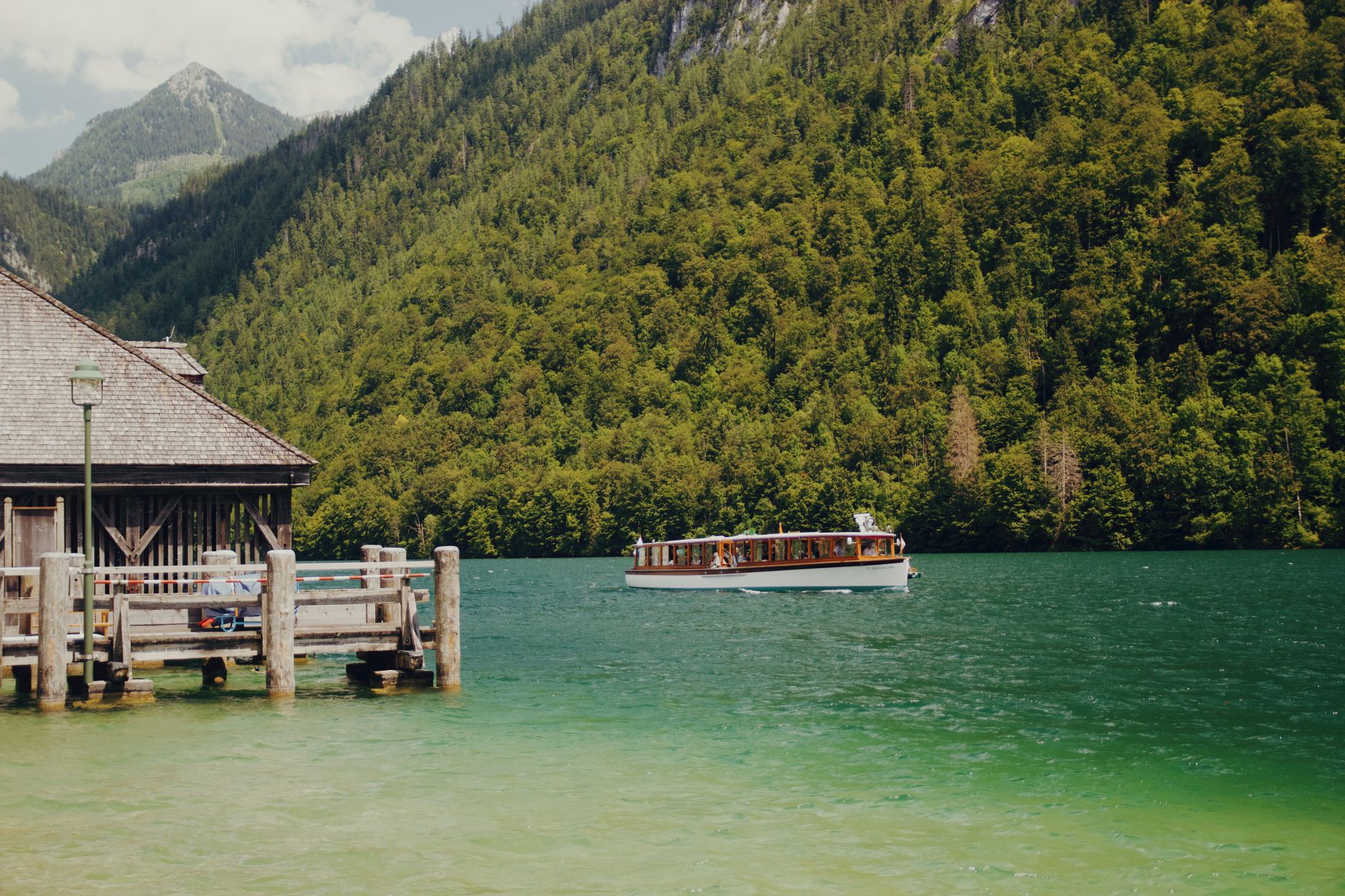
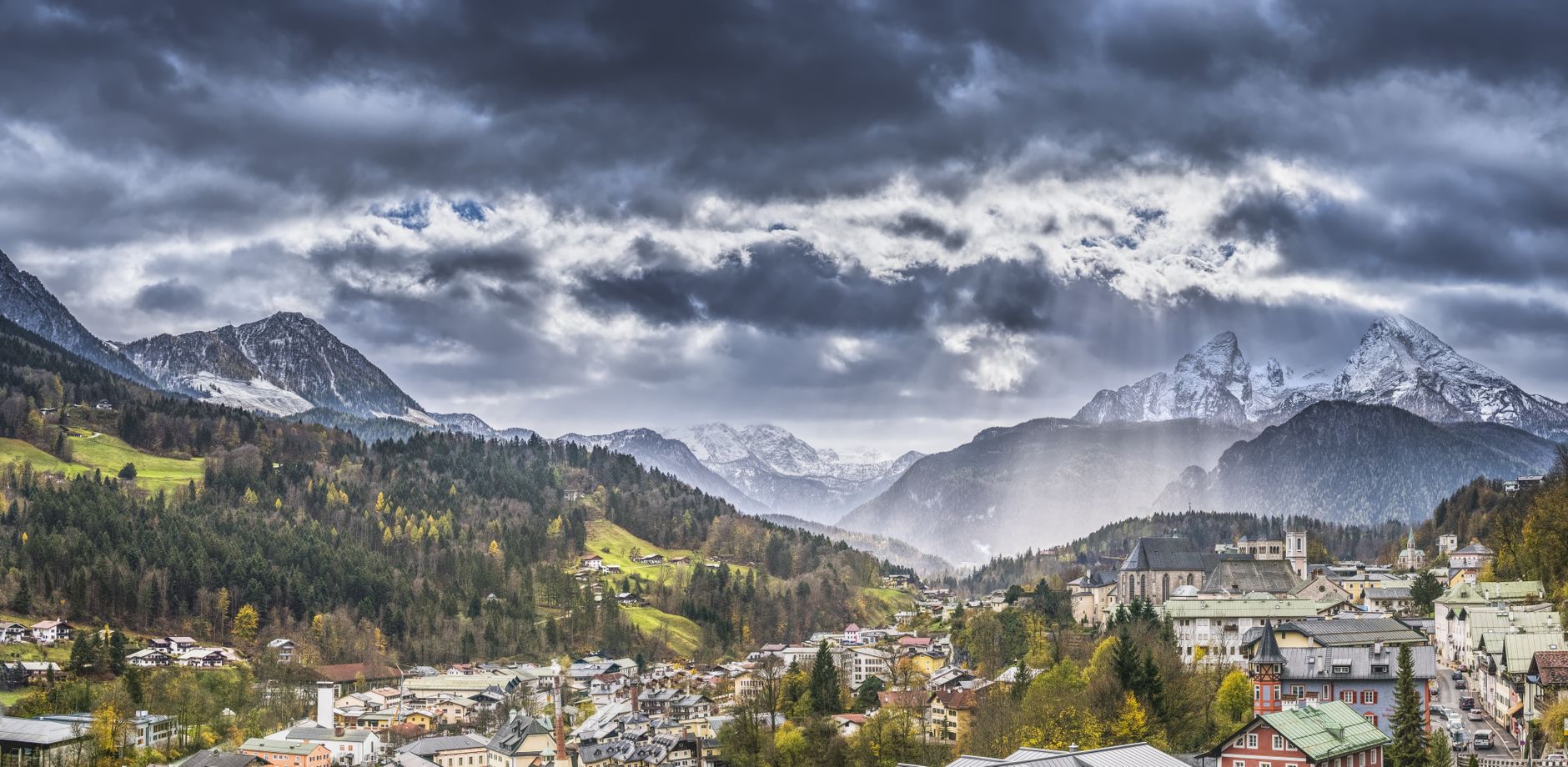
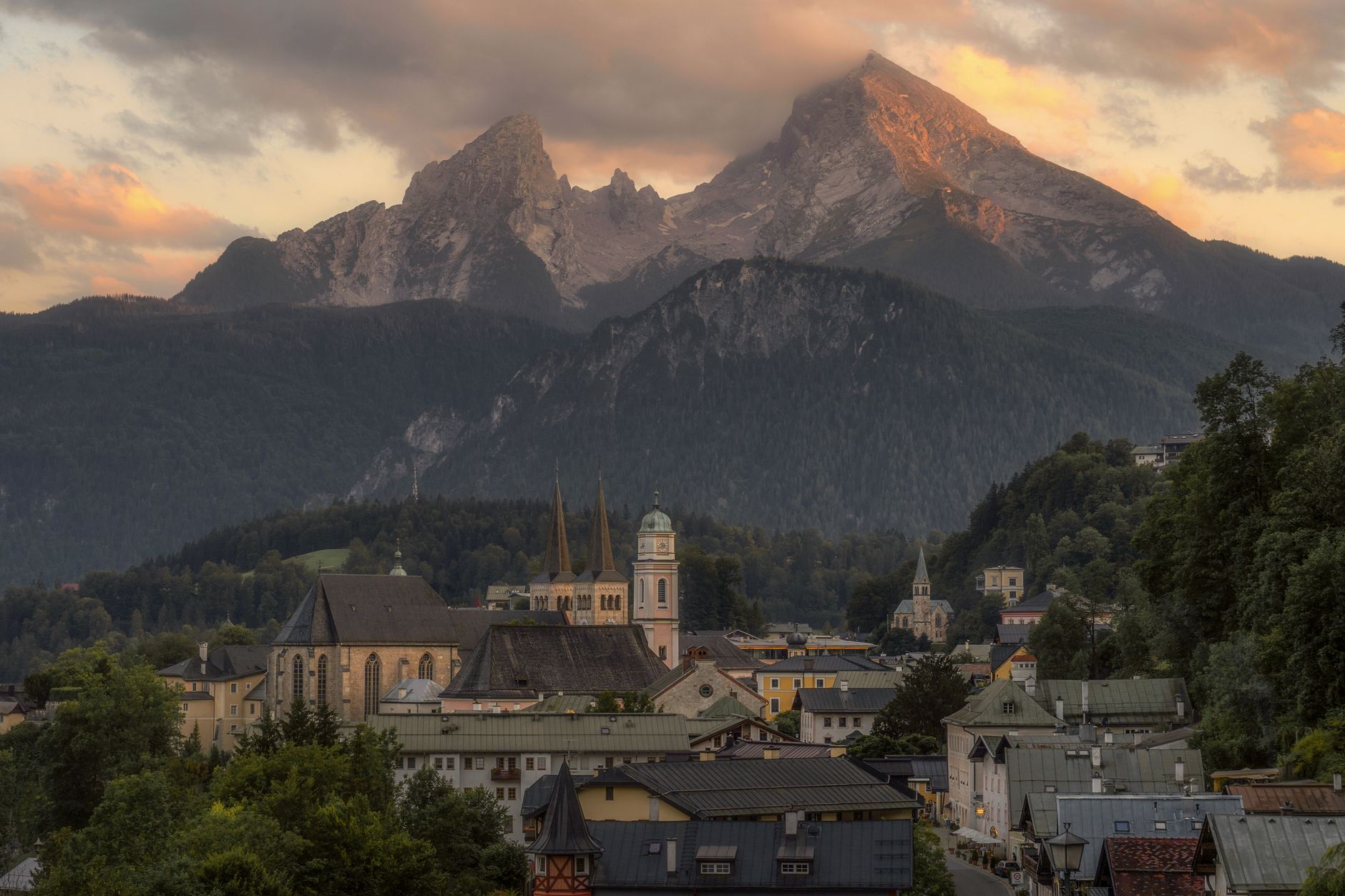
The salt is what built this place. Long before the royal family arrived, before the railways, before the twentieth century rewrote the mountain above the town in the darkest possible terms, Berchtesgaden was a salt town — and the mine has been pulling visitors underground since 1517. You ride a wooden sledge into the mountain, cross a subterranean lake by raft, and emerge blinking back into the Alps with a clearer sense of why an Augustinian monastery took root here in 1102 and never really let go.
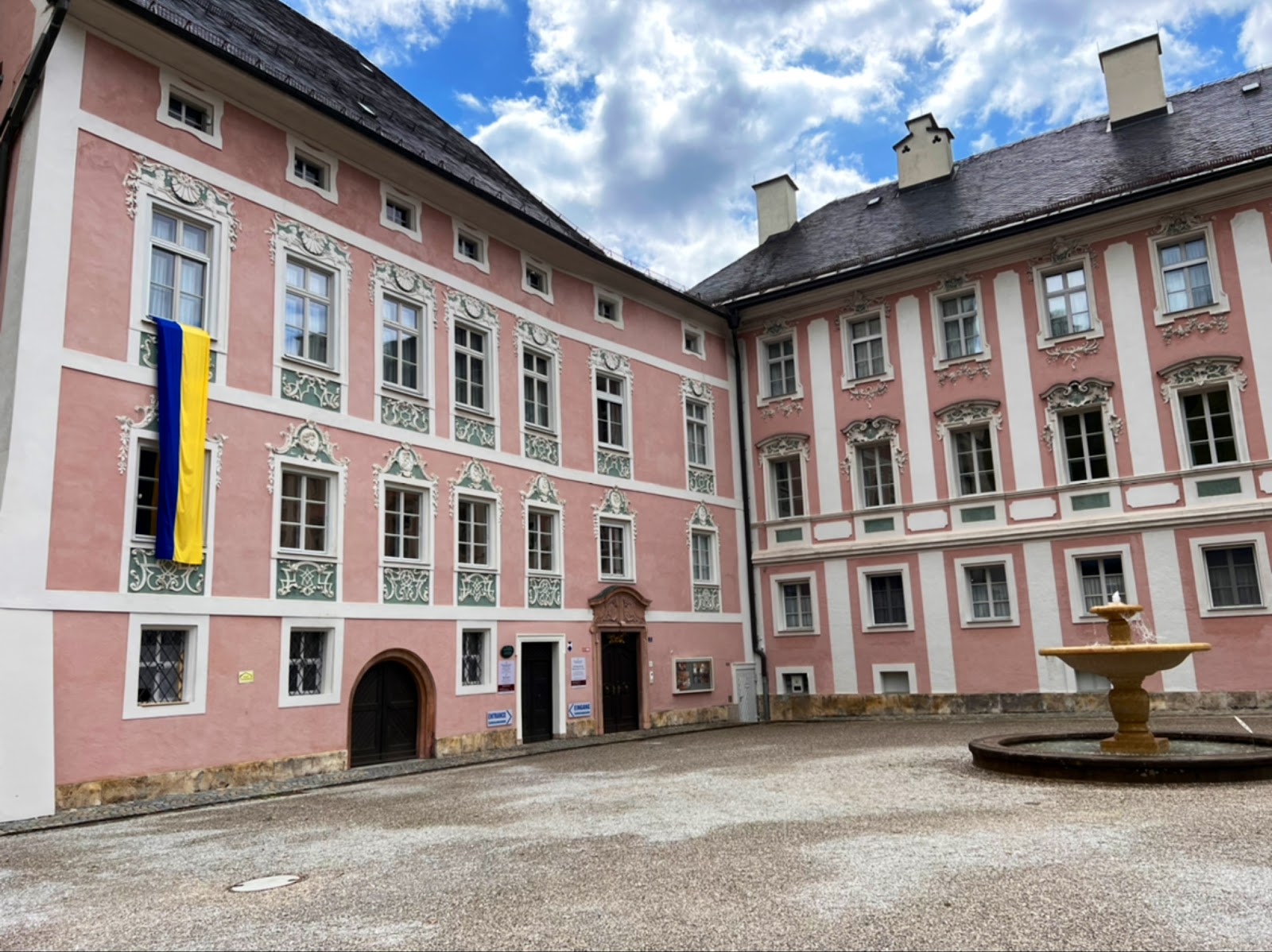
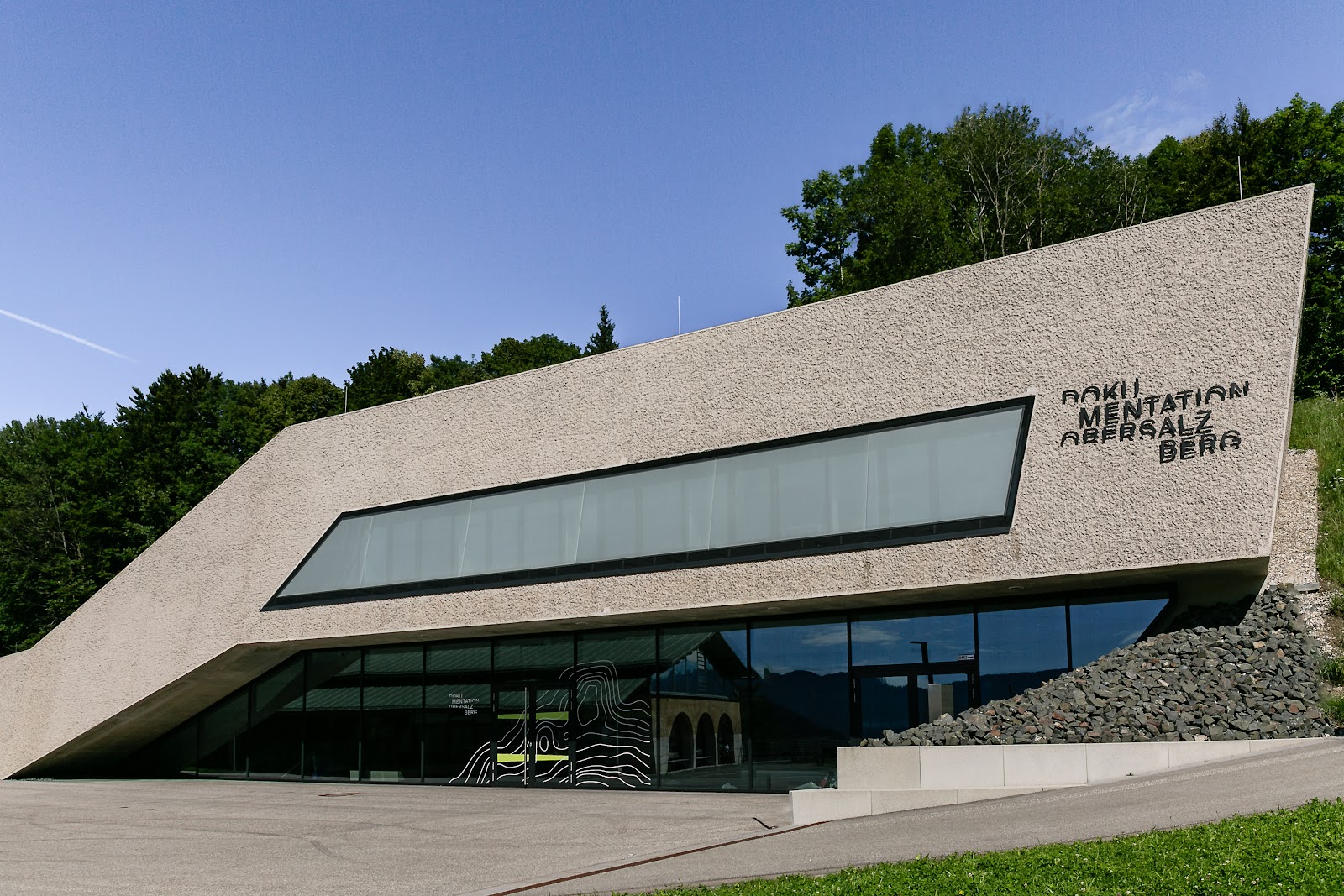
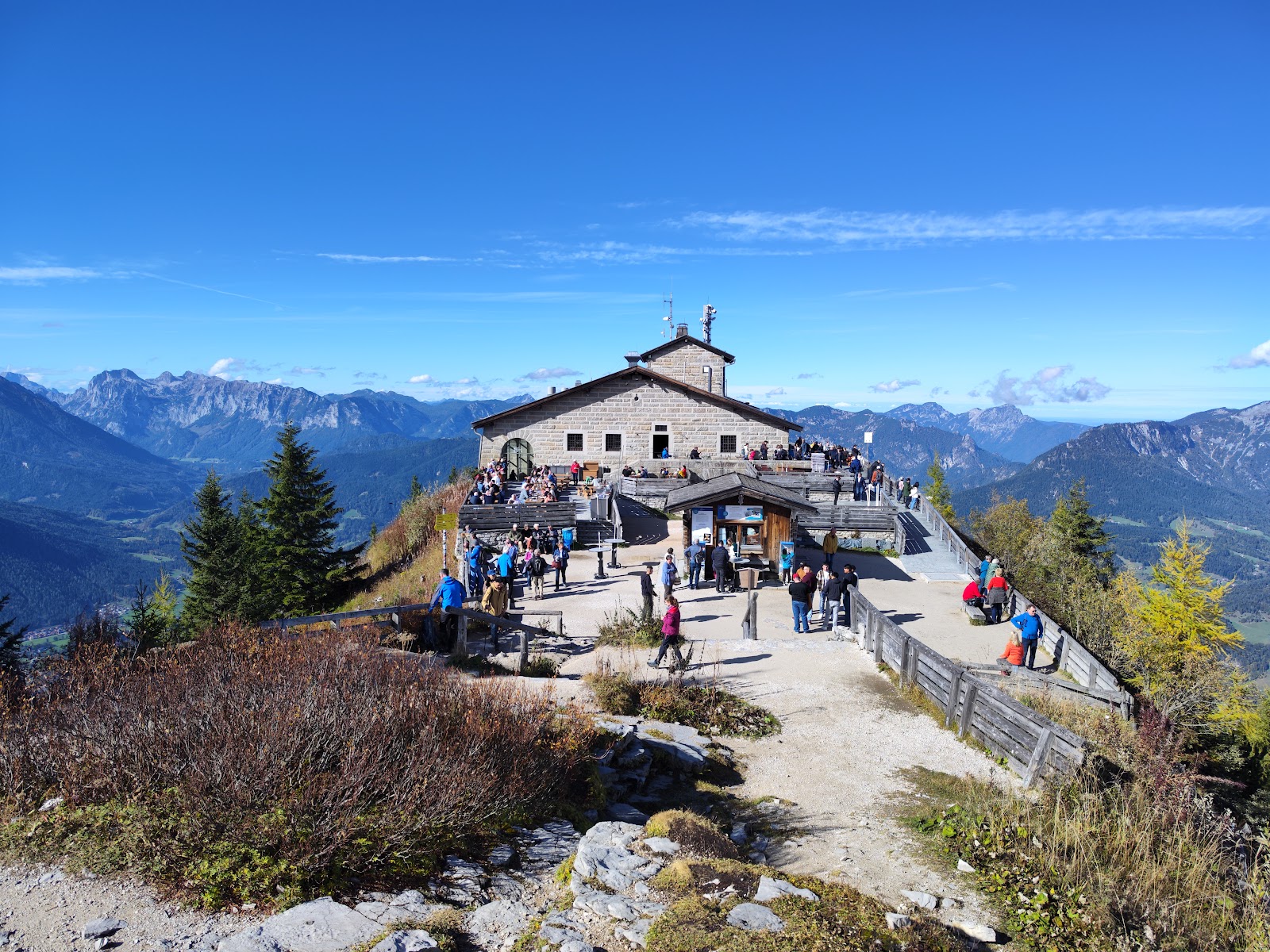
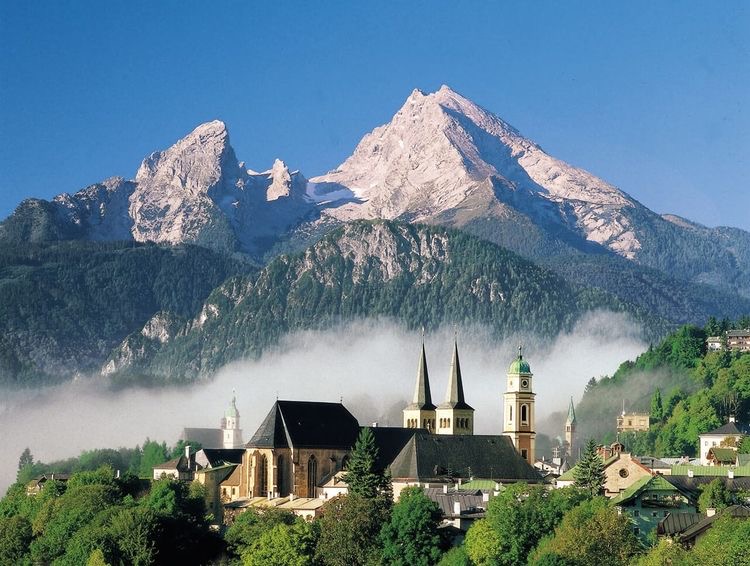
The town sits at the end of a railway line that has been drawing people south since 1888, and the mountains close in on all sides. The Königliches Schloss, built by those same Augustinians, still stands at the centre of things, its late Romanesque cloister largely unchanged. The Kehlsteinhaus on its ridge above Obersalzberg carries a heavier history, and the Dokumentationszentrum makes sure you understand it.
💛 What travellers fall for
People who come back tend to time it around the Eagle's Nest season — the road opens in early May and closes at the end of October. Bus 838 runs up from town and is free with the guest card from your accommodation. Go on a weekday morning before the coaches arrive and you'll have the terrace almost to yourself.
Experiences you don't want to miss


Deals in Berchtesgaden
Book directly at the provider

How Berchtesgaden came to be
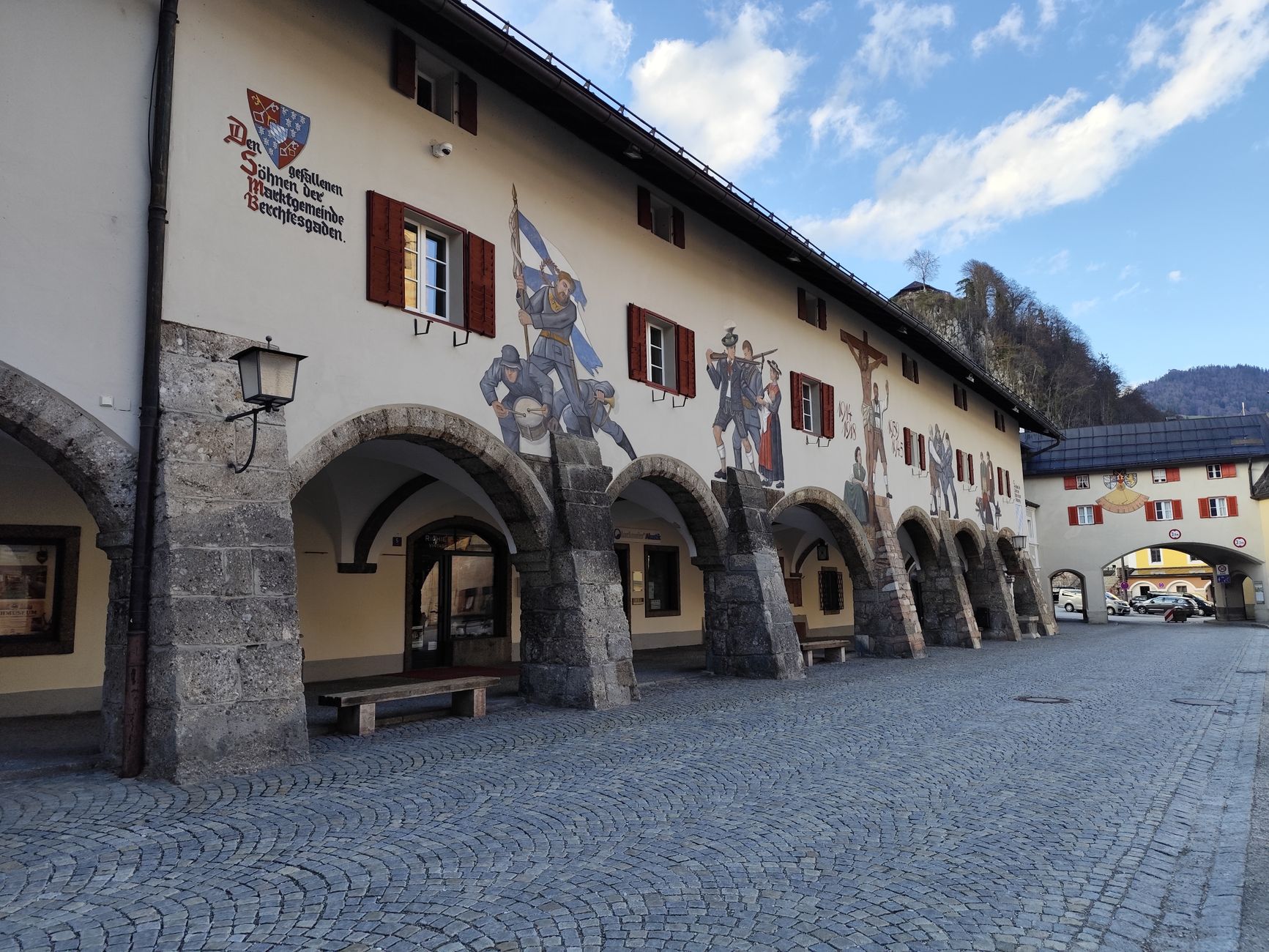
Augustinian monks arrived in 1102, drawn, like everyone else, by salt. Their monastery was completed by 1122 under Provost Eberwein, and for nearly seven centuries the Berchtesgaden Provostry operated as its own independent state within the Holy Roman Empire, ruled by a Prince-provost. Salt mining began commercially in 1517 and financed much of what you see. The Reichsdeputationshauptschluss of 1803 ended that independence; Austria took the territory in 1805 under the Treaty of Pressburg, and Bavaria absorbed it in 1810.
The Wittelsbachs, Bavaria's royal family, turned the former monastery into a hunting residence — a use that continues today. The railway arrived in 1888 and the tourists followed. Then, in the 1930s, Adolf Hitler began building on the Obersalzberg above town. The Berghof was destroyed in April 1945 and its ruins cleared in 1952; the Dokumentationszentrum, open since 1999, handles that chapter with care and rigour.
Who and what shaped it
People who shaped it
Landmark buildings
See Berchtesgaden in motion
Plan your visit
On the map
When to go
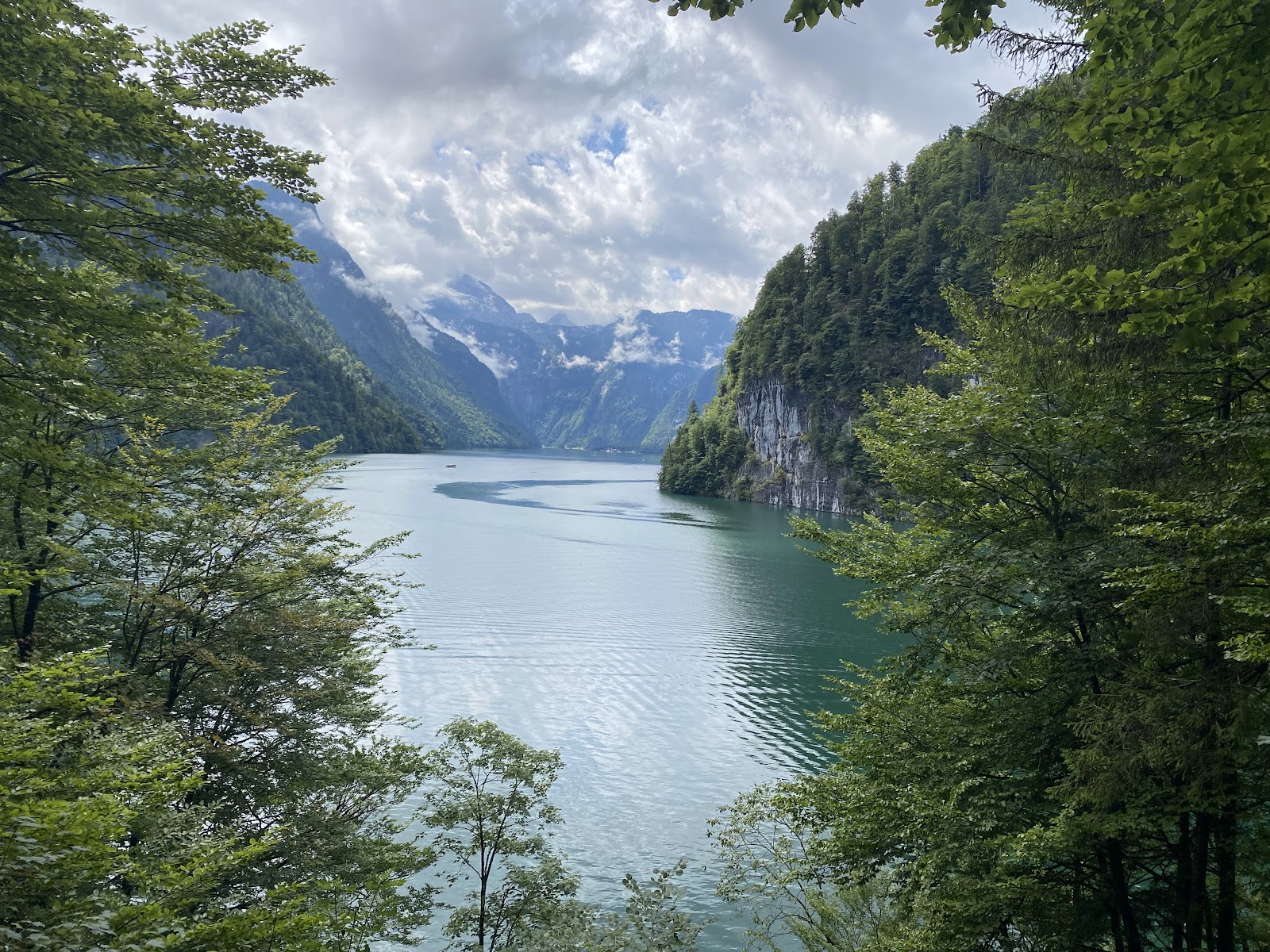
Summers are mild and green, the best window for the Eagle's Nest and Königssee. Winters bring heavy snowfall and genuine Alpine cold — picturesque but limiting, with some attractions closed or on reduced hours from November through March.
Right now
↡ Attractions


Background & history adapted from Wikipedia (CC BY-SA) · specs from Wikidata (CC0) · weather from Open-Meteo · map data © OpenStreetMap contributors · photos from Wikimedia Commons / Unsplash with per-image credit. No third-party reviews or social posts reproduced.