
Berchtesgaden Palace
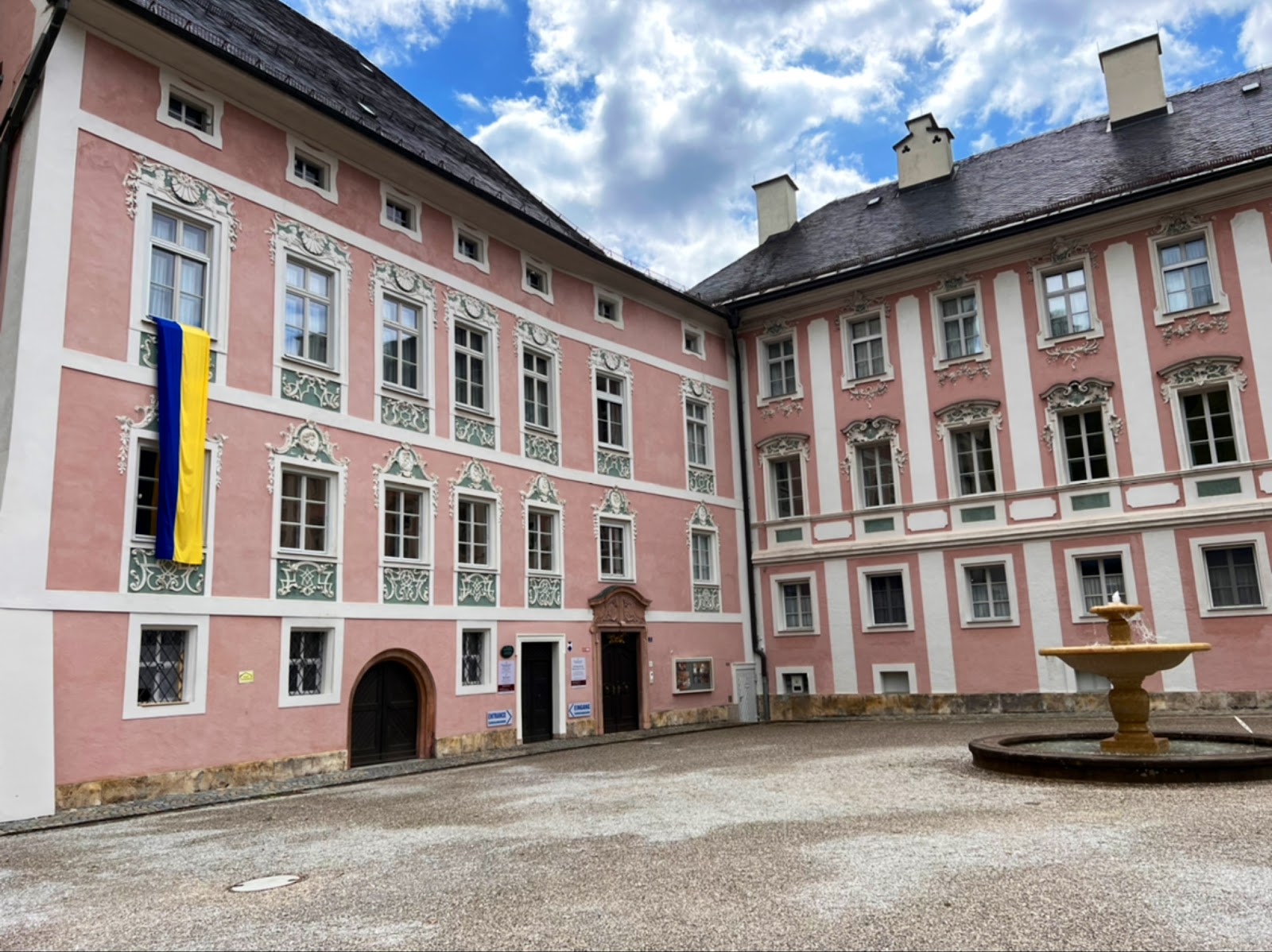
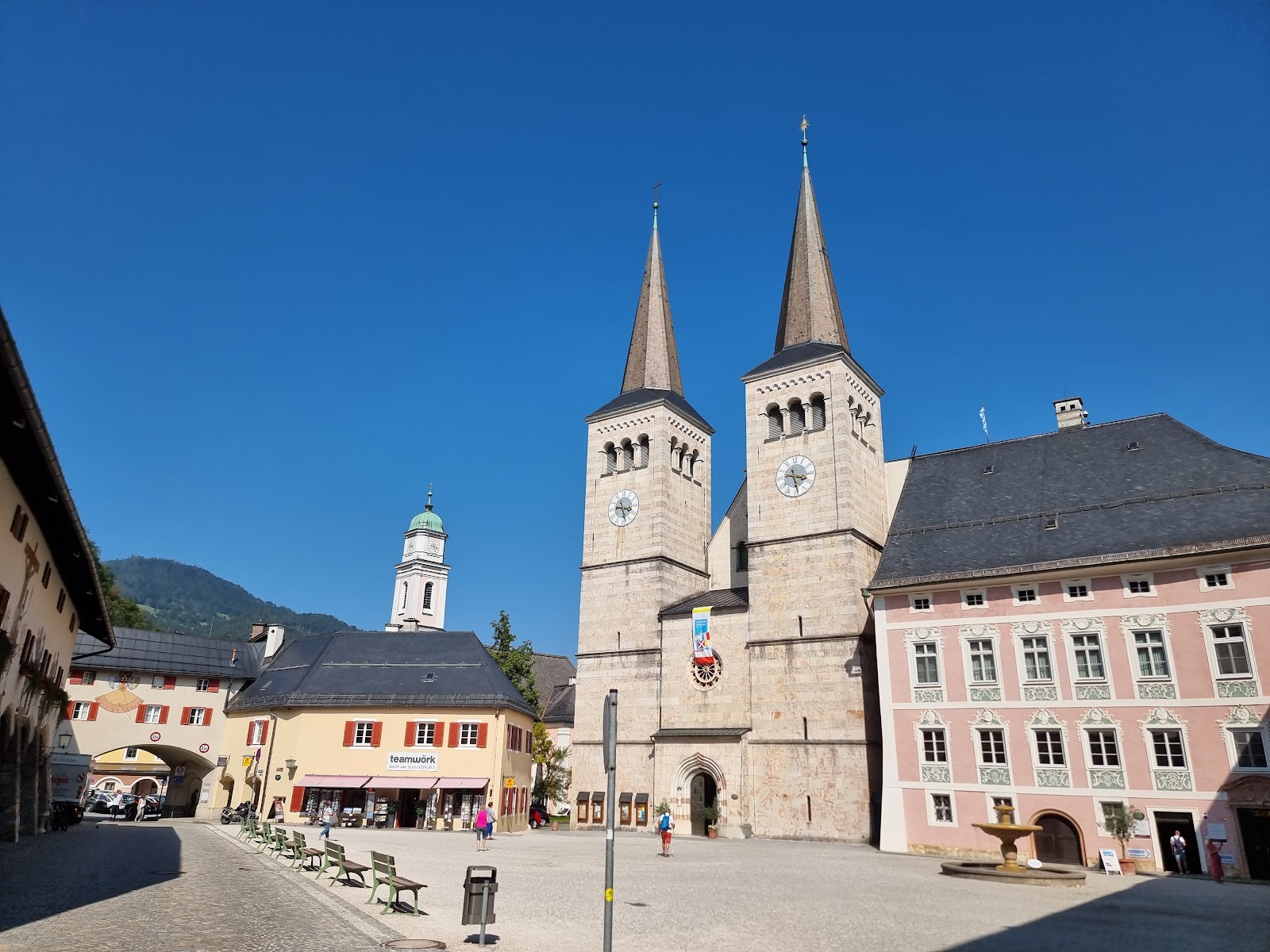
Walk through the archway off Berchtesgaden's Marktplatz and the town's cheerful Lüftlmalerei frescoes give way to something older and quieter. Berchtesgaden Palace began as an Augustinian monastery in 1102 — legend credits Countess Irmgard von Sulzbach with its founding, a vow of gratitude after her husband survived a hunting accident — and it has been accumulating centuries ever since.
Romanesque cloister, Gothic hall, Renaissance rooms, Baroque wing: each era left its mark without erasing the last. The Wittelsbachs took it over after secularization in 1803, turned it into a summer hunting lodge, and Duke Franz of Bavaria still summers here, which means entry is by guided tour only — an arrangement that keeps the rooms feeling genuinely inhabited rather than embalmed.
💛 What travellers fall for
People who return tend to book the special tour that opens the Porcelain Room, the East Asia Room and the private chapel — spaces closed on the standard route. The Rehmuseum in the former stables, with its deer skull collection, surprises most visitors who wander in expecting something grander.
The story behind Berchtesgaden Palace
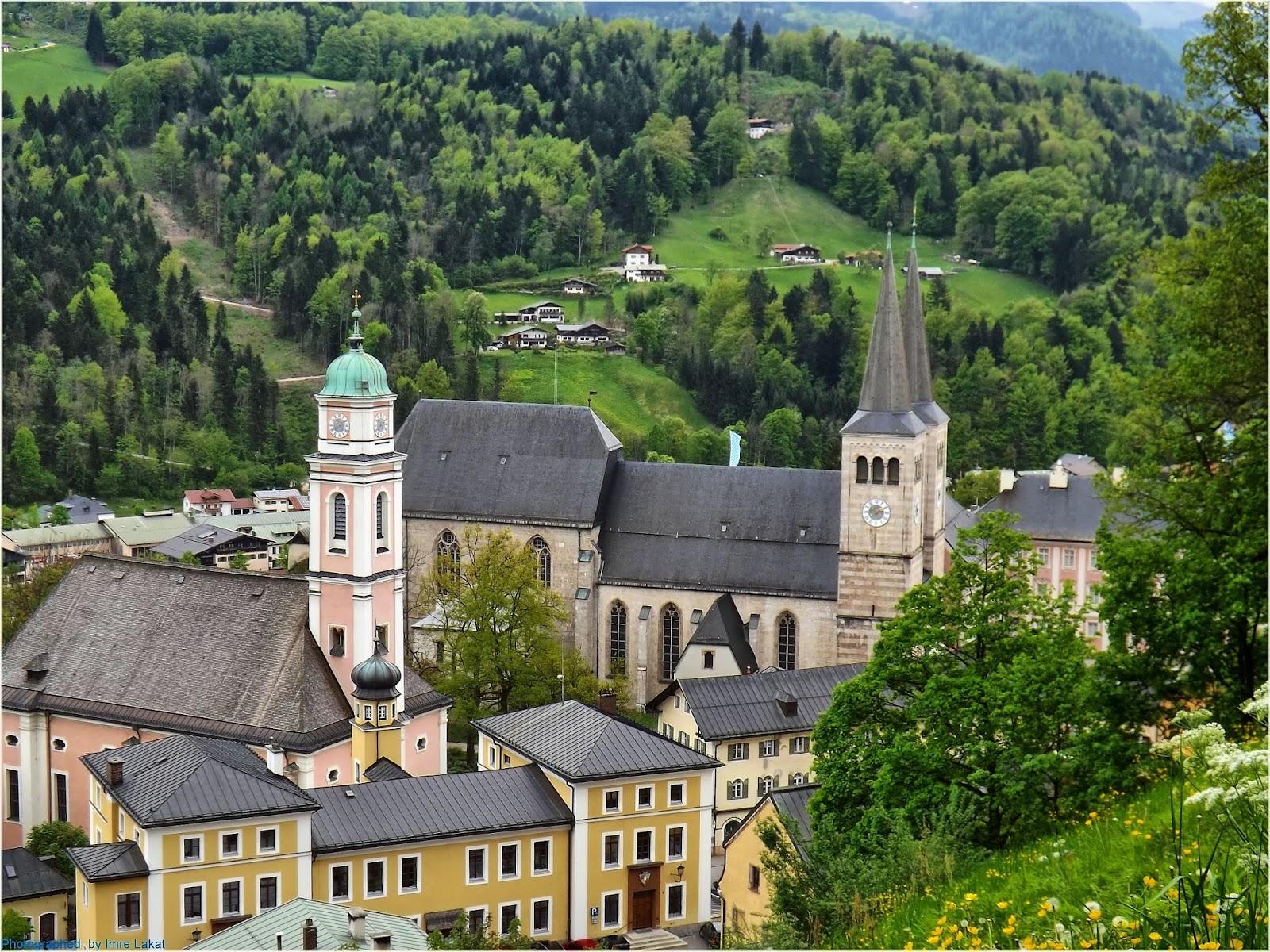
The monastery that became this palace was founded in 1102, grew in stature through the medieval period, and by 1294 had been granted blood jurisdiction — the right to try capital cases — a sign of serious institutional weight. In 1559 it became a princely provostry, and the Augustinian canons remained sovereign here until secularization in 1803.
The Bavarian royal family claimed it as a summer residence in 1810 and used it as a hunting lodge from 1818 onward. Crown Prince Rupprecht of Bavaria made it his actual home from 1922 to 1933, filling it with art collections that remain part of the tour today. The House of Wittelsbach has never fully let go of it.
Good to know
Tours last around 60 minutes; the palace opens 15 minutes before each one starts. No walk-in browsing — plan your arrival around the tour schedule. The uphill walk from the train and bus station into the historic center is short but steep; comfortable shoes earn their keep here.
Where is Berchtesgaden Palace?
More tickets & tours for Berchtesgaden Palace
Book directly at the provider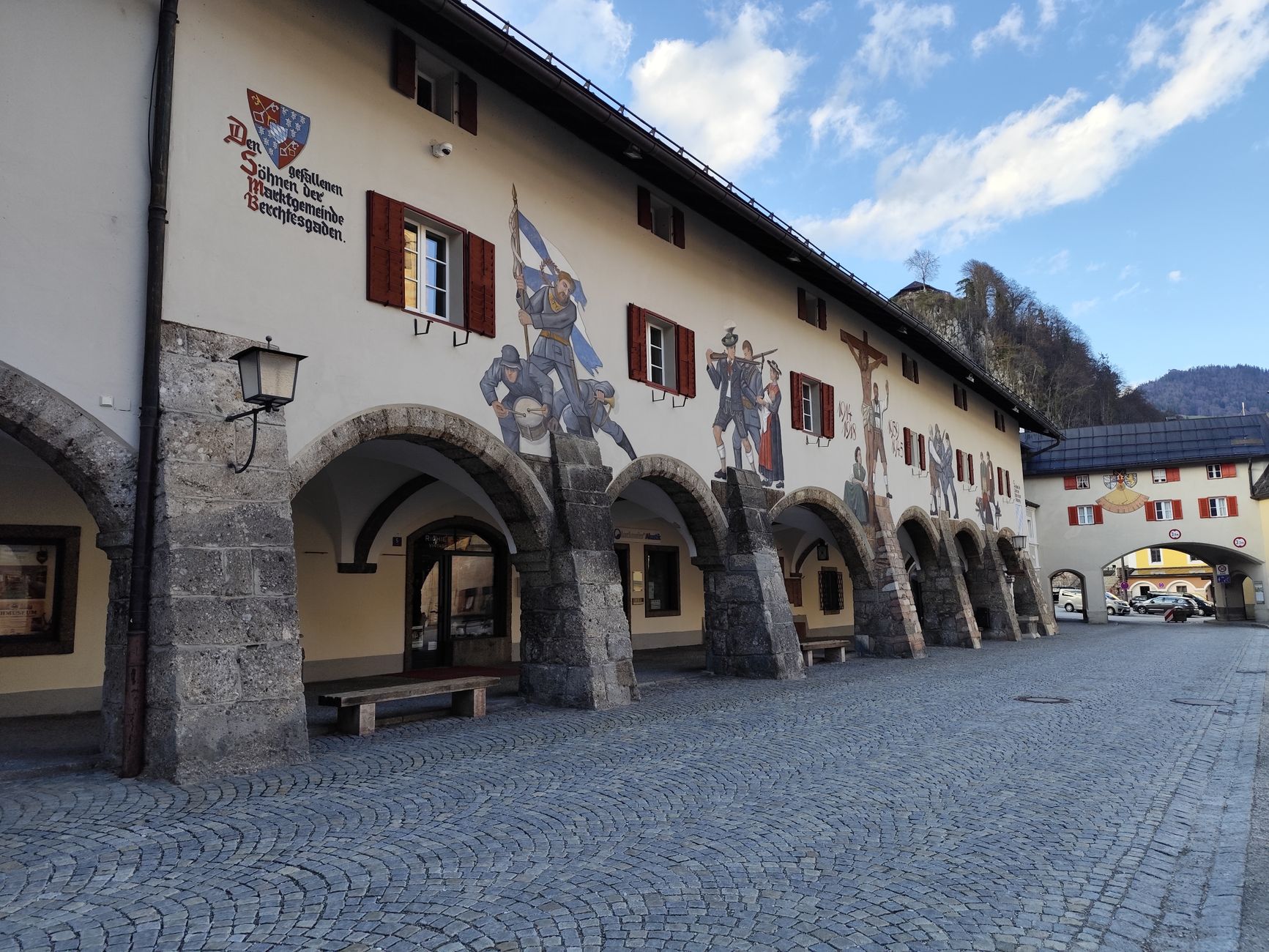
What travellers say about Berchtesgaden Palace
Highly recommend to visit such a nice palace! Rich in art, architecture variety and so many nice decorative pieces presented there. The guide schedule is online, foreign languages are on printouts, even better: you have time to discover details while others were just listening to the guide speaker:) Shame, that photos are not permitted inside, so many great things to remember.
Schloos is a great small city. I recently visited and was impressed by the beautiful city center, the close proximity to The Eagle Nest, and the great variety of restaurants. The locals were also incredibly friendly and helpful. It's a great place to visit if you want to get away from it all and relax!
It looked nice. Unfortunately, we missed the tour by a matter of minutes. I hope there will be a next time. I still recommend visiting the square and the surroundings, it's beautiful.
We did really enjoy this beautiful and quiet small town during our tour to this place.
Beautiful building (bigger and more rooms than you would expect from the outside), very interesting tour and cool guide, thanks!
More of Berchtesgaden
Discover where to stay, what to do and the best deals for your trip.
Explore Berchtesgaden →More attractions in Berchtesgaden
All of Berchtesgaden →

Background adapted from Wikipedia (CC BY-SA) · map data © OpenStreetMap contributors · ratings & place photos via Google · other photos with per-image credit. Ticket links may earn us a commission at no extra cost to you.