
Documentation Obersalzberg
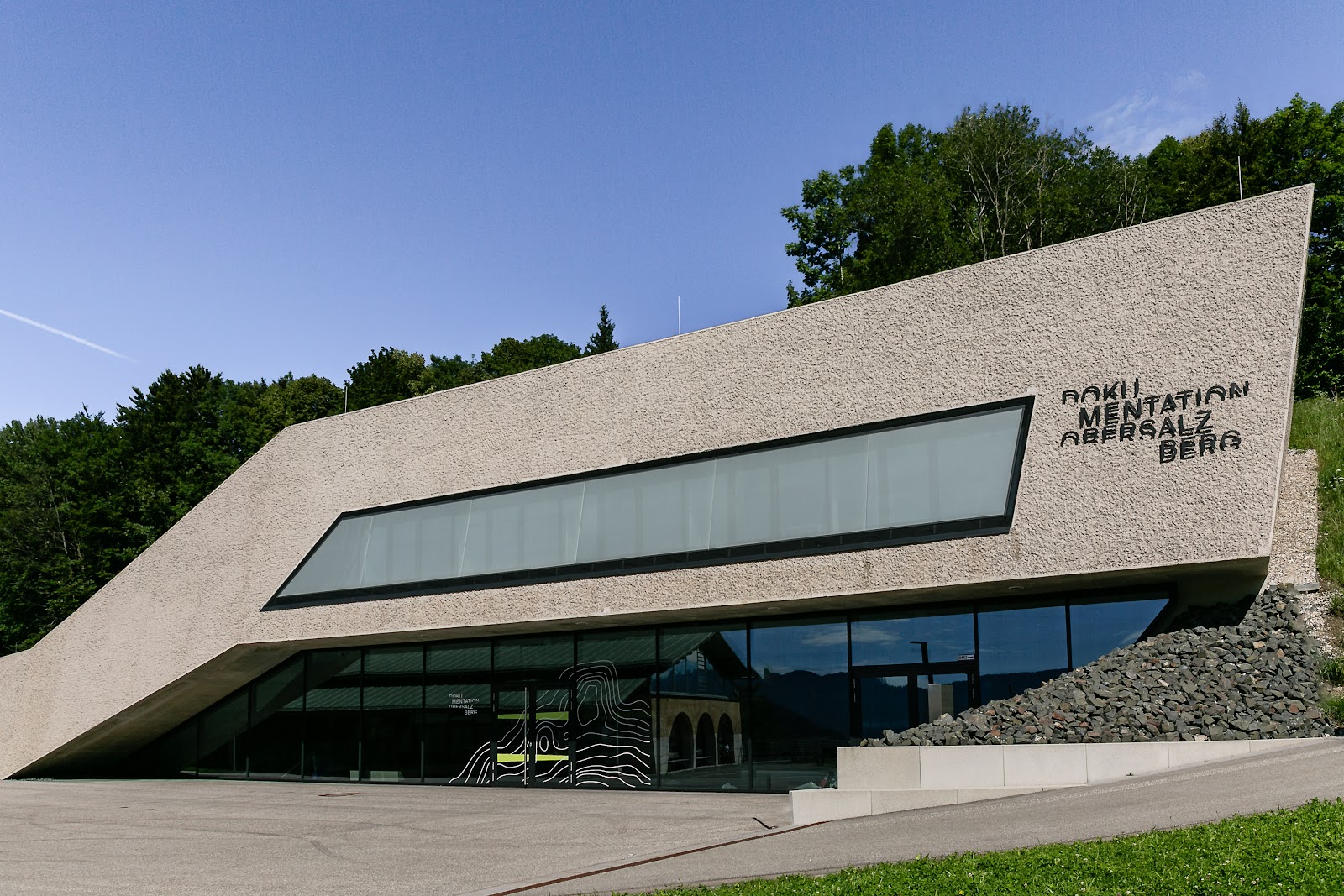
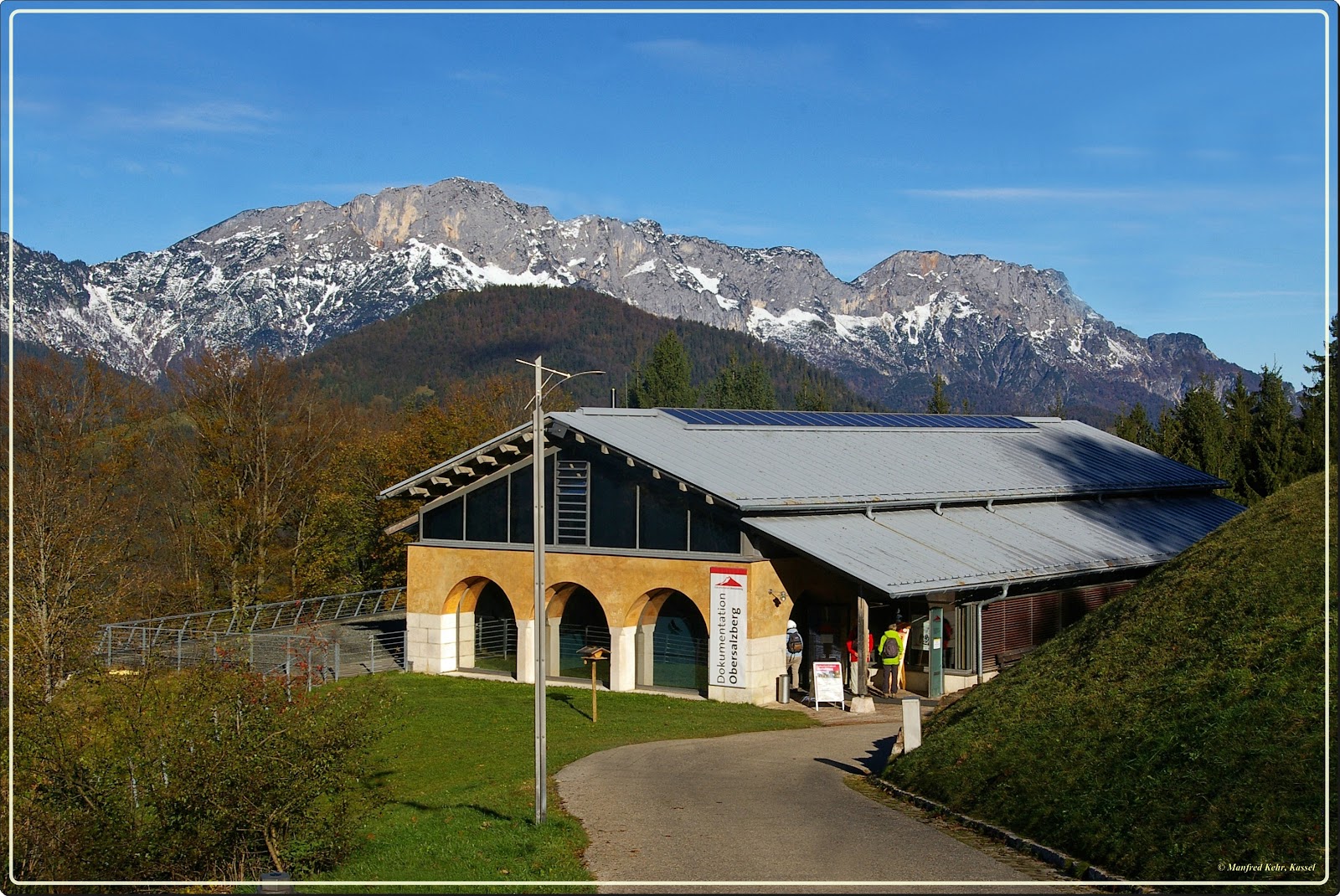
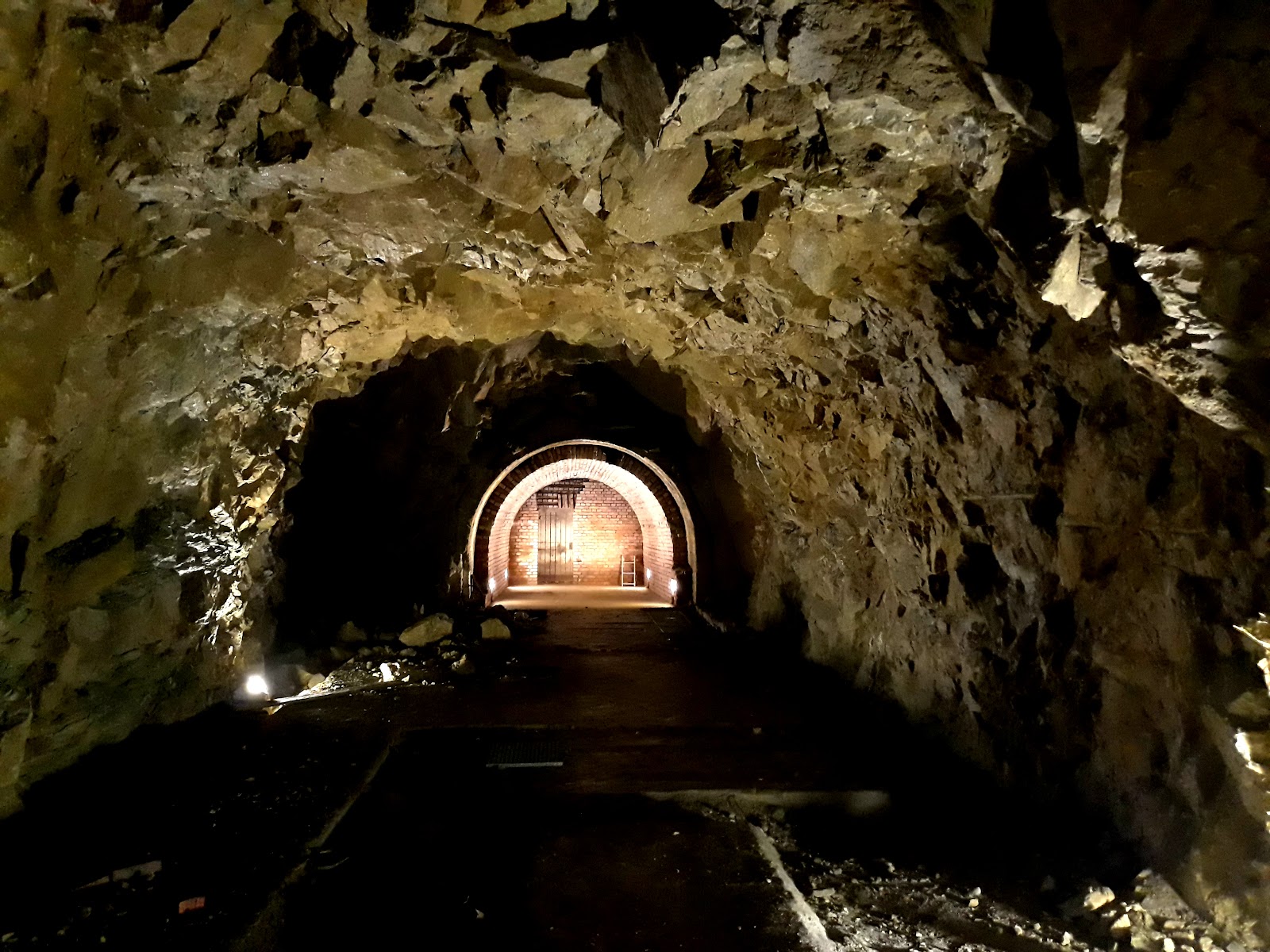
The Documentation Obersalzberg stands on ground that was, within living memory, an Alpine farming settlement, then a resort for the wealthy, then the private world of the Third Reich's leadership. The exhibition — reopened in 2023 under the title *Idyll and Atrocity* — occupies a building set into the foundations of a former guesthouse, with a tunnel leading down into the original 1943–45 bunker complex beneath.
Some 950 documents, photographs, audio clips and maps make up the permanent collection, alongside a scale model that overlays today's landscape with the vanished Nazi installations. The Berghof's foundation walls still sit nearby. The Platterhof sign, salvaged before that building was demolished in 2001, is here too.
💛 What travellers fall for
People who have been through the bunker tunnels tend to mention the same thing: the scale of the underground complex is harder to absorb than any photograph. Allow the full two hours rather than the 40-minute multimedia tour — the curated guided route through the exhibition earns its time. Audio guides are free and available in several languages.
The story behind Documentation Obersalzberg
Obersalzberg was a summer resort before it was anything else — Mauritia Mayer opened her Pension Moritz here in 1877, and aristocrats and wealthy families followed through the late nineteenth century. Hitler first came in 1923, rented Haus Wachenfeld in 1928, and bought it in 1933. By 1935–36, Martin Bormann had removed every remaining resident, and the mountain became a sealed compound: SS barracks, a cinema, a school, an underground shooting range, and residences for Göring, Speer and others.
On 25 April 1945, Allied bombers hit the site heavily. The Berghof's shell stood until 30 April 1952, when the Bavarian government demolished it with explosives. After US forces withdrew in 1996, the state opened the Documentation Center on 20 October 1999, partly to prevent the site becoming a place of neo-Nazi pilgrimage. The Institute of Contemporary History in Munich maintains the exhibition.
Good to know
From Berchtesgaden Hauptbahnhof, bus 838 drops you at the Dokumentation stop. Open daily 9 am to 5 pm (last entry 4 pm). Adults pay €3; under-18s enter free. The building is fully accessible. Recommended for visitors 12 and older.
Where is Documentation Obersalzberg?
More tickets & tours for Documentation Obersalzberg
Book directly at the provider
What travellers say about Documentation Obersalzberg
This place is amazing very informative with a 35 or a 48 minuite audio guide which is provided when you enter. The audia guide tells you everything of the area and is a very indepth education on ww2 above ground and also beneath ground regrding the SS NAZI tunnel system and full history of the area. If your staying in a hotel in Berchtesgaden accomodation then you can use your blue accomodation card your hotel will give you so you get a % off entrance fee's. If you pay for a ticket to go up to the egales nest then you get free entry in the the documentation centre.
Very interesting and well worth a visit if in the area. Recently opened and updated from the previous site, the Dokumentationszentrum in Obersalzburg provides an insight to the terror and horror of the war years - with further details on the build up to war. There are two audio guided tours available, 80 minutes and 40 minutes. Allow at least 2.5 hours for the 80 minute audio guided tour. There is also access to the tunnel complex. If coming by car then park in P1 and use Parkster App to avoid crowds. Visit can be combined with trip to Kehlsteinhaus. There is also an interesting 1 hour "Kempinski Rundweg" from outside the site, this walk is pleasant and takes you past the site of the former Berghof.
The Dokumentation Obersalzberg is a thoughtfully designed museum that provides valuable historical context for the region and the events that shaped modern Europe. The exhibits are well organized, informative, and presented in a way that encourages visitors to better understand the broader historical landscape. The museum combines photographs, documents, multimedia displays, and preserved structures to create a comprehensive experience. If you are visiting the Berchtesgaden area, it is well worth setting aside some time for this museum, as it adds important depth and perspective to many of the sites nearby.
This museum deals with a difficult subject in a sensitive and coursgeous manner. Audio guide comes with your ticket. You can choose a 40 or 80 minute version. There are 2 theatres also to check out that have videos running in a loop Don't skip this powerful exhibition.
One of the best (war) museums I've been to. Very informative but not too long, readability is very high. Several interactive objects that all work extremely well. (Very rare) Including an interactive area map, large table screens with photos, movement timeline and document information. In building bunker access is very beautifully integrated in the museum. Must see, 10/10
More of Berchtesgaden
Discover where to stay, what to do and the best deals for your trip.
Explore Berchtesgaden →More attractions in Berchtesgaden
All of Berchtesgaden →

Background adapted from Wikipedia (CC BY-SA) · map data © OpenStreetMap contributors · ratings & place photos via Google · other photos with per-image credit. Ticket links may earn us a commission at no extra cost to you.