
Eagle's Nest (Kehlsteinhaus)
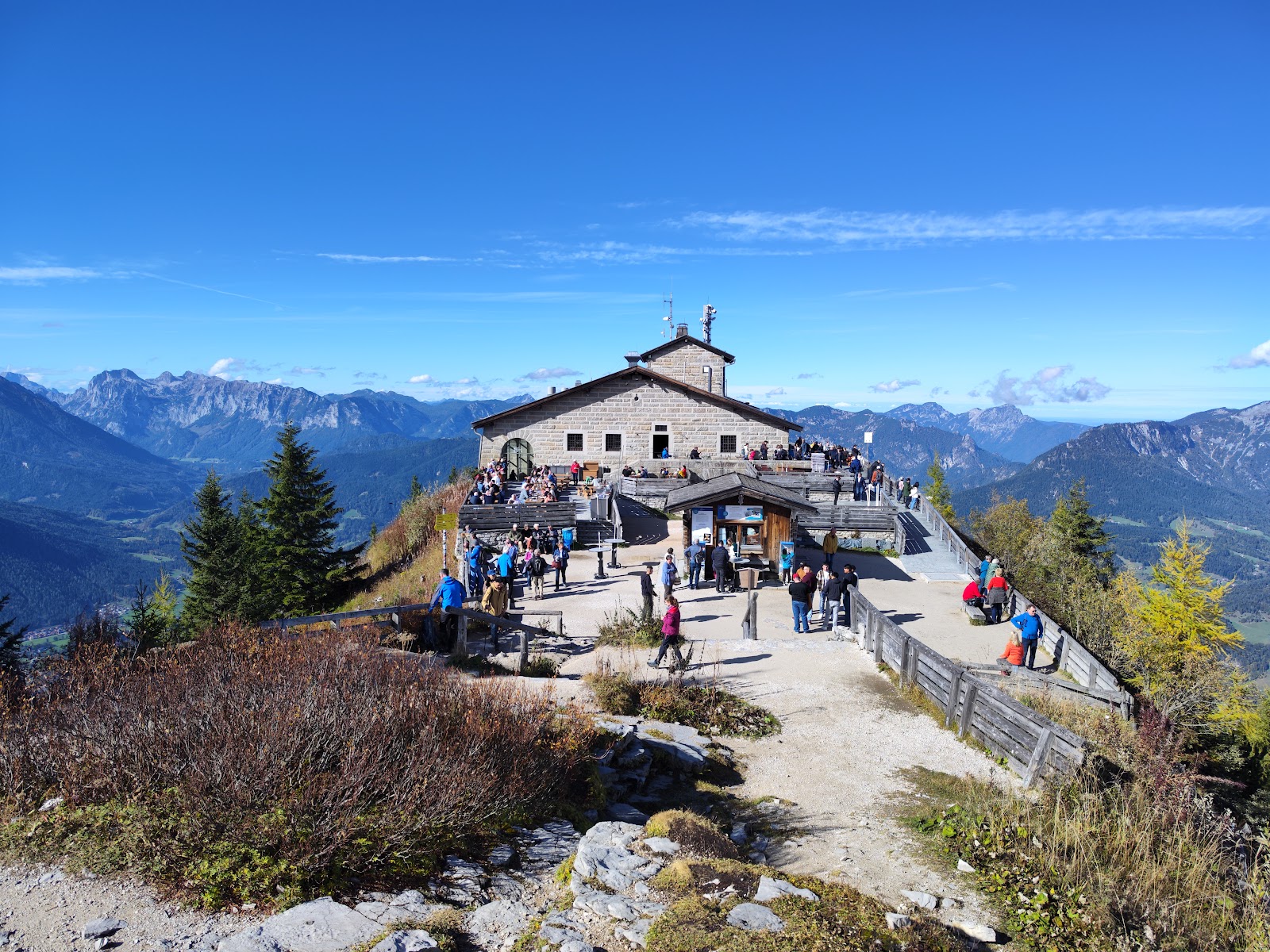
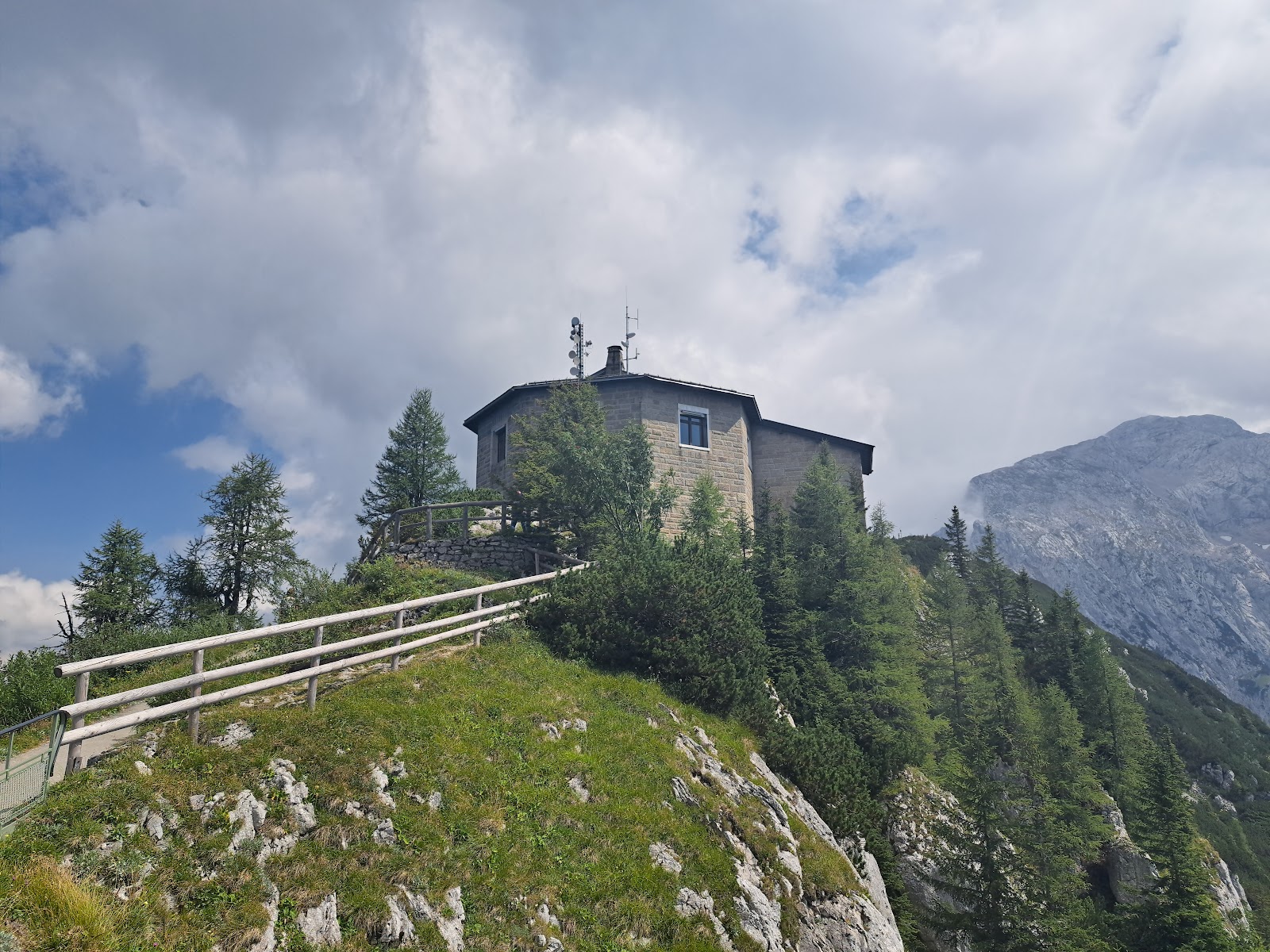
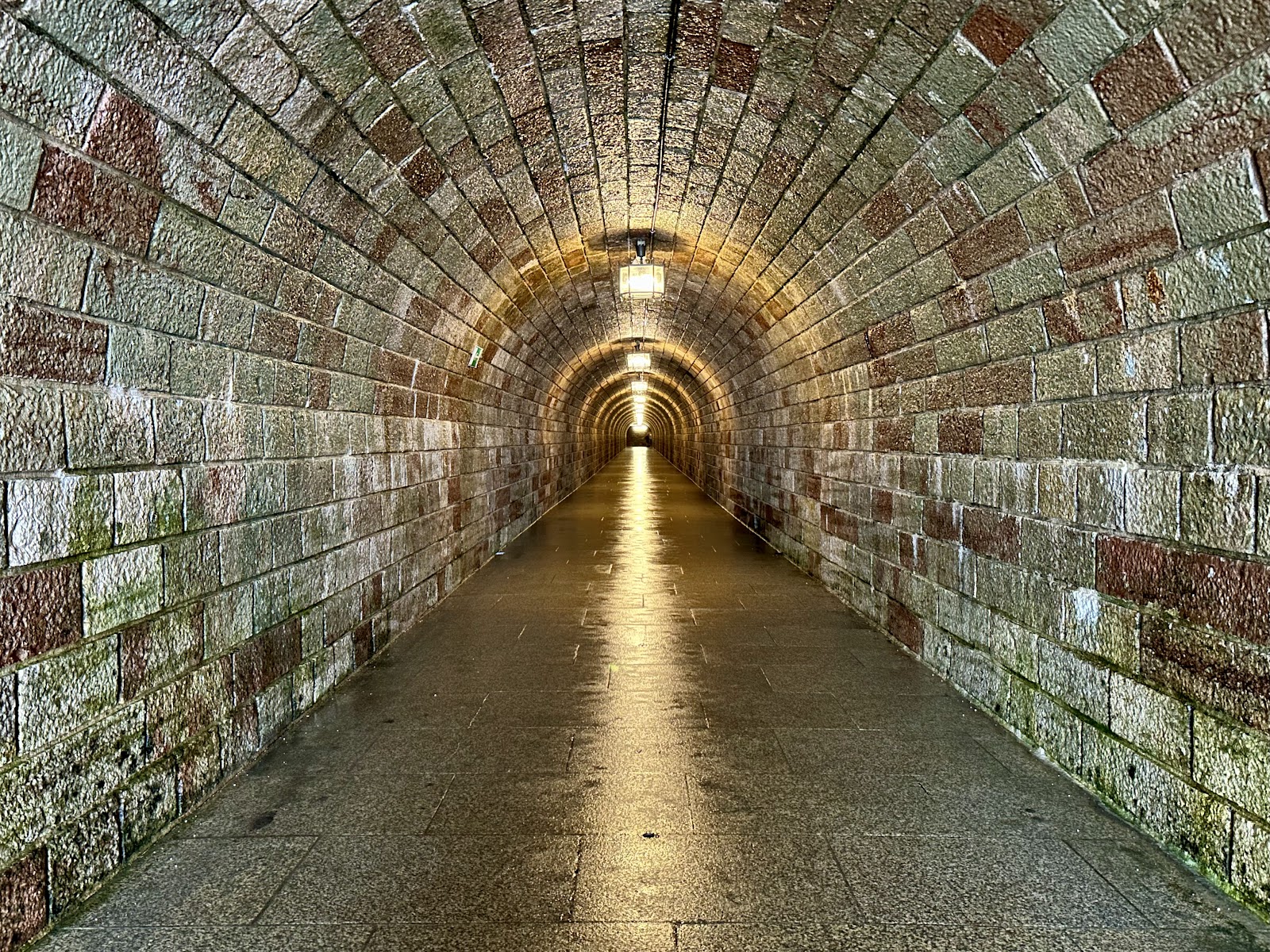
At 1,834 metres, the Kehlsteinhaus sits on a ridge so narrow that the building's architects had to carve 124 metres of tunnel through solid rock just to reach the elevator shaft. That elevator — brass-lined, mirror-panelled, with heated walls — takes 41 seconds to deliver you into the mountain's interior. What greets you on the other side is a two-storey chalet of granite and larchwood shingle, with an octagonal reception hall whose windows open to a near 270-degree sweep of the Bavarian Alps.
The place carries weight in every sense. Built in thirteen months, through a winter lit by searchlights, it was conceived as a birthday gift for Adolf Hitler and completed in 1938. Today it operates as a restaurant and exhibition space, the panorama unchanged, the history inescapable.
💛 What travellers fall for
People who've made the trip more than once tend to agree: arrive on the first bus of the day at 08:30, before the clouds close in and before the summer queues form at the bus stop in Obersalzberg. The five-minute walk to the summit cross rewards the early riser. The sun terrace, if it's clear, earns its own unhurried hour.
The story behind Eagle's Nest (Kehlsteinhaus)
Martin Bormann commissioned the Kehlsteinhaus in summer 1937; Professor Roderich Fick submitted the architectural plans and Dr. Alfred Reinhardt oversaw construction. The 6.5-kilometre access road — engineered under Dr. Fritz Todt — climbs 800 metres through five tunnels and a single hairpin bend, and was closed to private vehicles by 1952. Twelve workers died during the build. The French ambassador André François-Poncet, visiting in October 1938, gave the place the name that stuck: Eagle's Nest.
Hitler visited at least fourteen documented times, though he reportedly distrusted the elevator, fearing its winch would draw lightning. On 3 June 1944, a wedding reception for Eva Braun's sister Gretl was held here. Allied bombing of Obersalzberg on 25 April 1945 left the building intact; it served as an Allied military post until 1960, when the State of Bavaria took it back.
Good to know
Private cars are banned on the Kehlsteinstraße; Bus 849 is your only motorised option, departing every 25 minutes from Obersalzberg. Pre-book your timed ticket online through the Berchtesgaden Tourist Board — walk-up capacity is limited. Allow at least two hours on site. The road opens around mid-May and closes in early November.
Summit weather at nearly 1,900 metres is unpredictable in any season: clear mornings can cloud over by midday, and temperatures run noticeably cooler than the valley below. July and August are the most reliably settled months, though also the busiest; early May and late September offer quieter visits but a higher chance of mist or lingering snow on the upper slopes.
Where is Eagle's Nest (Kehlsteinhaus)?
More tickets & tours for Eagle's Nest (Kehlsteinhaus)
Book directly at the provider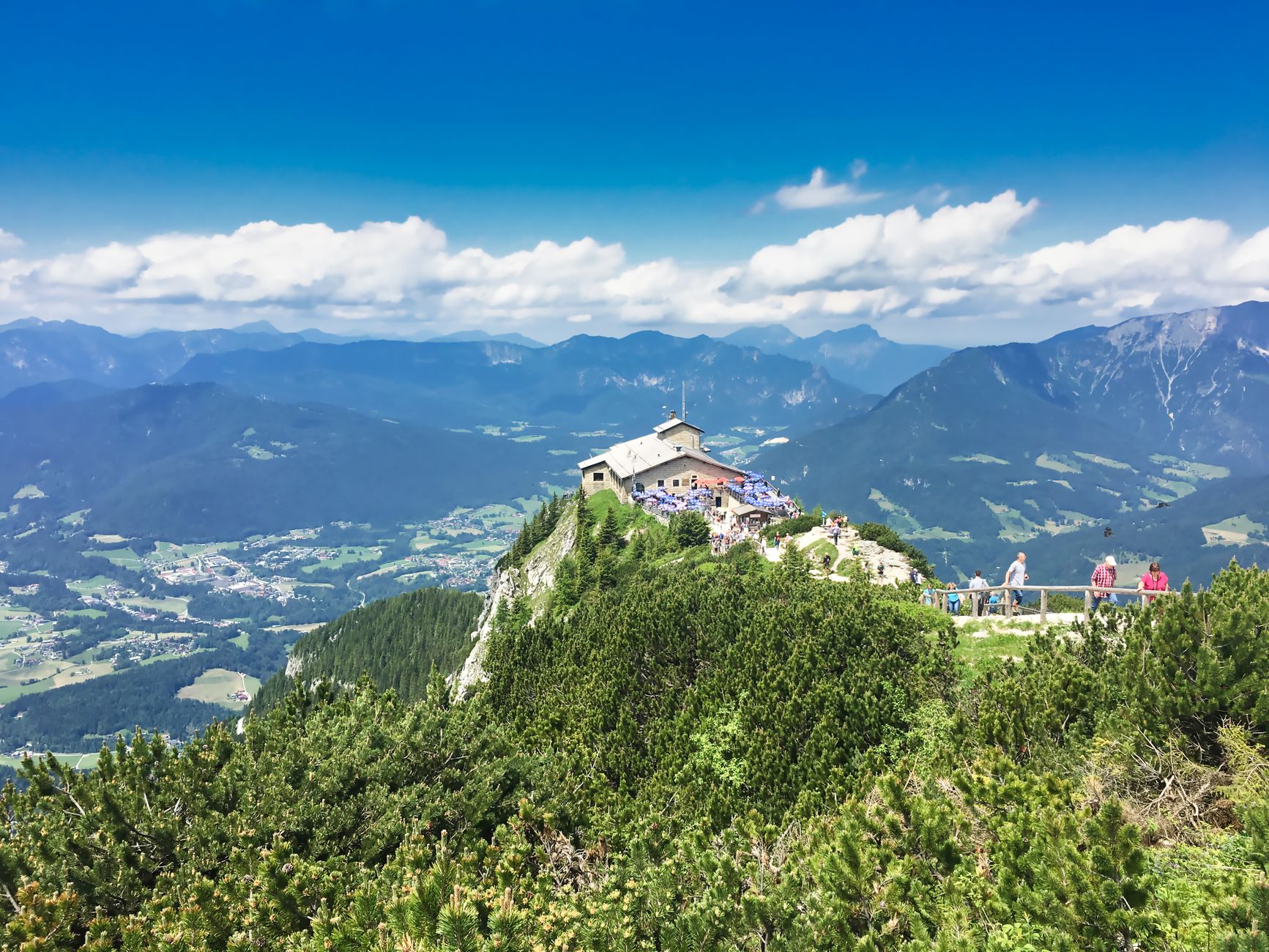
What travellers say about Eagle's Nest (Kehlsteinhaus)
A must see if you are in the area. We did go up the hiking road on the north side with bikes (bikes arent allowed on the road where the buses go) and got there after the touristbuses stopped go for the day. Therefore it wasnt crowded on the Kehlsteinhaus and we got a good view of the place.
A very good experience. The bus trip up and down is excellent, it makes you appreciate the work involved to create the road in such a short time period. The views from the top are just phenomenal.
Great experience and amazing views!!! If you go when there is snow, expect no treatment on paths could be very treacherous. Would do it again for sure!!! Restaurant was very good also, would eat there again. You need to park then take a bus up to elevator.
We got there at 11 and got tickets for bus at 2:20. Don't pay for parking before you get a bus ticket. We left and went to berchtesgarden and then went back. When we got there at 1;30. A lady gave us their parking pass they bought before learning the bus tickets were sold out. It was interesting to walk up the tunnel and up the elevator. We ate lunch bratwurst, it was ok but the view was gorgeous.
Great views and history Strongly recommend to check weather for the best views Booked with Panorama tours, to skip the queue
More of Berchtesgaden
Discover where to stay, what to do and the best deals for your trip.
Explore Berchtesgaden →More attractions in Berchtesgaden
All of Berchtesgaden →

Background adapted from Wikipedia (CC BY-SA) · map data © OpenStreetMap contributors · ratings & place photos via Google · other photos with per-image credit. Ticket links may earn us a commission at no extra cost to you.