
Bastione Conca
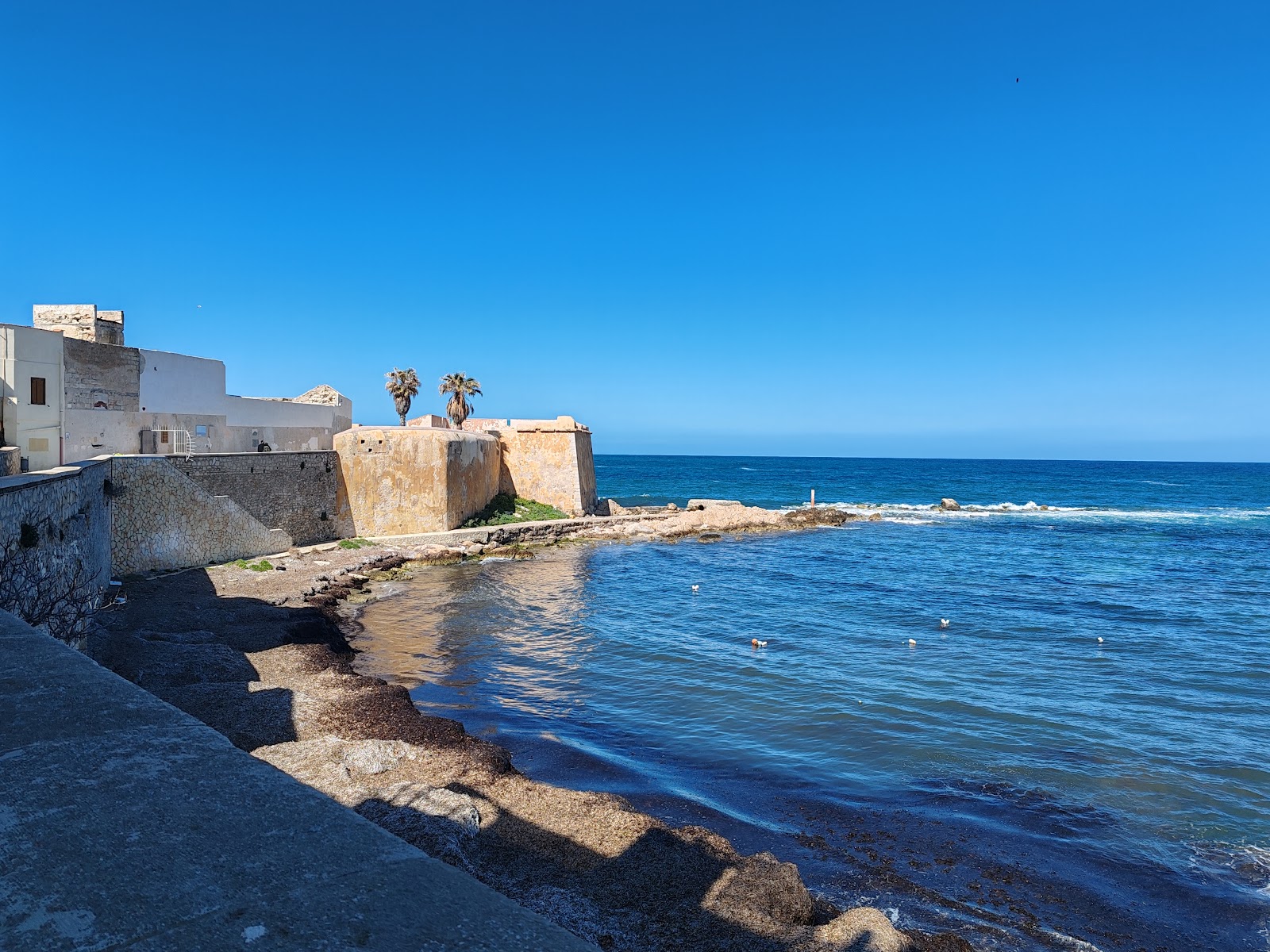
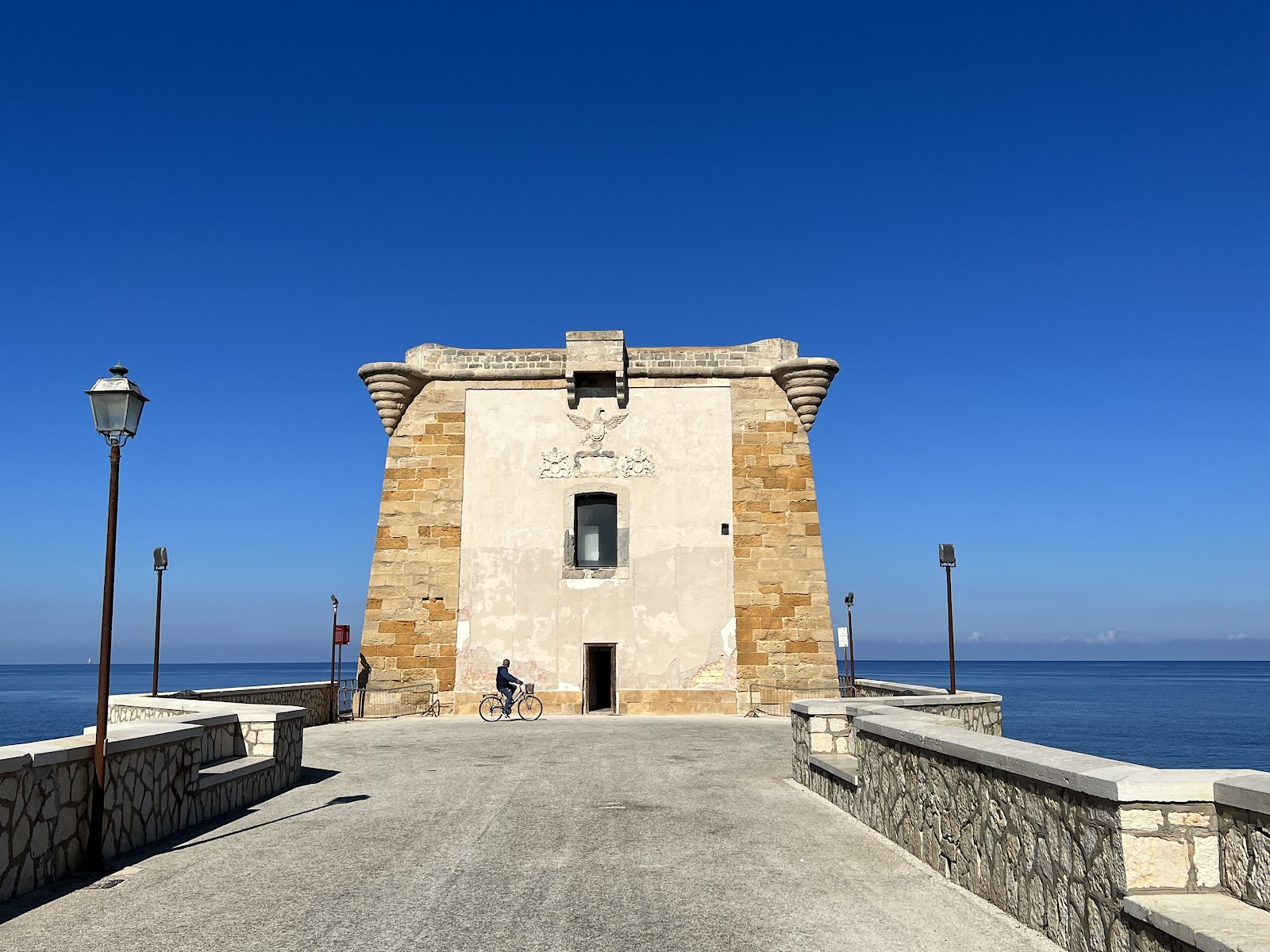
At the western tip of Trapani's old city, where the peninsula narrows to almost nothing, a low artillery bastion sits with its sloped masonry walls turned squarely toward the sea. This is Bastione Conca — part gunpowder magazine, part 19th-century ice factory, now a stretch of restored promenade where the northern shoreline opens up and the view across the water is unbroken.
The bastion anchors the western end of the Mura di Tramontana, roughly 600 metres of coastal wall that once sealed Trapani's exposed northern flank. Walk it and you move through layered time: medieval curtain wall, Habsburg artillery platform, industrial repurposing, and a slow 21st-century return to public life.
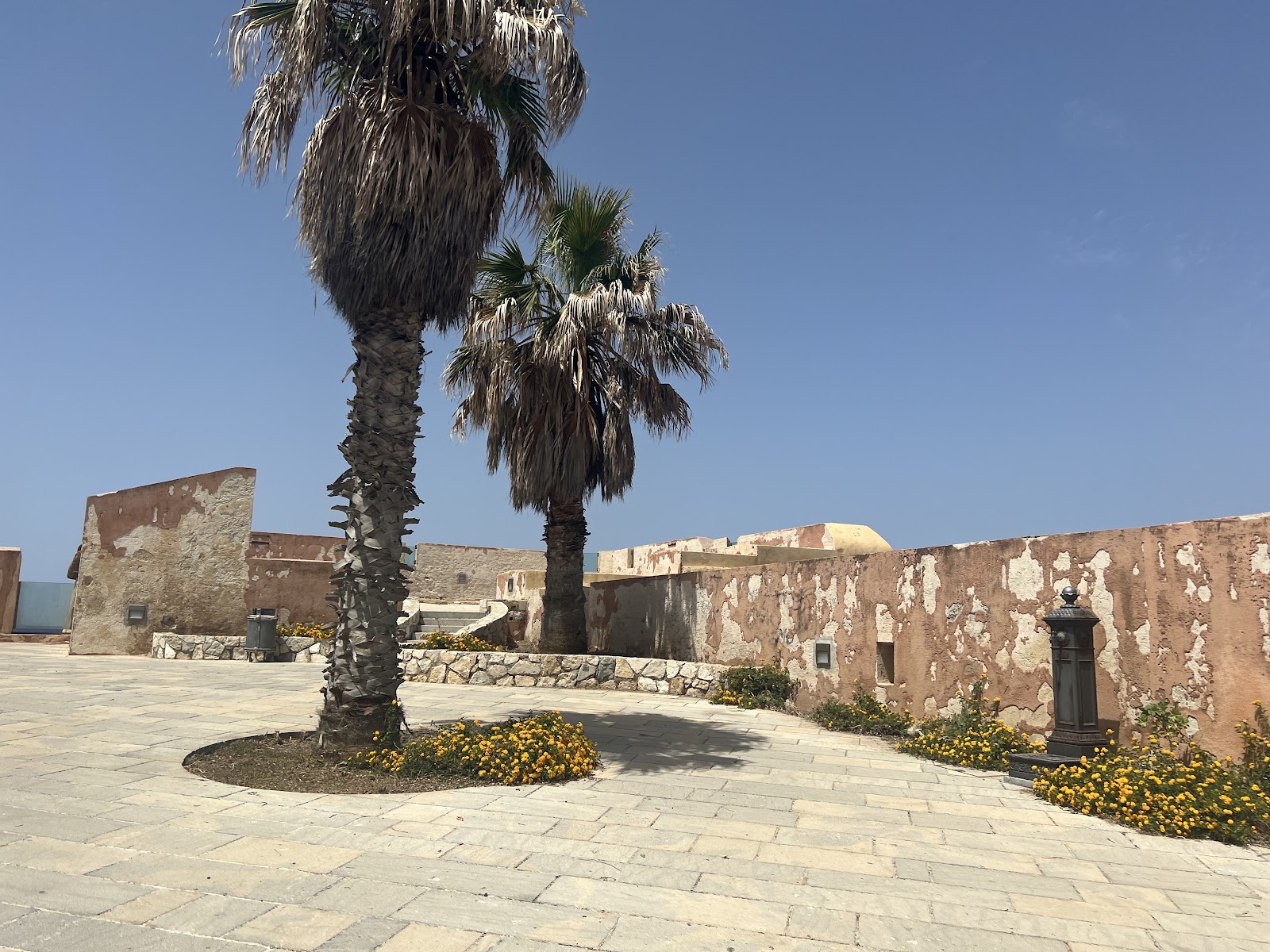
💛 What travellers fall for
People who come back to this stretch tend to do it in the early morning or late afternoon, when the light off the water is doing something worth stopping for. The walk from Piazza Mercato del Pesce along the wall to the bastion is short enough to fold into any day — bring a coffee and go slowly.
The story behind Bastione Conca
Trapani's northern defences date to the Aragonese period in the late 14th century — a seafront curtain wall with timber corner towers. The serious stone-and-masonry work came later, in the 1520s, when the Ottoman fleet under Hayreddin Barbarossa was pressing hard across the Mediterranean. Viceroy Ettore Pignatelli, acting for Charles V, appointed the Paduan engineer Pietro Antonio Tomasello as the first 'engineer of the Kingdom of Sicily' in 1523. Tomasello designed the new bastioned circuit; the Bergamo-born engineer Ferramolino also contributed to the fortification project. On the ground, day-to-day works were directed by Matteo Crisci, a royal masterbuilder from Palermo.
Bastione Conca and Bastione Imperiale rose from this programme, with the curtain wall between them housing cisterns, vaulted magazines, and service spaces for the artillery. The bastion's own powder magazine survived into the industrial era: by 1868 it had been converted into an ice factory — the 'ex fabbrica del ghiaccio' — a detail that says something about how a fortification ages when the war it was built for never quite arrives.
Good to know
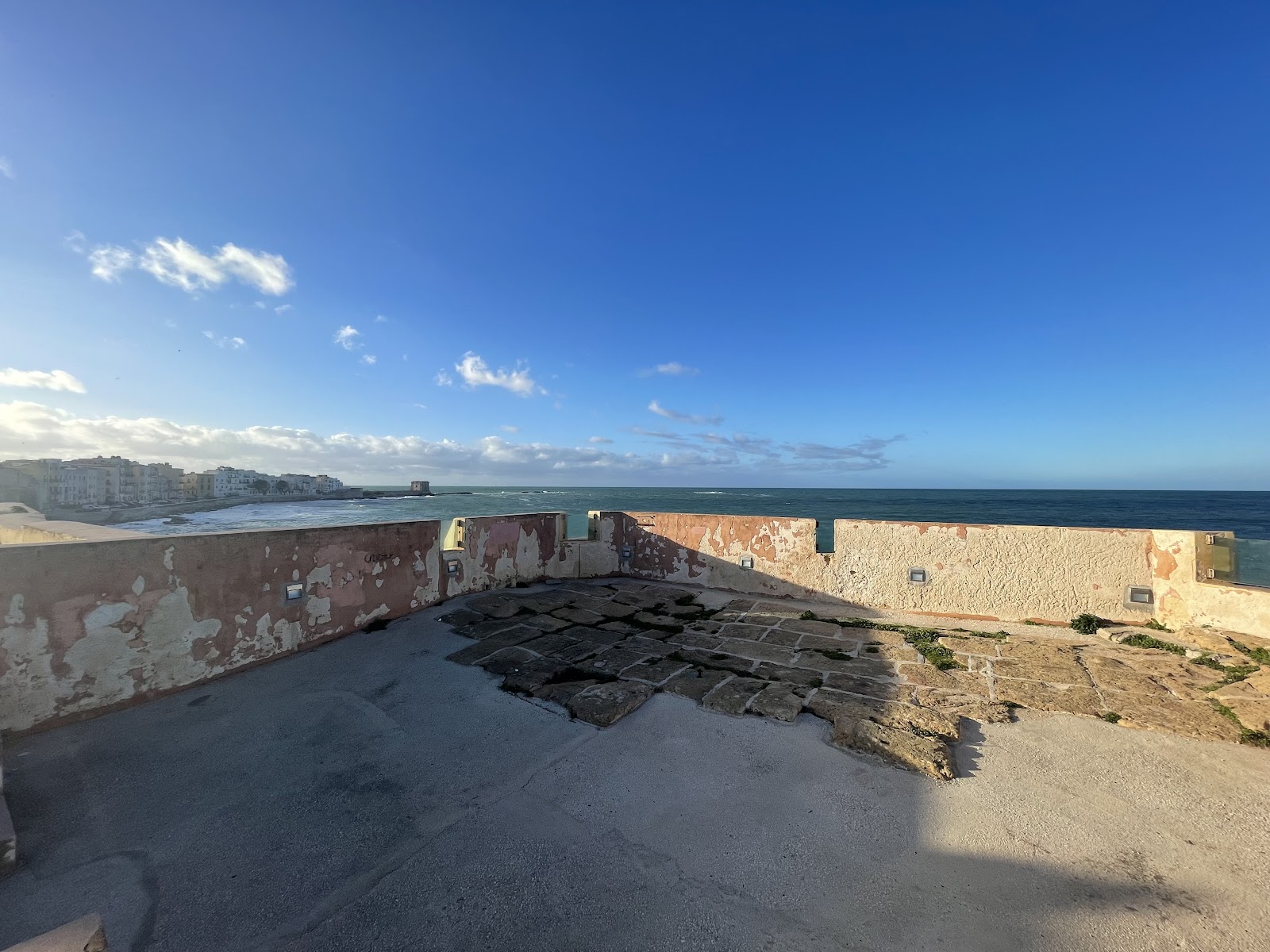
On foot from the old centre, roughly 3 km along the coast; no entrance fee, no opening hours to check. Spring (mid-April to mid-May) is the most comfortable season. The restoration of the full wall route between Bastione Conca and Bastione Imperiale was ongoing as of late 2024, so sections may be interrupted.
Late spring — mid-April through May — gives you warm days around 18–21°C and manageable wind off the water. Summer is long and hot, often reaching 30°C, which makes the exposed promenade punishing midday; go early or late. Winter is mild but can be wet, with rain on ten or more days in January.
Where is Bastione Conca?
More tickets & tours for Bastione Conca
Book directly at the provider
What travellers say about Bastione Conca
Really weird place, but.... outside of it, there's a good view towards the beach and town.
Great view of the coastline
Nice vie but no information table or anything.
Quiet but neglected area. In my opinion, the only area of interest is the nature reserve, just a few minutes from the beach. The beach is neither good nor bad. It would be much better if it wasn't neglected.
I visited in November 2023. I discovered this place while walking along the northern beach of Trapani. It is a spot where you can enjoy a gentle breeze and an unobstructed view, and it serves as a place to rest on the way to the lighthouse.
More of Trapani
Discover where to stay, what to do and the best deals for your trip.
Explore Trapani →More attractions in Trapani
All of Trapani →

Background adapted from Wikipedia (CC BY-SA) · map data © OpenStreetMap contributors · ratings & place photos via Google · other photos with per-image credit. Ticket links may earn us a commission at no extra cost to you.