
Barañáin
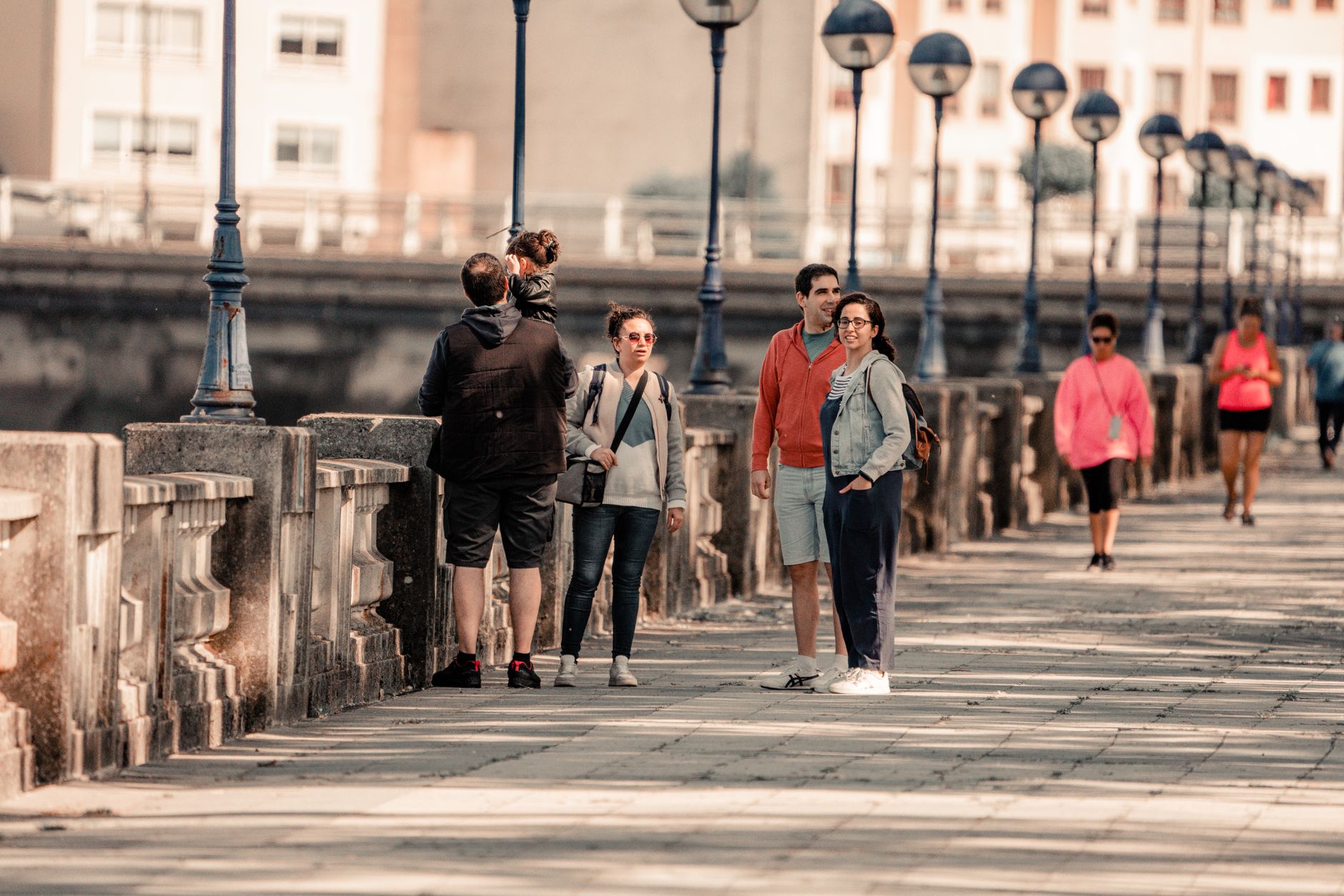
Barañáin sits five kilometres west of Pamplona at 433 metres above sea level — close enough that the city's spires are visible on a clear morning, far enough that the streets feel like somewhere people actually live rather than somewhere they visit. Low-rise residential blocks, neighbourhood bakeries, the ordinary rhythm of a Navarrese commuter town. There are no pilgrimage churches here, no medieval walls.
What Barañáin offers is proximity and quiet. It became its own municipality only in 1987, carved out of the old Cendea de Cizur, and it has spent the decades since growing into a self-contained suburb with Pamplona always just over its shoulder.
Experiences you don't want to miss


Deals in Barañáin
Book directly at the provider

How Barañáin came to be
For most of its existence, Barañáin was simply one of the parishes that made up the Cendea de Cizur, a traditional Navarrese administrative grouping of small settlements sharing common governance. That arrangement held until 1987, when Barañáin was constituted as a separate municipality — a change driven by population growth as Pamplona expanded westward and the area developed its own residential identity.
The separation was administrative rather than cultural, reflecting the wider pattern of Spanish urban peripheries acquiring formal independence as mid-century housing programmes filled in the land between historic towns.
See Barañáin in motion
Plan your visit
On the map
When to go
Winters are cold and grey, with temperatures occasionally dropping toward -4°C, while summers are warm and bright — July averages around 26°C with eight to ten hours of sun a day. November brings the heaviest rainfall, so if you are passing through in autumn, pack accordingly; the annual average of 784 mm means Navarre earns its green.
Right now
Background & history adapted from Wikipedia (CC BY-SA) · specs from Wikidata (CC0) · weather from Open-Meteo · map data © OpenStreetMap contributors · photos from Wikimedia Commons / Unsplash with per-image credit. No third-party reviews or social posts reproduced.