
Bach Ma Temple
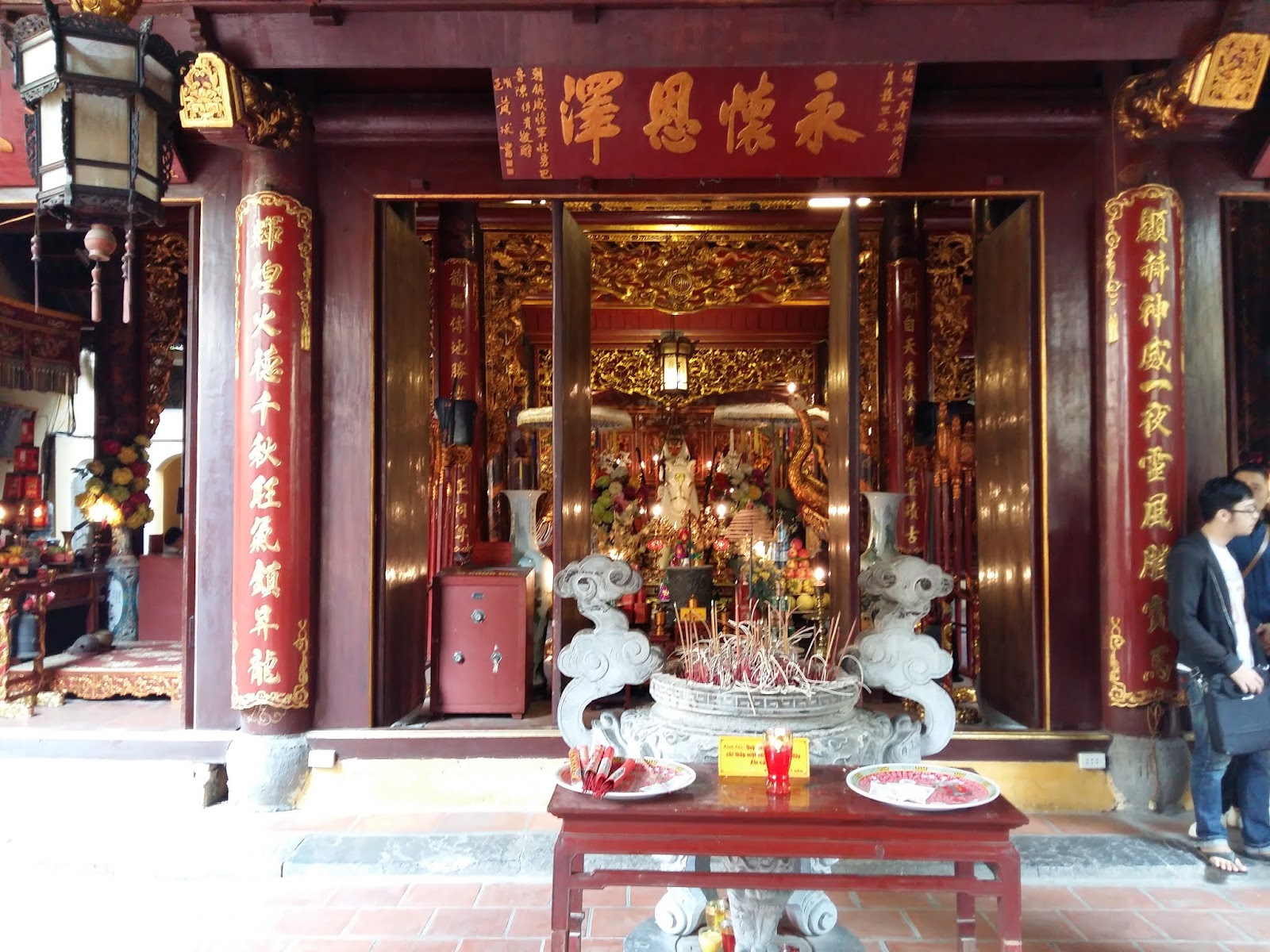
At 76 Hang Buom Street, a pair of golden dragons curves along a glazed-tile roof above a gate that most people on the street walk straight past. Step through and the incense smoke shifts the air immediately — you're inside one of the oldest standing religious sites in Hanoi, tucked between shopfronts selling dried goods and party supplies.
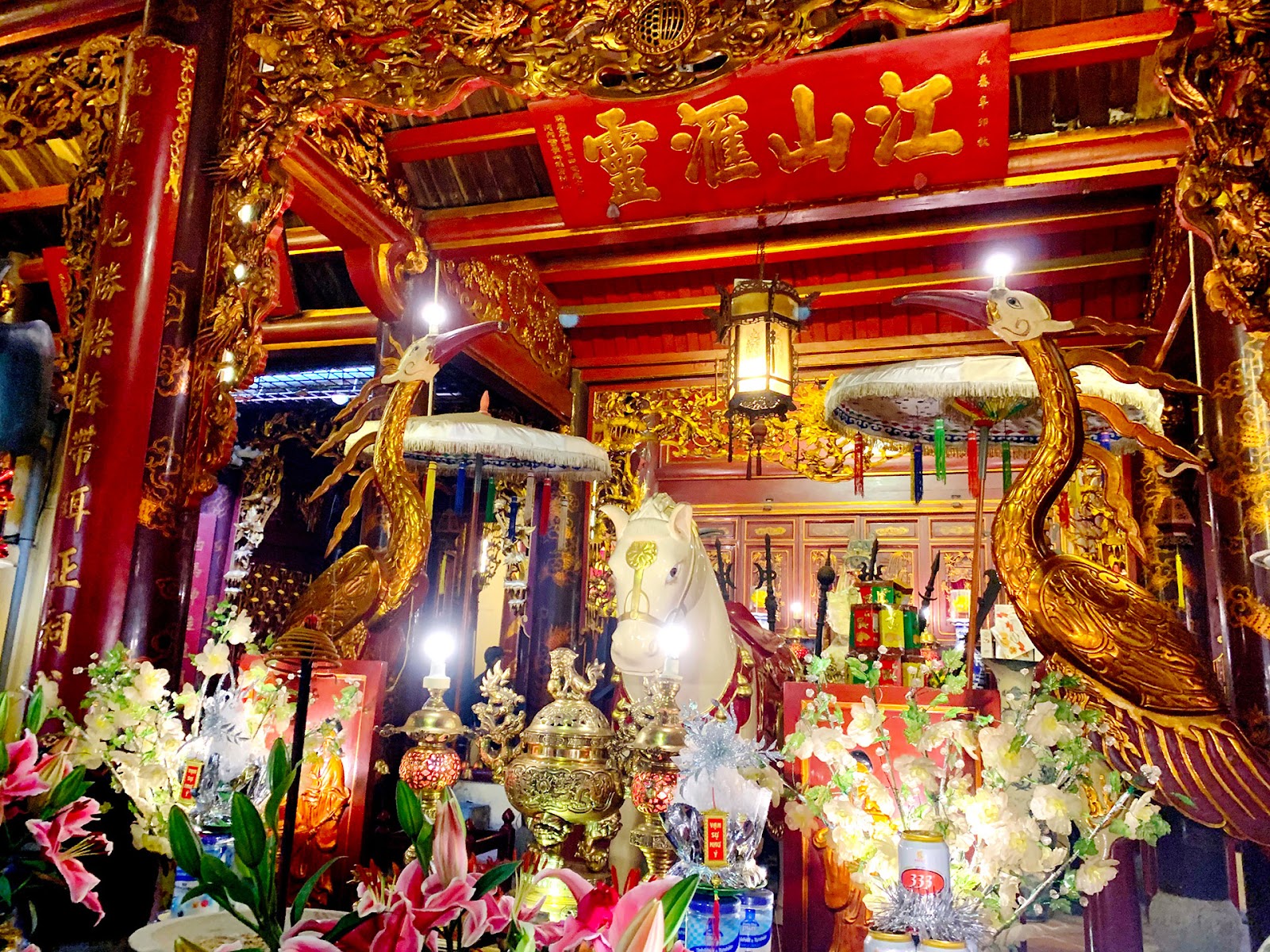
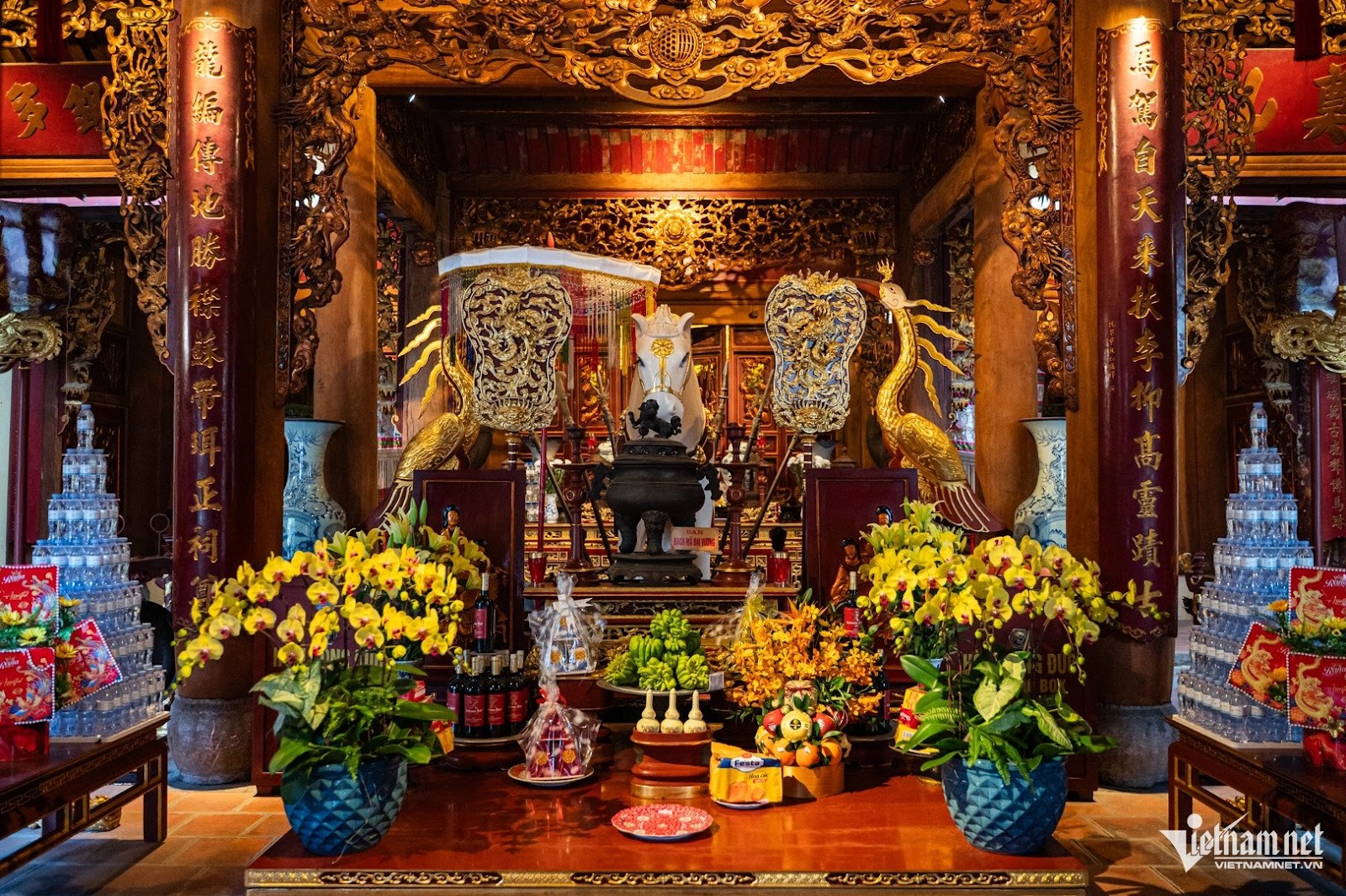
The temple is compact but layered: a sequence of halls arranged in the shape of the Chinese character for 'three', leading back to a sanctuary that houses a white horse statue and altars crowded with lacquerwork, metal bells, ancient weapons and palanquins. It rewards slow looking.
💛 What travellers fall for
People who return tend to time it for the early afternoon lull, when the street outside is quiet and the front courtyard holds a particular stillness. The five-colored Co Ngu Hanh flag — red, yellow, green, white, blue, each direction of the compass assigned its own color — is worth pausing over once you know what it represents.
The story behind Bach Ma Temple
The site has two founding moments. A temple to Long Do, an ancient Vietnamese deity, stood here during the 9th century. Then in 1010, Emperor Ly Thai To relocated the imperial capital from Hoa Lu to the city he named Thang Long — present-day Hanoi — and built a new temple on the same ground. According to tradition, a white horse appeared and guided the emperor in laying out the citadel walls, which is how the temple got its current name: Bach Ma, White Horse.
Much of the structure visible today dates from the 18th century, with significant restorations under King Le Chinh Hoa in the 17th century and Emperor Minh Mang in the 19th, who also added a Confucian shrine in 1839. The ironwood tie-beam construction inside is unusual for the region. The temple was designated a national historical relic in 1986 and elevated to special national monument status in 2022.
Good to know
Admission is free. Opening hours split across midday — roughly 8–11am and 2–8pm — so plan around the gap. A five-minute walk from Hoan Kiem Lake along Hang Dao and into Hang Buom is the natural approach. Dress modestly; bare shoulders and cut-outs are frowned upon.
Where is Bach Ma Temple?
More tickets & tours for Bach Ma Temple
Book directly at the provider
What travellers say about Bach Ma Temple
Bach Ma Temple is one of Hanoi’s oldest and most important historic temples. Its origins are traditionally linked to 866, when the area of Đại La was being fortified, while the best-known legend dates to 1010, after Lý Thái Tổ moved the capital to Thăng Long. According to tradition, the city walls repeatedly collapsed until a white horse emerged from the temple and marked the correct route; once the walls followed that line, they held. The temple is dedicated to Long Đỗ, the guardian spirit of the area, and it became the eastern guardian temple of ancient Thăng Long, one of the famous “Tứ trấn” protecting the capital. The buildings seen today are the result of later restorations, mainly in the Nguyễn period, so the value of the site lies less in untouched early fabric and more in its long ritual continuity, surviving inscriptions, and historical role in the symbolic geography of Hanoi. Inside, the most striking features are the richly carved wooden structures, ceremonial altars, processional objects, guardian imagery, and the white horse figure that preserves the temple’s founding legend in visual form. Despite its location in the dense Old Quarter, this is not just another small neighborhood temple but a place closely tied to the early history and sacred topography of Hanoi.
Bach Ma Temple is one of the oldest temples in Hanoi, quietly located in the Old Quarter but rich in history and symbolism. The temple is dedicated to Long Do – the White Horse deity, associated with a famous legend from the Ly Dynasty. When King Ly Thai To moved the capital to Thang Long, the city walls kept collapsing. After praying here, a white horse appeared and left its footprints, guiding the king on how to build the walls successfully. What many visitors don’t realize is that Bach Ma Temple is the Eastern Guardian of Thang Long, part of the sacred system known as the Four Guardian Temples of ancient Hanoi. The other three guardian temples are Quán Thánh temple near Westlake (northern), Kim Liên temple (southern), Voi Phục temple (western). This gave the site an important spiritual role in protecting the old capital. The temple is small and modest, but its atmosphere is calm, authentic, and deeply local. It feels less touristy than many other sites, making it a great place to experience traditional Vietnamese beliefs. Similar to the legend of the Golden Turtle helping King Le, the White Horse reflects how Vietnamese folk culture connects spiritual guardians with national history. It is a quiet but meaningful stop if you want to understand Hanoi beyond the surface. The entrance fee is only 20.000vnd (77 cent usd) for the temple maintainance. If you happen to be in Hanoi during Tết 2026_ the most important holiday for Vietnamese people, you can go for free and really enjoy the cheerful and vivid atmosphere at the Temple . It is truly a great way to start the new vibrant year🎉🎉🎉🎆
Place is easy to find and requires at leats 20k vnd to enter. Shows Vietnam's culture and tradition
The horse year make this temple stronger in spiritual energy. This ancient temple play important role in History & people living life. Ticket cost 20,000vnd.
Nice to explore inside of an old and important temple here. 20k per person to visit.
More of Hanoi
Discover where to stay, what to do and the best deals for your trip.
Explore Hanoi →More attractions in Hanoi
All of Hanoi →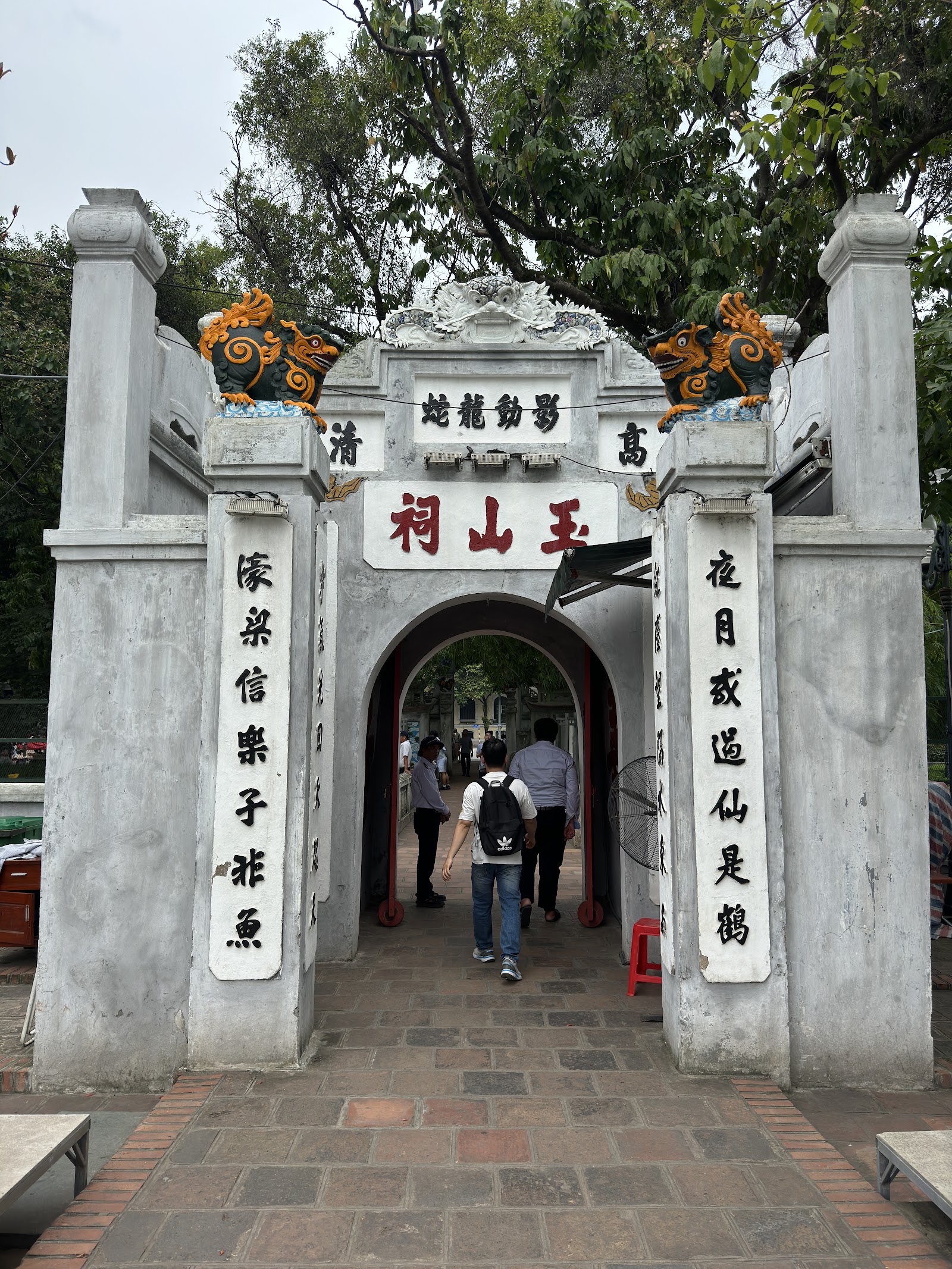
Background adapted from Wikipedia (CC BY-SA) · map data © OpenStreetMap contributors · ratings & place photos via Google · other photos with per-image credit. Ticket links may earn us a commission at no extra cost to you.