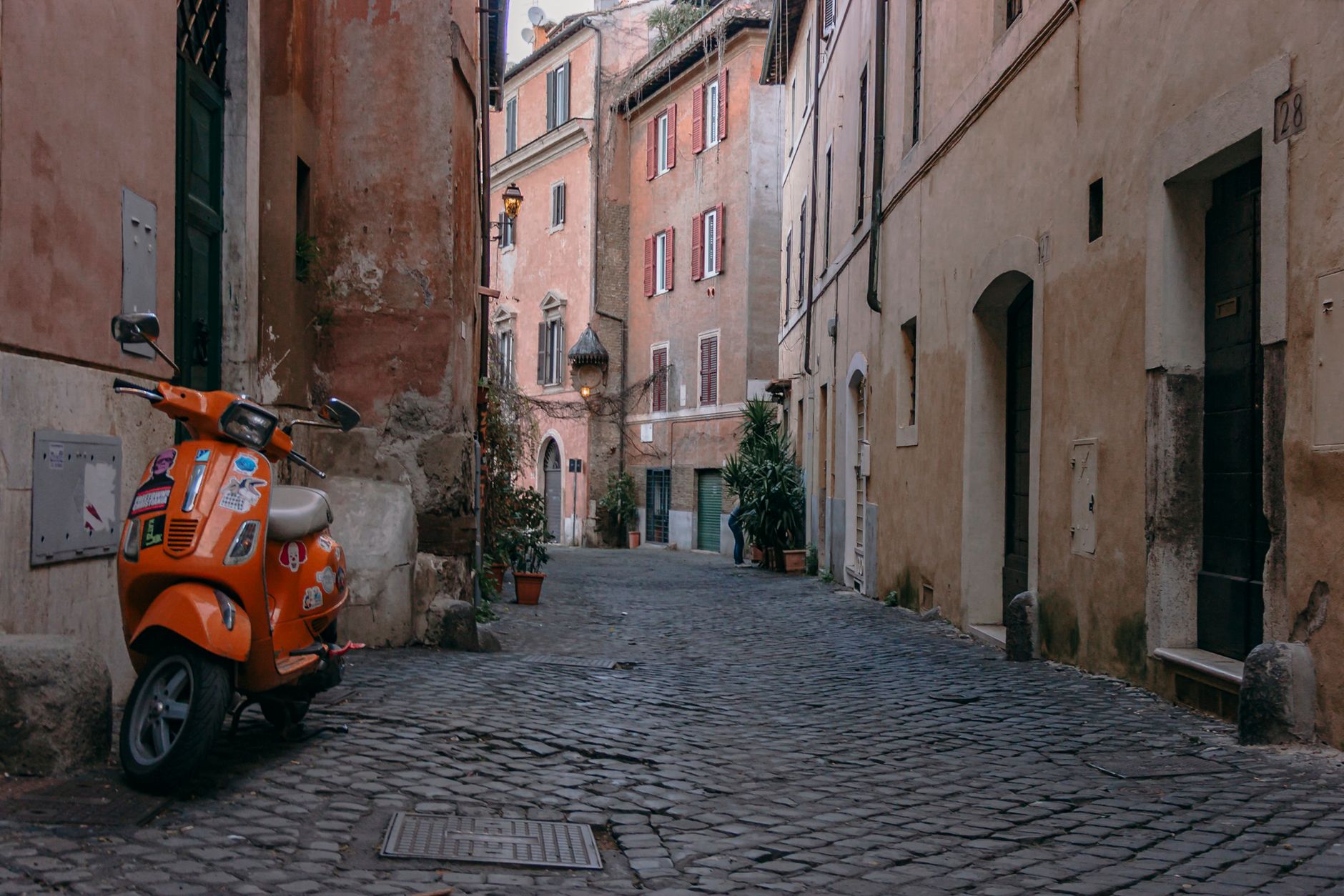
The Jewish Ghetto (Rione Sant'Angelo)
Rome's Jewish community is the oldest in Europe — Jews have lived continuously in this bend of the Tiber since the 2nd century BC — and the neighbourhood they call home, clustered around Via del Portico d'Ottavia, is one of the most historically layered and culinarily rewarding corners of the historic centre. It is also remarkably quiet compared to the tourist crush a few streets away.
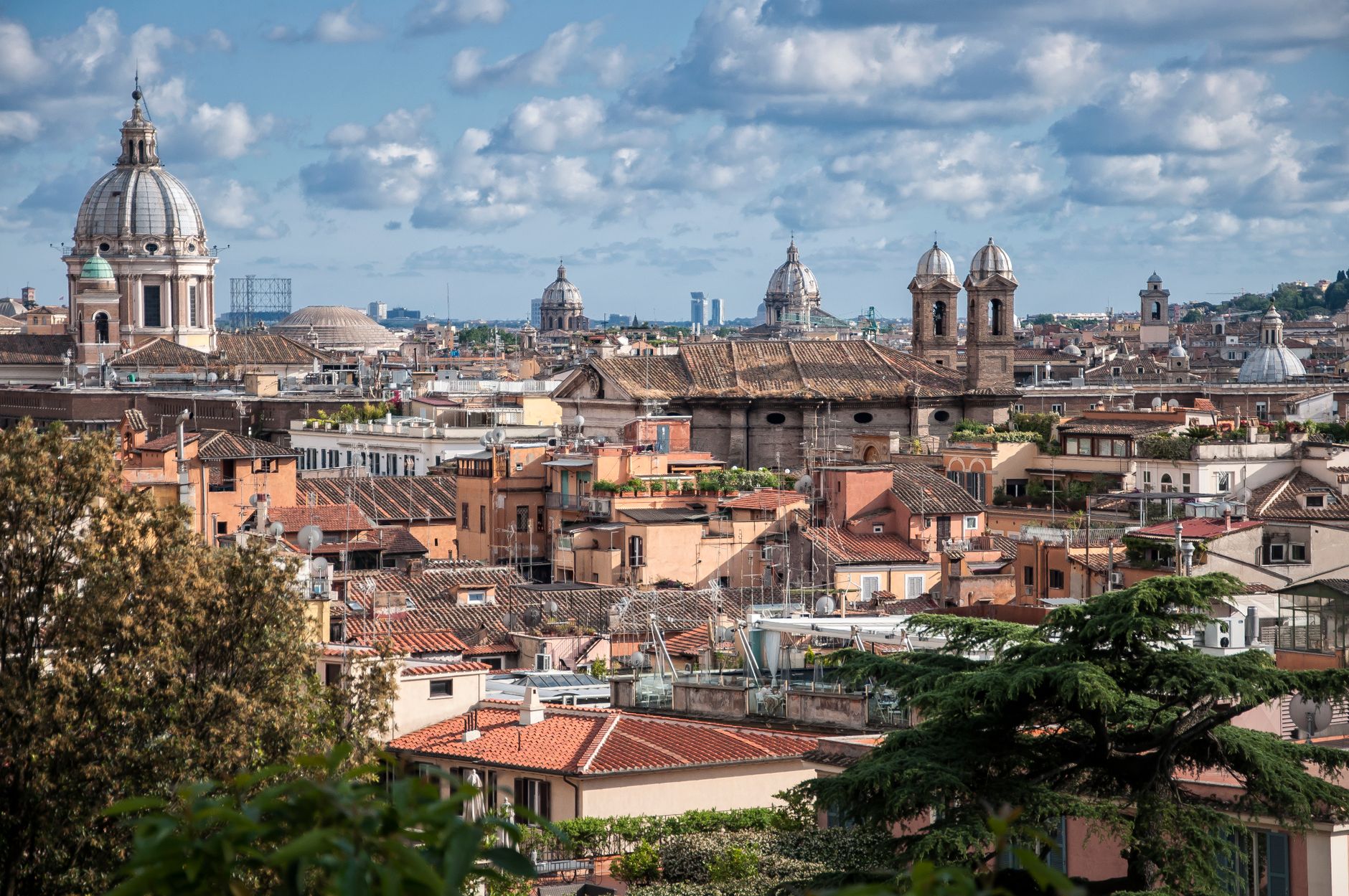
Walking the Neighbourhood
Start at the Portico d'Ottavia, a monumental Roman gateway from 23 BC whose broken columns have been absorbed into the fabric of a medieval church — a perfect symbol of the neighbourhood's palimpsest history. The adjacent Teatro di Marcello, Rome's oldest surviving theatre (13 BC), is often called the 'other Colosseum' and is far less visited.
Stroll along Via del Portico d'Ottavia past the Fontana delle Tartarughe (Turtle Fountain, 1588) in Piazza Mattei — one of Rome's most delicate Renaissance fountains, tucked into a quiet square most visitors never find.
Eating in the Ghetto
The neighbourhood's cuisine blends Roman and Sephardic Jewish traditions into something entirely its own. The must-eat is carciofi alla giudia at Nonna Betta or Piperno — two historic restaurants on Via del Portico d'Ottavia that have been frying artichokes for generations.
For a sweet finish, buy a ricotta-and-sour-cherry tart (torta ricotta e visciole) from the Boccione bakery on Via del Portico d'Ottavia 1 — the oldest Jewish bakery in Rome, cash-only, no sign on the door, open only on weekdays and Saturday morning.
More of Rome (Historic Centre)
Discover where to stay, what to do and the best deals for your trip.
Explore Rome (Historic Centre) →