Château de Marqueyssac Gardens
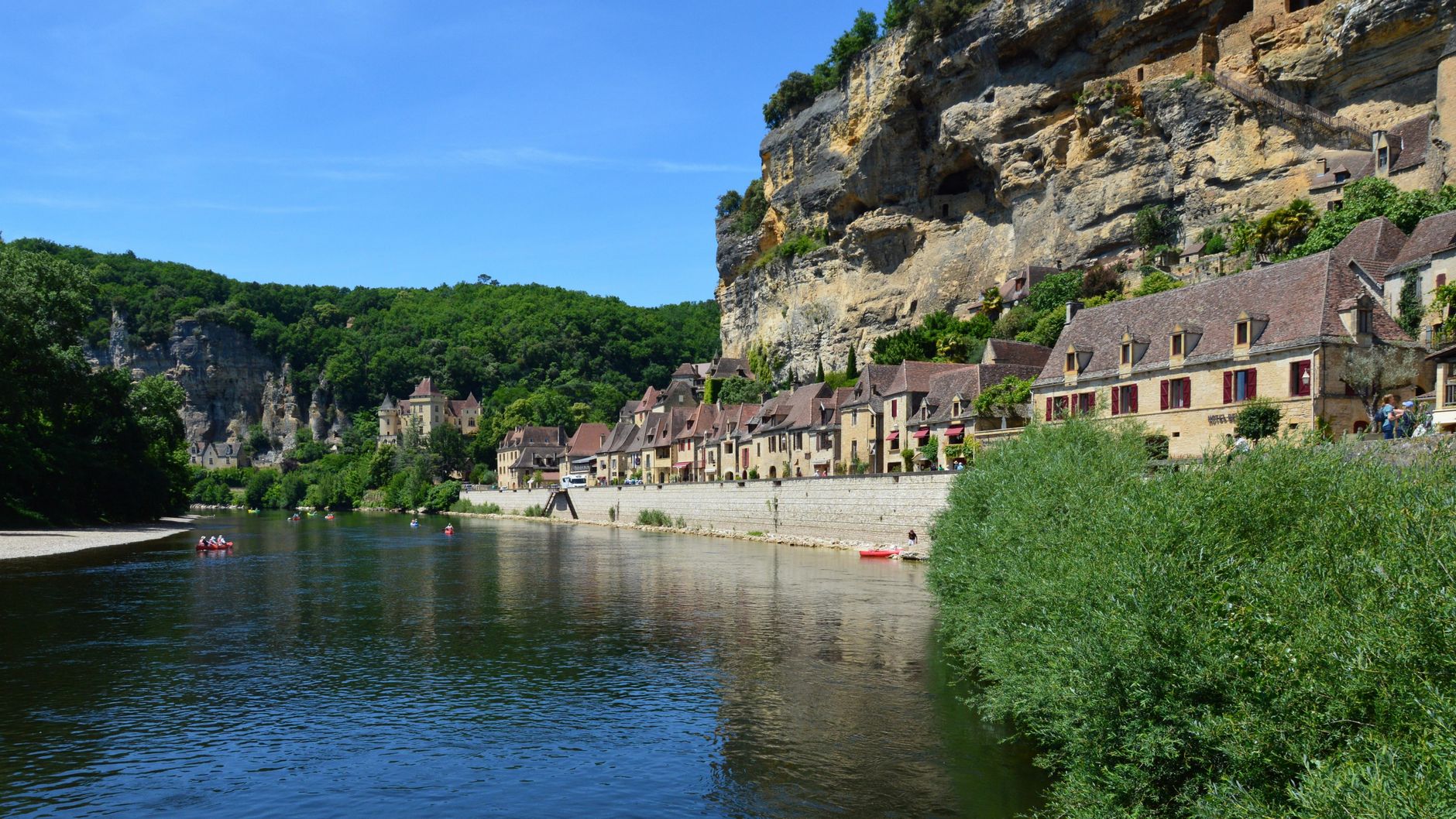
Perched on a promontory 130 metres above the Dordogne just 3 kilometres west of La Roque-Gageac, Château de Marqueyssac is home to the most theatrical garden in the Périgord — 150,000 hand-clipped boxwood plants sculpted into billowing waves that frame vertiginous views of four châteaux simultaneously. It is far less visited than the châteaux on the valley floor and rewards every extra minute you

The Gardens in Detail
The 22-hectare park was laid out in the 17th century and the boxwoods have been hand-pruned with shears — never mechanical trimmers — since the 19th century, giving the hedges an organic, almost geological quality quite unlike any formal French garden.
The Belvedere terrace at the garden's western tip is the money shot: a stone platform jutting over the cliff edge with Château de Beynac directly opposite across the river, Château de Castelnaud to the south, and La Roque-Gageac's cliff village visible upstream — all four in a single photograph.
In February and March the boxwoods are being clipped by a team of gardeners using traditional long-handled shears; if you visit then you can watch the process up close and the gardens are almost entirely empty of other visitors.
Candlelit Thursdays and Practical Tips
Every Thursday evening in July and August, Marqueyssac hosts Les Nuits des Étoiles Filantes — the entire garden is lit by 2,000 candles and a classical music ensemble plays on the belvedere terrace. Tickets sell out fast but the experience is genuinely unforgettable.
The visit takes 1.5 to 2 hours at a comfortable pace; the paths are gravel and gently undulating, accessible to most fitness levels, though the final descent to the belvedere involves a short steep section.
A small café near the entrance serves local walnut cake and Bergerac wine; the gift shop stocks Marqueyssac's own boxwood-pruning scissors and lavender sachets — unusually tasteful for a château gift shop.
More of La Roque-Gageac
Discover where to stay, what to do and the best deals for your trip.
Explore La Roque-Gageac →