
Addizione Erculea — the Renaissance Quarter
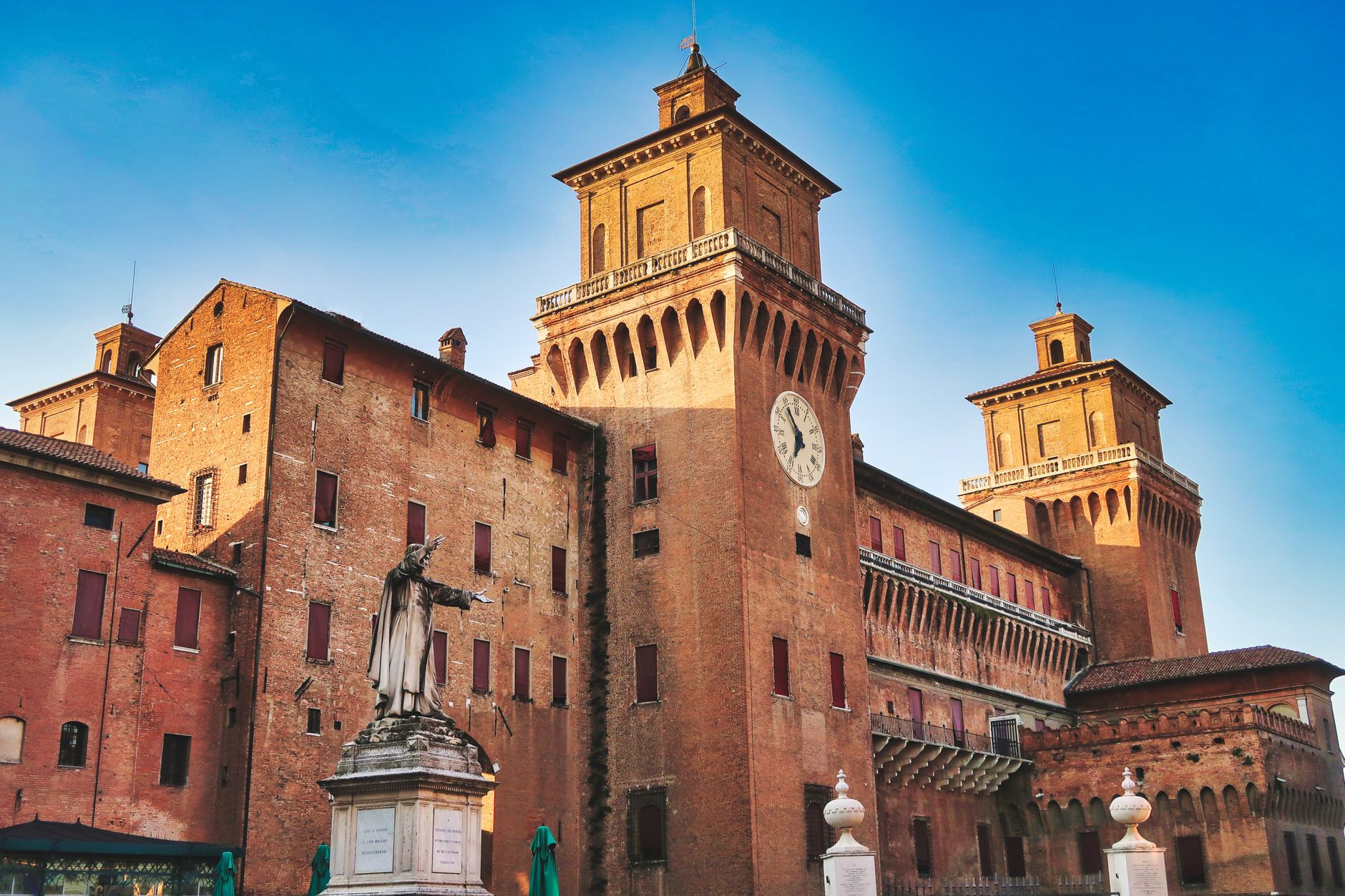
Commissioned by Duke Ercole I d'Este in 1492 and designed by Biagio Rossetti, this northern expansion of Ferrara is considered the first example of modern urban planning in Europe — wide, straight boulevards lined with palaces built to a coherent aesthetic. Walking its quiet streets today feels like stepping inside an architectural thought experiment that actually worked.

Corso Ercole I d'Este: the Perfect Street
The main axis of the Addizione, Corso Ercole I d'Este, runs dead straight from the castle to the city walls. The Palazzo dei Diamanti — its façade studded with 8,500 pointed marble blocks that catch light differently at every hour — anchors the northern end and is reason enough to make the walk.
The palazzo now houses the Pinacoteca Nazionale, whose collection spans Ferrara's golden-age painters: Cosmè Tura, Francesco del Cossa and Ercole de' Roberti, masters of the distinctive, wiry Ferrarese style. Even if you skip the gallery, stand on the corner of Via Porta Mare and look south — the perspective is one of the great urban vistas of Italy.
Palaces, Gardens and Silence
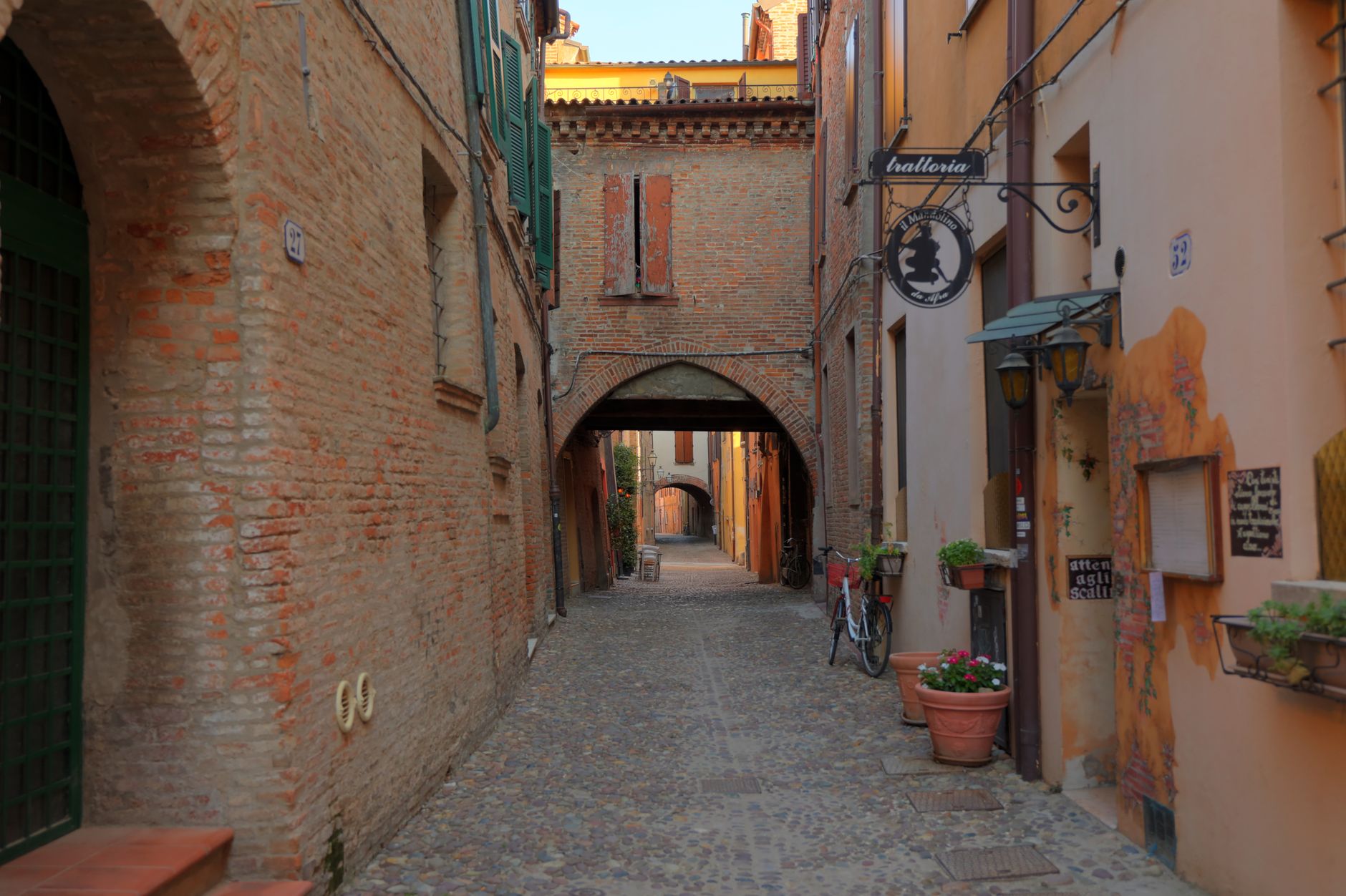
Side streets off the Corso reveal a succession of noble palaces — Palazzo Prosperi-Sacrati, Palazzo Turchi di Bagno — many still in private hands and unmarked by tourist signage. Peer through iron gates into courtyard gardens thick with wisteria and lemon trees.
The quarter is genuinely quiet, even in high season. Ferrara's residents cycle through on their way to work, giving the neighbourhood an unhurried, lived-in quality that UNESCO-listed historic centres rarely preserve.
More of Ferrara
Discover where to stay, what to do and the best deals for your trip.
Explore Ferrara →


