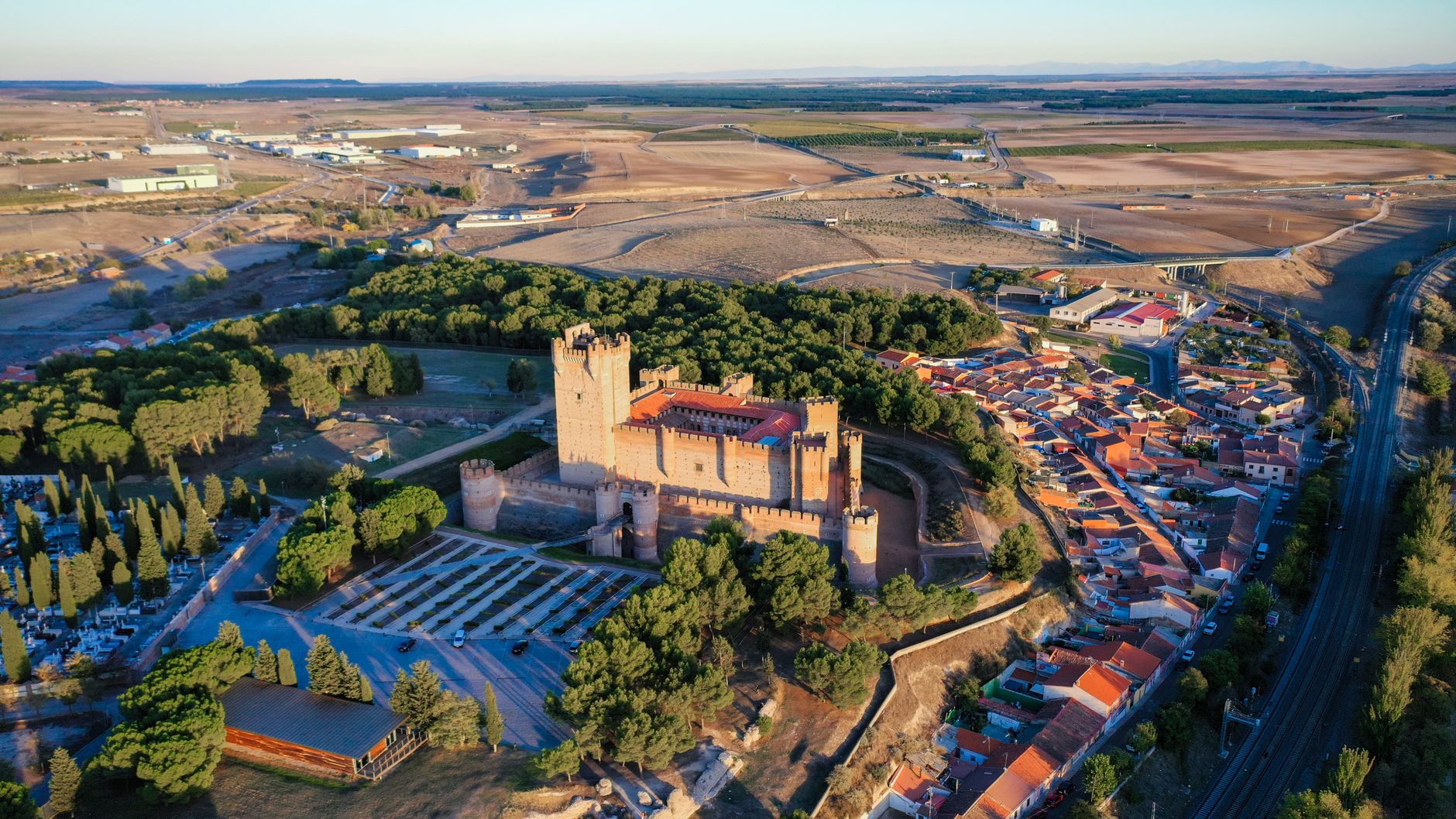
Ermita de la Virgen de la Oliva
Perched on a low hill just outside Ejea, the Ermita de la Virgen de la Oliva is a Baroque pilgrimage chapel of extraordinary quality for a town this size — its ornate façade, gilded retablo and the fierce local devotion to the Virgin make it feel like a discovery rather than a tick on a tourist itinerary.
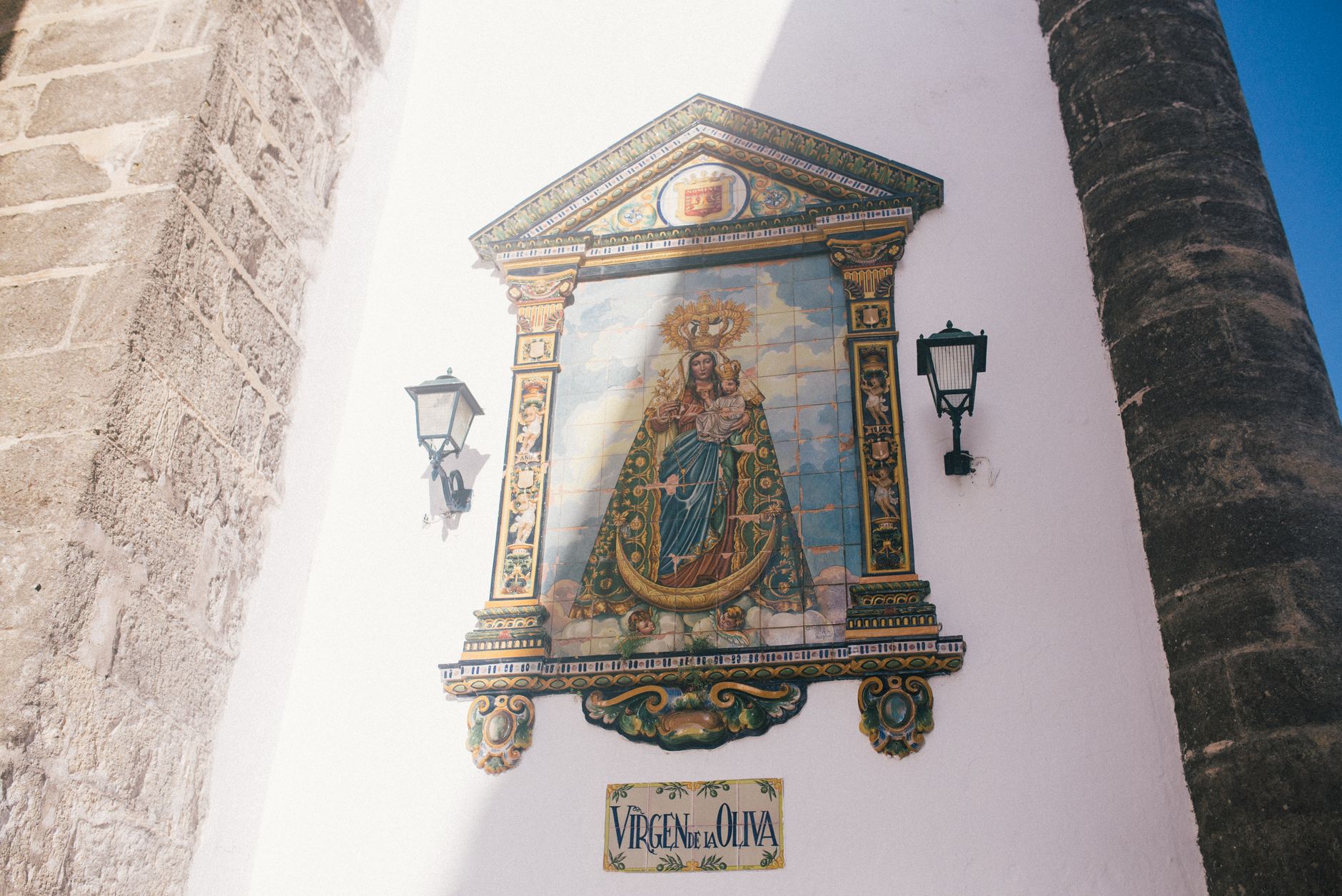
The chapel and its art
Built in the 17th and 18th centuries, the ermita houses a polychrome sculpture of the Virgin of the Olive that is the spiritual heart of Ejea. The interior retablo is a riot of gilded Churrigueresque carving — twisted columns, cherubs and floral swags — that seems almost excessive for such a modest exterior, which is precisely what makes it so surprising.
The painted vault above the main altar depicts celestial scenes in warm ochres and blues that have faded to a beautiful, dusty patina. The combination of gilded wood and aged fresco creates an atmosphere of intense, intimate devotion that larger cathedrals rarely achieve.
The pilgrimage and the fiesta
The Virgin of the Olive is the patron of Ejea, and her feast day in early September draws the entire town in a procession from the ermita to the parish church and back — one of those local fiestas that has not been packaged for tourism and is all the more moving for it. If your visit coincides, don't miss it.
The ermita is also the starting point for the path up to the Castillo de Doña Toda, so a combined visit — chapel first, castle ruins second, panoramic view third — makes for a perfect half-day loop on the southern edge of town.
More of Ejea de los Caballeros
Discover where to stay, what to do and the best deals for your trip.
Explore Ejea de los Caballeros →