Leughenaer Tower (Tour du Leughenaer)
Rising from the old port district, the 14th-century Leughenaer — Flemish for 'liar's tower', allegedly because its lantern misled sailors — is Dunkirk's oldest surviving monument and its finest free viewpoint. Climb the spiral staircase and the entire coastline from Belgium to Cap Blanc-Nez unfolds before you on a clear day.
The Tower Itself
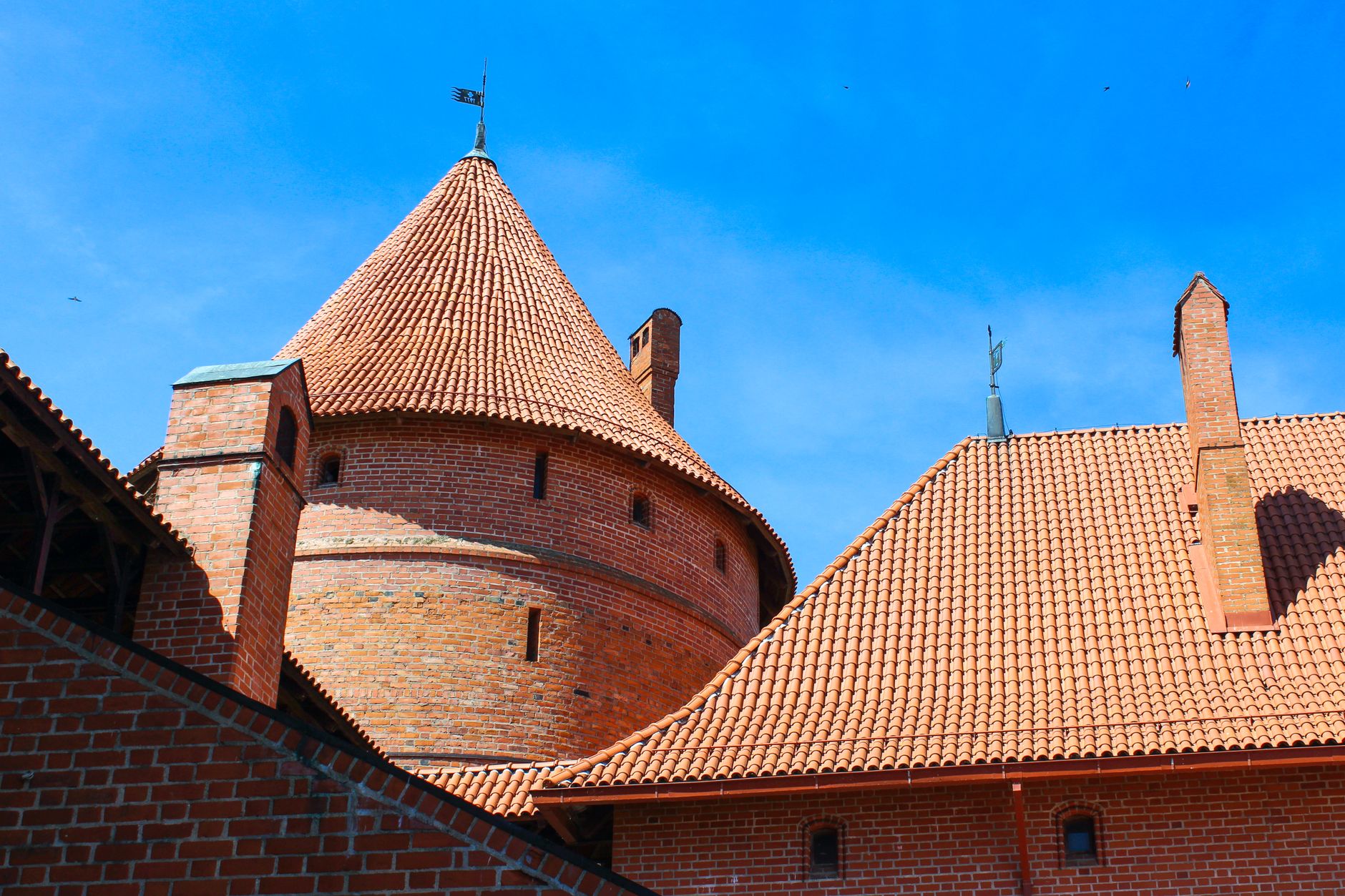
Built in 1403 as a lighthouse and watchtower, the Leughenaer's honey-coloured brick has weathered centuries of North Sea storms and two world wars. The ground floor hosts rotating free exhibitions on Dunkirk's maritime history, making it worth a look even before you tackle the stairs.
The tower is slender and the staircase genuinely medieval — narrow, steep and worn smooth by centuries of feet. It is not suitable for those with vertigo or limited mobility, but for everyone else the 28-metre climb takes less than three minutes and the reward is spectacular.
The View from the Top
From the open platform you see the working port's cranes and ferry terminals to the west, the sandy arc of Malo-les-Bains beach to the east, and on a clear winter morning the white cliffs of Dover as a faint smudge on the horizon across the Channel. It is the kind of view that reframes the whole geography of northern Europe.
Bring a telephoto lens or binoculars: the harbour entrance below is one of the busiest in France and you can watch massive ro-ro ferries, tankers and fishing trawlers threading past each other in the narrow channel.
Around the Tower
The Leughenaer stands at the edge of the Bassin du Commerce, a calm inner harbour ringed by a handful of low-key bars and the FRAC Grand Large building — a striking contemporary-architecture venue designed to evoke a ship's hull. Together they make a pleasant 30-minute stroll.
The Rue du Leughenaer itself retains a few pre-war brick façades and is one of the more photogenic streets in a city that was heavily rebuilt after 1945.
More of Dunkirk
Discover where to stay, what to do and the best deals for your trip.
Explore Dunkirk →