Abbaye de Cluny
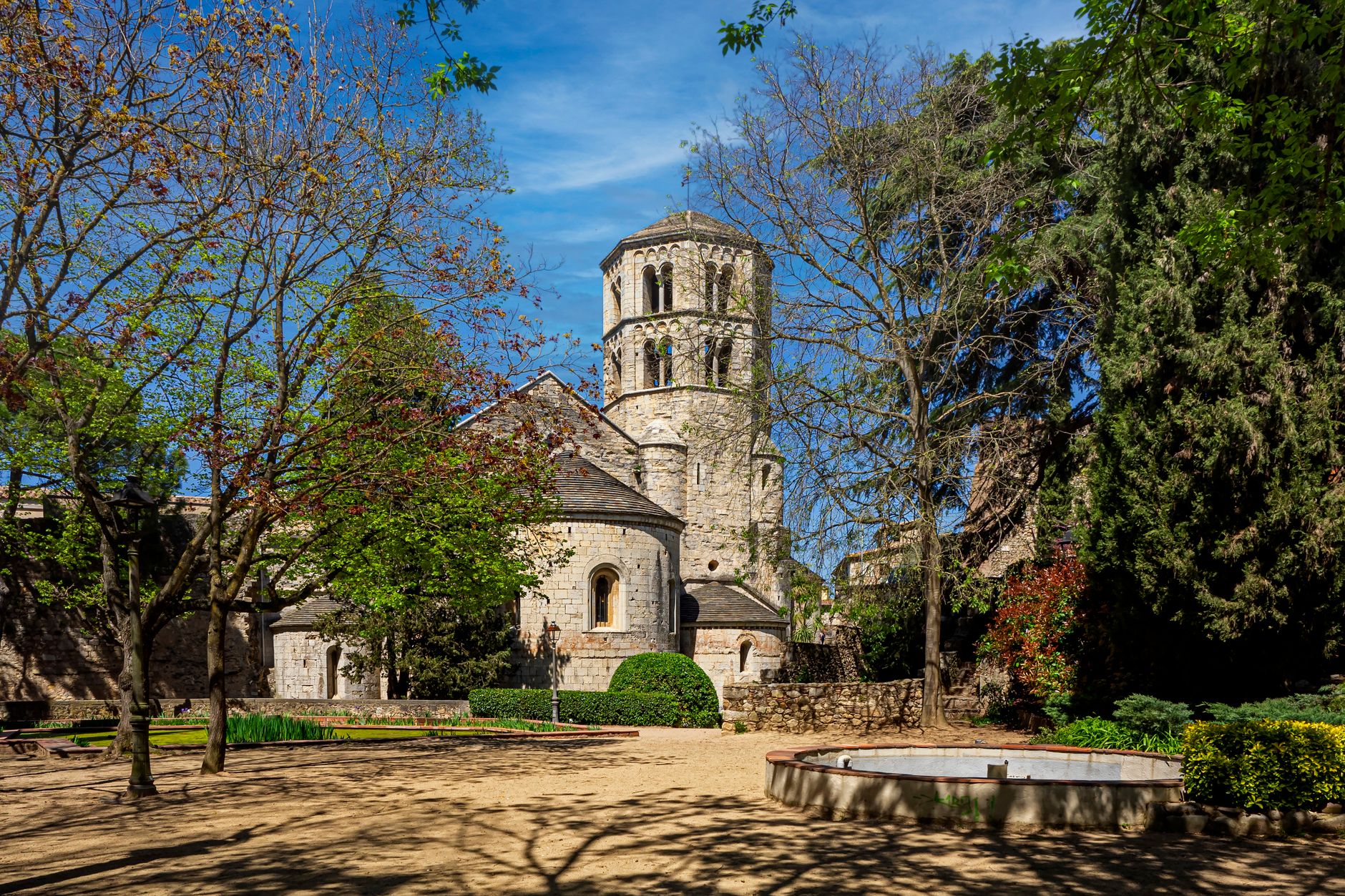
For two centuries Cluny's Benedictine abbey was the largest church on earth, and even its magnificent ruins convey the sheer ambition of medieval Christendom. Walking beneath the single surviving transept tower, the Clocher de l'Eau Bénite, is a genuine shiver-down-the-spine moment.
A Monument to Medieval Power
Founded in 910 AD, the Abbey of Cluny grew to command more than 1,000 monasteries across Europe, making it the spiritual and political nerve centre of the medieval West. At its peak, the basilica stretched 187 metres — longer than any church until St Peter's in Rome was rebuilt.
Most of the complex was demolished for building stone after the French Revolution, but the Musée d'Art et d'Archéologie housed inside the surviving granary and flour mill does a brilliant job of reconstructing what was lost. Scale models and original carved capitals help you reimagine the full glory of Cluny III.

What to See Up Close
Don't rush past the Farinier, the 13th-century storehouse whose upper hall preserves eight original Romanesque capitals from the great choir — some of the finest stone carving in France, depicting the tones of Gregorian chant as allegorical figures.
The abbey gardens are freely accessible and perfectly frame the Clocher de l'Eau Bénite for photographs. Arrive in the golden hour before closing and you'll have the lawns almost to yourself.

Practical Timing
The site is managed by the Centre des Monuments Nationaux and opens year-round, though hours vary by season. A combined ticket covers the abbey ruins, the museum and the Haras National stud farm nearby.
Summer evenings bring the 'Cluny, Lumières de Clunisie' son-et-lumière projection mapping show onto the abbey facade — an unmissable spectacle that runs from late June through August.
More of Cluny
Discover where to stay, what to do and the best deals for your trip.
Explore Cluny →