
Cluny
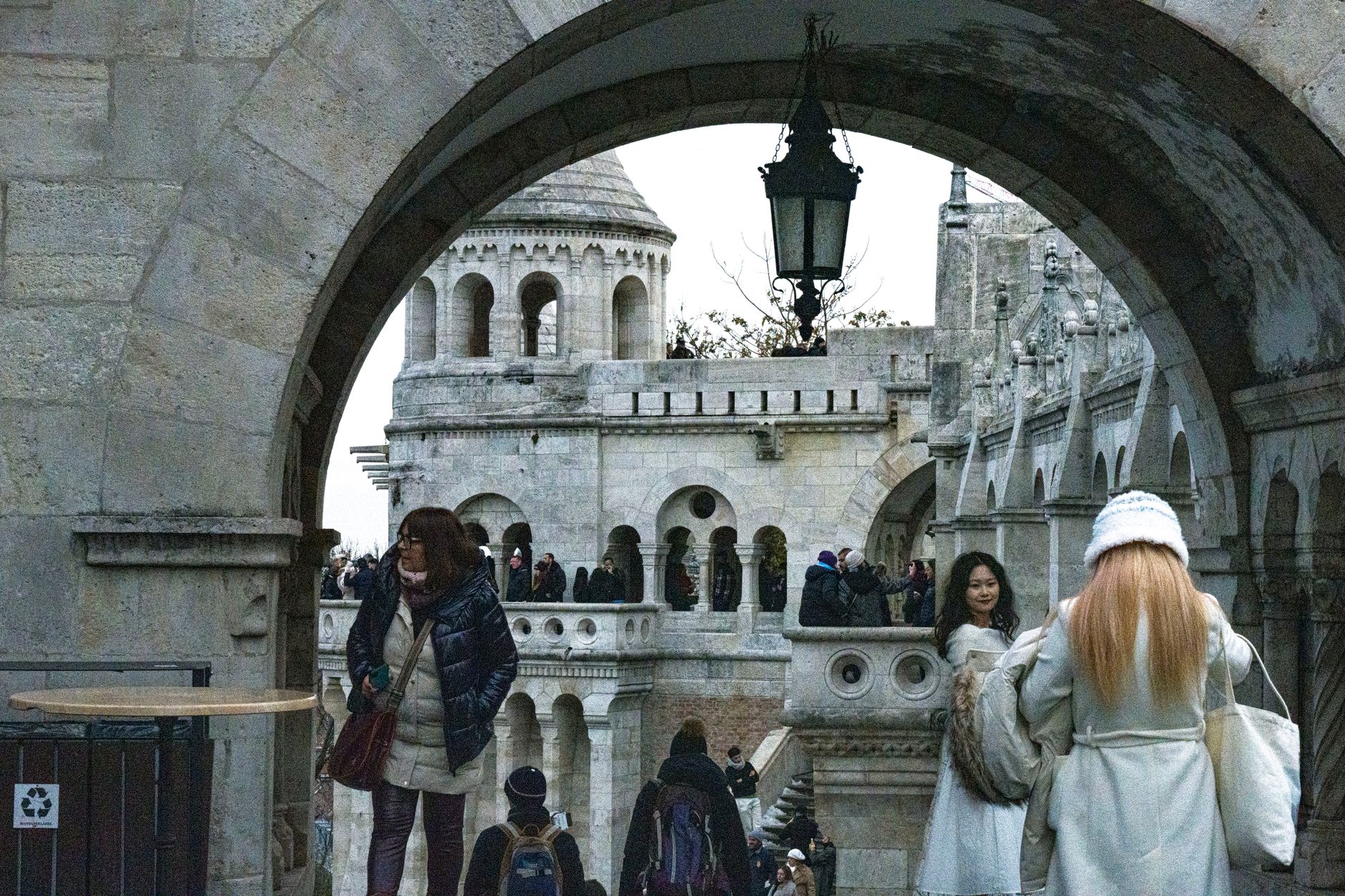
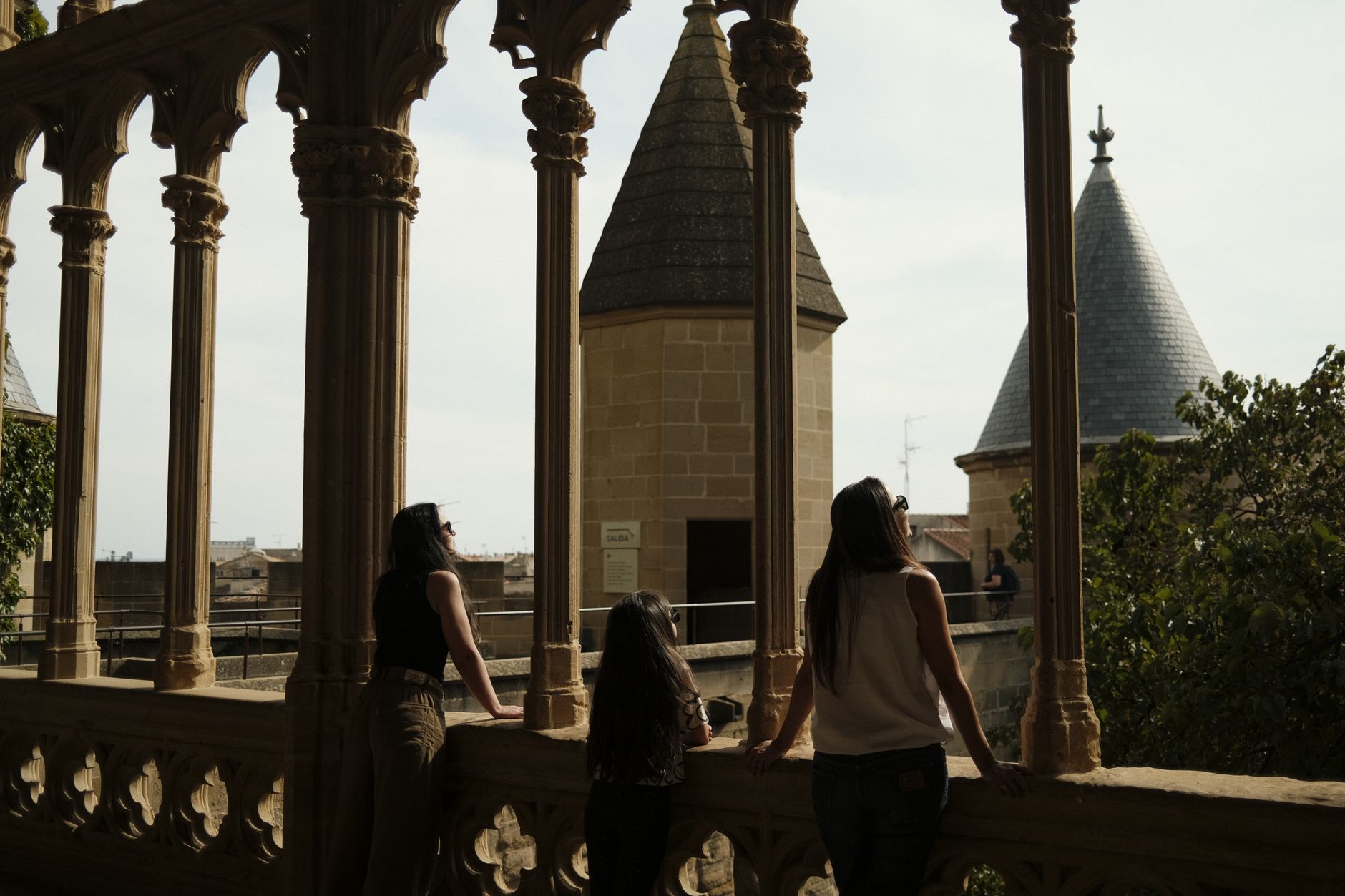
Stand in front of the Cluny Abbey's surviving south transept and try to imagine ten times the space around you. That's roughly what's missing — the rest of a church that, from 1130 until St. Peter's in Rome finally surpassed it, was the largest in the world. What remains is a fragment, and yet the fragment is enough to recalibrate your sense of scale. Cluny is a town of about 4,000 people, a handful of good streets, a national stud farm built partly from the abbey's own stones, and a story about power, faith, and demolition that takes a while to absorb.
The abbey was the centre of a monastic network that stretched across nearly a thousand establishments by the late 13th century. Today you walk the same ground as abbots who corresponded with popes and kings — then step out through the Porte d'Honneur into a quiet Burgundian town that has made a reasonable peace with its own incompleteness.
💛 What travellers fall for
People who come back tend to linger in the Farinier, the 13th-century flour store whose original timber roof framework has survived everything. They also recommend the Odilon ticket over the base rate — the Tour des Fromages adds a view over the roofline that puts the abbey's former footprint into sudden, useful perspective.
Experiences you don't want to miss



Deals in Cluny
Book directly at the provider

How Cluny came to be
On 11 September 910, Duke William the Pious of Aquitaine signed a charter donating a Carolingian villa for a new Benedictine abbey, placing it under the direct protection of Saints Peter and Paul — and crucially, outside the jurisdiction of local bishops and secular lords. The first abbot, Bernon, established the house; his successors Odilon and Hugh of Semur turned it into the administrative and spiritual capital of Western monasticism. In 1088, Hugh commissioned architect Hézelon of Liège to build an entirely new church, completed by around 1130, that would stand as the world's largest for nearly four centuries.
The Huguenots sacked the abbey in 1562. The Revolution finished what they started: a last mass was said on 25 October 1791, the monks dispersed, and by 1810 demolition was under way. The stone was sold as building material until 1823 — Napoléon's Haras National, founded in 1806, was constructed in part from the rubble. Systematic excavation only began in 1927, when Harvard architectural historian Kenneth John Conant started the painstaking work of reconstructing the abbey's plan from what the ground still held.
Who and what shaped it
People who shaped it
Landmark buildings
See Cluny in motion
Plan your visit
On the map
When to go
Burgundy has a semi-continental climate: summers in Cluny are warm and generally dry, making June through September the most comfortable months for walking the site. Spring and autumn bring cooler, occasionally wet days, but also thinner crowds; the abbey's interior is worth visiting in any season.
Right now
Background & history adapted from Wikipedia (CC BY-SA) · specs from Wikidata (CC0) · weather from Open-Meteo · map data © OpenStreetMap contributors · photos from Wikimedia Commons / Unsplash with per-image credit. No third-party reviews or social posts reproduced.