
Moselle Riesling Tasting at a Village Weingut
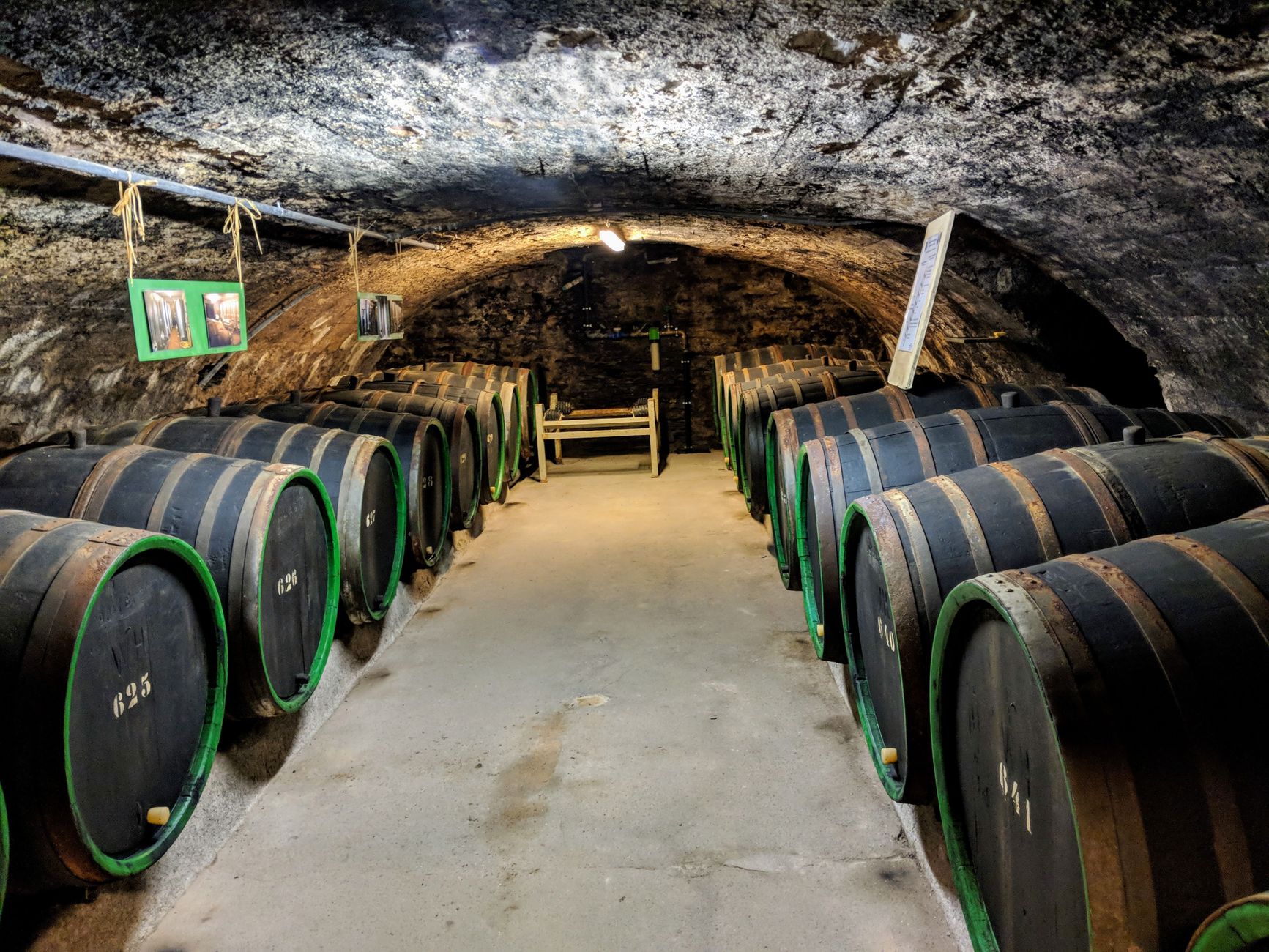
Bruttig-Fankel sits in the heart of one of Germany's most celebrated Riesling landscapes, and the village's family-run Weingüter — among them Weingut Volker Jobelius and Ferienweingut Hess-Becker — open their cellars to visitors for tastings poured by the people who actually grew the grapes. This is as close to the source as wine gets.
What to taste and why
The steep south-facing slate vineyards around Bruttig-Fankel produce Rieslings with a signature mineral bite and vivid citrus acidity that reflects the Devonian slate soils. Spätlese and Auslese styles from warm years develop a honeyed depth that can age for decades, yet remain refreshingly light on alcohol.
Beyond Riesling, ask about the local Spätburgunder (Pinot Noir) — the mild Moselle microclimate produces a surprisingly elegant red that rarely makes it beyond the village.

Where to go
Weingut Volker Jobelius is one of the most-visited tasting addresses in the village, noted by travellers for its warm welcome and well-priced pours. Ferienweingut Hess-Becker on Christophorusweg 8 offers a four-star holiday vineyard experience with a dedicated wine-experience programme — ideal if you want to combine a tasting with an overnight stay among the vines.
Weinhaus Kolb on Moselstraße 21 is another local institution worth seeking out for bottles to take home. Pier 58, the village's riverside restaurant, pairs local winemakers' selections with food right on the Moselle bank — a relaxed way to taste several producers in one sitting.

Pair it with the local table
Order Moselle ham (Moselschinken) alongside your glass — the cured, smoked pork is a regional staple that cuts beautifully through the wine's acidity. Freshwater fish from the Moselle, particularly trout prepared simply with local herbs, is another classic pairing found on menus throughout the village.
The mild climate and long growing season mean harvest (Lese) runs from late September into October — visiting during this period means you may catch the vineyards in full picking action, with the air smelling of fermenting must.
More of Bruttig-Fankel
Discover where to stay, what to do and the best deals for your trip.
Explore Bruttig-Fankel →

