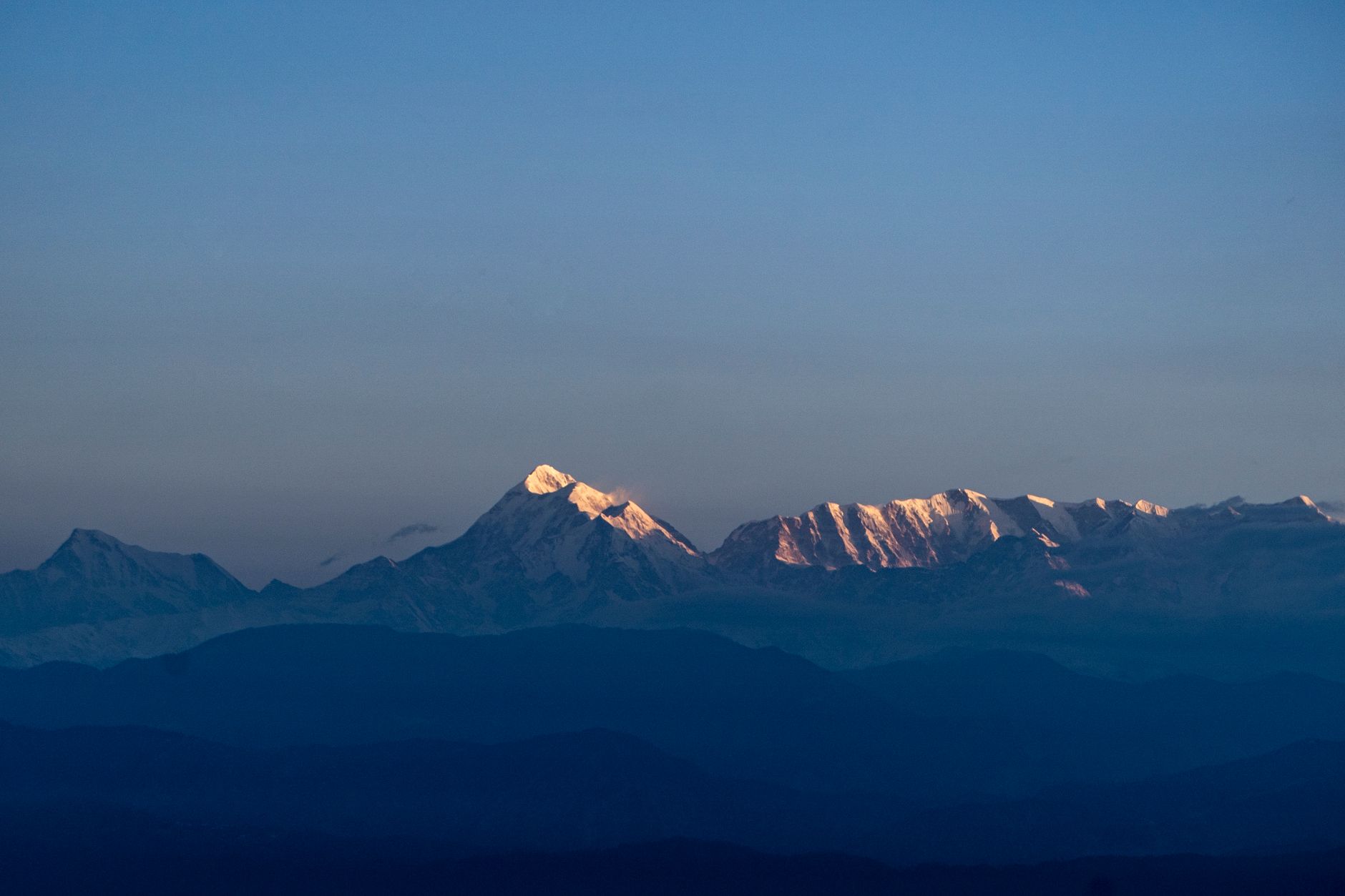
Boudhanath Stupa at Dawn
One of the largest stupas on earth, Boudhanath's whitewashed dome and gilded spire topped with the all-seeing eyes of the Buddha is the kind of sight that stops you mid-step. Arrive before the city wakes up and you'll find the plaza already alive with saffron-robed monks, spinning prayer wheels and murmuring mantras in the cool mountain air.

Walking the Kora
The essential ritual here is the kora — a clockwise circumambulation of the stupa that pilgrims have performed for centuries. Join the slow, meditative river of monks, Tibetan grandmothers and wide-eyed travellers, spinning each of the 108 prayer wheels set into the outer wall as you go. The rhythm is hypnotic and oddly calming even in a crowd.
The stupa's mandala design is a cosmological map in stone: the terraced plinth represents the earth, the great hemisphere the heavens, and the 13-ringed spire the stages of enlightenment. A knowledgeable local guide will decode the symbolism in a way that makes the whole structure click into meaning.

Evening Butter-Lamp Hour
If dawn belongs to the monks, dusk belongs to the devotees. As the sun drops behind the valley rim, the plaza fills with the warm flicker of hundreds of butter lamps and the stupa is lit by string lights that trace every contour of its dome. Rooftop cafés around the perimeter fill up fast — grab a seat early and order a pot of Himalayan tea.
The festival calendar transforms the stupa entirely. During Losar (Tibetan New Year, usually February) and Buddha Jayanti (May full moon), the square erupts in ceremonial dances, incense clouds and communal prayer that can last through the night — an experience no amount of planning can fully prepare you for.

Boudhanath Stupa at Dawn on video
More of Boudhanath
Discover where to stay, what to do and the best deals for your trip.
Explore Boudhanath →