Igreja Matriz de São João Batista
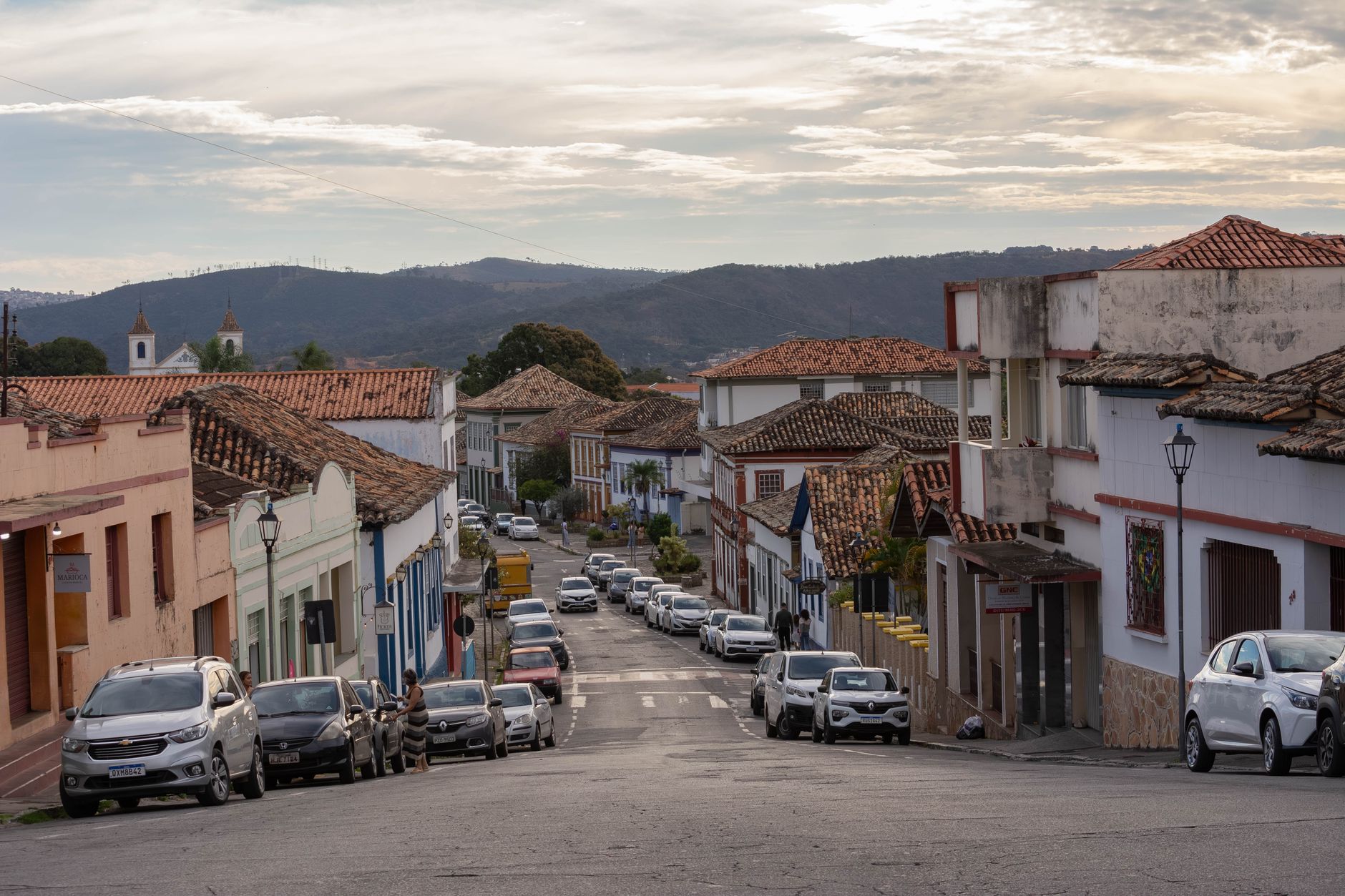
Built by enslaved workers in 1665, the Igreja Matriz de São João Batista is Atibaia's oldest and most storied building — a compact colonial church perched on a hill in the historic centre whose whitewashed façade and terracotta tiles have watched the city grow from a muddy colonial outpost into a thriving serra town. The short uphill walk to its door is worth every step.
History in Every Stone
The church anchors the Praça Claudino Alves, the social nucleus of Atibaia's centro histórico. Its interior is modest but moving, with intricately carved wooden altarpieces and devotional paintings that have survived three and a half centuries of tropical humidity, earthquakes and renovation.
Throughout the year the church hosts cultural concerts and religious festivals that spill out onto the square below, turning the surrounding streets into an impromptu open-air stage. Check the city's Agenda Atibaia for upcoming events before you visit.

The Neighbourhood Around It
The streets radiating from Praça Claudino Alves reward slow exploration. Colonial-era townhouses painted in faded pastels sit beside independent coffee shops, the Centro Cultural André Carneiro (Rua José Lucas, 28) and the Cine Itá Cultural, both of which host rotating art exhibitions and film screenings free or at minimal cost.
The square itself is a living room for the city — retirees on benches, children on scooters and the occasional street musician playing forró on a Sunday morning. It is the kind of unhurried scene that reminds you why small Brazilian cities punch above their weight on charm.

Igreja Matriz de São João Batista on video
More of Atibaia
Discover where to stay, what to do and the best deals for your trip.
Explore Atibaia →