Karnak Temple Complex
No single monument in Egypt matches the sheer scale of Karnak: 100 hectares of pylons, obelisks, sacred lakes and hypostyle halls built by pharaoh after pharaoh across 2,000 years. Walking its Avenue of Sphinxes at dawn, when the sandstone glows amber and the crowds are thin, is one of the most spine-tingling experiences on the planet.
A City Built for the Gods
Karnak was known to the ancient Egyptians as Ipet-isu — 'most select of places' — and it was dedicated to the Theban triad of Amun, Mut and Khonsu. Construction began in the Middle Kingdom and every major pharaoh added their own mark, making it a layered chronicle of Egyptian civilisation carved in stone.
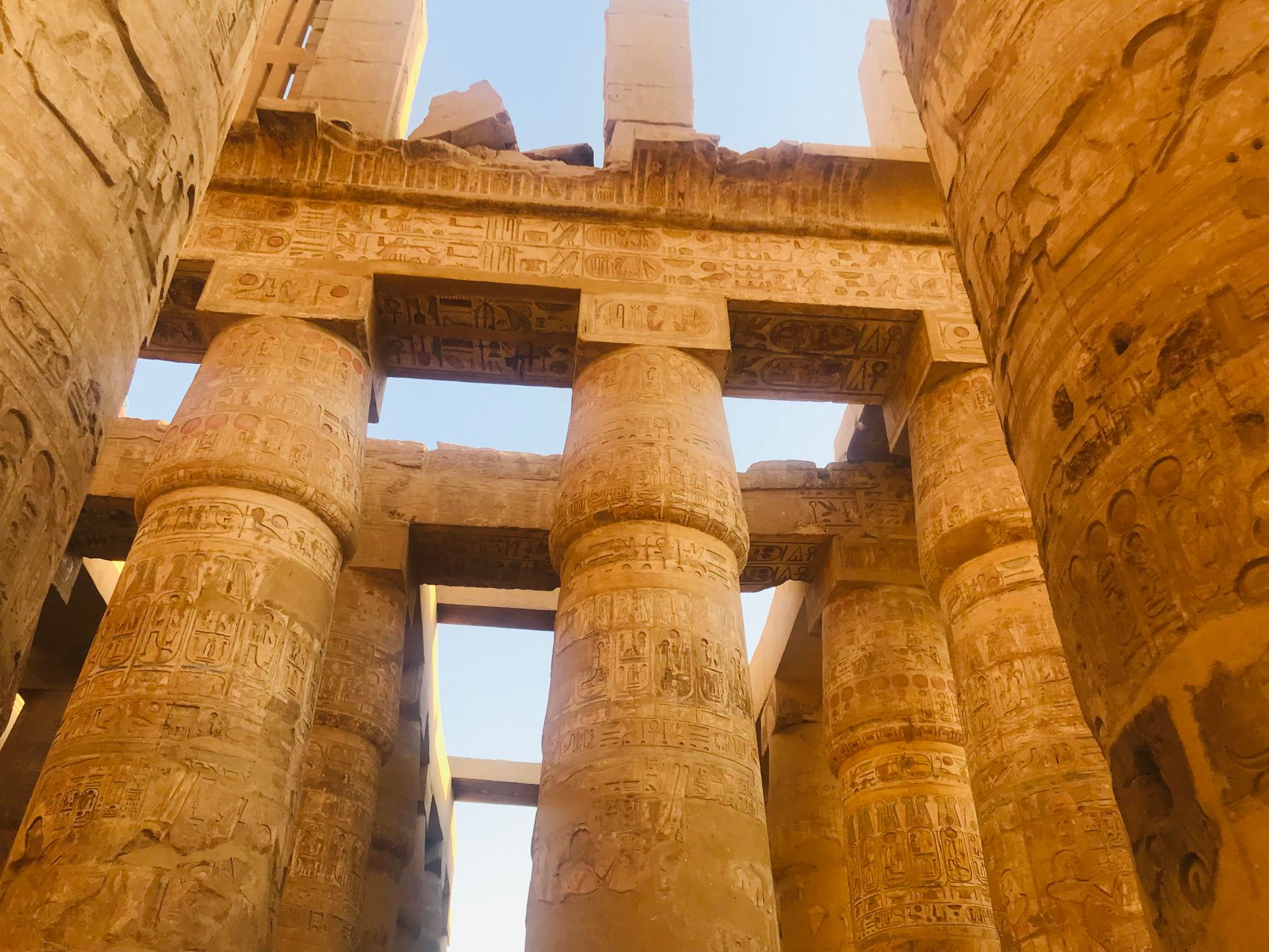
The Great Hypostyle Hall alone contains 134 massive columns arranged in 16 rows, the tallest reaching 21 metres. Standing beneath them, dwarfed by hieroglyphs still vivid with pigment, it is impossible not to feel the weight of millennia pressing down on you.

Sound, Light & the Sacred Lake
Every evening Karnak hosts one of Egypt's most atmospheric sound-and-light shows, narrating the temple's history as coloured beams sweep across the pylons and reflect in the still water of the Sacred Lake — a rectangular pool where priests once performed purification rituals.
The Sacred Lake itself is worth lingering beside at any hour: a family of resident cats usually prowls the granite quay, and the reflections of the obelisk of Hatshepsut — still the tallest standing obelisk in Egypt at 29.5 metres — shimmer on the surface.

Karnak Temple Complex on video
More of Al-Manshiyya
Discover where to stay, what to do and the best deals for your trip.
Explore Al-Manshiyya →