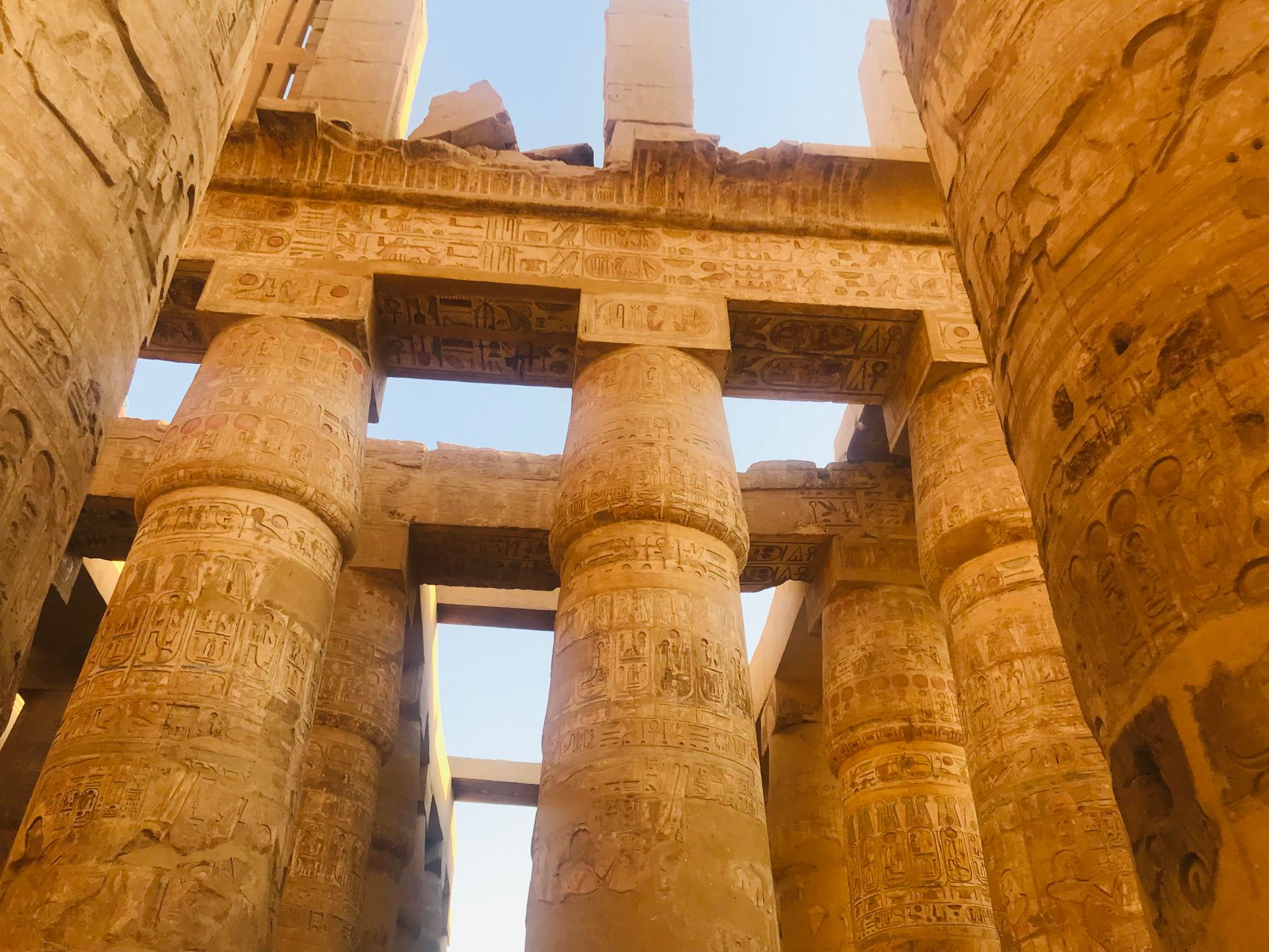
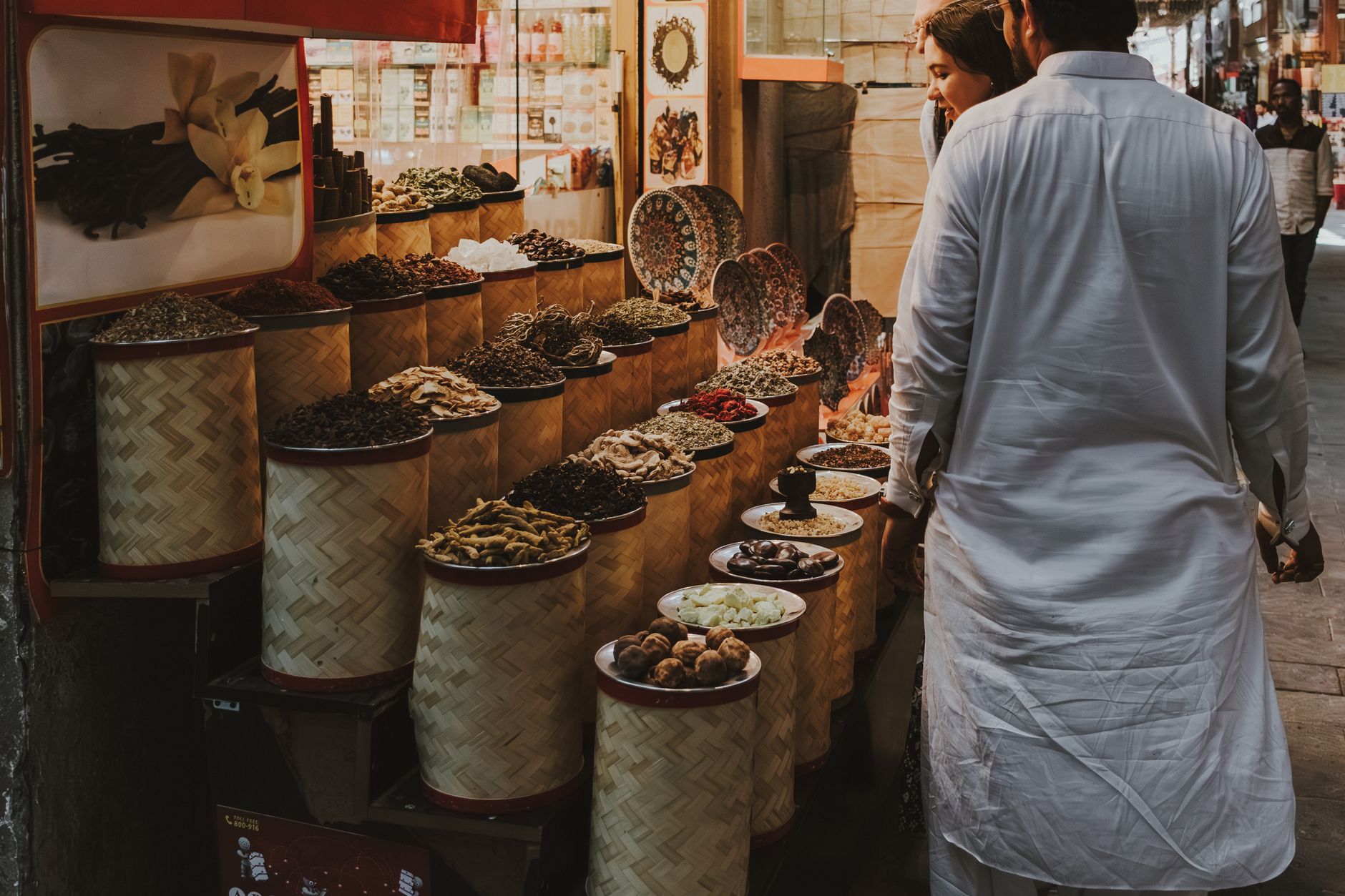
Deir el-Medina Workers' Village & Tombs
While every visitor rushes to the Valley of the Kings, the workmen's village of Deir el-Medina sits quietly nearby — a remarkably intact ancient settlement where the craftsmen who carved the royal tombs lived, quarrelled, went on strike and were ultimately buried in some of the most vividly painted private tombs in all of Egypt. It is the West Bank's most underrated stop.
A Village Frozen in Time
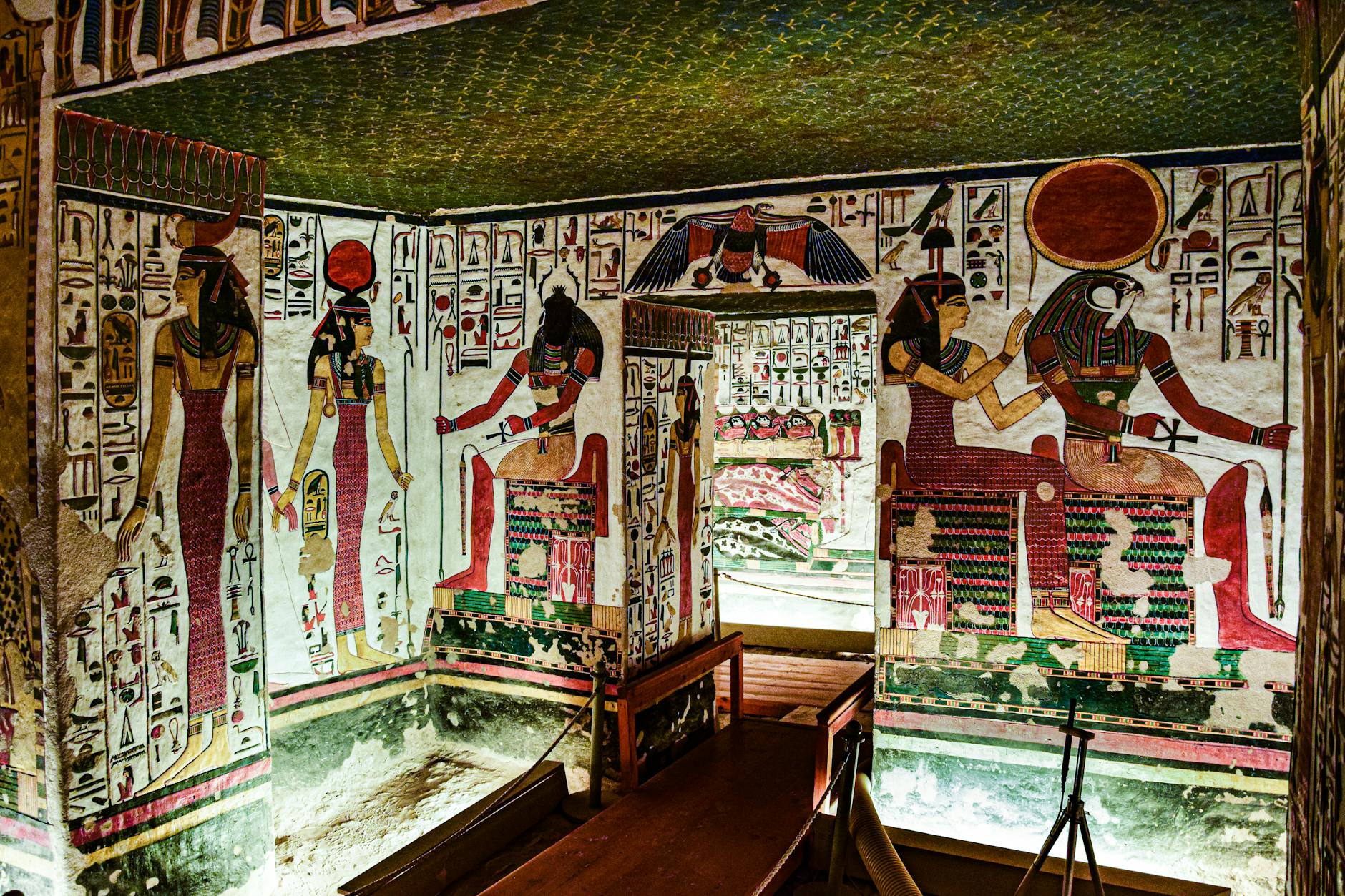
Deir el-Medina was home to the skilled artisans of the New Kingdom — painters, sculptors and scribes who worked on the royal necropolis for generations. The village's mud-brick foundations survive in extraordinary detail, and the on-site Ptolemaic temple of Hathor, with its well-preserved painted reliefs, adds an extra layer of history that spans a thousand years beyond the New Kingdom.
Because these workers were literate and kept meticulous records on ostraca (pottery shards used as notepads), we know more about daily life here than in almost any other ancient community: their wages (paid in grain and oil), their disputes, their love poetry and their medical remedies. A visit here is as much social history as archaeology.
The Private Tombs: Colour Undimmed
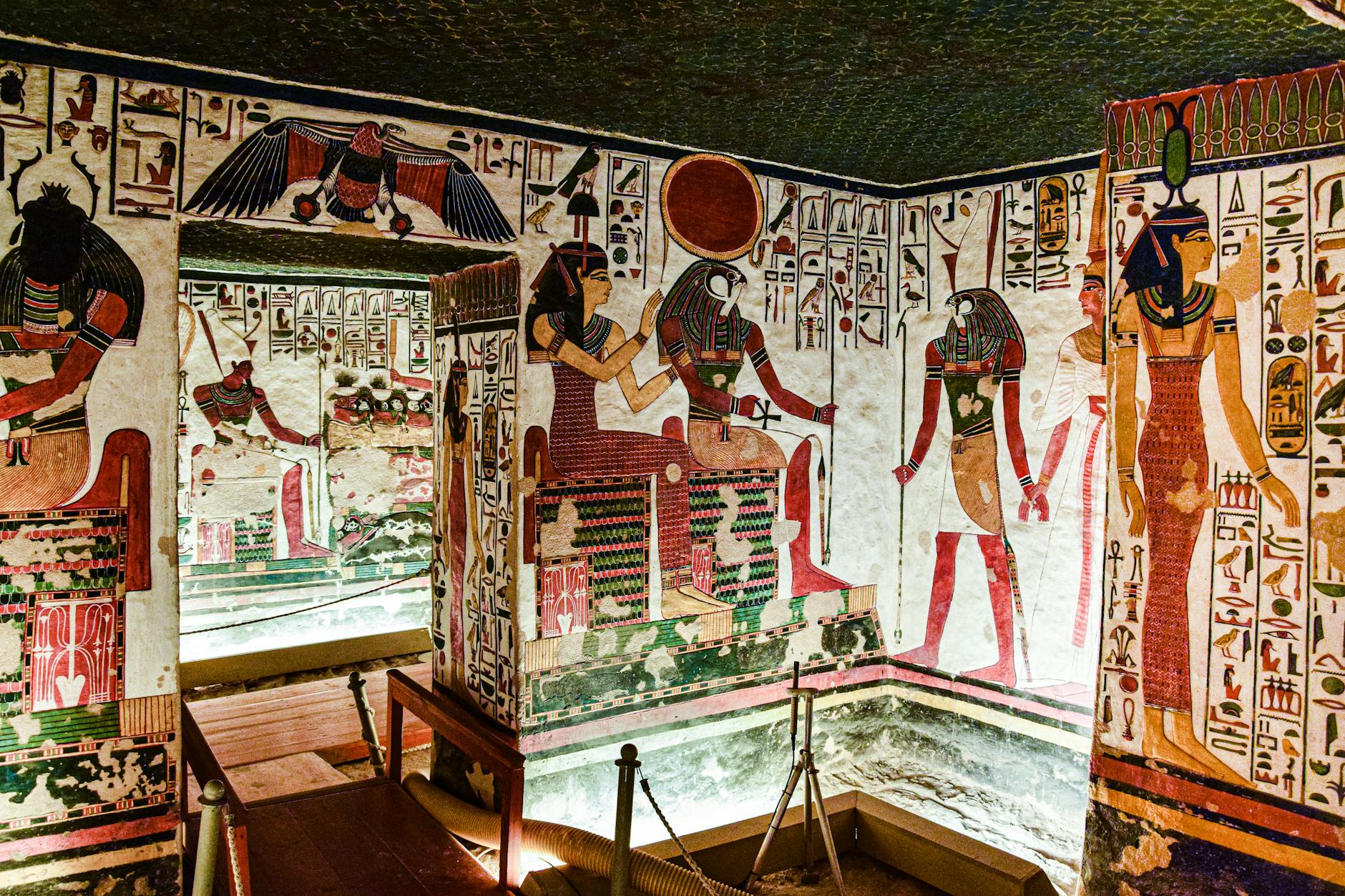
The small private tombs cut into the hillside above the village contain some of the most vivid funerary paintings in Egypt — more intimate and in many cases better preserved than the royal tombs across the ridge. The Tomb of Sennedem (TT1) is particularly extraordinary: its ceiling and walls are covered in brilliant agricultural scenes from the Field of Iaru (the Egyptian afterlife), the colours still electric after 3,300 years.
Because visitor numbers are a fraction of those at the Valley of the Kings, you can often stand alone inside these chambers and take in the paintings in complete silence — an experience that is increasingly rare anywhere in Luxor.

More of Al-Manshiyya
Discover where to stay, what to do and the best deals for your trip.
Explore Al-Manshiyya →