
Volcán Misti
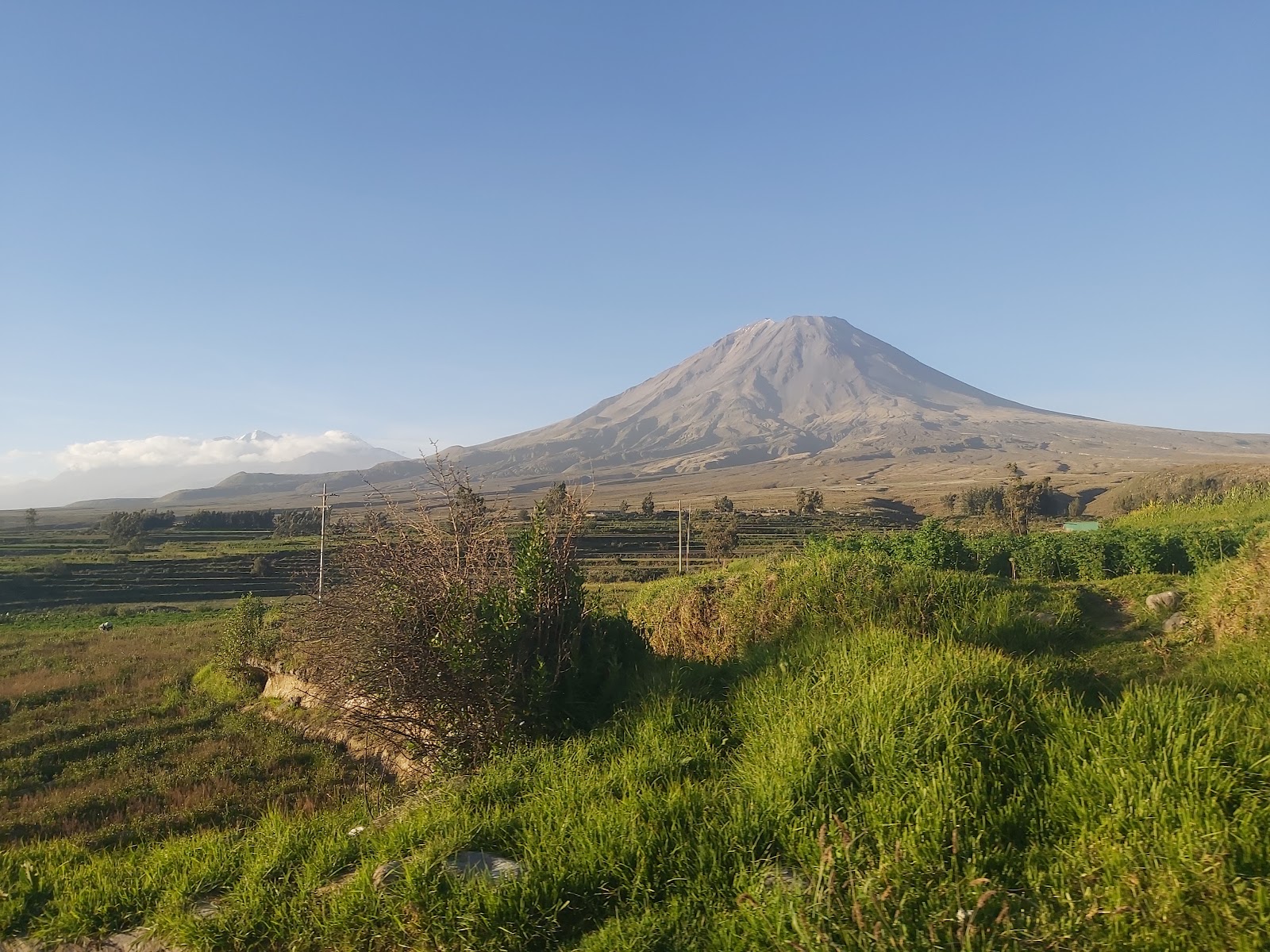
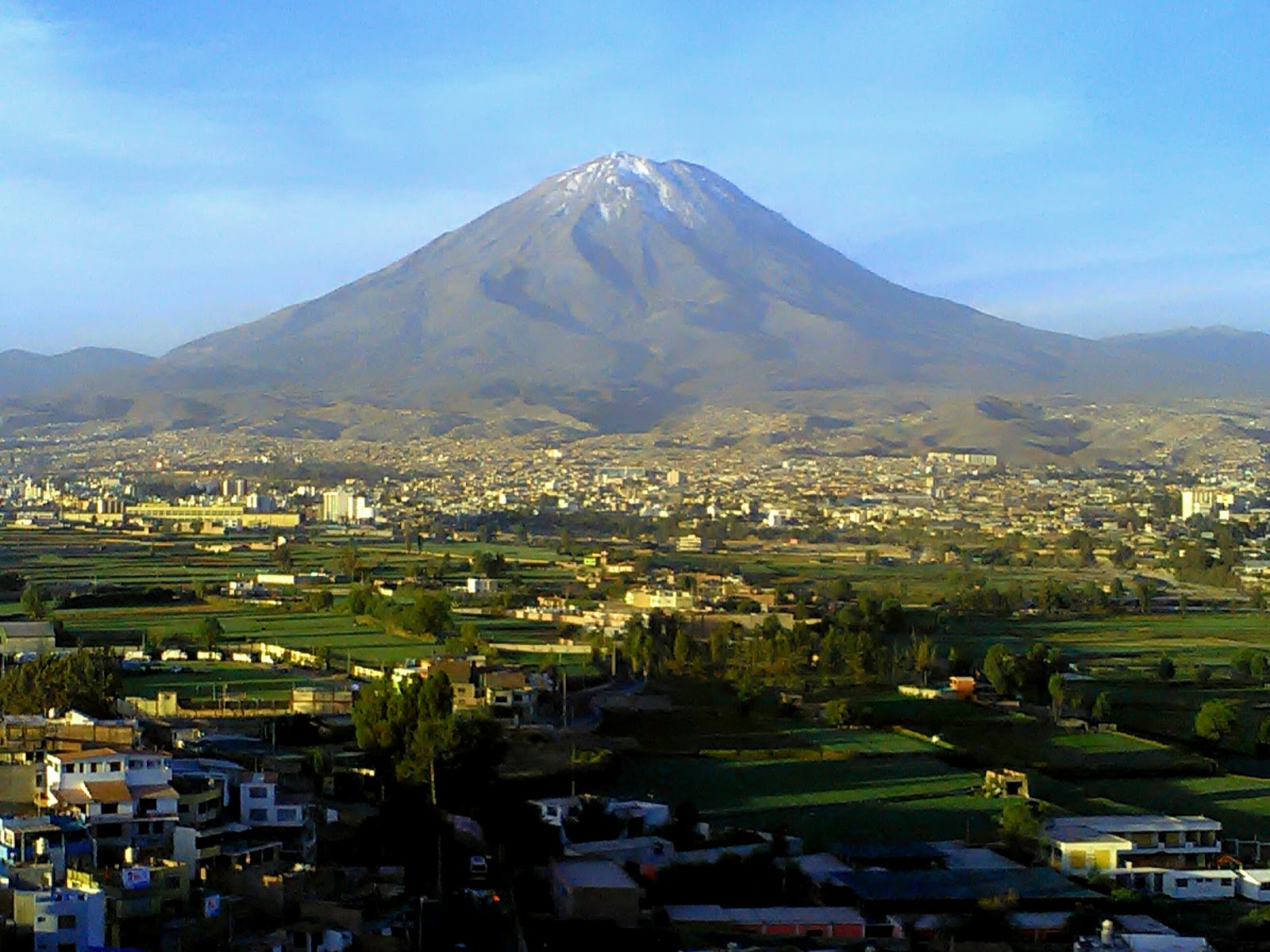
From the streets of Arequipa, Misti is simply there — a near-perfect cone rising 5,822 metres above the city, close enough that you can watch cloud shadows move across its flanks over breakfast. It has no permanent glacier anymore; the snowcap that defined old photographs of the city vanished sometime in the 1990s, and now only winter months bring a white dusting to the summit.
The crater at the top is a double structure: a wide outer bowl, 830 metres across, with a younger scoria cone growing inside it. Volcanic gases still vent from a lava dome at the centre. This is an active volcano, dormant but not finished.
💛 What travellers fall for
People who've done both routes consistently favour the Aguada Blanca approach from the northeast — the trailhead sits higher, the landscape opens up faster, and the camp at Monte Blanco (4,800 m) gives you a clear shot at the summit before the afternoon wind picks up. Skip the Pastores route entirely; robberies have made it genuinely unsafe in recent years.
The story behind Volcán Misti
Misti has been erupting for roughly 800,000 years, but one event stands out in the record: a prolonged eruption between 1440 and 1470 AD that deposited ash as far as Laguna Salinas and possibly Antarctica. When the local population fled, the Inca state intervened — Mama Ana Huarque Coya, wife of the emperor Pachacutec, came to the nearby town of Chiguata to manage the crisis, and the Inca subsequently resettled the area.
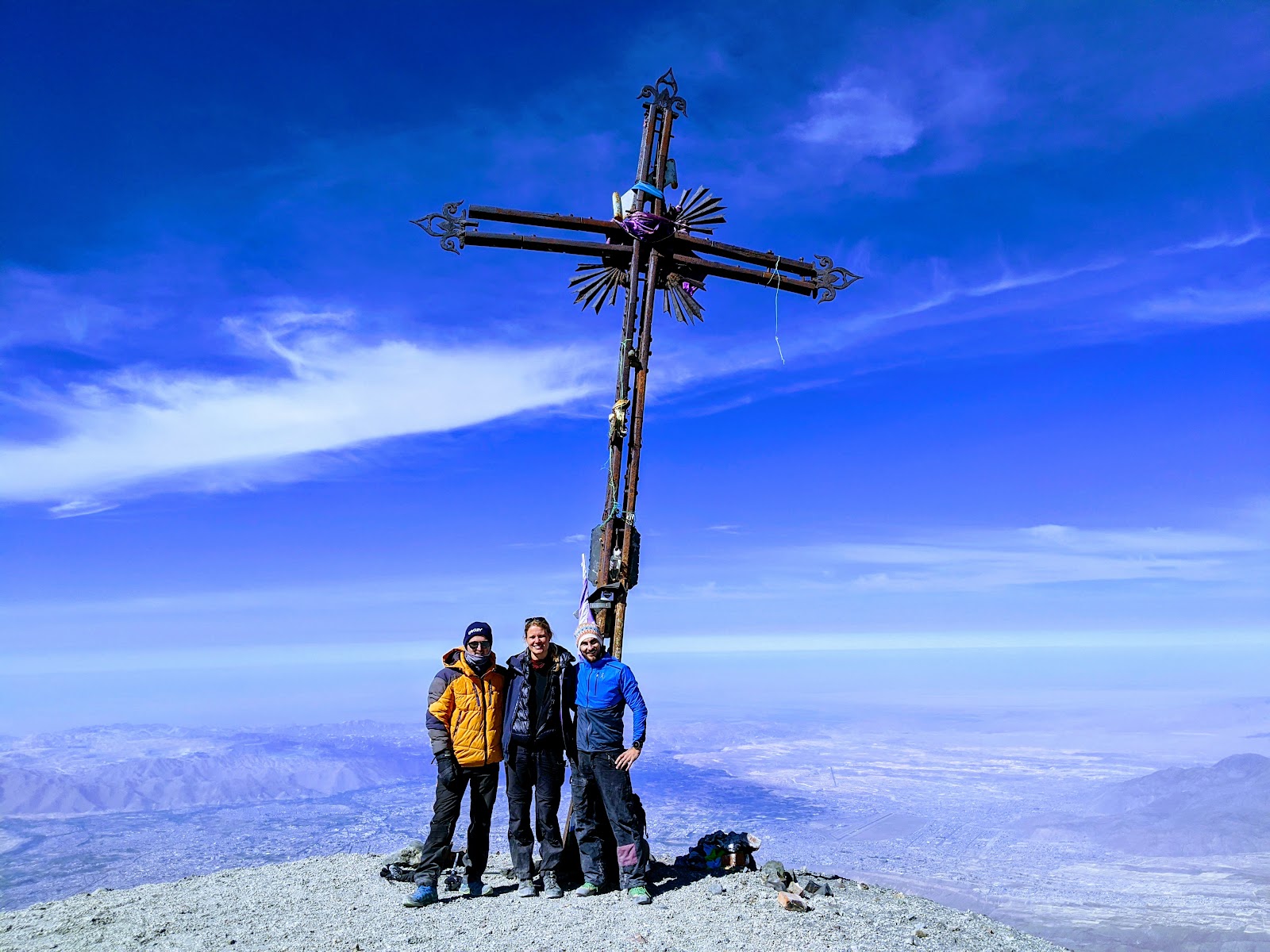
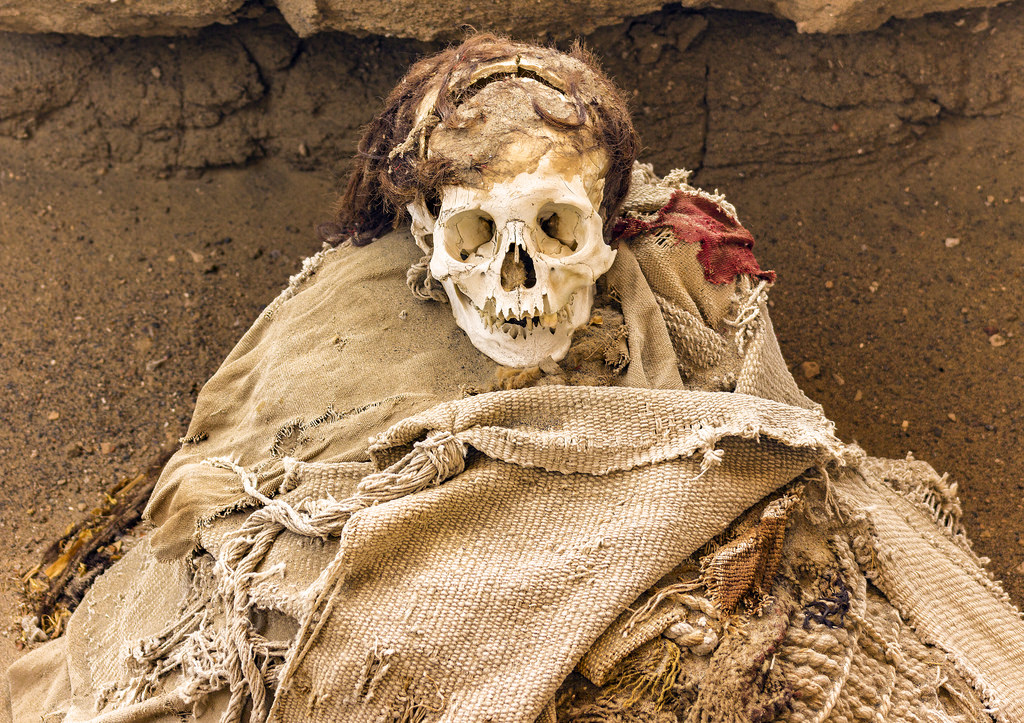
The mountain has drawn scientific attention since 1893, when Harvard professor Solon Irving Bailey installed what was then the world's highest weather station on its slopes. In 1900, an eight-metre iron cross was placed at the crater rim to mark the new century. Nearly a century later, in 1998, archaeologists José Antonio Chávez and Johan Reinhard discovered the remains of six children at the summit — sacrificed in an Inca capacocha ceremony. Those remains are now held at the Museo de Santuarios Andinos in Arequipa.
Good to know
Fly into Arequipa from Lima or Cusco. Most climbers go with a guided package — around $70–150 USD depending on group size — which covers transport, gear, tent, and a guide. Permits are required on the Aguada Blanca route. The standard itinerary is two days, one night. April through October gives the most reliable weather.
April through October is the driest and most reliable window, with May, June, and July considered the sweet spot. Expect summit night temperatures as low as -15°C and daytime highs around 5°C; wind gusts can reach 16 m/s at the rim. The rainy season runs November through March — the mountain can still be climbed, but conditions are considerably less predictable.
Where is Volcán Misti?
More tickets & tours for Volcán Misti
Book directly at the provider
What travellers say about Volcán Misti
Awesome hike, make sure to acclimate well beforehand
An incredibly magnificent and impressive volcano. But I sincerely advise that this mountain is not suitable for novice climbers. You should ideally have experience hiking at 5000 meters elevation, be familiar with volcanic terrain, and know proper hiking techniques. The mountain has two access points: north and south. The northern route requires special permits due to passing through a water source protection zone, but its trailhead and base camp are at higher elevations. Ensure proper altitude acclimatization before attempting the climb. We ascended via the northern route, opting for a light pack ascent from the trailhead (approximately 4200 m.a.s.l.) to avoid sleeping at the high-altitude base camp (4700 m.a.s.l.). The ascent took us 11 hours, while the descent took 2 hours. We are both experienced hikers and hired a guide for this trip. Although the northern route has a trail, it was not clearly defined for me, so hiring a guide is highly recommended.
Arequipa, known as the "White City" due to its many buildings made of white volcanic rock, is the second-most populous city in Peru and a UNESCO World Heritage site. And we couldn't recommend it more! The presence of Misti and the other nearby volcanoes adds to the city's scenic beauty. Misti is part of the Andes mountain range and is situated in the southern part of Peru, near the city of Arequipa. It is one of the three volcanoes that surround the city, along with Chachani and Pichu Pichu.
Challenging climb mainly because of the altitude (5850m). Being acclimatized to a high altitude is an absolute must and make sure you go with an experienced guide. The trek started at an elevation of about 3500m, then we set up the tents at 4500m after a 6-hour climb which was fairly easy. On the second day, things got quite a bit harder; another 6-hour trek to reach the crater. Needless to say that the high altitude kicked in, not to mention that it was a steep climb. Luckily, some parts of the volcano are sandy and perfect to make your way down quickly (2 hours).
Climb this mountain. It's a 19,000' volcano within reach of any reasonably fit hiker. We went with Waiky Tours and would highly recommend them.
More of Peru
Discover where to stay, what to do and the best deals for your trip.
Explore Peru →More attractions in Peru
All of Peru →
Background adapted from Wikipedia (CC BY-SA) · map data © OpenStreetMap contributors · ratings & place photos via Google · other photos with per-image credit. Ticket links may earn us a commission at no extra cost to you.