City

Vitoria-Gasteiz

Vitoria-Gasteiz
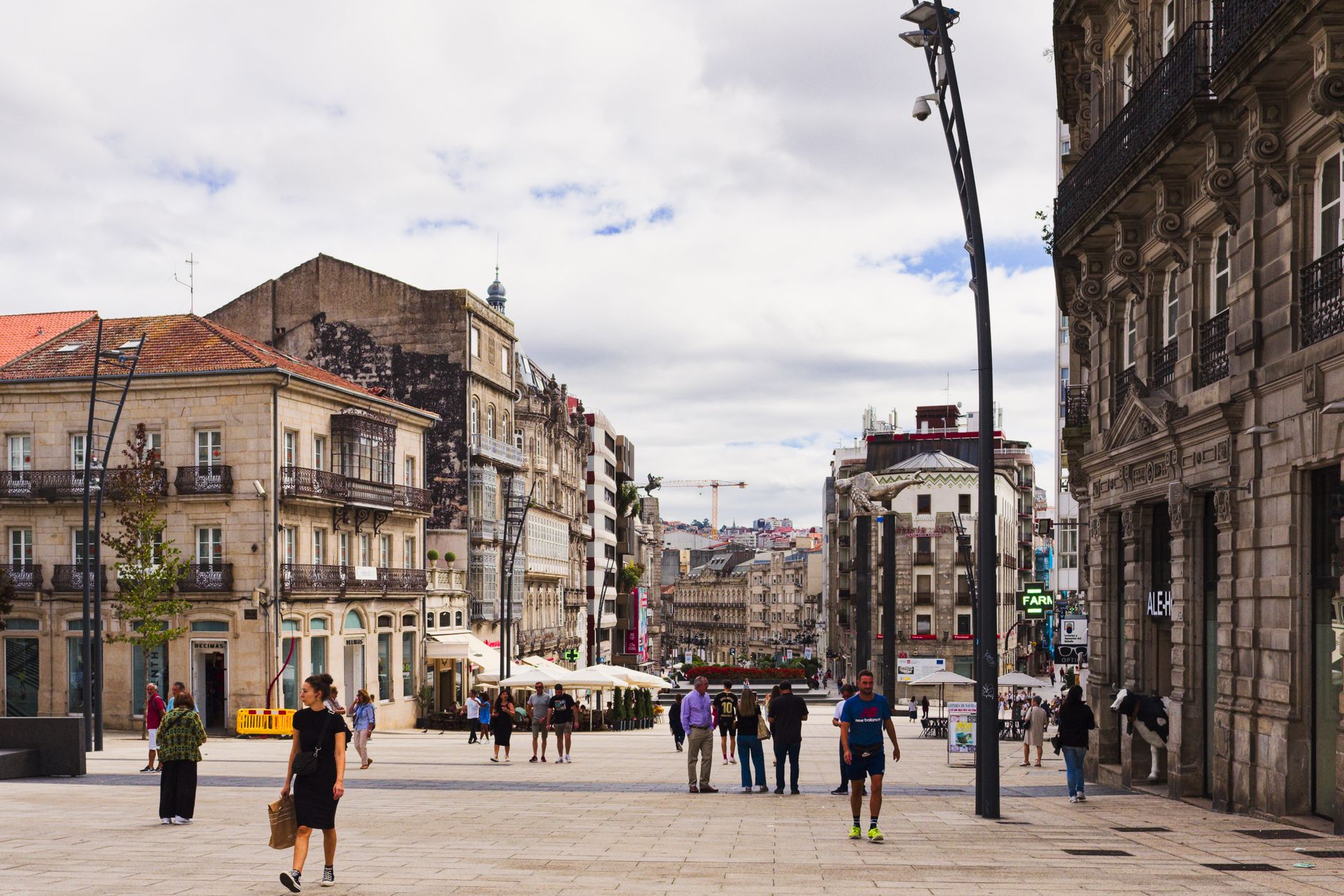
Photo by José Antonio Otegui Auzmendi on Pexels
Vitoria-Gasteiz
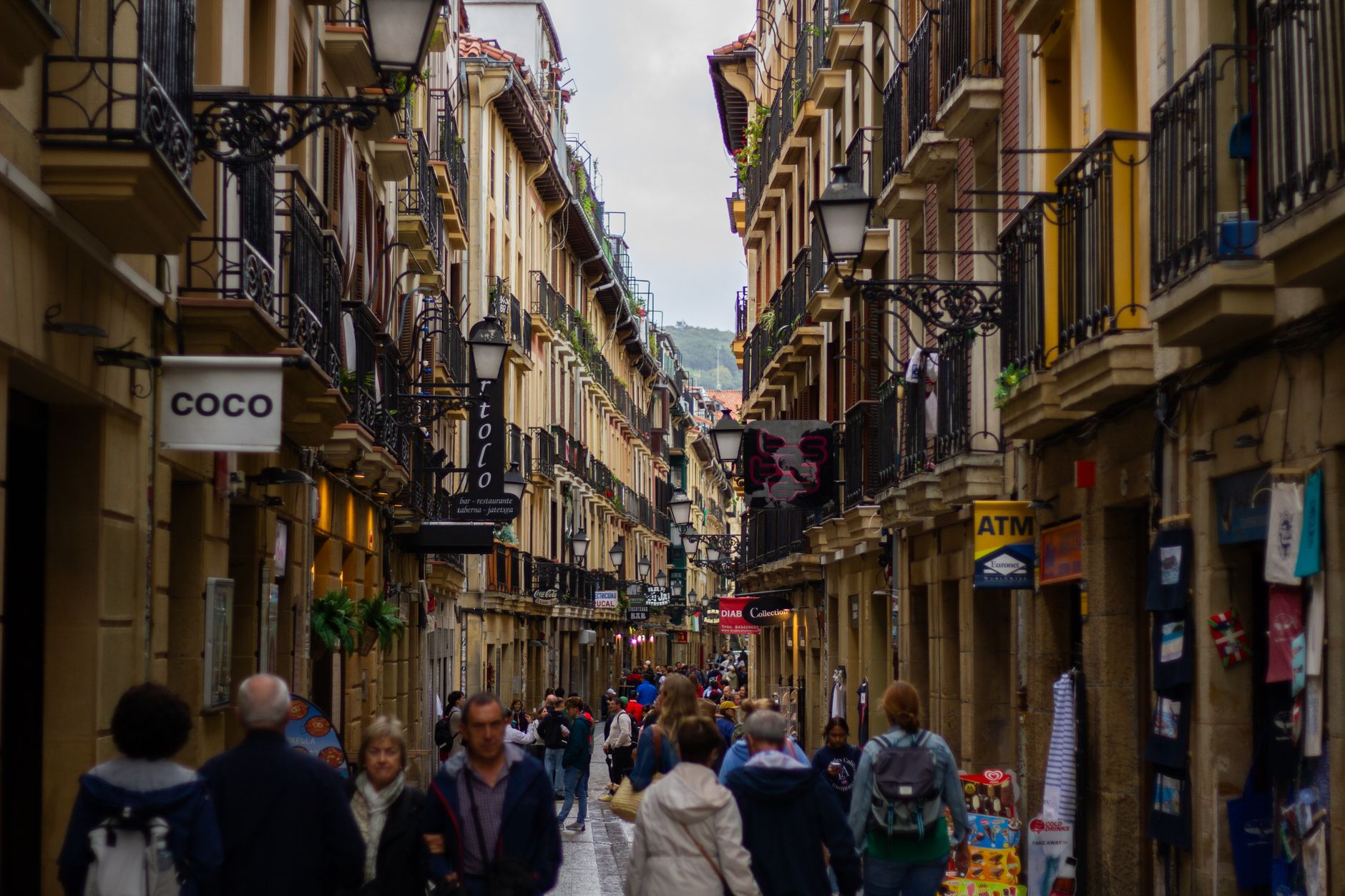
Photo by David Vives on Pexels
Vitoria-Gasteiz
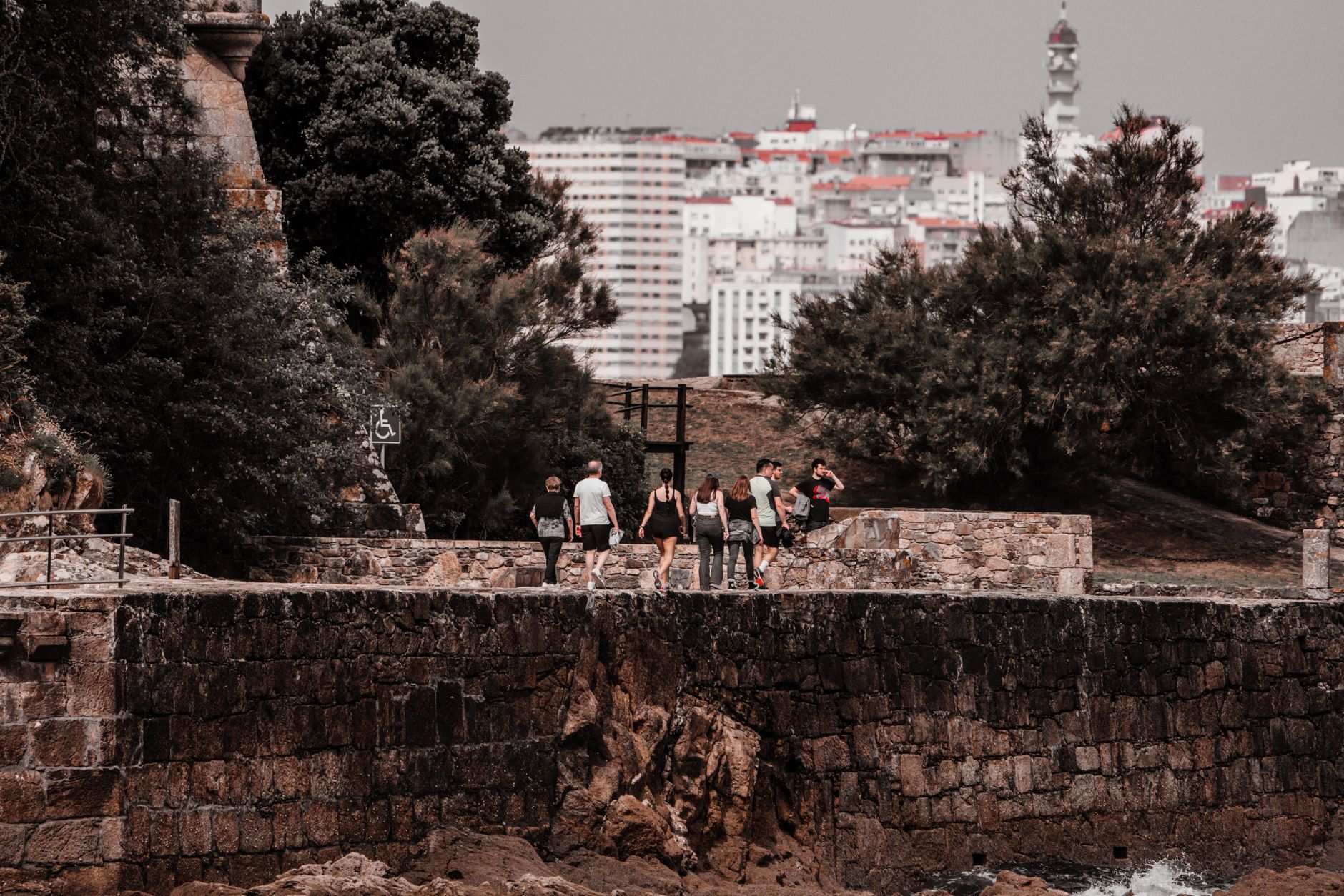
Photo by Tanhauser Vázquez R. on Pexels
Vitoria-Gasteiz
Photo by Eric Prouzet on Pexels
Vitoria-Gasteiz
Photo by Jona Scheuber on Pexels
Vitoria-Gasteiz
Photo by Tanhauser Vázquez R. on Pexels
City break Culture & history

Vitoria-Gasteiz sits on a low hill in the middle of the Basque plain, and its medieval core still follows the original almond shape laid out in 1181 — narrow streets radiating down from the Gothic cathedral like ribs from a spine. It is the capital of the Basque Autonomous Community, which means there is real political weight here alongside the old stone, but the city wears it quietly.

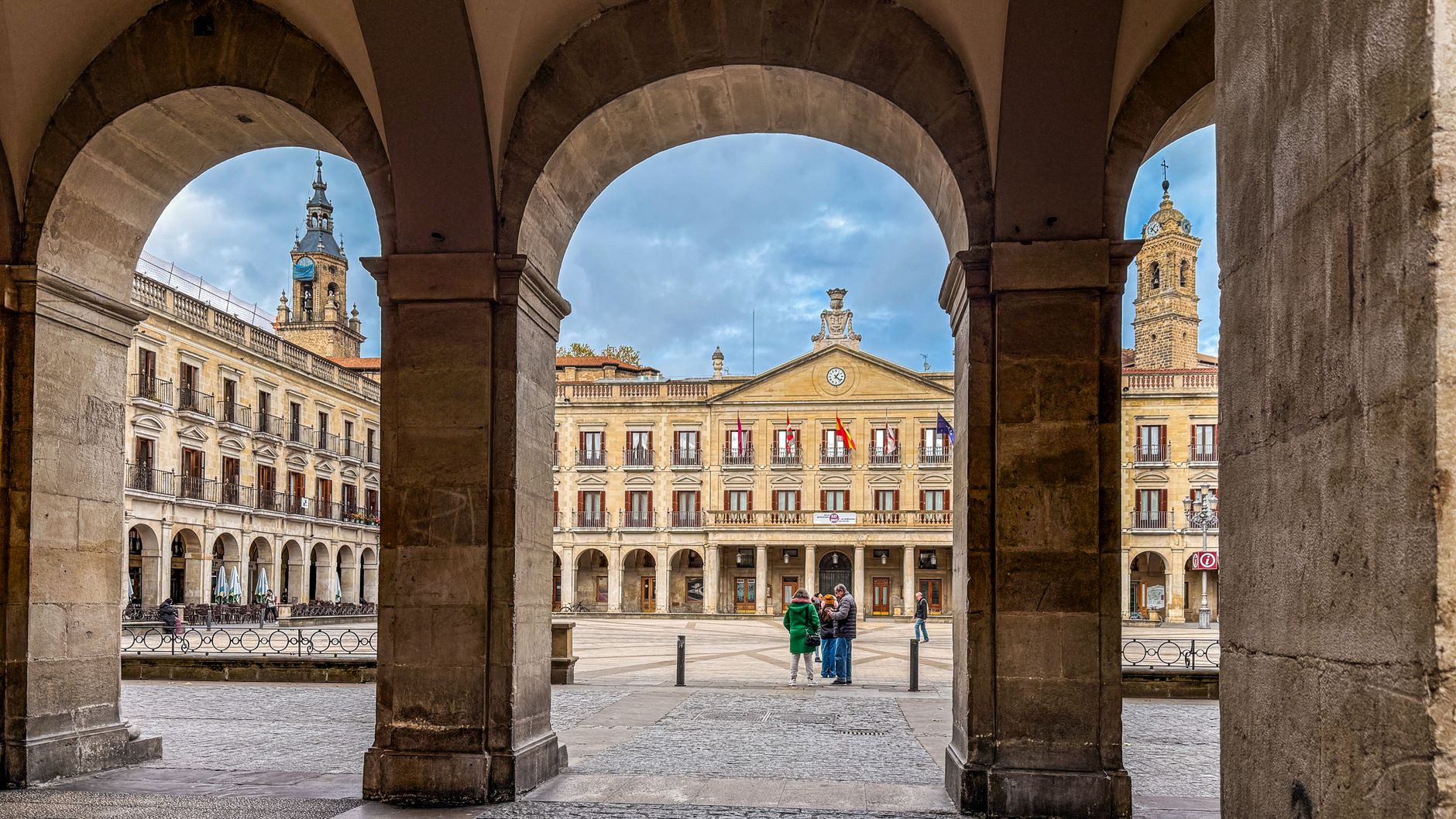
People come expecting a stopover and stay longer than planned. The Plaza de España's colonnaded arcades draw you in for coffee; the old cathedral, still mid-restoration after decades of work, runs guided tours through its exposed Gothic bones; and a square designed by Eduardo Chillida holds a fronton and bleachers for rural sports, which tells you something about what this city values.

💛 What travellers fall for

People who come back tend to mention the Arms Museum and its reconstruction of the 1813 Battle of Vitoria — more gripping than it sounds — and the Fournier Museum of Playing Cards, which somehow earns an hour of anyone's time. The medieval quarter rewards slow walking after dinner, when the day-trippers are gone.

Good to know
Vitoria-Gasteiz has a train station with direct connections to Bilbao and Madrid. Spring and early autumn are the most comfortable seasons for walking the old town. The new cathedral, inaugurated in 1969 but technically unfinished, is worth a glance from outside but not a special trip inside.
Tips

Experiences you don't want to miss

All tips →

Deals in Vitoria-Gasteiz

Book directly at the provider
The story

How Vitoria-Gasteiz came to be

The hill had been a Basque settlement called Gasteiz long before anyone formally founded a town on it. In 1181, Sancho VI of Navarre — known as Sancho the Wise — established Nova Victoria here as a defensive outpost, giving the city the almond-shaped fortified layout its old quarter still follows. Eighteen years later, after a nine-month siege, Alfonso VIII of Castile took the town and absorbed it into his kingdom.

The next major rupture came on 21 June 1813, when Wellington's allied army broke Napoleon's forces at the Battle of Vitoria along the river Zadorra — a turning point in the Peninsular War. Then, in 1980, the Basque Parliament voted to make Vitoria-Gasteiz the seat of the newly formed Basque Autonomous Community, returning the city to the centre of Basque political life after centuries on the edges of larger kingdoms.

People & landmarks

Who and what shaped it

People who shaped it

Sancho VI the Wise
King of Navarre who founded Nova Victoria in 1181 on the site of Gasteiz, establishing the city's almond-shaped medieval layout.
Manuel Iradier
Explorer and geographer born in Vitoria (1854–1911); mapped Equatorial Guinea and collected ethnographic data.
Justo Antonio de Olaguíbe
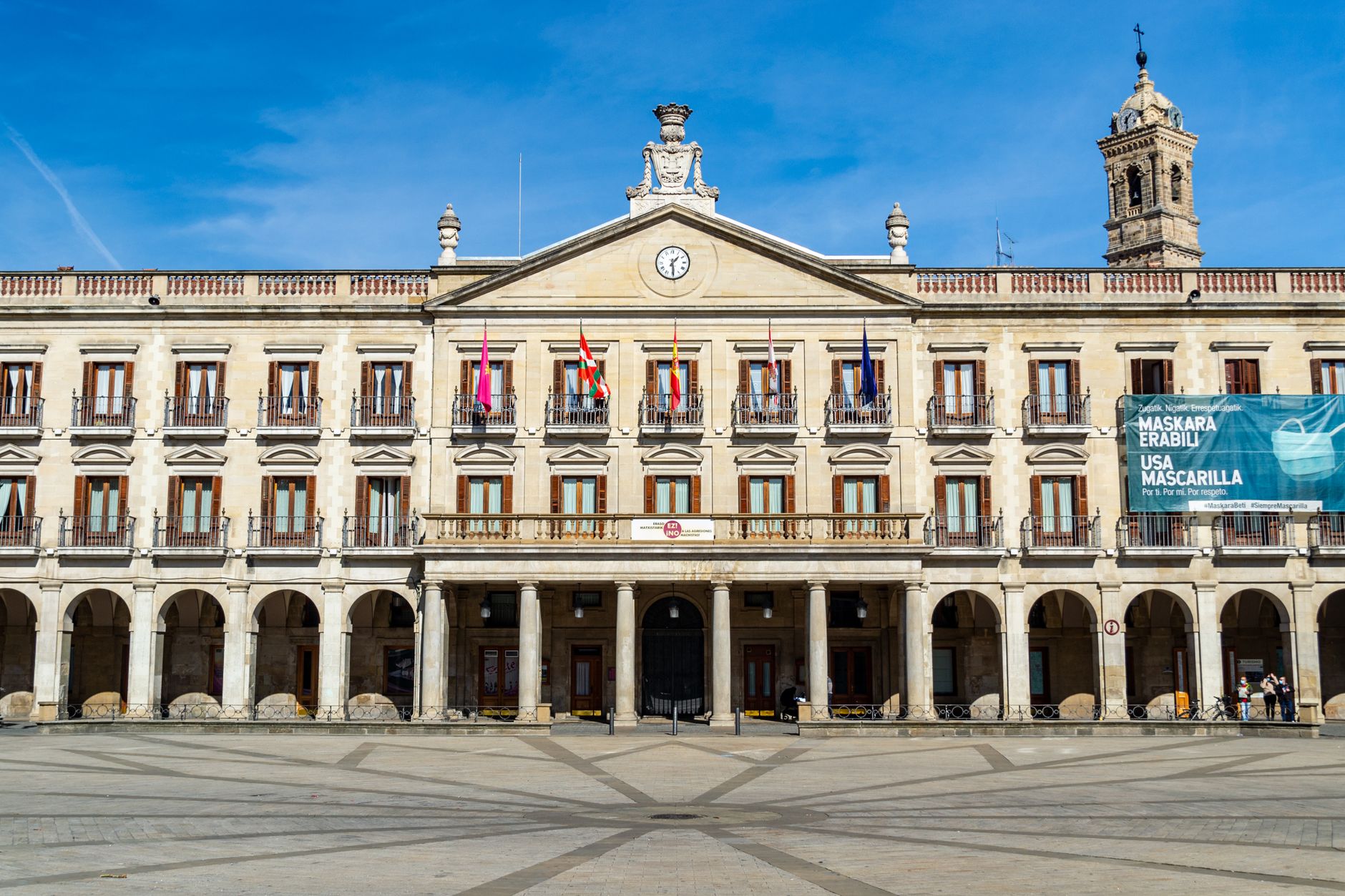
Vitoria-born architect who designed the neoclassical City Hall at Plaza España.

Landmark buildings

Cathedral of Santa María
Gothic structure begun in 13th century; closed to public since 1994 for ongoing restoration; offers guided tours of its exposed Gothic structure.
Medieval Quarter (Casco Viejo)
Almond-shaped old town retaining its 1181 layout with defensive walls built 1050–1100; narrow streets radiate from the cathedral.
Plaza de España
Large colonnaded square designed in 1781 with arches; central gathering space in the city.
Plaza de los Fueros
Square designed by sculptor Eduardo Chillida and architect Peña Ganchegui; includes a fronton and space for rural sports.
Bendaña Palace
Renaissance palace housing the Fournier Museum of Playing Cards with over 6,000 cards on display.
Ajuria Enea
Seat of the President of the Basque Government since 1980; built in 1918 as a private residence, exemplifying Basque architecture of the period.
Cathedral of Mary Immaculate
New cathedral begun in 1904 and inaugurated in 1969; built due to poor condition of the old cathedral.
Church of San Vicente Mártir
Late Gothic church from the 15th and 16th centuries.
Basilica of San Prudencio
Originally constructed in the 12th century; rebuilt in the 18th century.
Museum of Fine Arts
Housed in a Renaissance mansion; displays 14th-century carvings, Flemish triptychs, and works by Spanish masters including Jusepe de Ribera.
Arms Museum of Álava
Houses weapons from prehistoric axes to 20th-century handguns; includes medieval weaponry and a reconstruction of the Battle of Vitoria.
Museum of Archaeology
Located in a 16th-century timber-lattice house; exhibits dolmens, Roman sculptures, and medieval pieces from Álava.
Watch

See Vitoria-Gasteiz in motion

Practical

Plan your visit

On the map

When to go

The city sits inland and at elevation, which means cooler summers than the Basque coast and genuinely cold winters with occasional snow. April through June and September through October offer mild temperatures and the best light for the old town's stone streets.

Right now

24°C
Partly cloudy
Mon
24°
14°
Tue
27°
15°
Wed
32°
15°
Thu
36°
16°
Weather data: Open-Meteo

Background & history adapted from Wikipedia (CC BY-SA) · specs from Wikidata (CC0) · weather from Open-Meteo · map data © OpenStreetMap contributors · photos from Wikimedia Commons / Unsplash with per-image credit. No third-party reviews or social posts reproduced.

Top