
Trastevere
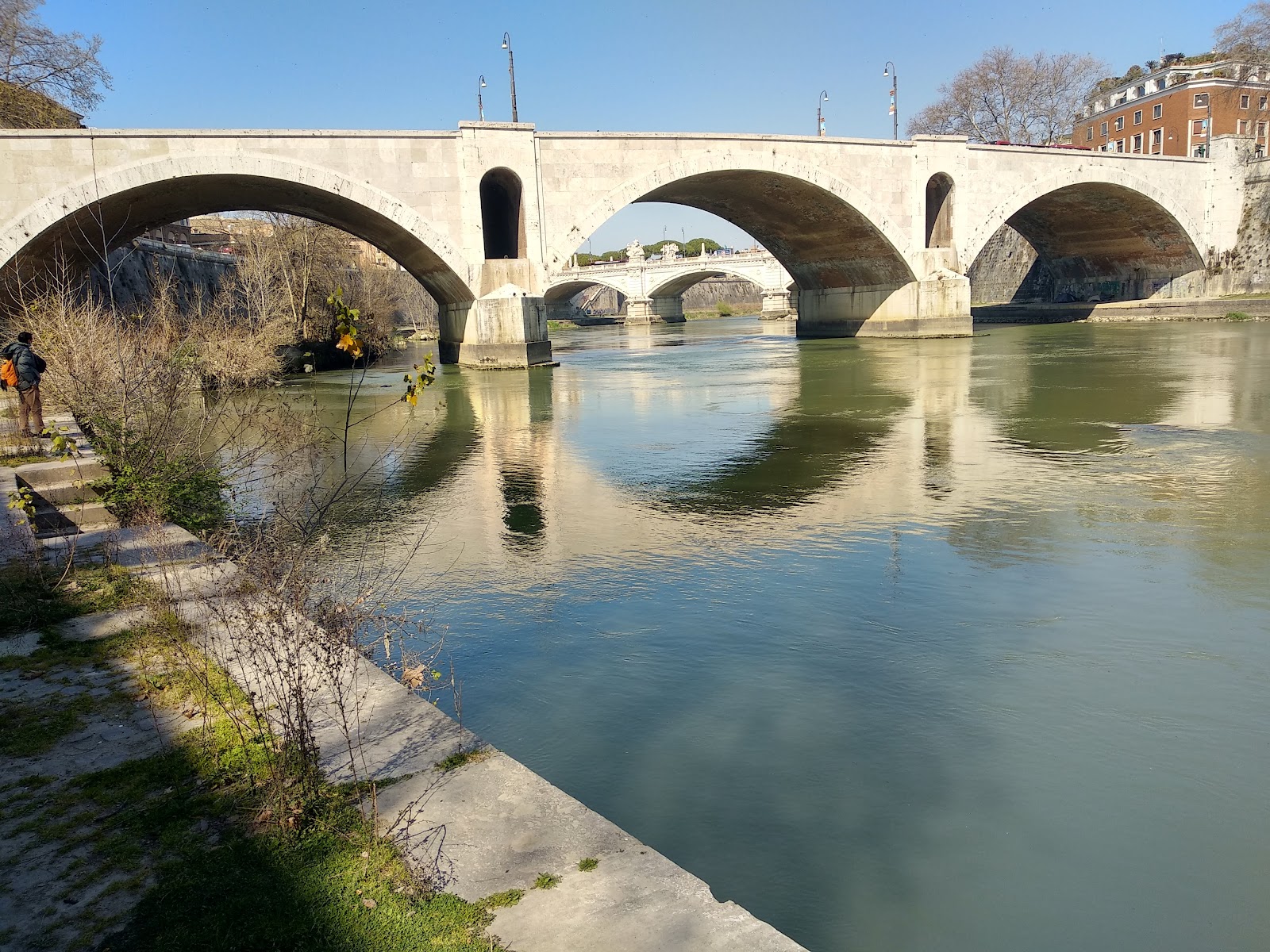
The name says it plainly: *trans Tiberim*, across the Tiber. Trastevere sits on the river's right bank, and that small geographical fact has shaped its character for two and a half millennia — sailors, Jewish and Syrian merchants, fishermen, and later the city's working poor all landed here because the rest of Rome felt far away.
Today the medieval street grid survives largely intact, which means Via della Lungaretta still bends the way it did in the twelfth century, and the golden mosaics on Santa Maria in Trastevere still catch the late-afternoon light above Carlo Fontana's fountain in the piazza below.
💛 What travellers fall for
People who come back tend to agree on a few specifics: arrive at Santa Cecilia in Trastevere early enough to catch Pietro Cavallini's frescoes before the morning crowds, then walk north on Via della Lungara to Villa Farnesina — Raphael's loggia there rewards a slow look. Save Porta Portese for a Sunday, and arrive before nine.
The story behind Trastevere
Settlers were here before Rome itself had a name for the place. By the early Republic, the Etruscan bank — *Ripa Etrusca* — was already home to fishermen and immigrants; Augustus eventually formalized it as Regio XIV. Julius Caesar kept gardens here, the *Horti Caesaris*, and Aurelian enclosed the district within his defensive walls in the 270s AD.
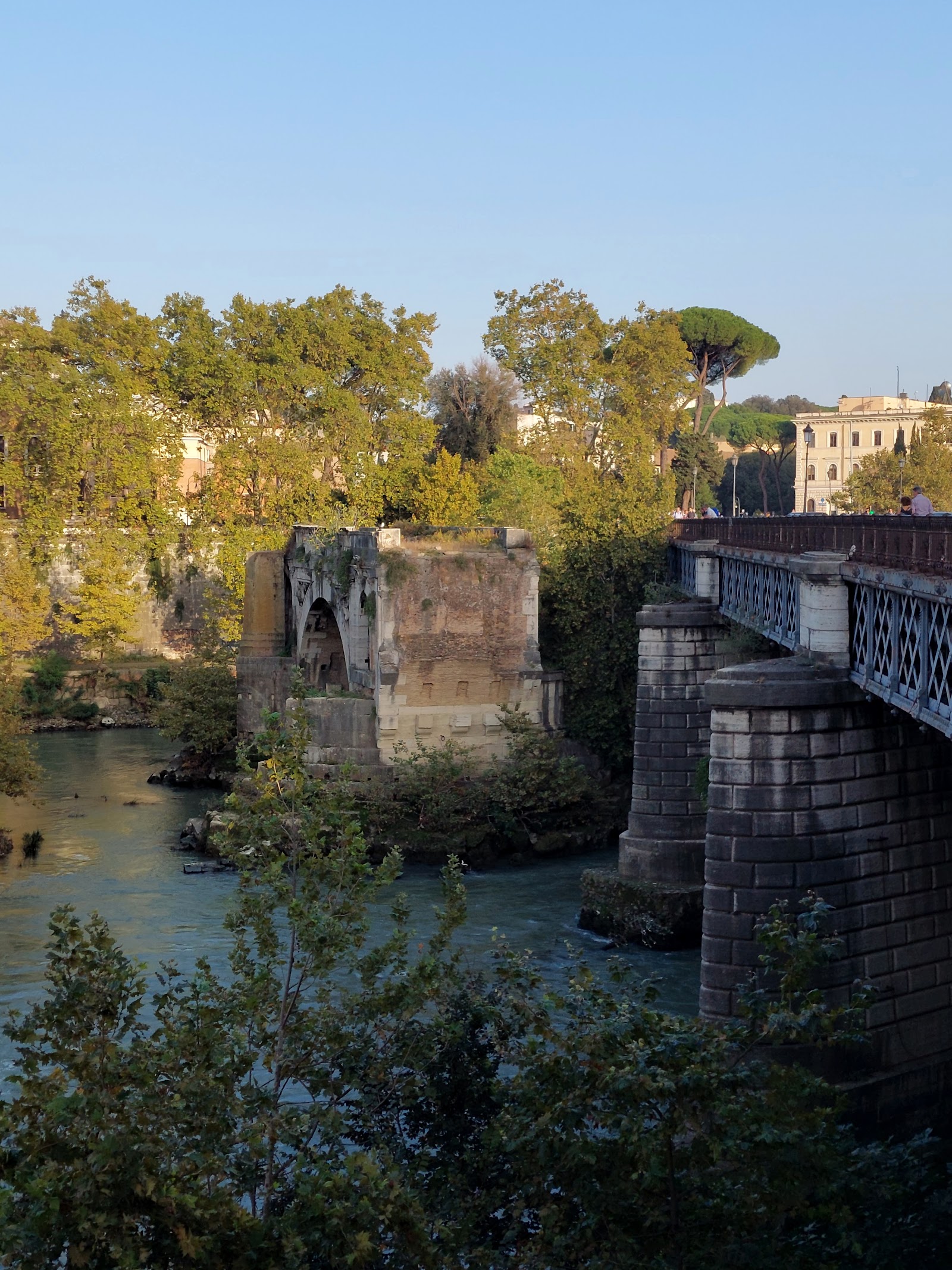
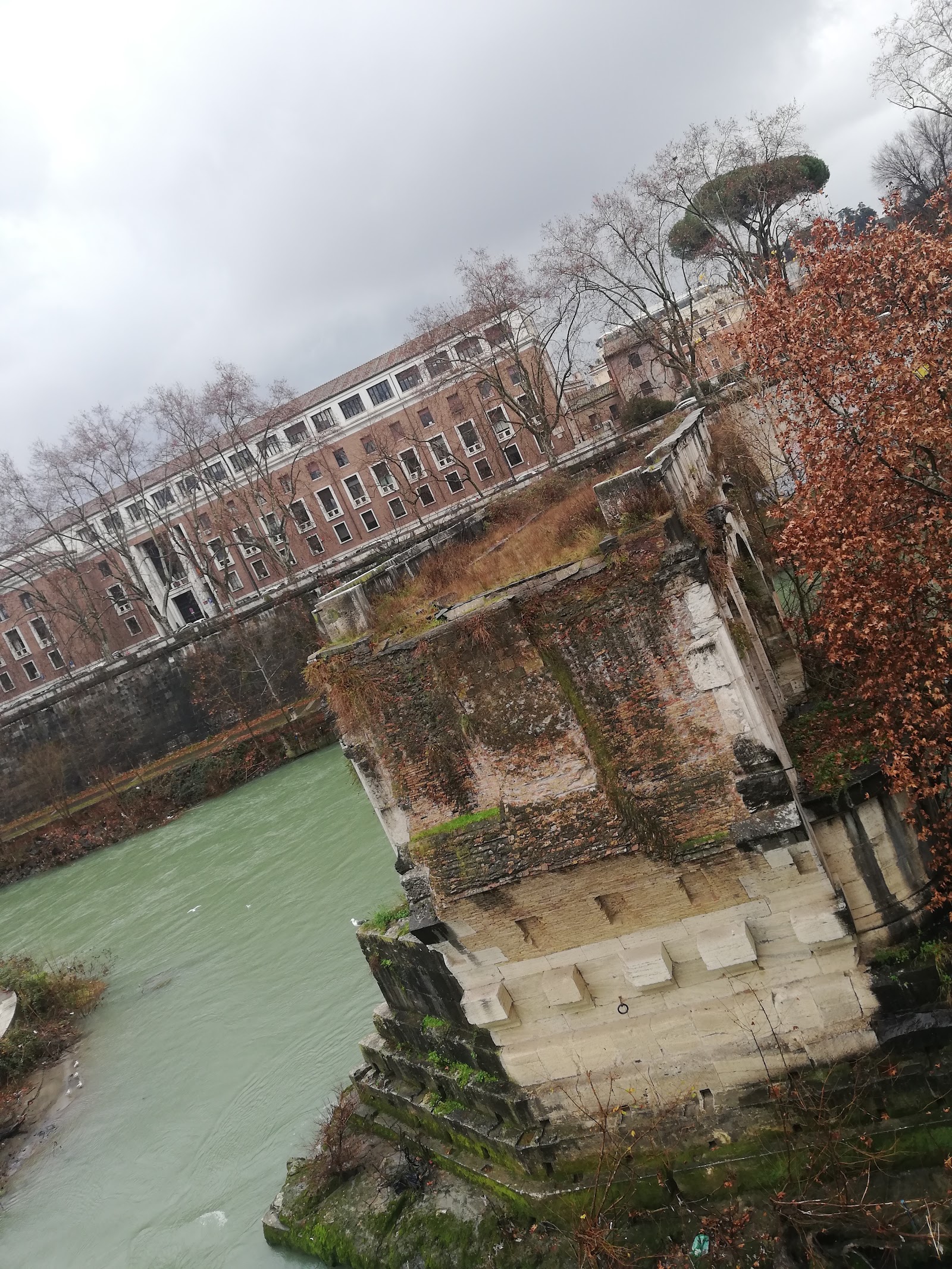
The Goths' destruction of the river bridges in the fifth century effectively cut Trastevere off from the main city for centuries, reinforcing a separateness that locals still invoke. Pope Innocent II rebuilt Santa Maria in Trastevere in the twelfth century after a bruising power struggle with rival Pietro Pierleoni. In 1743, Pope Benedict XIV made the neighbourhood's status official: the XIII district of Rome, confirmed by papal chirograph.
Good to know
Tram 8 from Piazza Venezia drops you into the heart of the neighbourhood — there is no metro stop. Evenings draw large crowds around Piazza di Santa Maria in Trastevere; if you want the piazza quieter, come mid-morning. Santa Maria is free and open until 9 pm.
Spring (April–May) and autumn (September–October) are the most comfortable seasons to walk the neighbourhood's cobbled streets. Summer evenings are warm and lively around the piazza, but July and August afternoons can be oppressively hot; the narrow lanes offer little shade.
Where is Trastevere?
Location
- In Rome
- 41.8896, 12.4697
- Open in Google Maps
More tickets & tours for Trastevere
Book directly at the provider
More of Rome
Discover where to stay, what to do and the best deals for your trip.
Explore Rome →More attractions in Rome
All of Rome →
Background adapted from Wikipedia (CC BY-SA) · map data © OpenStreetMap contributors · ratings & place photos via Google · other photos with per-image credit. Ticket links may earn us a commission at no extra cost to you.