
The Knysna Heads
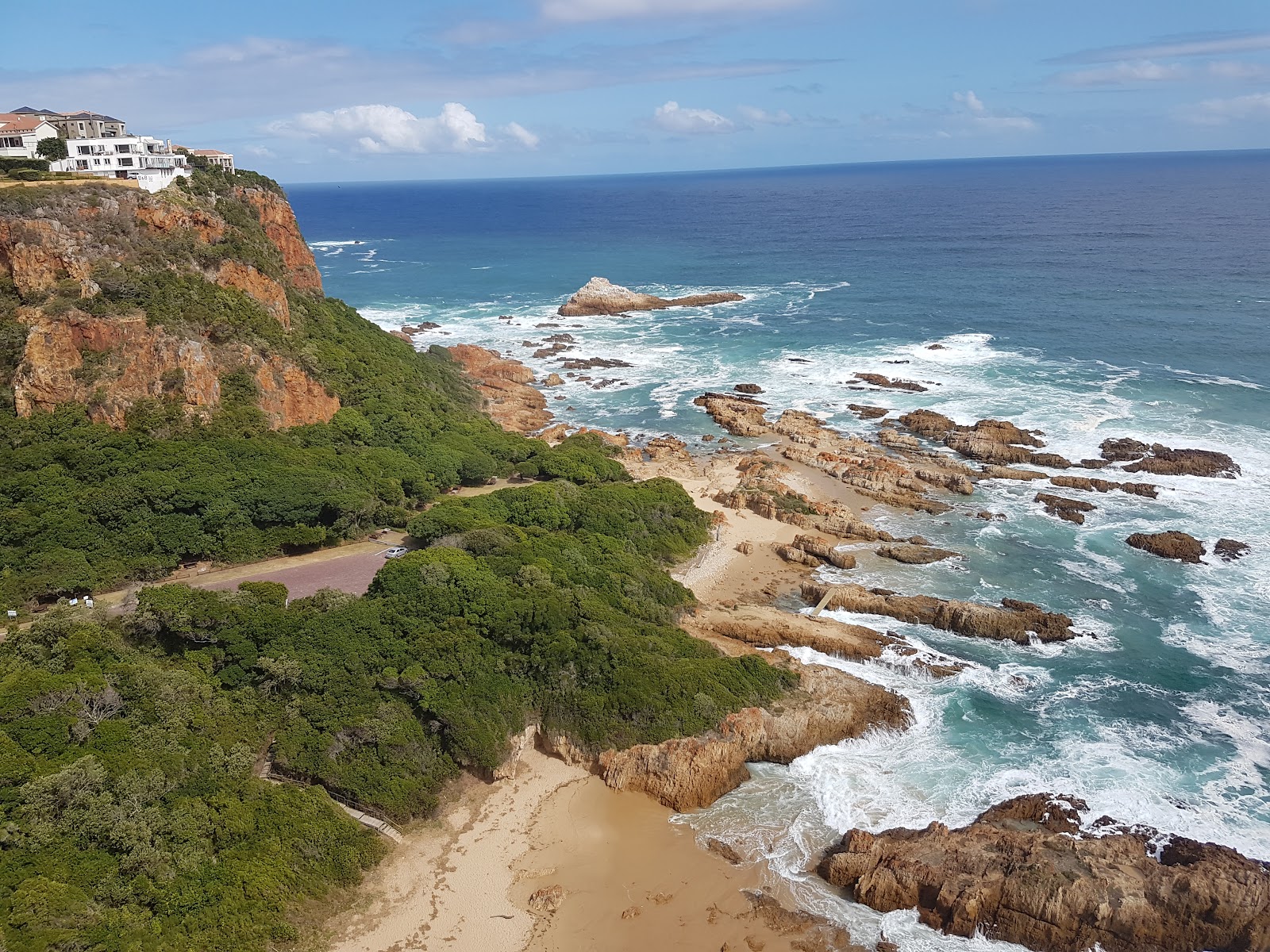
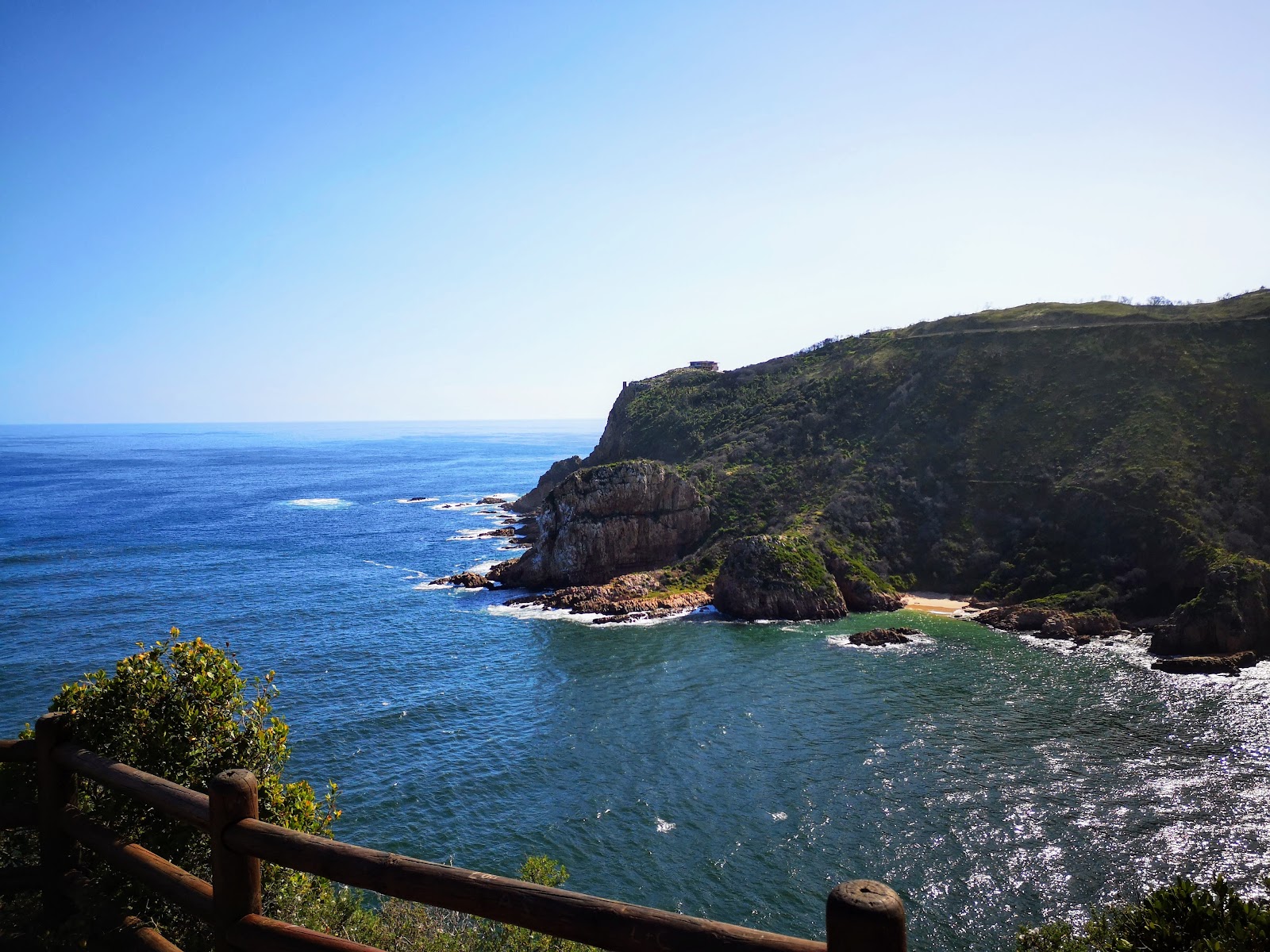
Two sandstone cliffs face each other across roughly 90 metres of deep water, and between them the entire Knysna Lagoon drains into the Indian Ocean. Stand at the East Head Viewpoint and you can see the problem mariners have always faced: the channel looks navigable until the moment it isn't, with submerged rock shelves on both sides waiting just beneath the surface.
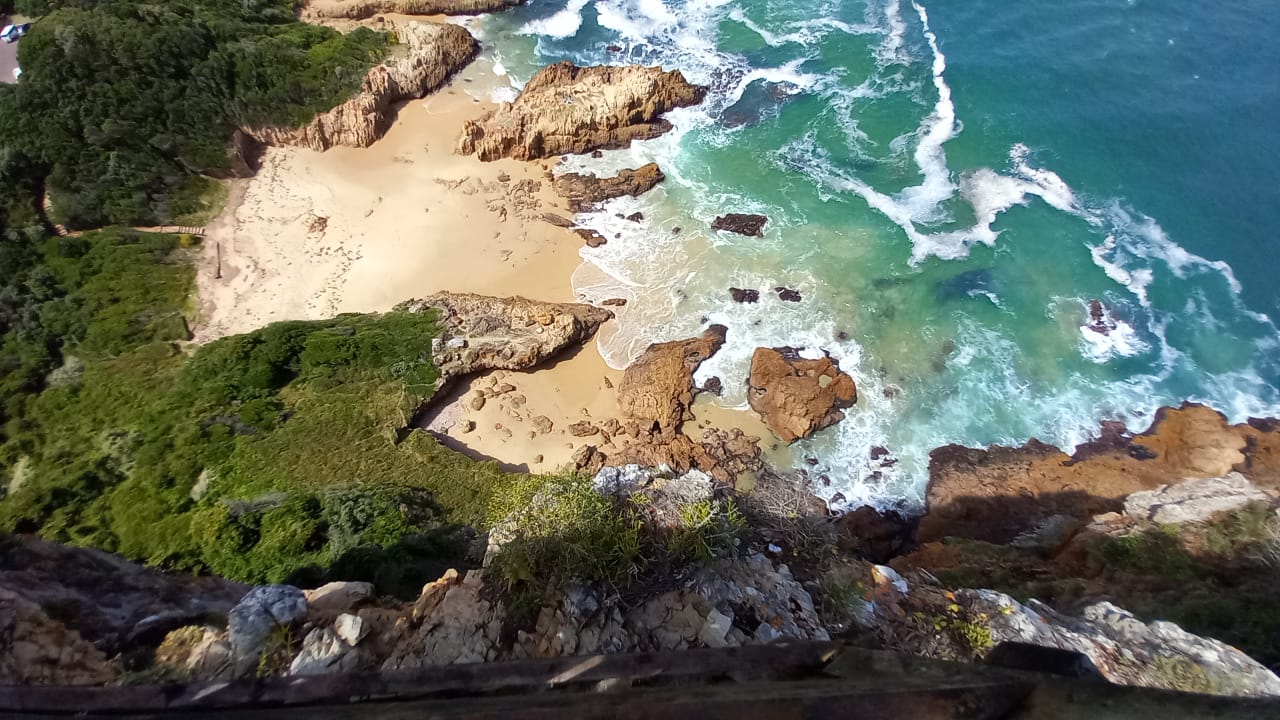
The Eastern Head is the one you can drive to — past fynbos scrub and the Pezula golf course, down Coney Glen Road to a small beach with rock pools and water the colour of a swimming pool. The Western Head, with its arch-shaped cliff and protected Featherbed Nature Reserve, requires a ferry and a half-day commitment.
💛 What travellers fall for
People who come back tend to time it around the tides. The light at Fountain Point — where the wreck of the Paquita lies in front of the White Beacon — changes completely in the last hour before high water, when the channel runs fast and the rocks just beneath the surface become visible. The East Head Cafe is the obvious stop after.
The story behind The Knysna Heads
The cliffs themselves are Peninsula Formation quartzite, shaped when the Knysna River cut through a hard ridge over millions of years following the break-up of Gondwana. Long before any of that mattered to sailors, people were here: a stone tool workshop uncovered on the Western Head after the 2017 fires dates to around 300,000 years ago, and a stratified cave deposit on the Eastern Head shows continuous human occupation from at least 45,000 years ago.
George Rex arrived in 1803 and spent years lobbying the Cape government to recognise the harbour's potential. The first ship sent to survey the estuary in 1817, the Emu, ran aground in the channel. HMS Podargus made it through safely, and Knysna was declared an official port in 1818. The Benn family — John, Reuben, and Conning — served as pilots and harbourmasters across that era, learning the channel's moods until the harbour closed in 1954.
Good to know
The Eastern Head viewpoint is free and open any time, though daylight is essential. To reach the Western Head, book the Featherbed Nature Reserve eco tour — it runs about four hours. George Airport is 62 km away. Budget one to two hours for the East Head alone; the full Featherbed experience needs a half-day.
Summer days (December to February) sit between 20°C and 25°C, sometimes pushing to 30°C, but the Garden Route is known for weather that changes without much warning — a rain jacket is worth having even in January. Winter brings cooler, drier days in the 10°C–18°C range; June is the driest month, and the light on the sandstone cliffs in winter can be striking.
Where is The Knysna Heads?
Location
- In Knysna
- -34.0768, 23.0623
- Open in Google Maps
More tickets & tours for The Knysna Heads
Book directly at the provider
More of Knysna
Discover where to stay, what to do and the best deals for your trip.
Explore Knysna →More attractions in Knysna
All of Knysna →
Background adapted from Wikipedia (CC BY-SA) · map data © OpenStreetMap contributors · ratings & place photos via Google · other photos with per-image credit. Ticket links may earn us a commission at no extra cost to you.