
Knysna Lagoon
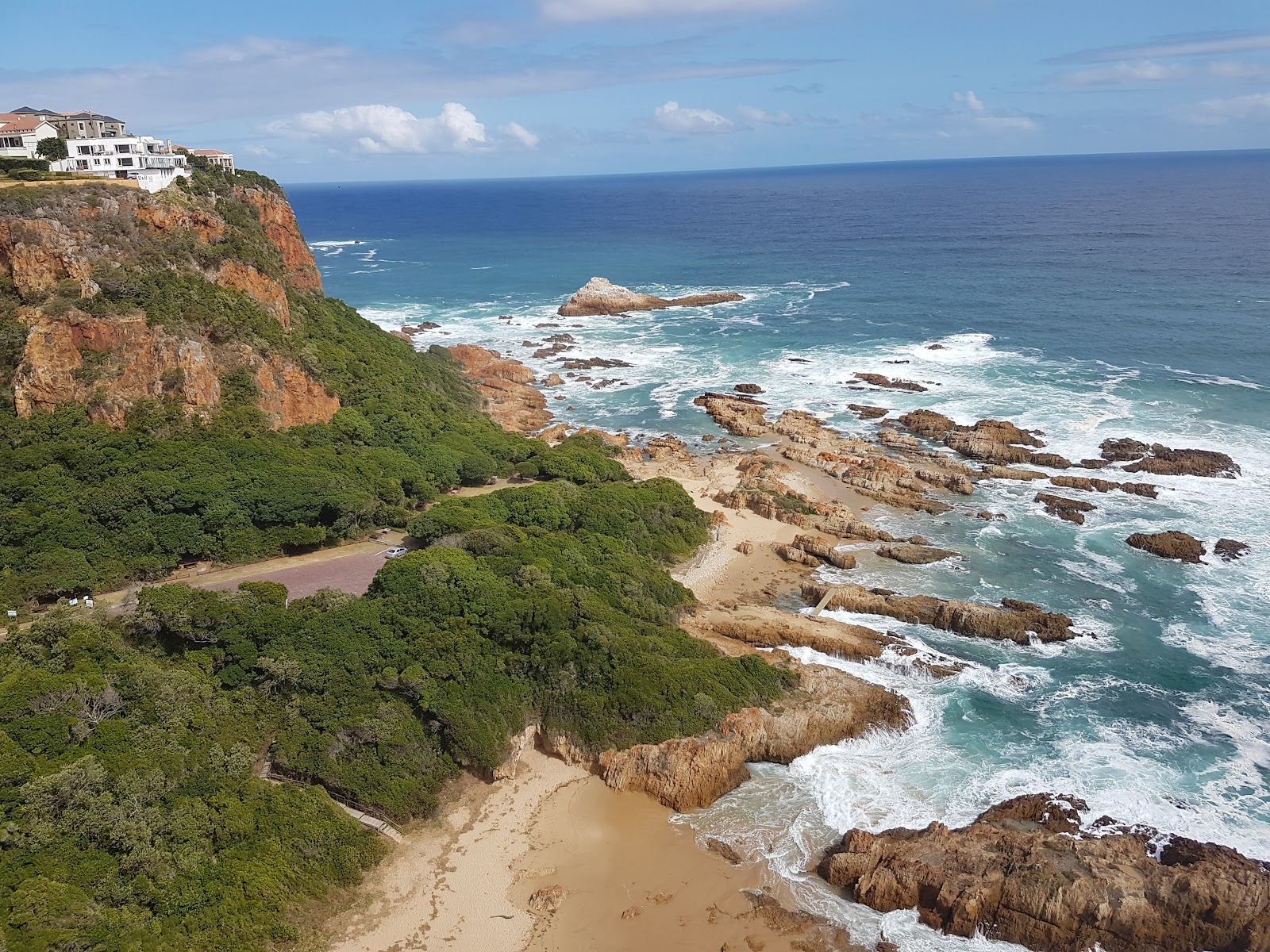
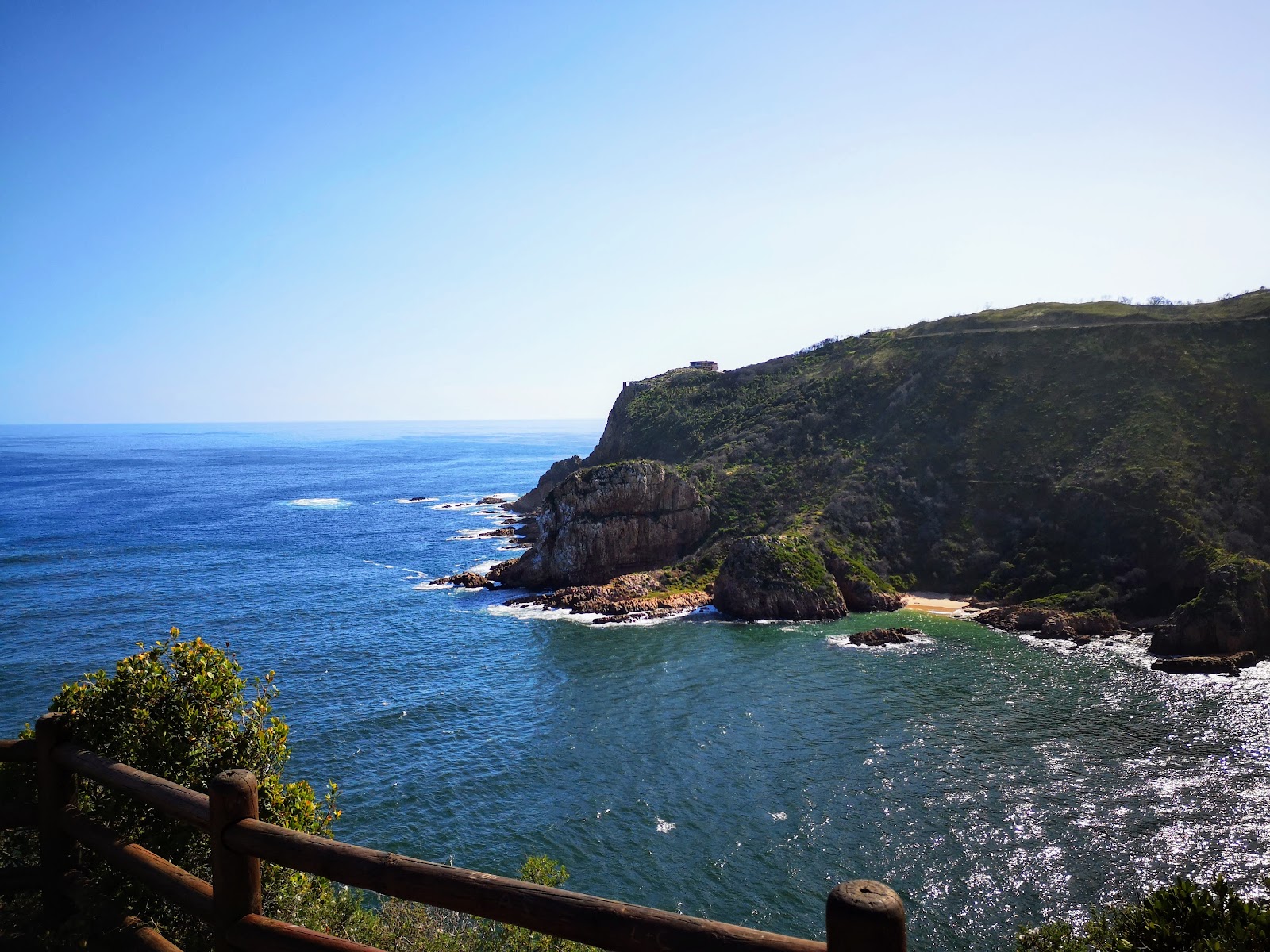
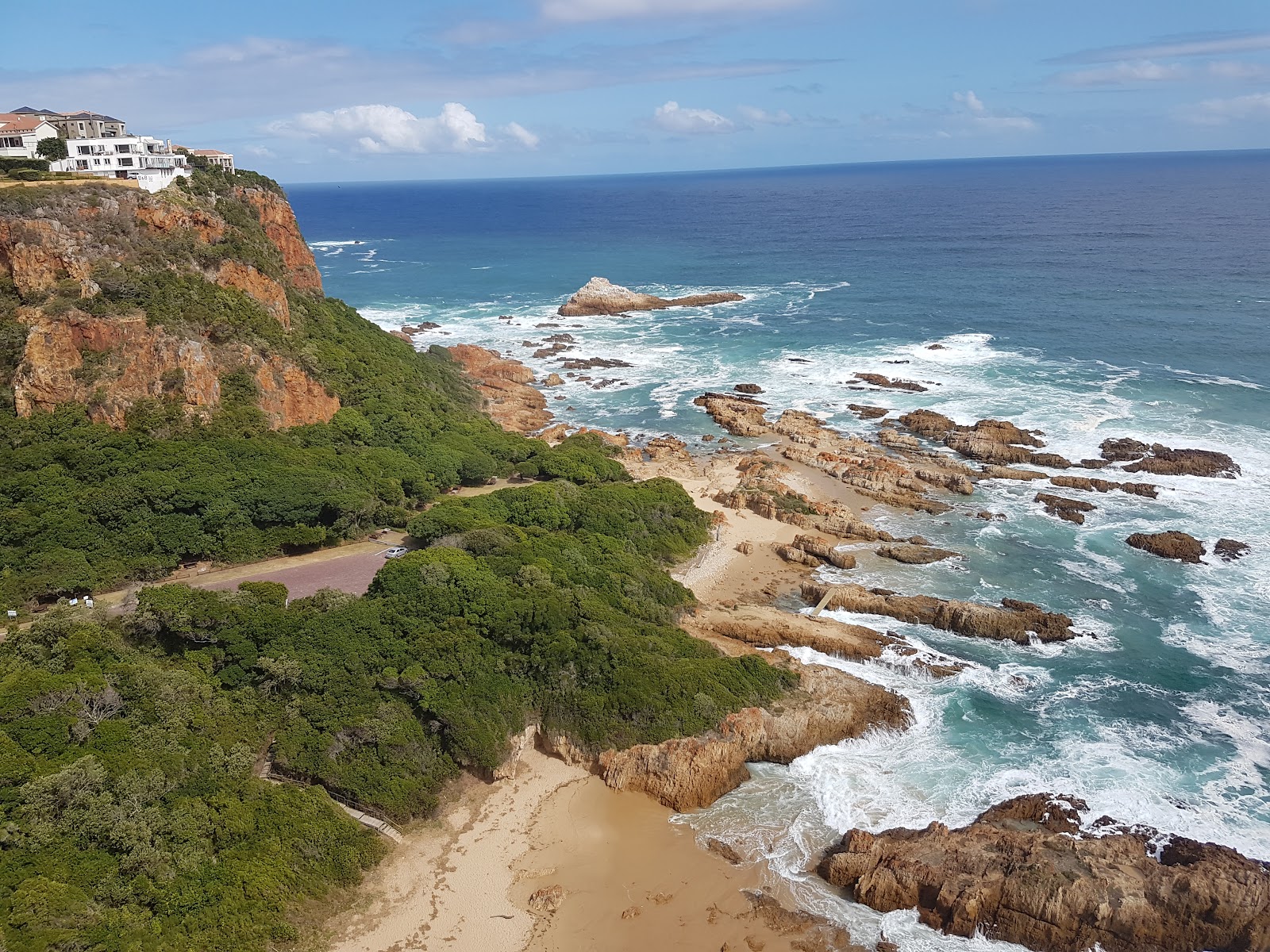
The number that stays with you is 90 metres — the width of navigable water between the two quartzite Heads through which the entire lagoon breathes. Every tide, up to 2,000 cubic metres of ocean pushes through that gap per second, and the current has swallowed boats whole. Standing on the water's edge, you can feel the pull even when it looks calm.
Behind that narrow mouth lies a 21-square-kilometre marine reserve where the water shifts colour with the light — grey-green at dawn, hammered copper at dusk. Oyster boats work the shallows, herons stand motionless on exposed mudflats, and a 75-minute cruise gives you a completely different read on the town you've been walking through.
💛 What travellers fall for
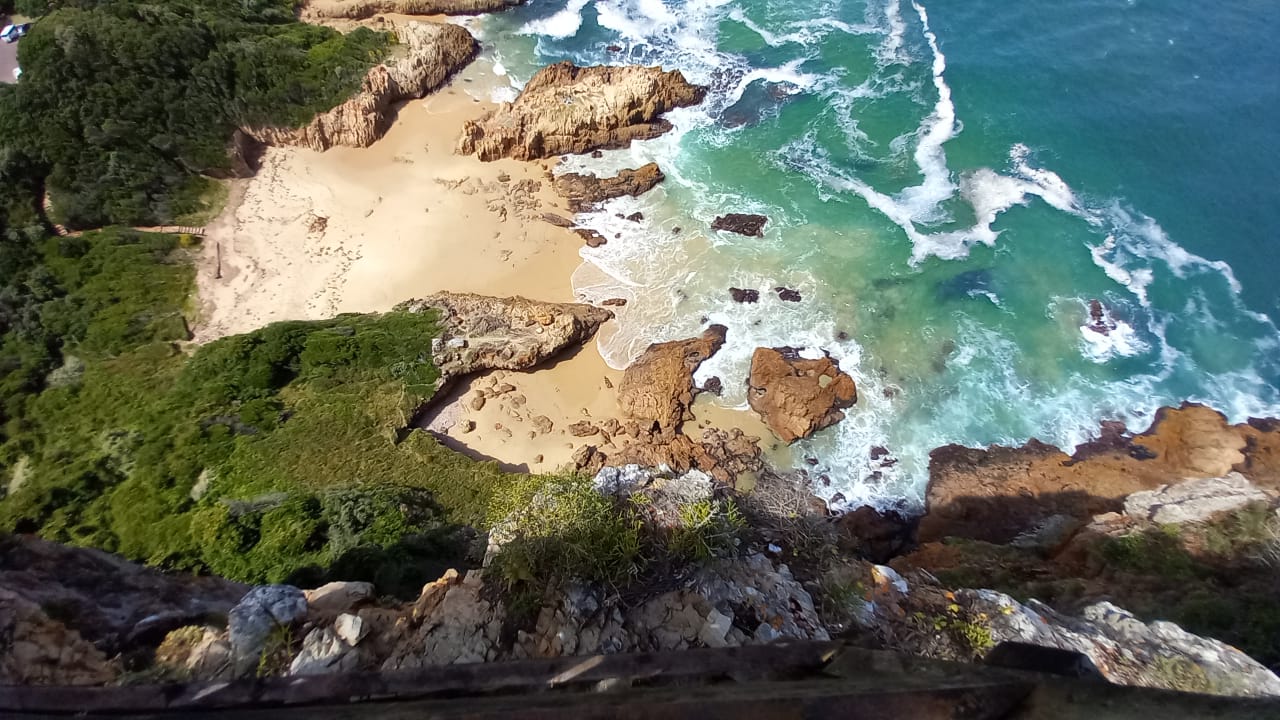
People who come back tend to take the ferry to Featherbed Nature Reserve on the Western Head rather than just photographing it from town — the 4x4 ride up and the 2.2 km coastal walk put you above the channel where the scale of the tidal flow finally makes sense. Book that crossing early; afternoon slots go first.
The story behind Knysna Lagoon
Portuguese explorers passed this coast in the early 1500s, but permanent European settlement didn't take hold until 1770, when the farm Melkhoutkraal was allocated nearby. The figure who shaped the place was George Rex, a British-born entrepreneur who acquired rights to Melkhoutkraal in 1804 and immediately commissioned a survey to assess shipping timber through the lagoon mouth.
The experiment was costly: the brig Emu became the first recorded wreck at the channel entrance in 1817, followed by HMS Podargus successfully making the passage — after which Knysna was declared an official harbour. It held that status from 1818 until 1954. The Houtunqua Khoekhoe, whose last recorded chief, Dikkop, died in 1816, had lived along these shores long before any of that.
Good to know
No public transport runs here; taxis start at R10 flat plus R7 per mile. George Airport is the closest, or drive from Cape Town in roughly six hours. The lagoon itself is a marine reserve — watersports are restricted and the Heads are genuinely dangerous; stick to designated areas.
Summer (December to March) is warmest, with highs around 25–26°C and the clearest conditions for lagoon cruises. Winter days stay mild at 15–20°C, and from June onward humpback and southern right whales move through the waters offshore — a different reason to be on the water.
Where is Knysna Lagoon?
Location
- In Knysna
- -34.0768, 23.0623
- Open in Google Maps
More tickets & tours for Knysna Lagoon
Book directly at the provider
More of Knysna
Discover where to stay, what to do and the best deals for your trip.
Explore Knysna →More attractions in Knysna
All of Knysna →
Background adapted from Wikipedia (CC BY-SA) · map data © OpenStreetMap contributors · ratings & place photos via Google · other photos with per-image credit. Ticket links may earn us a commission at no extra cost to you.