
Temple of Diana (Tempio di Diana)

The stones here have fossilized shells pressed into them — limestone cut from the same rock you're standing on, hauled and stacked without mortar sometime around the ninth century BC. Nobody knows exactly why. The structure on the Rocca above Cefalù has been called a temple, a royal palace, a fortified sanctuary, and none of those names quite stick.
What's certain is that it was built in layers across more than a millennium: a dolmen-type cistern first, then a proper façade around the fifth century BC, then later stonework, then a small Byzantine chapel dedicated to St Venera grafted onto the rear. On equinox evenings, the setting sun angles straight down the entrance corridor to the cistern. Whether that was intentional, scholars still argue.

💛 What travellers fall for
People who climb the Rocca early tend to linger here longer than expected — partly the shade, partly the strangeness of it. The equinox alignment is worth looking up before you go; even outside that window, standing in the corridor and tracing the sight line yourself changes how you read the stones.
The story behind Temple of Diana (Tempio di Diana)
The oldest part of the structure is a cistern carved into the rock and roofed with large stone slabs — a dolmenic form that archaeologists date to the eighth or ninth century BC. The main façade and much of the body were added around the fifth century BC, with further stonework in the second century BC. Scholars have debated ever since whether this was a sanctuary for water-related deities, the seat of the first kings of Kephaloidion, or something else entirely.
In the twelfth century it was repurposed as a chapel, and traces of an apse and arched windows survive in the rear. The first drawings were made by French artist Jean-Pierre Houël and George Nott between 1700 and 1800. Archaeologist Pirro Marconi led the first official excavations in the early twentieth century — his findings suggested a solar cult, which sits uneasily alongside the water-cult hypothesis. The name 'Temple of Diana' is traditional, not verified.

Good to know
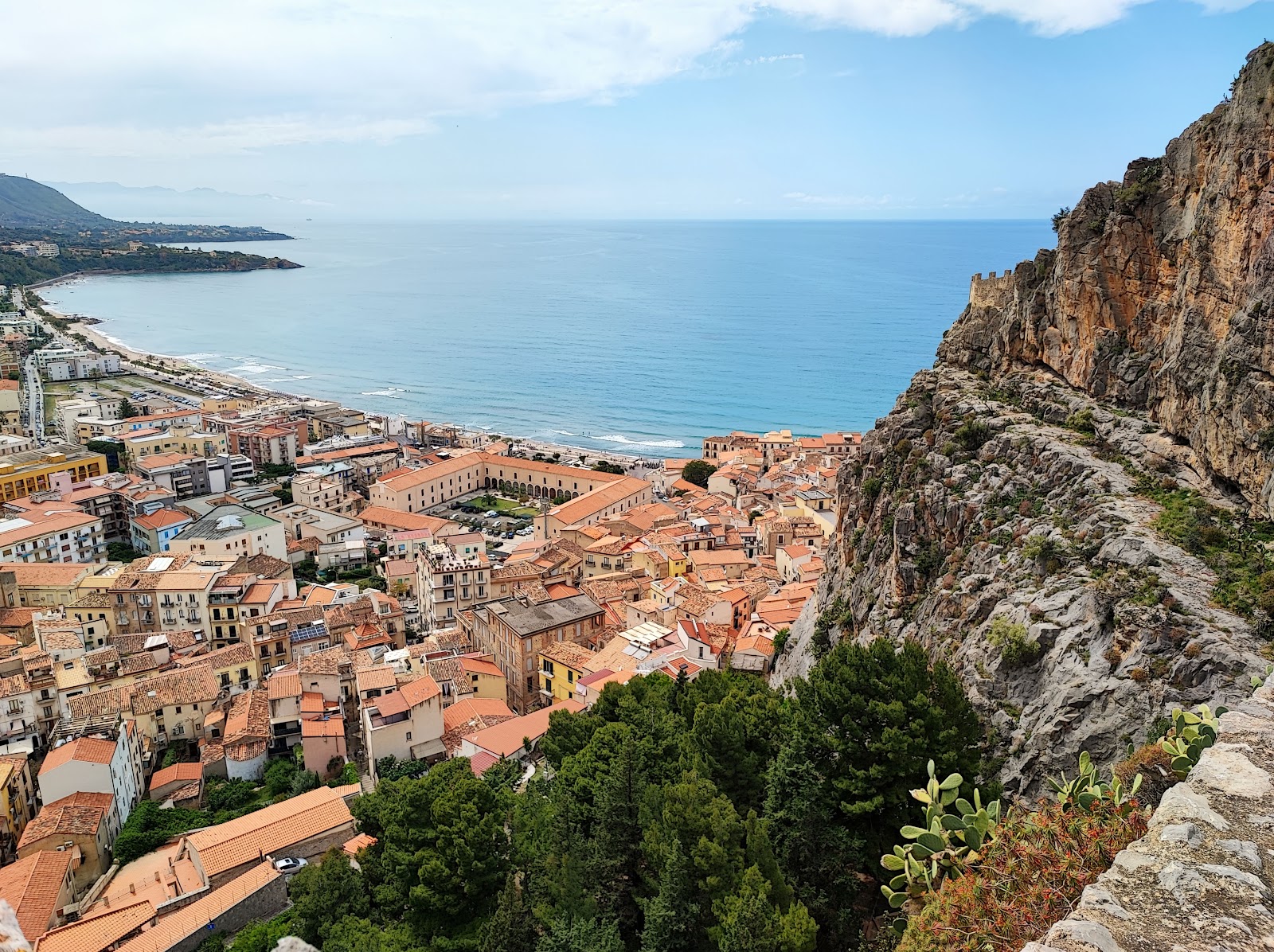
Access is via Salita Saraceni on the cliff's west side; the temple is about 15 minutes along the Rocca route. Entry is covered by the Rocca ticket (€5, concessions €2.50). Open daily 9am–7pm. The path is largely exposed, so go early morning or late afternoon and avoid midsummer midday.
Summer on the Rocca is genuinely hot and exposed; spring and autumn give you the climb without the punishment. If you're visiting in July or August, the first hour after the 9am opening is the practical window.
Where is Temple of Diana (Tempio di Diana)?
Location
- In Cefalù
- 38.0440, 14.0218
- Open in Google Maps
More tickets & tours for Temple of Diana (Tempio di Diana)
Book directly at the provider
More of Cefalù
Discover where to stay, what to do and the best deals for your trip.
Explore Cefalù →More attractions in Cefalù
All of Cefalù →

Background adapted from Wikipedia (CC BY-SA) · map data © OpenStreetMap contributors · ratings & place photos via Google · other photos with per-image credit. Ticket links may earn us a commission at no extra cost to you.