
Cefalù
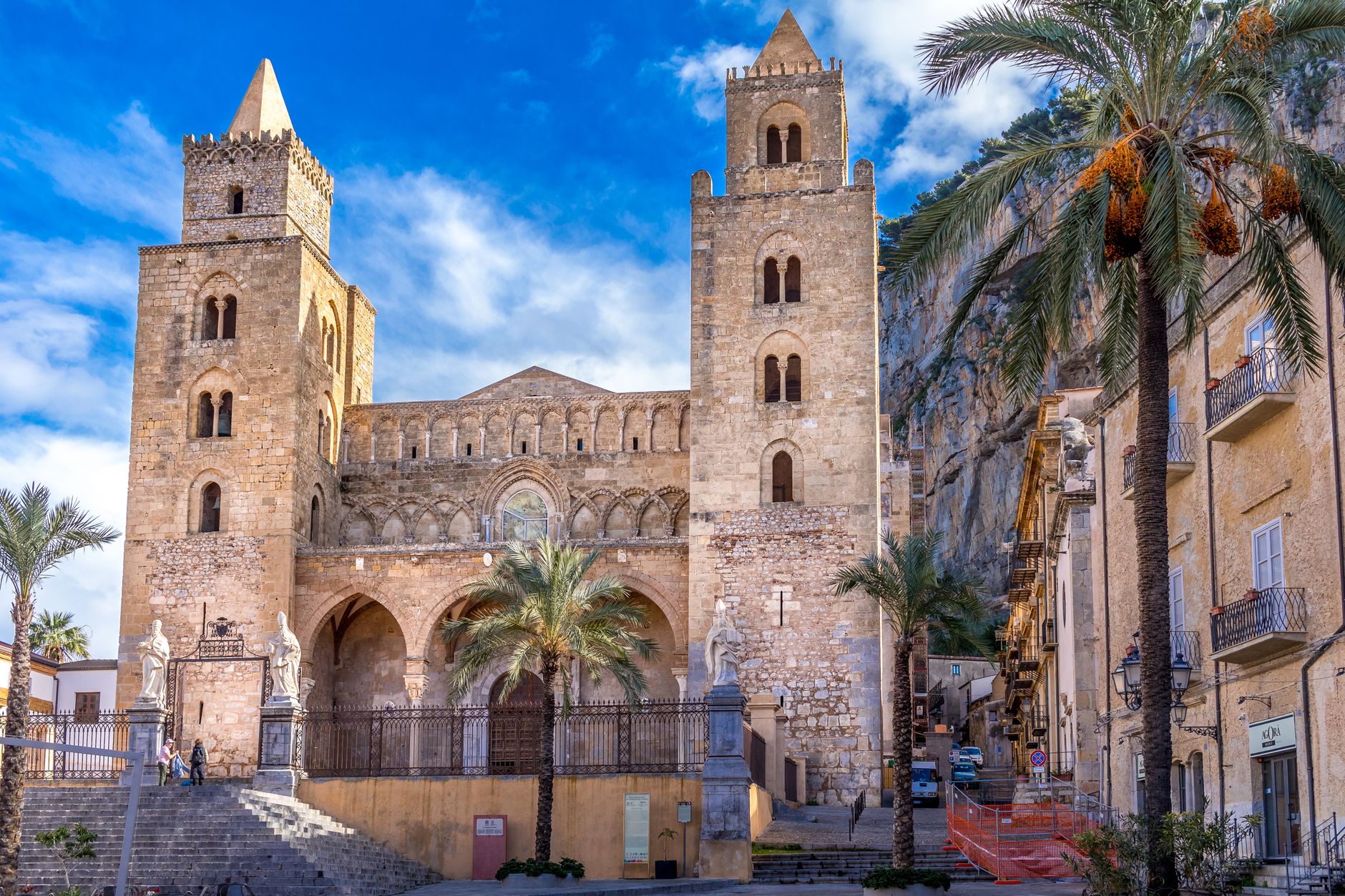
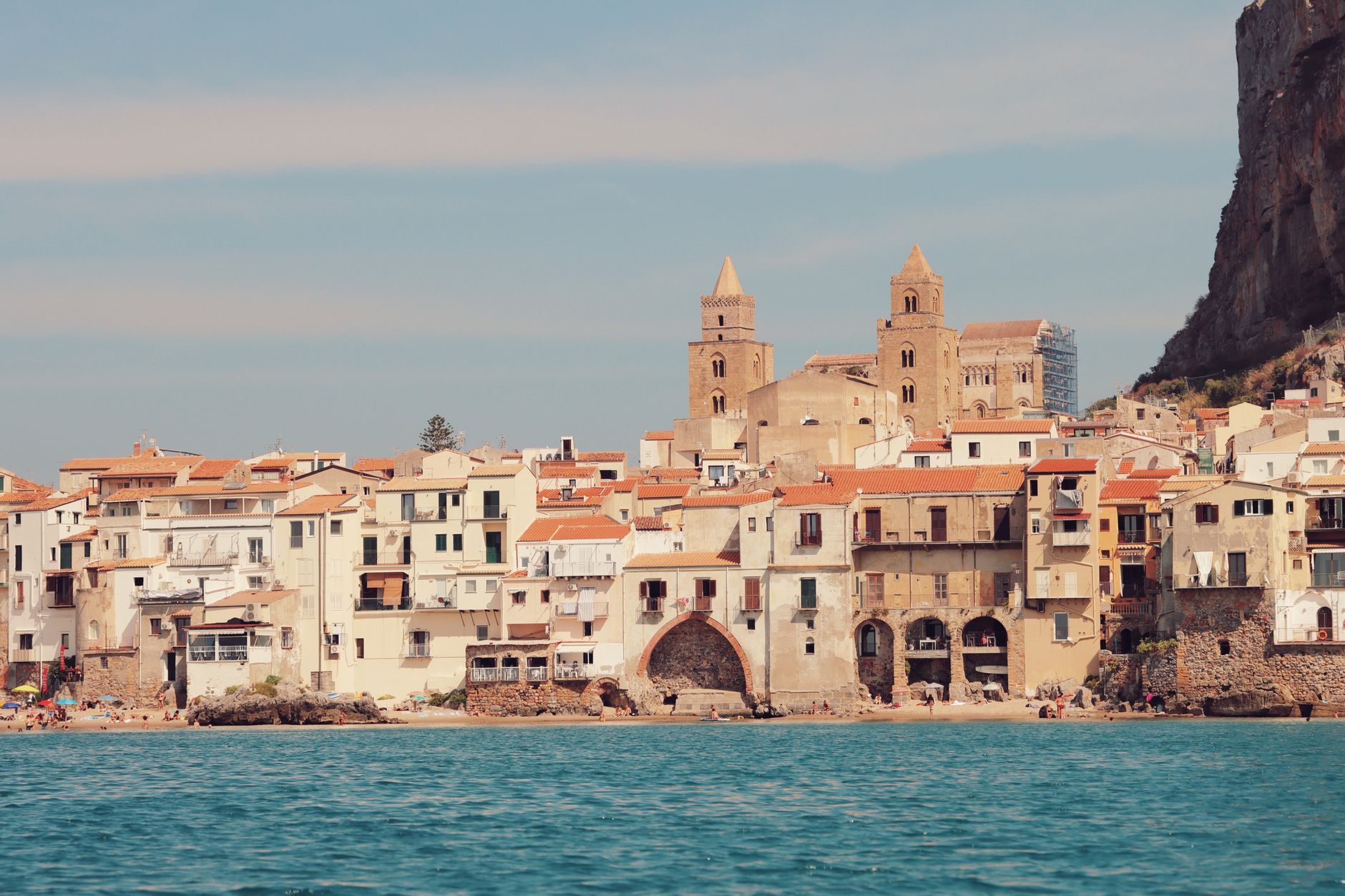
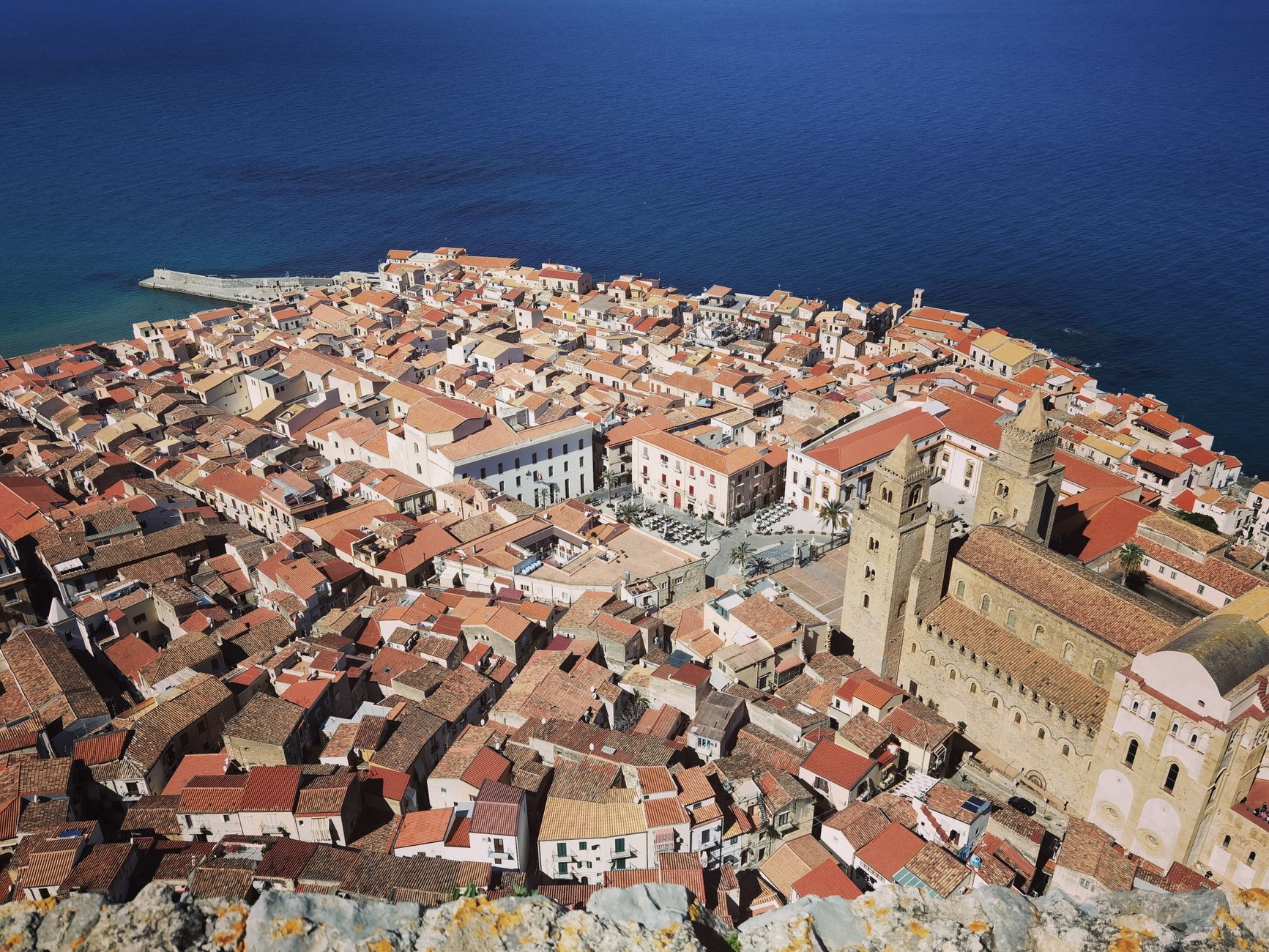
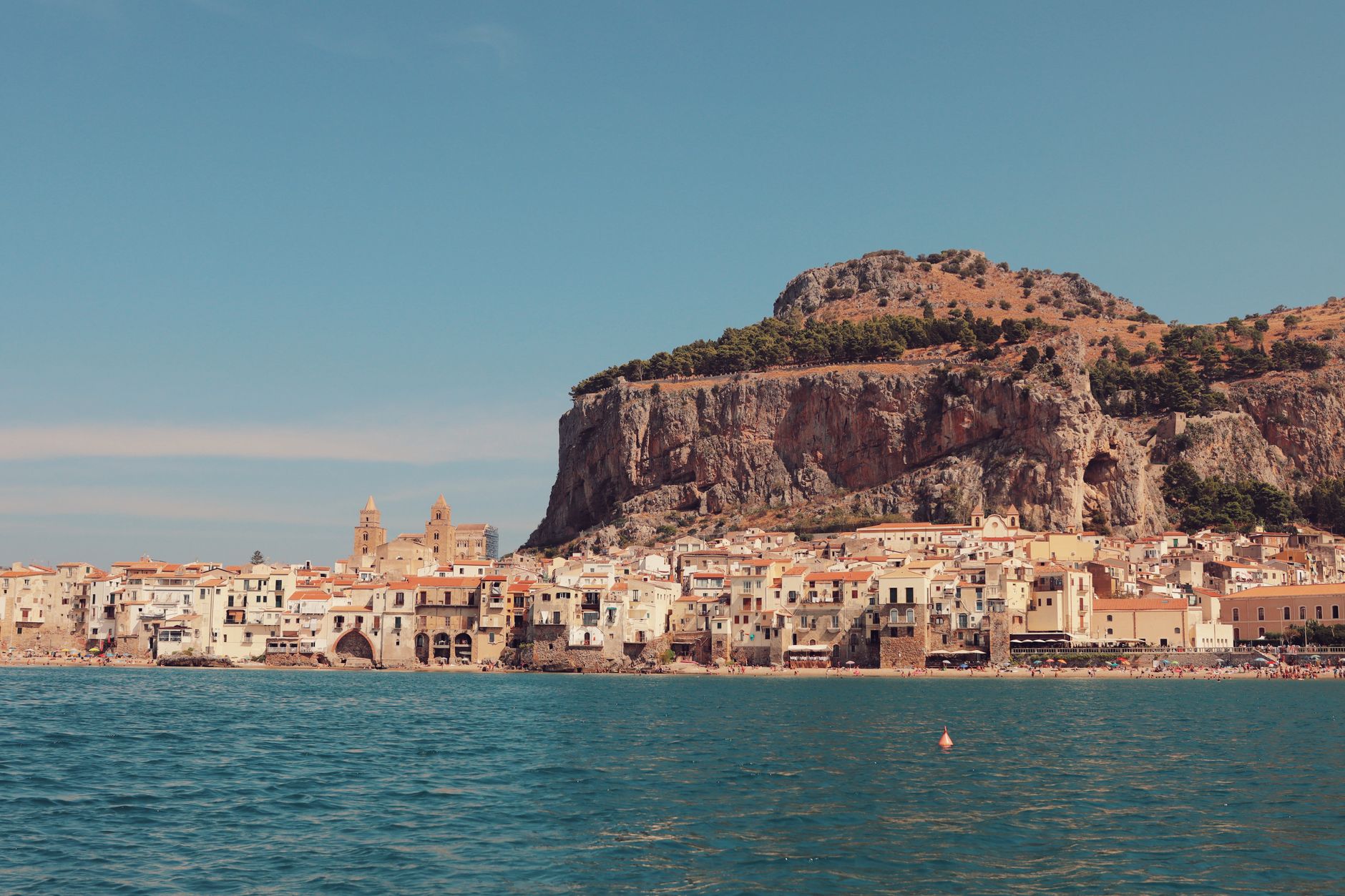
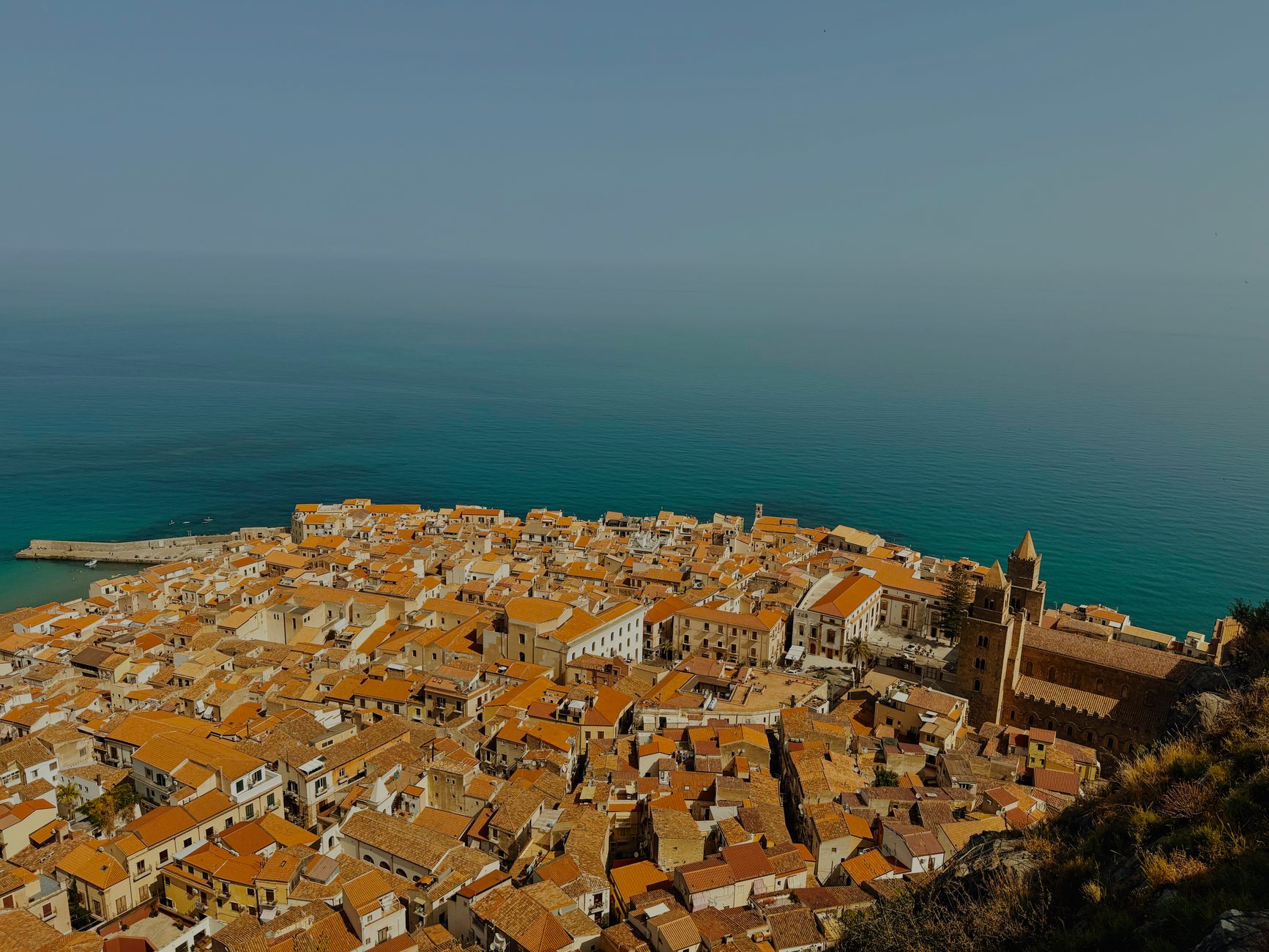
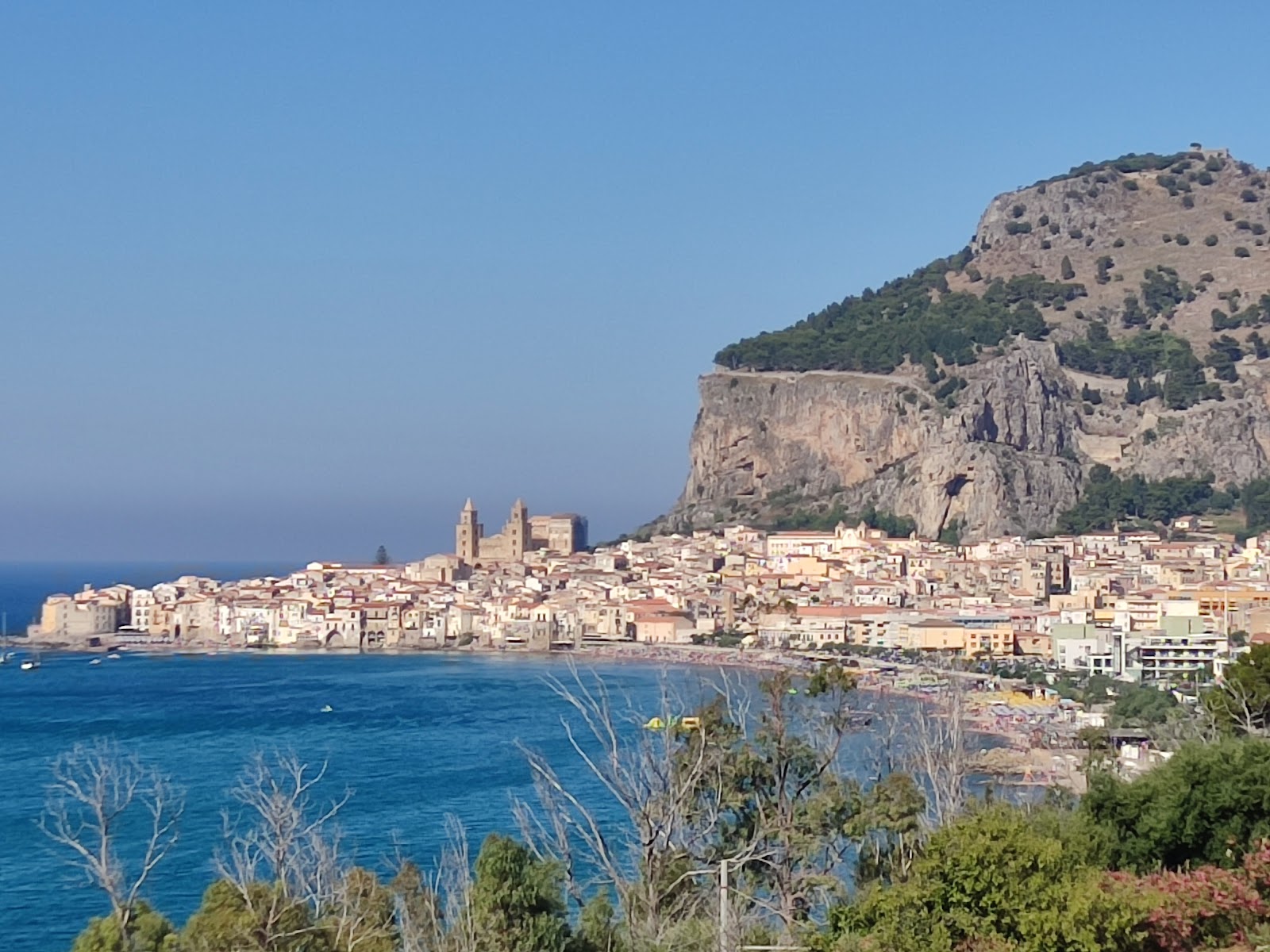
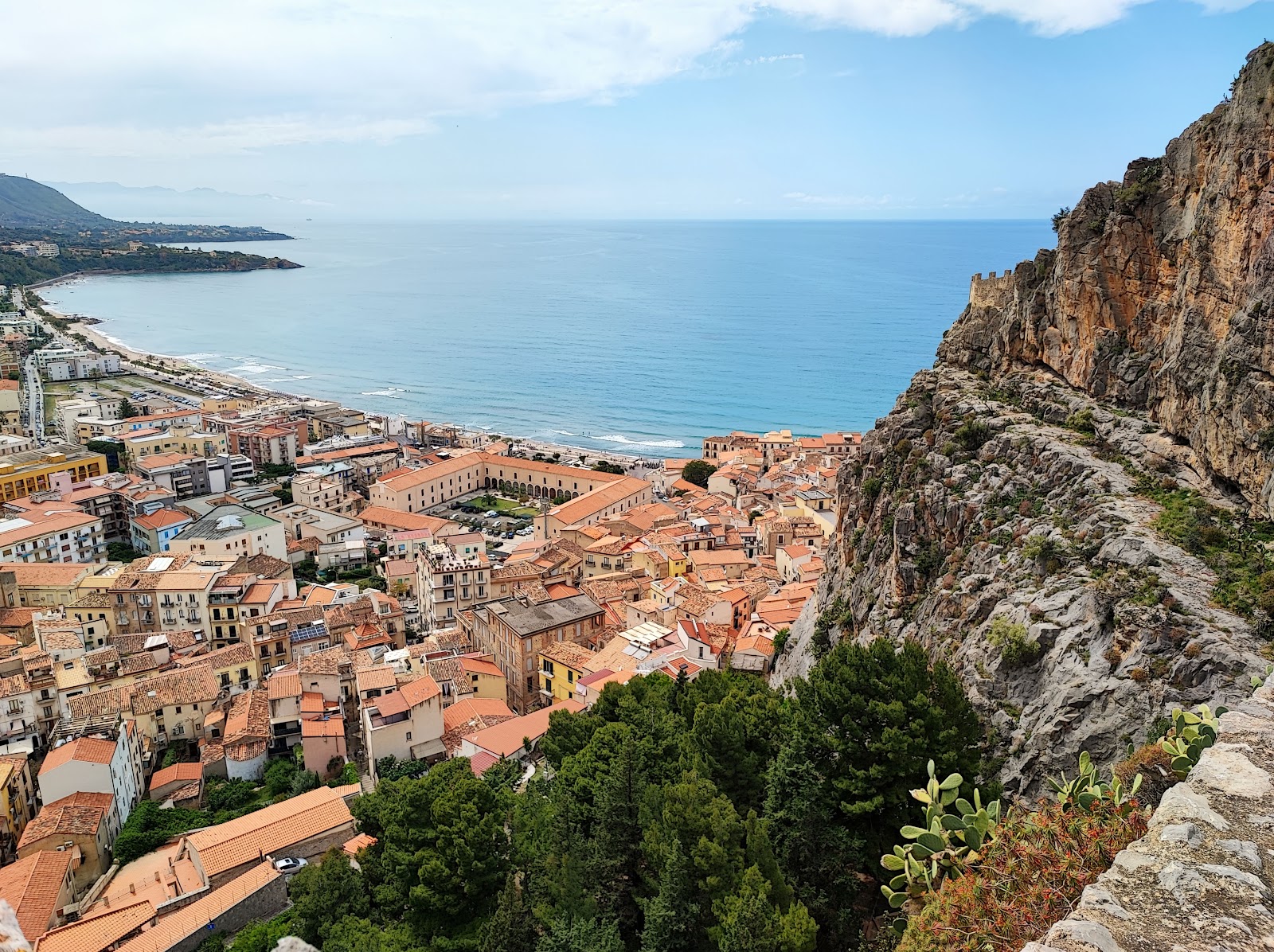
Stand in the apse of Cefalù's cathedral and look up: a golden Christ Pantocrator fills the half-dome, Byzantine mosaic work laid between 1148 and 1166, still holding its colour nearly nine centuries later. The town below is compact enough to walk end to end in an afternoon — a wedge of medieval streets between a 376-metre limestone promontory and the Tyrrhenian Sea.
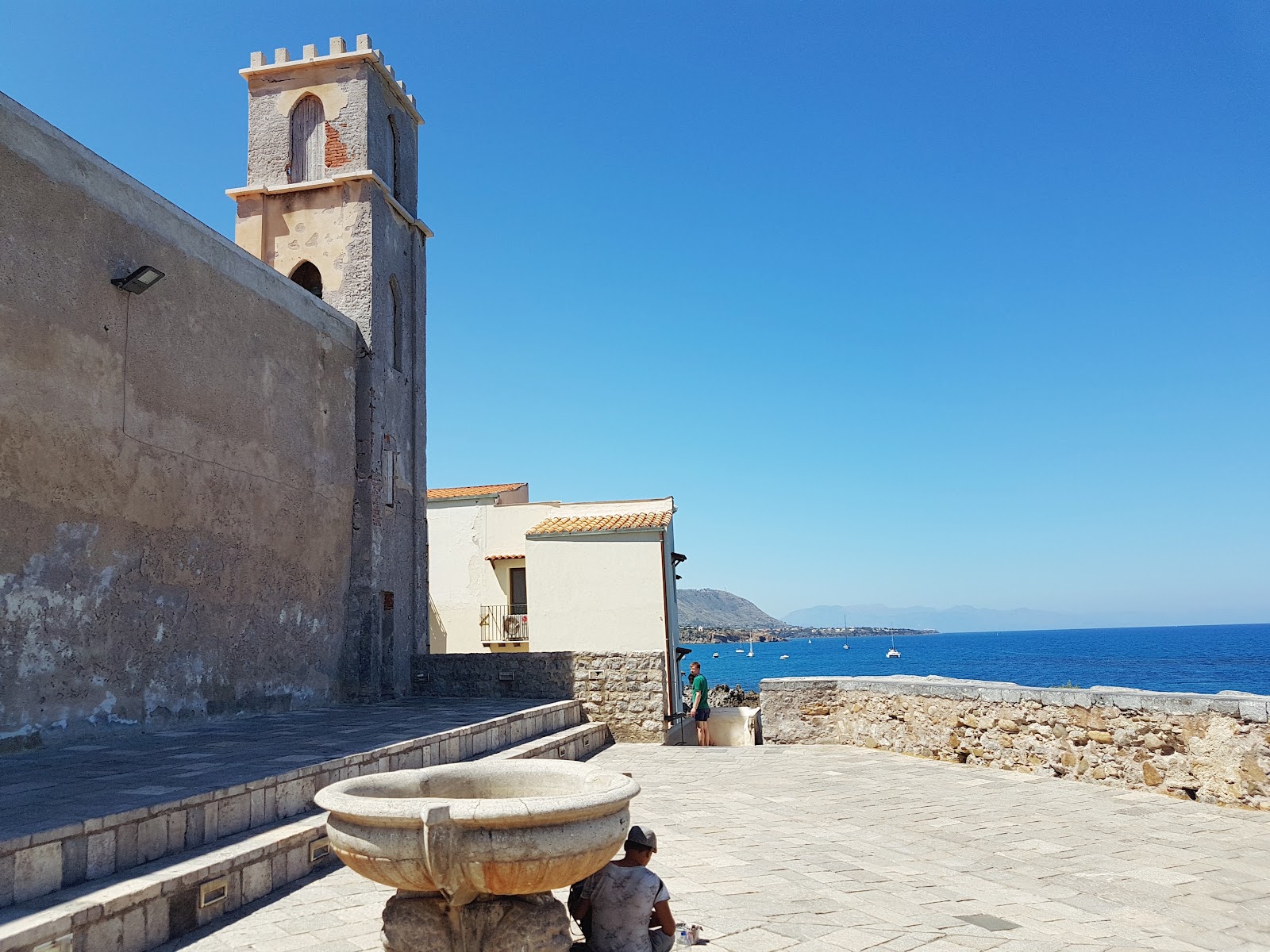
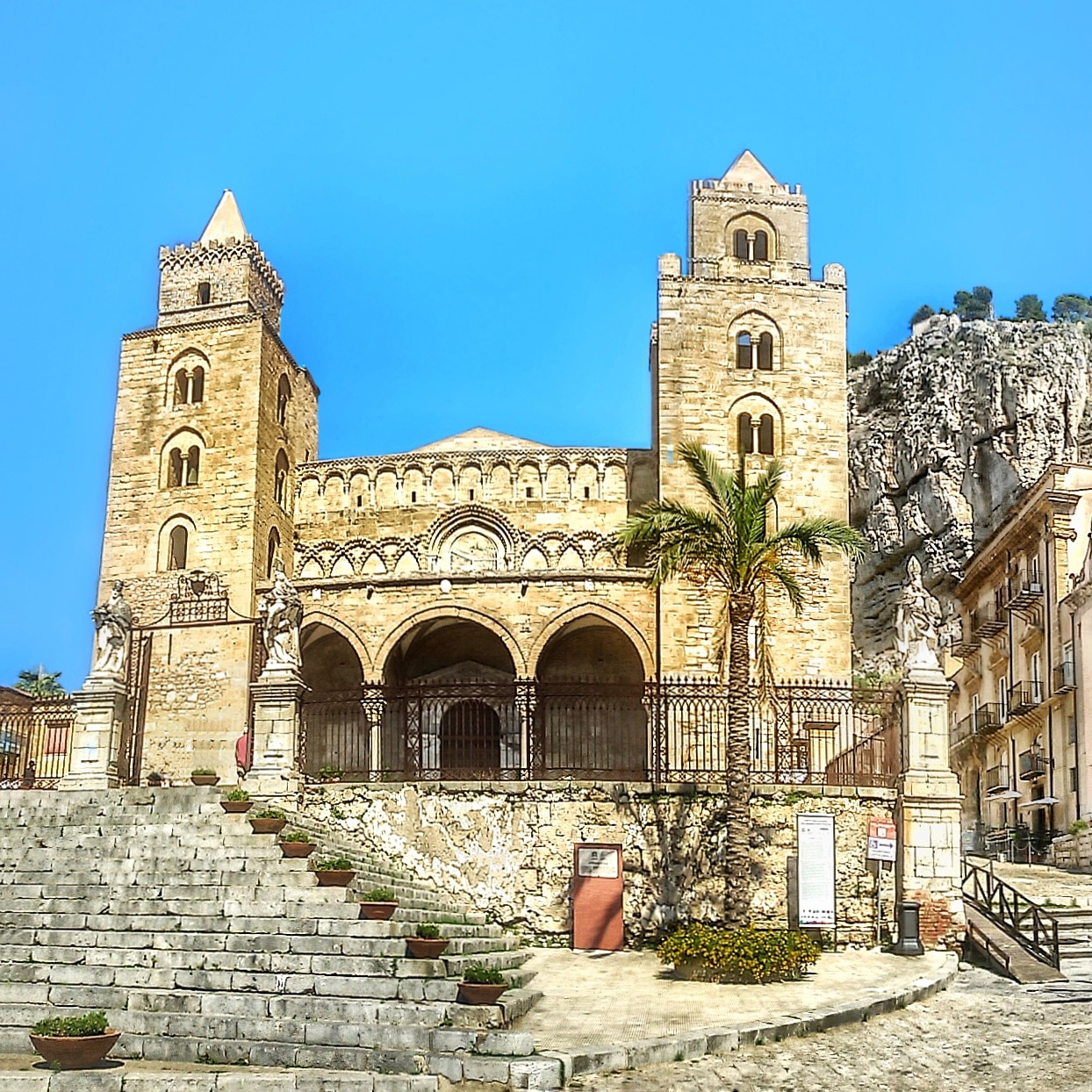
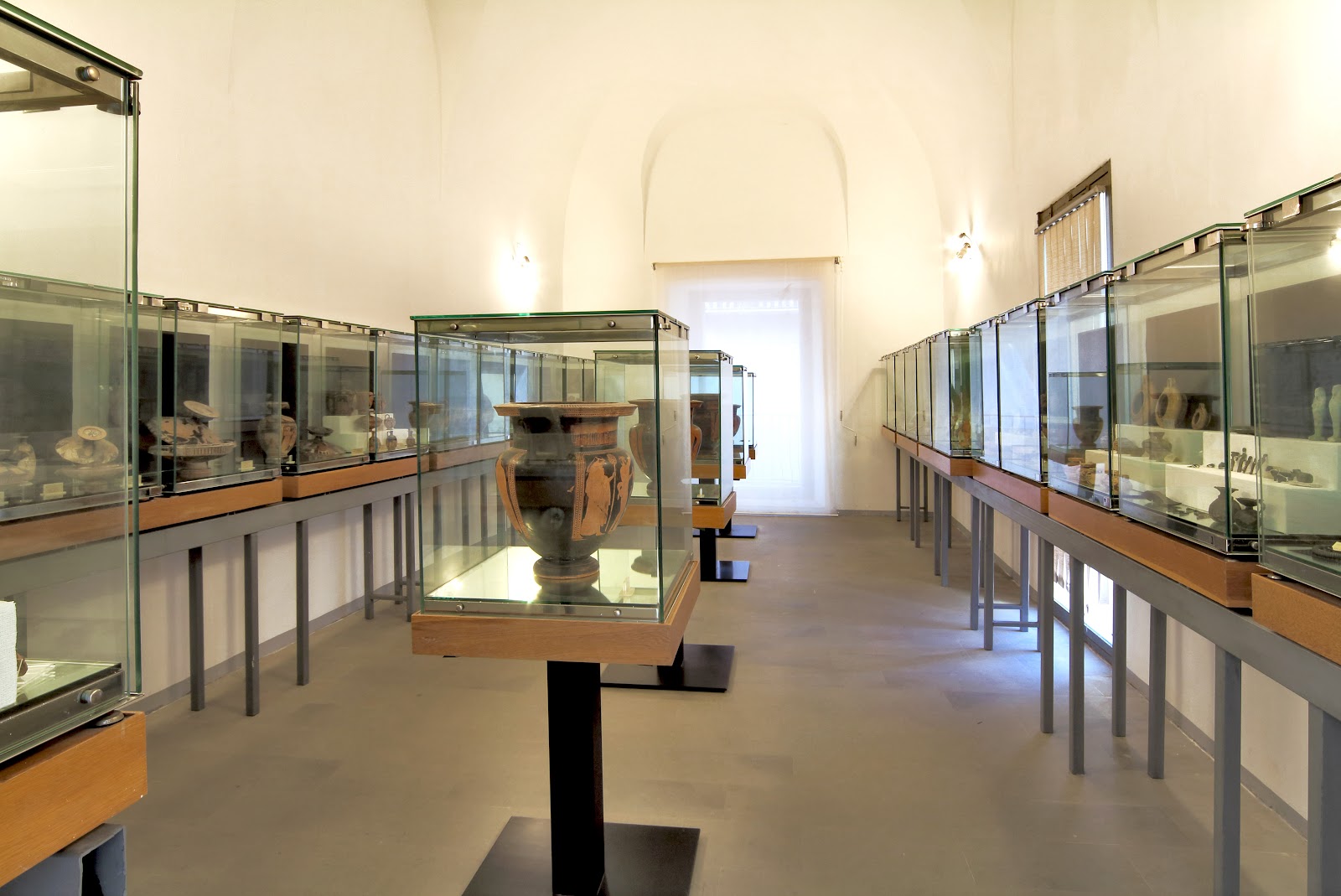
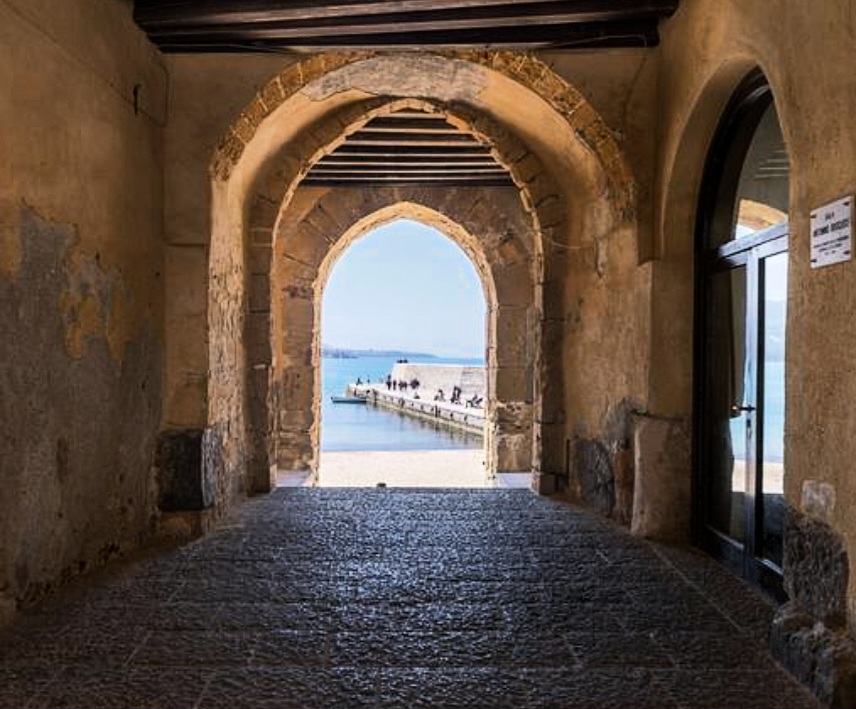
Cefalù earns a day or two on its own terms. The cathedral is UNESCO-listed, the Museo Mandralisca holds Antonello da Messina's unsettling 'Portrait of a Man', and the medieval wash-house down by the water dates to 1514. Palermo is fifty minutes by train if you need the city.
💛 What travellers fall for
People who come back tend to say the same things: go up La Rocca early, before the heat settles on the path. Buy a 'red' ticket at the cathedral — the cloister and tower are worth the extra few euros. And eat wherever the menu is shortest.
Deals in Cefalù
Book directly at the provider
How Cefalù came to be
Cefalù enters the record around 395 BCE as an outpost linked to the Greek city of Himera, passing through Carthaginian, Syracusan and Roman hands before the Western Empire dissolved. Under Byzantine rule the population retreated uphill for safety; Arab forces finally took the town in 858 CE after a prolonged siege. The Normans arrived in 1063.
It was Roger II who reshaped the place decisively. In 1131 he moved the settlement back down to the harbour and ordered the construction of the cathedral — partly as a royal mausoleum, partly as a statement of Norman ambition. The building took until 1240 to complete and wasn't consecrated until 1267. Cefalù passed between feudal families and Church control for the following centuries before becoming part of unified Italy in 1861.
Who and what shaped it
People who shaped it
Landmark buildings
See Cefalù in motion
Plan your visit
On the map
When to go
Summers are hot and dry, with July and August drawing crowds to the beach below the old town; spring and early autumn offer warm days, manageable temperatures for climbing La Rocca, and significantly fewer people. Winters are mild but quiet, with some businesses running reduced hours.
Right now
↡ Attractions




Background & history adapted from Wikipedia (CC BY-SA) · specs from Wikidata (CC0) · weather from Open-Meteo · map data © OpenStreetMap contributors · photos from Wikimedia Commons / Unsplash with per-image credit. No third-party reviews or social posts reproduced.